

Cocoa, coffee and tea push up global food import bill for wealthy countries

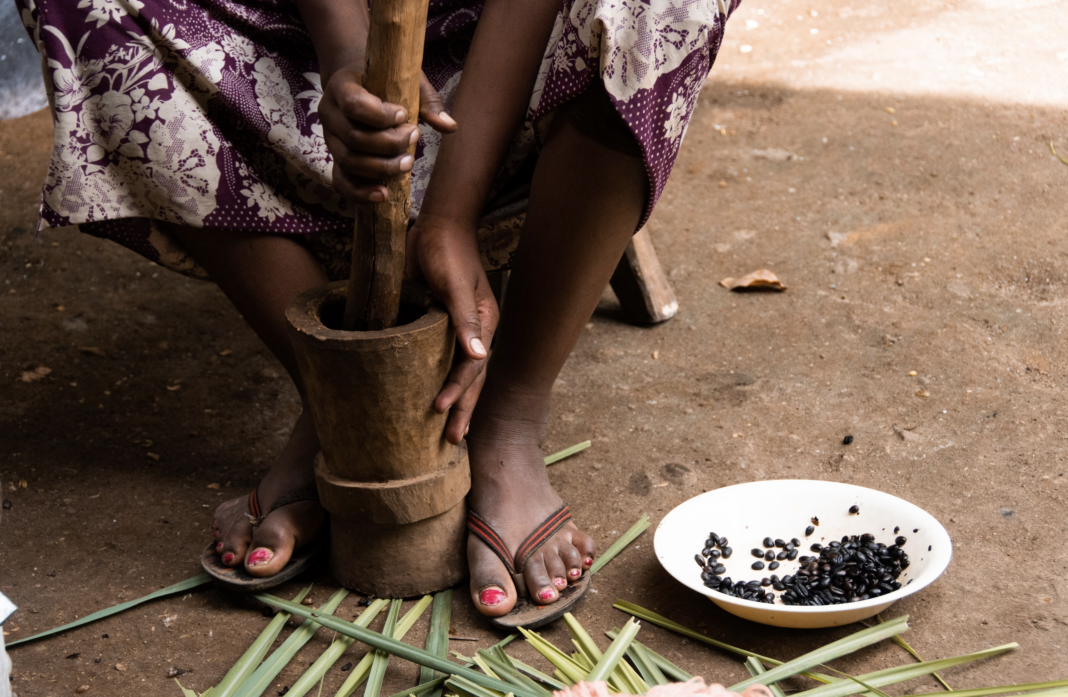
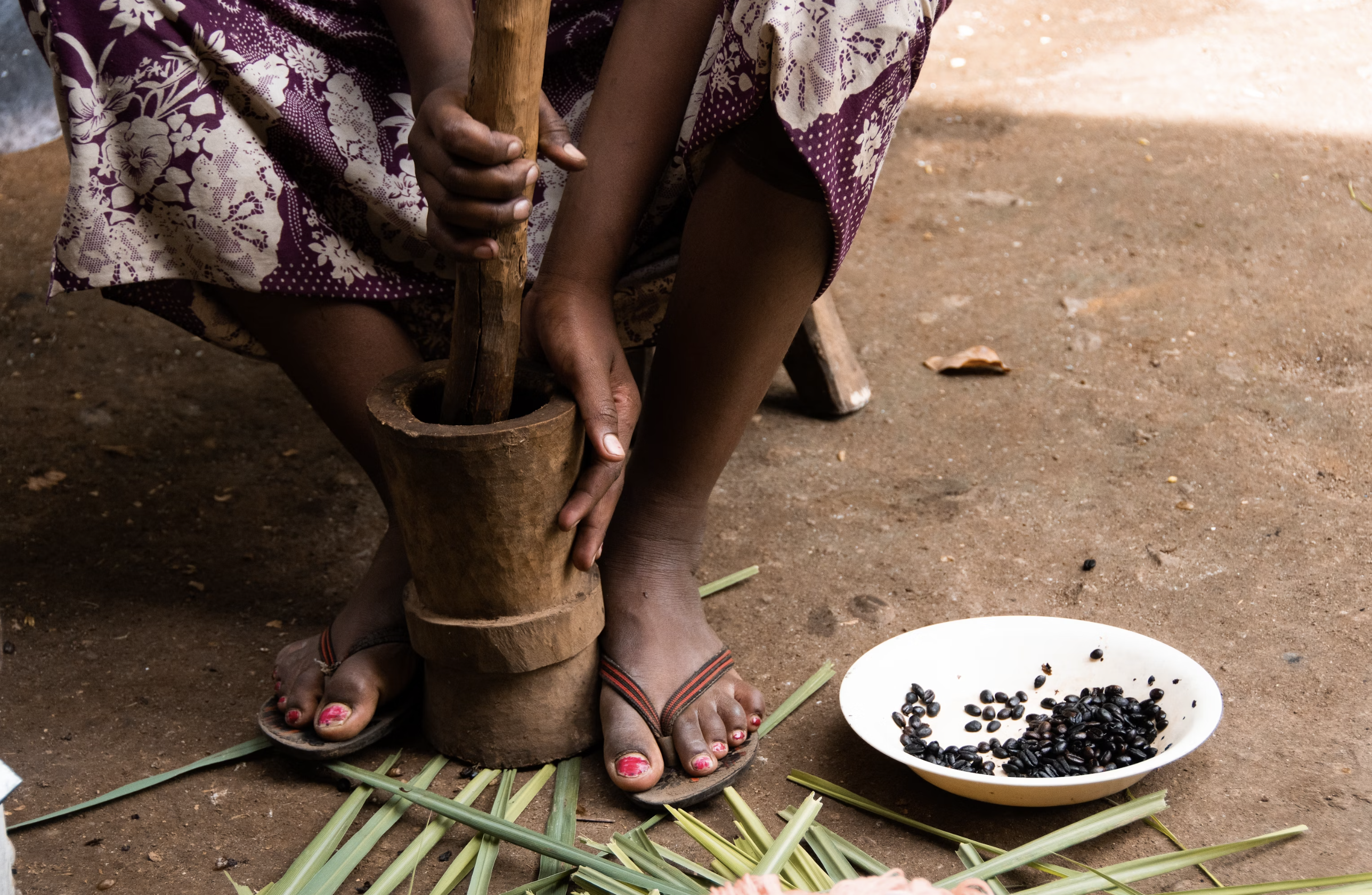
Grinding coffee in Ethiopia

The global import food import bill is expected to increase by 2.2 percent from the previous year to more than $2 trillion in 2024, pushed up by higher prices for cocoa, coffee and tea and also buoyed by higher import costs for fruits and vegetables, according to Food Outlook, a report from the UN’s Food and Agriculture Organization.

Import expenditures on cocoa, coffee and tea are anticipated to increase by 22.9 percent, accounting for more than half of the overall increase in value terms. That reflects soaring international prices for these commodities due mostly to weather conditions and logistics issues. Cocoa prices reached almost four times their ten-year average earlier this year, those for coffee nearly doubled, and those for tea rose 15 percent above their usual long-term levels.

Exports of these commodities play an important role in the economy of numerous countries, FAO economists noted. Coffee export earnings in Burundi and Ethiopia typically cover nearly 40 percent of their respective food import bills, tea does the same for more than half of Sri Lanka’s bill, and Côte d’Ivoire’s cocoa exports more than offset all of the country’s food import costs.

Meanwhile, declining import bills for cereals and oilseeds offer relief to lower-income countries. High-income countries account for two-thirds of the global food import bill and will face a 4.4 percent increase in 2024, while the bills for upper-middle-income, lower-middle-income and low-income countries are likely to contract.

The FAO Food Outlook, a biannual publication, offers updated forecasts for the production, trade, utilization and stocks of major food staples as well as explores a series of topical themes. In particular, olive oil and fertilizers are featured in the latest issue.

FAO’s latest forecasts point to favourable output outlooks across most basic foodstuffs, although global production systems remain vulnerable to risks from extreme weather events and rising geopolitical tensions and policy changes which could tip delicate demand-supply balances and dampen prospects for international trade in food commodities and global food security.

Wheat and coarse grains output is expected to decline in 2024 from high levels but remain above utilization rates. Rice, meanwhile, is a bright spot, with the 2024/25 season poised to mark a record-breaking harvest, which could enable global rice utilization, reserves and international trade to increase. Per capita food intake of wheat and coarse grains is expected to decline somewhat in Low-Income Food-Deficit Countries while that for rice is expected to increase by 1.5%.

Global meat and dairy production is forecast to increase moderately while that for sugar declines. Worldwide fisheries output is set to expand by 2.2 percent driven by aquaculture. Soybean and palm oil outputs are on course to expand while those for rapeseed and sunflower seeds contract. Global vegetable oil consumption could exceed production and lead to stock drawdowns for the second consecutive season, while robust crushings are expected to result in expanding global inventories for oilmeals.
Read More

TRENDING

Make Guarapo De Piña (it’s fermented pineapple juice)

In Cuba, guarapo is simply freshly-pressed sugar cane juice, and is drunk on the spot, without waiting for it to ferment. But in Colombia, Venezuela, Peru and Mexico, they homebrew guarapo from pineapples or oranges, and the fragrant fluid sits on the kitchen counter top to ferment until it's bubbly.

Baby teeth read like tree rings paint a picture of toxins in early life

A new study from the Icahn School of Medicine at Mount Sinai in New York offers a striking insight into how the environments we are born into can quietly shape our brains years later. By analyzing naturally shed baby teeth, the ones tucked under pillows for the tooth fairy, researchers have reconstructed a detailed timeline of exposure to environmental metals during pregnancy and early infancy.

Poop in the East River shows the city’s rat problem and what people like to eat

New York ecology and health can be monitored by a jug of water a week.

Saving Gourmet Wild Plants For The Future

Think of truffles, a gourmet wild food. The European...

Fresh Fava Bean Soup, A Vegan Springtime Recipe

Somehow vegetables with short seasons excite the imagination and appetite more sharply than produce that’s available all year around. Good Middle Eastern cooks have many recipes for delicate fava beans, and this turmeric-fragrant soup is one.

Locals From Rishon Fight IKEA

Big Box stores are a pretty new concept in Israel, and thank God that not every Israeli city wants them in their backyard. A word from someone who has see the beautiful farmland around her hometown Newmarket, Ontario stripped and converted into vulgar strip malls of big box shops: they have no place in a healthy and sustainable town or city.

The Jewish National Fund Meets An Inconvenient Truth

According to the JNF, it has transformed thousands of acres of barren land into green forests in Israel. They state that each person emits about 23 tons of carbon per year, estimating that each tree planted can absorb one ton of carbon in its lifetime. That's a whole lot of trees you'd need to be planting. Could so many fit in Israel?

How to quiet noise from construction in your office

Streets need to be resurfaced in New York but the humming and grinding noise is unsettling. Noise is environmental pollution. 

EarthX and a blueprint for sustainable investing

Trammell S. Crow, a Dallas-based businessman and father of four, is focusing his efforts on impact investing, and media that focuses on saving the planet through EarthX.

Mining Afghanistan’s Mineral Discoveries Similar to Avatar

Now that American forces in Afghanistan are commemorating the longest period of any war that America has been involved in, including the 1965-73 Vietnam War, the recent discoveries of large and extremely valuable mineral and metal deposits may finally bring to light a reason to continue the presence of US fighting forces in this war torn and backward country.

From Pilot Plant to Global Stage: How Aduro Clean Technologies’ 2026 Expansion Signals a Turning Point for Chemical Recycling Investors Like Yazan Al Homsi

The company's Next Generation Process (NGP) Pilot Plant in London, Ontario, has officially moved into initial operating campaigns, generating the kind of structured, repeatable data that separates laboratory promise from commercial viability.

Nobul’s Regan McGee on Shareholder Value: “Complacency Is the Silent Killer” 

Why the governance framework designed to protect shareholders so...

Should You Invest in the Private Market?

startustartup Unlike public stock exchanges, which offer daily trading, strict...

Popular Categories