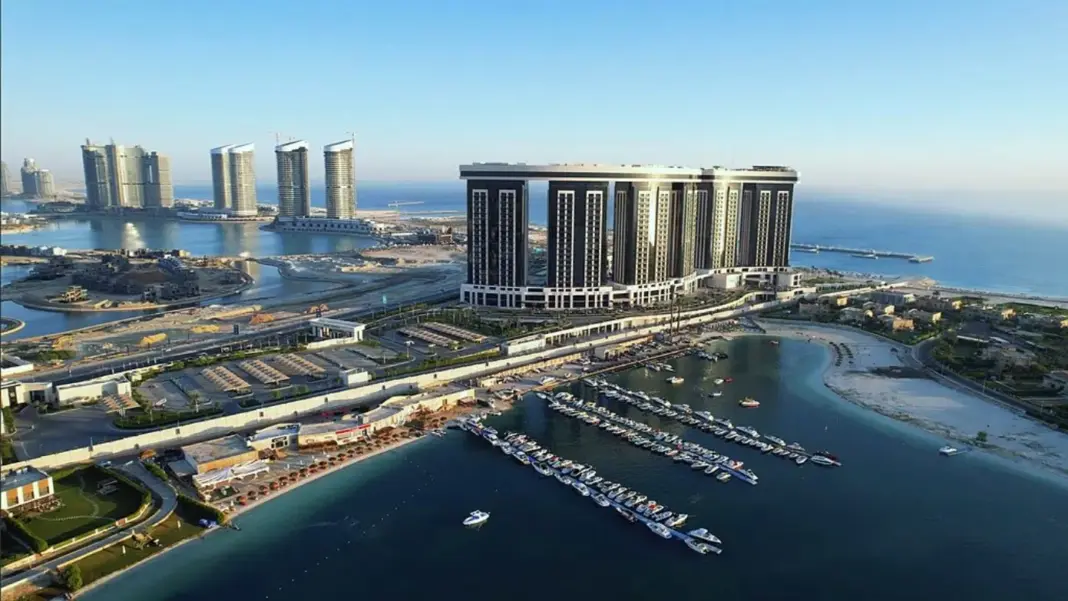


Everyone loves a Mediterranean city like Cannes, Athens, Venice, Malta and Tel Aviv. But the Arab world comes up short when it comes to pleasing western tourists. While the UAE is trying and Saudi Arabia trying even harder, Egypt thinks it can do better. The country, roiling from loss in tourism from the Hamas-Israel War hopes to make a comeback.


The country which relies on tourism for its GDP is building a new $183 billion seaside mega city, called New Alamein, in Egypt. They hope it will be become the crown jewel of the Mediterranean, luring tourists away from traditional European holiday destinations such as France, Greece, Italy and Spain. Consider nomad travel insurance when booking a holiday. SafetyWing Nomad Insurance is a great option.
Nestled along the north coast and the Mediterranean Sea, the New Alamein City of Egypt will vie for tourist numbers in the Mediterranean. It will have white sandy beaches, the Mediterranean climate and presents a vision of modernity – offering a salad of cultural richness and luxury.

Al Alamein New City located in a site named after a battle that took place during the Second World War (WWII 1942).The Egyptian Government selected thew site, with government material touting it to be “a sustainable city”. In fact, the site is rich with its natural, and historical resources; however, achieving sustainable development in Egypt implies overcoming multiple challenges. The most pressing challenges are institutional, financial, and managerial.
There is little to no material in English exploring the sustainability merit of the city. The late Egyptian architect Hassan Fathy, however, had some great ideas that have since fallen on deaf ears. But recent press material shows China pouring the first shovels of cement into the building site for a new tower. There is no mention of sustainable materials or renewable energy.
The site has a waterfront on the Mediterranean that extends about 10 miles and includes WWII cemeteries.