

Air pollution turns moths off flowers
Air pollution makes the scent of a night-blooming plant less enticing to pollinating moths. Researchers in a Science study discovered that nitrate radicals severely degrade key odour components that attract pollinating insects to the pale evening primrose (Oenothera pallida).
Nitrate radicals, which can come from various sources including vehicle emissions, are particularly abundant when there’s no sunlight to break them down.
Artificial flowers spiked with the pollution-degraded scent received 70% fewer visits from wild hawkmoths than fake flowers with intact odour. Because hawkmoths are some of the primrose’s main pollinators this could reduce the plant’s fruit production by almost 30%.
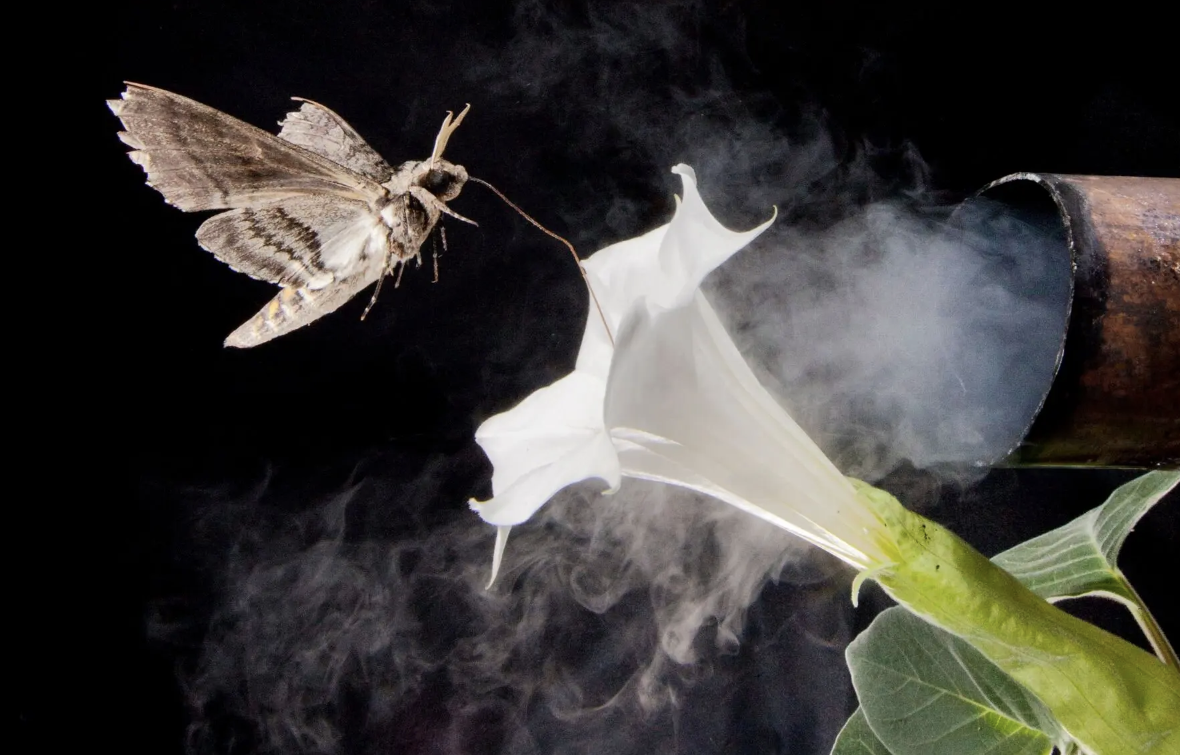
The study is a bit scary for pollinators like bees and moths, as the perils of air pollution are widely acknowledged, spanning from its contribution to global warming to its detrimental effects on human health. This study tells the impact on the relationship between flowers and pollinating insects.
According to researchers, these nitrate radicals, prevalent in urban nighttime air, can significantly diminish the fragrance emitted by flowers, thereby deterring visits from crucial pollinators like hawk moths.
Sensory pollution could disrupt plant reproduction processes, potentially leading to decreased fruit production. Moreover, it poses a threat to pollinators themselves, exacerbating the already alarming global decline in their populations.
Joel Thornton, an atmospheric chemist at the University of Washington and co-author of the study, emphasizes the significance of these findings, stating, “We worry a lot about exposure of humans to air pollution, but there’s a whole life system out there that’s also exposed to the same pollutants.”
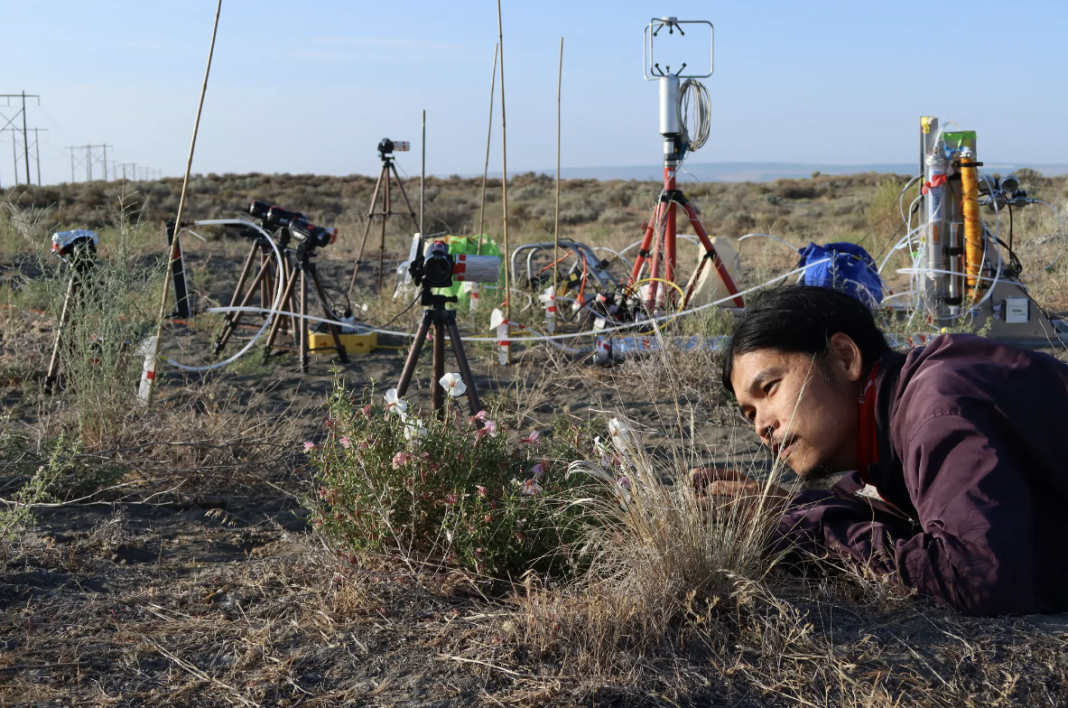
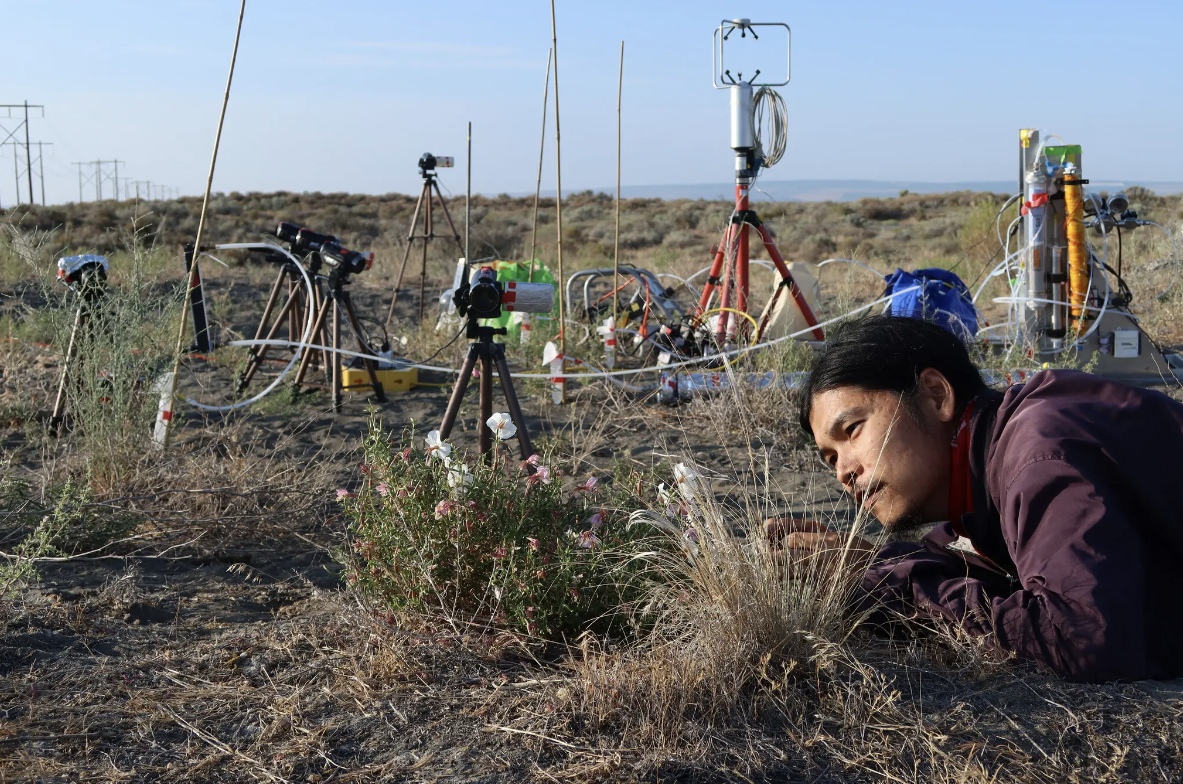
The research team, led by Dr. Thornton, along with his colleague Jeff Riffell, a sensory neurobiologist and ecologist at the University of Washington, and their former doctoral student, Jeremy Chan, who is now a researcher at the University of Naples, conducted extensive experiments focusing on the pale evening primrose, a plant reliant on nocturnal pollinators like hawk moths.
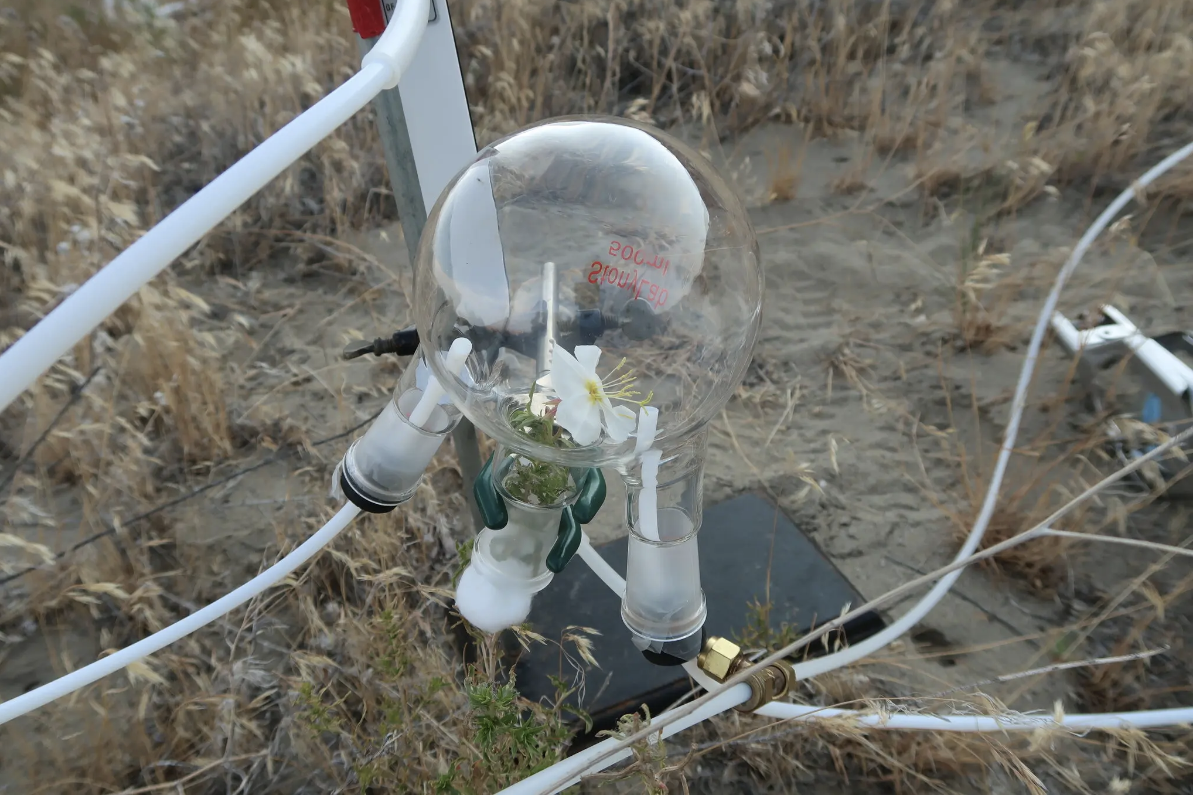
Dr. Riffell explains the sensitivity of hawk moths’ olfactory system, likening it to that of a dog’s. Through their experiments, the researchers identified 22 chemical compounds comprising the primrose scent, with particular attention to monoterpenes, which are crucial for attracting hawk moths.
To simulate the effects of pollution on flower fragrance, the scientists introduced ozone and nitrate radicals to the scent. While ozone exhibited some degradation of scent compounds, nitrate radicals proved significantly more damaging, leading to an 84 percent reduction in key moth attractants.
Further experiments conducted in wind tunnels and natural environments confirmed the detrimental impact of pollution on moth behavior and flower visitation rates. Flowers emitting a pollution-degraded fragrance received significantly fewer moth visits compared to those with an intact scent, potentially leading to a notable decrease in fruit production.
Dr. Riffell underscores the broader implications of their findings, suggesting that the problem extends beyond the specific interaction between hawk moths and primroses. Many pollinators rely on similar scent cues, indicating a potential widespread impact on ecological communities.
Through computational modeling, the researchers also estimate that pollution has drastically reduced scent-detection distances in cities worldwide since the preindustrial era, further emphasizing the pervasive nature of this issue.
In conclusion, the study highlights the intricate interplay between air pollution, floral fragrance, and pollinator behavior. By elucidating the profound effects of pollution on ecological systems, it underscores the urgent need for comprehensive strategies to mitigate air pollution and safeguard biodiversity.



.)