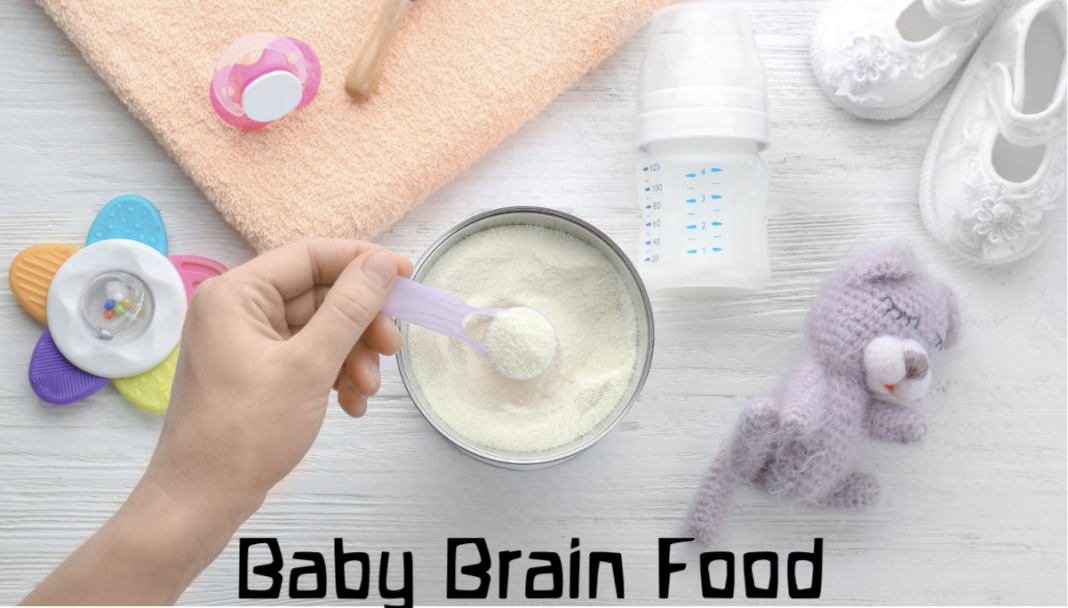


Proper nutrition is crucial for babies. It helps to grow muscle, and bone, and develop the brain correctly. Many baby formulas incorporate various ingredients that help to power up the brains of infants as well as nourish them as they grow up. Probably the most important ingredients that provide vital cognitive progress are omega-3 and omega-6. For example, the famous HiPP organic formula always includes them in its composition. Thus, it’s one of the crucial reasons why this very brand is so popular. We’ll review the role of omega-3 and omega-6 in baby formulas and how they impact brain development.
What Are Fatty Acids
Omega-3 and omega-6 are also called fatty acids or simply fats. They come in different forms, which are:
- Saturated
- Monounsaturated
- Polyunsaturated
- Trans fats, and others
Their primary health benefit is fostering the overall development of the growing brain. Mind that there are some other vital health benefits every child can reap. The EU baby formulas always include fatty acids in their compositions.
Development of Cognitive Functions

The primary health benefit for the brain of infants is the development of cognition. In fact, the main nutritional benefits of fatty acids come to infants during the mother’s pregnancy. So, it’s vital for every pregnant mom to take omega-3 and omega-6. Yet, the intake of these fatty acids is crucial after the child is born and continues to grow. They positively impact the development of various cognitive functions, such as:
- Thinking
- Moving
- Speaking
- Focusing
- Memorizing, etc.
As a result, fatty acids contribute to improved attention and planning. Children can focus on various details and plan their next moves logically. Omega also helps to maintain impulse control.
Improvement of Sleep
Several studies showed that omega-3 and omega-6 can potentially improve sleep in children. The studies showed clear progress in some infants. So, the administering of fatty acids may become a vital solution to all moms and dads whose children have violations in sleep regimes.
Possible Improvement of ADHD Symptoms
ADHD is a common condition affecting many children, characterized by problems with maintaining concentration on something for a long time. Such children are hyperactive and impulsive. Thanks to omega-3 and omega-6, there is a chance to reduce these symptoms or even stop them entirely.
Over 16 studies were carried out to investigate this theory, and the findings are quite promising. Fatty acids helped children:
- Enhance memory
- Stimulate attention
- Reduce hyperactivity
- Control impulsiveness
The evidence is clear. Fatty acids cannot be the only therapy for ADHD. Yet, they can be as a supplement to handle this mental deviation faster and more effectively.
Potential for Improved School Performance
As fatty acids have outstanding benefits for brain development, it’s no wonder scientists decided to check how they help children in learning. Thus, a study conducted in 2014 proved that the increase in memory, attention, thinking, and decision-making helped schoolers outperform their peers who did not take any fatty acids.
Can Help Avoid Allergies

As you know, allergic reactions are triggered in the human brain. Several studies proved that the use of fatty acids can help avoid various kinds of allergies because they block the negative impact of the allergens on our system and brain.
The Bottom Line
In summary, the evidence gathered from multiple studies proves the positive impact of omega-3 and omega-6 on the human brain. That is why all renowned EU baby formula makers add them to the composition of their products. They really help to develop the brain in newborns.