Turkish scientist faces jail for revealing cancer and nursing link

Professor Onur Hamzaoğlu could face jail time for publishing a report that found poisonous metals and cancer risk.


The House of Saud lived in a palace made from mud
Vernacular architecture, often seen in older homes around the world, represents a style of construction deeply rooted in the local environment and culture. Unlike architect-designed structures, vernacular buildings emerge from the resourcefulness of local builders, utilizing available materials and traditional knowledge to create functional, distinctive homes.
So, what exactly is vernacular architecture, and how has it evolved over time? Let’s delve into the practical aspects of this architectural style, with a focus on some examples from around the world.
Vernacular architecture is characterized by its simplicity and region-specific nature. It relies on local materials and craftsmanship, typically without the involvement of professional architects. Instead of adhering to rigid rules or pursuing aesthetic ideals, vernacular builders prioritize practicality and effectiveness, often using affordable, locally sourced materials.
Vernacular architecture traces its origins back to the earliest days of human settlement when people constructed basic shelters to meet their needs. In fact, some historians argue that most buildings erected before the mid-17th century could be considered vernacular, as they were not overseen by formal architects but crafted by local tradespeople using locally acquired skills.
The term ‘vernacular’ gained traction in the 19th century as colonialists encountered various building techniques in different parts of the world. Some architects of that era viewed these structures as quaint and unsophisticated compared to their own designs.
Over time, the term ‘vernacular architecture’ broadened its scope to encompass a wide range of architectural styles found not only abroad but also in Europe and the United States. In 1964, Bernard Rudofsky played a pivotal role in shedding light on these overlooked building traditions through an exhibition.
Vernacular architecture stands apart from other architectural styles due to its practical and context-driven nature. Some distinguishing features include:

This is vernacular architecture from the late 1880s in Northern Ontario, Commanda Region. Settlers obtained free land and bought a blueprint. No architect was involved in building the structure.
In contemporary times, constructing a truly authentic vernacular home can be challenging, given the prevalence of architect-led designs. However, you can still incorporate vernacular-inspired elements into your dwelling. Let’s explore some common examples from the United States and Canada:
Vernacular architecture may not always command attention for its architectural innovation, but it holds a significant place in the history of construction. These homes and structures are a testament to local ingenuity, sustainability, and a deep connection to the community. Exploring vernacular architecture offers valuable insights into the practicality and adaptability of traditional building styles.
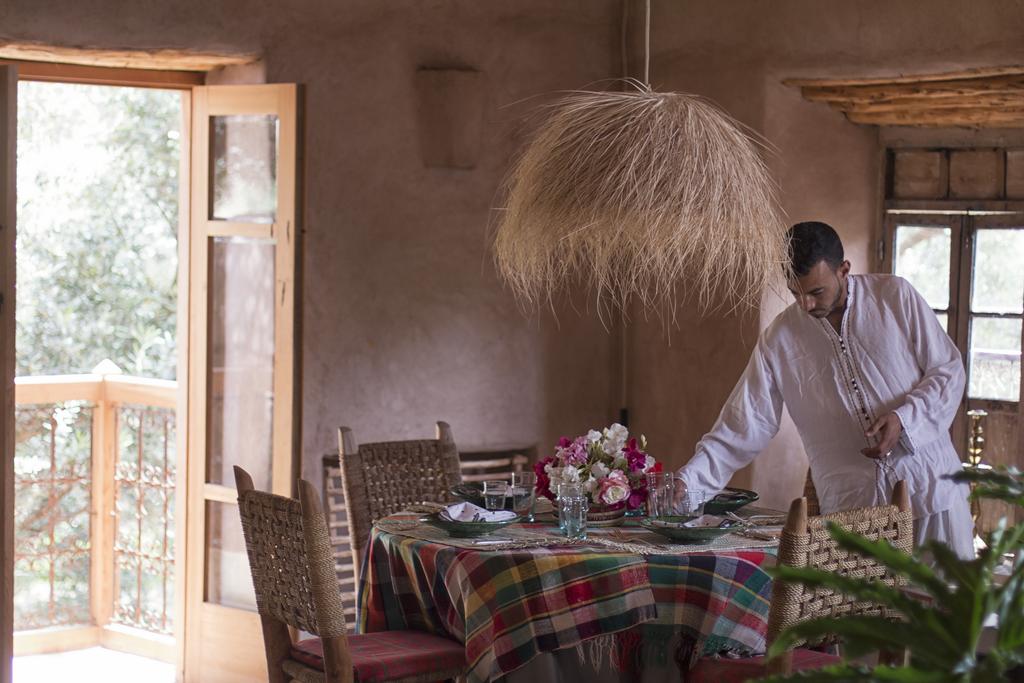
Inside a Berber home

Yemen’s Manhattan of the desert, vernacular architecture from the Middle East
In our era of towering skyscrapers in the United Arab Emirates, steel frames, and hard to insulate glass facades, it’s easy to overlook the humble wisdom embedded in vernacular architecture. Yet as advocates for sustainable living and building we believe that the vernacular approach to building deserves a place of prominence in our modern construction landscape.
The vernacular approach, rooted in local traditions and resourcefulness, offers a path towards sustainability that is often overshadowed by sleek, architect-driven designs. Here’s why sustainable architects should rekindle our appreciation for this time-tested approach:
As we confront the pressing challenges of climate change and peak sand, it’s time to reconsider the virtues of vernacular architecture. In a world where sustainability is no longer a choice but a necessity, we must draw inspiration from the past to build a more sustainable future. By incorporating the wisdom of vernacular building practices into our modern construction methods, we can forge a path towards a more harmonious and responsible coexistence with our planet. It’s not a step backward; it’s a leap forward toward a sustainable, resilient, and culturally rich future.
Professor Onur Hamzaoğlu could face jail time for publishing a report that found poisonous metals and cancer risk.

Hayat Sindi holds up the postage stamp-sized invention that could save the lives of millions of people Born in Saudi Arabia, Hayat Sindi’s path into science may be rather untraditional for a Muslim women but it is there she has excelled and developed technologies which could improve the health of people living in the developing […]

Climate change will disrupt every aspect of life in the next few decades, including the kernel of Middle Eastern culture. A Middle East without nuts is like Belgium without chocolate: virtually impossible to imagine. But a recent report published in the peer-reviewed journal PLoS ONE (hat tip to Grist) shows that warm (and warming) countries […]

Indianmeal moth larvae are frequently described as “worms” found in pantries and grocery stores. Biting into a chocolate Easter egg full of squiggly insects is high on the list of experiences no consumer ever wants to have. Sharjah Municipality in the United Arab Emirates recently responded to a consumer complaint that an Easter egg purchased […]
Meet billions of dollars in human capital and renewable energy finance at the EneR event in November. Morocco to invest 8 billion Euros in renewables over the next 8 years. Despite unrest in the Arab world, Morocco has remained a relatively stable environment socially and financially. As the first Arab country to make a serious […]

A lion cub belonging to a suspected criminal was shot dead during a police raid in Egypt The Egyptian police officers who raided the house of wanted suspect in the village of Kafr Essam in north Cairo were probably expecting some resistance but they definitely weren’t expecting a lion to be unleashed on them. According […]

What’s tasty and vegetarian today? Why, lentils. Of course. I once saw a weight-loss article that began with one word: “Lentils.” I had to smile, but must say I agree. At 230 calories (cooked) per cup, full of protein and dietary fiber, they’re a natural for weight watchers. But for anyone who likes to eat […]
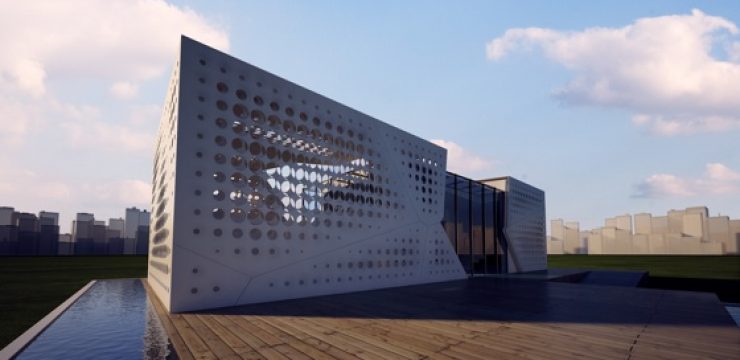
This beautiful solar-powered home could usher in Egypt’s period of healing, sustainably. Last year when I visited Egypt, it felt heavy. For three decades, Mubarak’s forces succeeded to subdue the once innovative Egyptian people. But in his absence, a palpable sense of hopefulness has returned. While many challenges remain, including rising temperatures, pollution, and insufficient energy […]
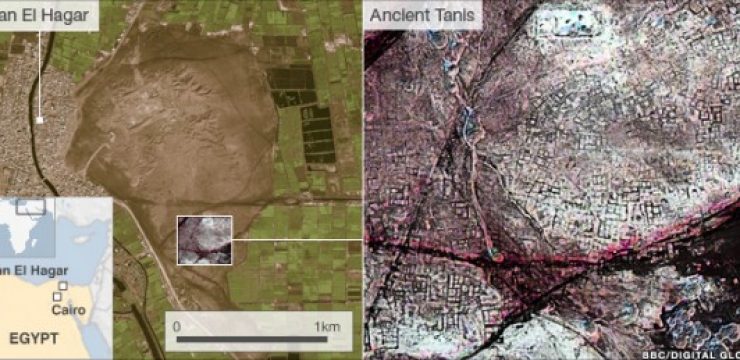
New infrared technology allows archaeologists to zero in on buried settlements, and 1,000 tombs. Seventeen mud brick pyramids are among the buried buildings revealed by infrared imagery over the past year. Dr. Sarah Parcak from the University of Alabama in Birmingham used satellites that hover 260km above earth to photograph once thriving Egyptian settlements engulfed […]