Eco travels to Oman, Morocco, Jordan, Tunisia and Israel
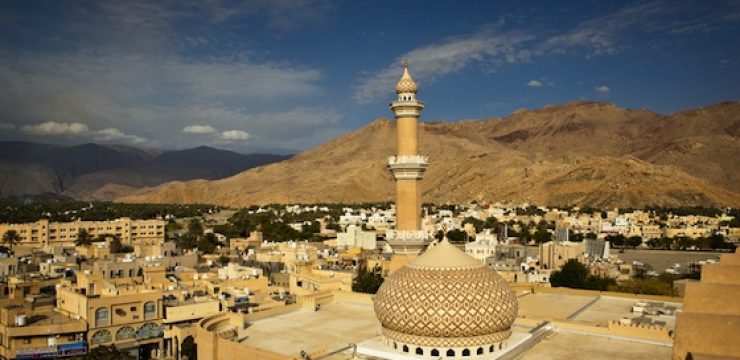
Trying to choose an eco adventure in the Middle East? These countries: Oman, Israel, Jordan, Tunisia and Morocco are your best bet.


The House of Saud lived in a palace made from mud
Vernacular architecture, often seen in older homes around the world, represents a style of construction deeply rooted in the local environment and culture. Unlike architect-designed structures, vernacular buildings emerge from the resourcefulness of local builders, utilizing available materials and traditional knowledge to create functional, distinctive homes.
So, what exactly is vernacular architecture, and how has it evolved over time? Let’s delve into the practical aspects of this architectural style, with a focus on some examples from around the world.
Vernacular architecture is characterized by its simplicity and region-specific nature. It relies on local materials and craftsmanship, typically without the involvement of professional architects. Instead of adhering to rigid rules or pursuing aesthetic ideals, vernacular builders prioritize practicality and effectiveness, often using affordable, locally sourced materials.
Vernacular architecture traces its origins back to the earliest days of human settlement when people constructed basic shelters to meet their needs. In fact, some historians argue that most buildings erected before the mid-17th century could be considered vernacular, as they were not overseen by formal architects but crafted by local tradespeople using locally acquired skills.
The term ‘vernacular’ gained traction in the 19th century as colonialists encountered various building techniques in different parts of the world. Some architects of that era viewed these structures as quaint and unsophisticated compared to their own designs.
Over time, the term ‘vernacular architecture’ broadened its scope to encompass a wide range of architectural styles found not only abroad but also in Europe and the United States. In 1964, Bernard Rudofsky played a pivotal role in shedding light on these overlooked building traditions through an exhibition.
Vernacular architecture stands apart from other architectural styles due to its practical and context-driven nature. Some distinguishing features include:

This is vernacular architecture from the late 1880s in Northern Ontario, Commanda Region. Settlers obtained free land and bought a blueprint. No architect was involved in building the structure.
In contemporary times, constructing a truly authentic vernacular home can be challenging, given the prevalence of architect-led designs. However, you can still incorporate vernacular-inspired elements into your dwelling. Let’s explore some common examples from the United States and Canada:
Vernacular architecture may not always command attention for its architectural innovation, but it holds a significant place in the history of construction. These homes and structures are a testament to local ingenuity, sustainability, and a deep connection to the community. Exploring vernacular architecture offers valuable insights into the practicality and adaptability of traditional building styles.
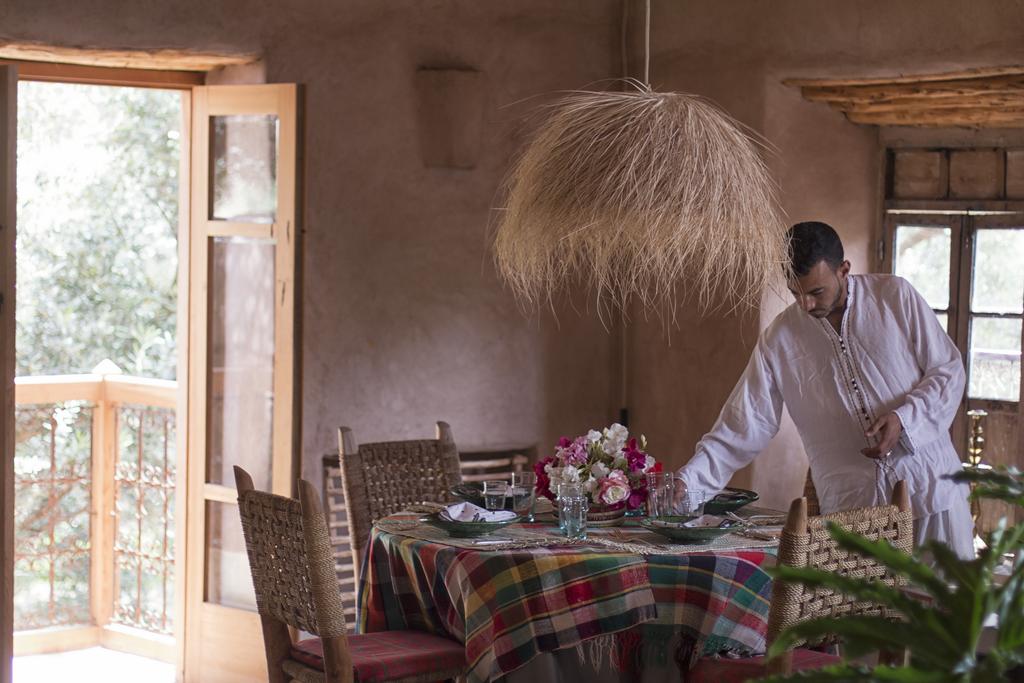
Inside a Berber home

Yemen’s Manhattan of the desert, vernacular architecture from the Middle East
In our era of towering skyscrapers in the United Arab Emirates, steel frames, and hard to insulate glass facades, it’s easy to overlook the humble wisdom embedded in vernacular architecture. Yet as advocates for sustainable living and building we believe that the vernacular approach to building deserves a place of prominence in our modern construction landscape.
The vernacular approach, rooted in local traditions and resourcefulness, offers a path towards sustainability that is often overshadowed by sleek, architect-driven designs. Here’s why sustainable architects should rekindle our appreciation for this time-tested approach:
As we confront the pressing challenges of climate change and peak sand, it’s time to reconsider the virtues of vernacular architecture. In a world where sustainability is no longer a choice but a necessity, we must draw inspiration from the past to build a more sustainable future. By incorporating the wisdom of vernacular building practices into our modern construction methods, we can forge a path towards a more harmonious and responsible coexistence with our planet. It’s not a step backward; it’s a leap forward toward a sustainable, resilient, and culturally rich future.
Trying to choose an eco adventure in the Middle East? These countries: Oman, Israel, Jordan, Tunisia and Morocco are your best bet.
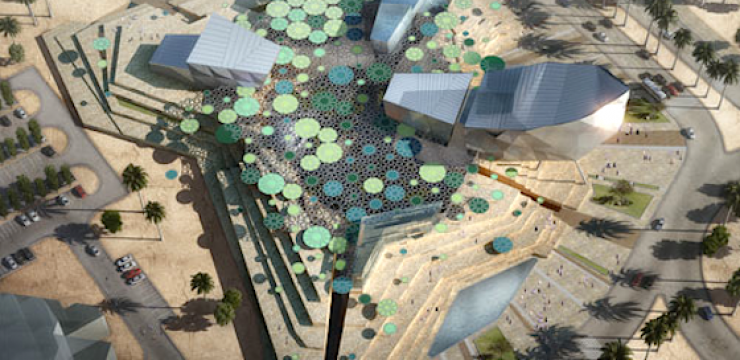
Kuwait is planning to build a city in the desert for 2,500 residents, and the Sabah Al-Ahmad Culture Center will be its nucleus. Albeit materially extravagant, BDP. has proposed a design that takes energy conservation very seriously. And in this relentlessly hot and humid seaside environment along the Gulf, that won’t be easy. Integrated with photovoltaic […]

A young child sits in a Haitian tent city – a temporary housing solution for displaced refugees. Thousands of African migrants will soon be moved to similar units in Israel’s Negev Desert to the dismay of local residents. Following a spate of violence against African migrants living in southern Tel Aviv, the Defense Ministry has […]

An illuminating article in Haaretz describes how certain industrious Israelis realized the marketing potential of khat juice – an exhilarating stimulant made from extracts of Catha edulis and other ingredients – and turned the potent drink into one of the most highly sought after drugs in all of Tel Aviv. Dafna Arad goes into significant detail […]

Pilgrims from Uzbekistan brought Ruz Bukhari with them long ago, as they traveled to Mecca and Medina. We're sure they traveled by camel caravan, but nowadays pilgrims make their haj in all kinds of ways, even by bike. Along the way, the recipe infiltrated borders, as recipes tend to do, with Pakistan, Afganistan, and Arabic countries, eventually reaching Yemen.

Researchers discover the negative link between Palm plantations, nesting birds and manta ray populations. Over meals and sunset chats at a remote research station in Palmyra Atoll in the Pacific, a group of researchers from Stanford University discover one of the longest ecological interactions ever documented. While Douglas McCauley and Paul DeSalles were tracking manta ray movements […]

Doctors at the Memorial Hospital, Istanbul, help patients’ recovery with soulful music. In the Intensive Care unit, Dr. Erol Can puts a flute to his lips. He is wearing blue hospital scrubs and his stethoscope still hangs around his neck. Propped up in bed and connected to an oxygen tank, a patient listens as the […]

Air pollution is one of many environmental factors that impact public health. But doctors aren’t learning about this, finds new Israeli study. According to a new study by Israeli medical students, doctors in the United States, Israel and Europe are receiving inadequate environmental health education. The study, titled “Our Health and Environment,” was sponsored by […]
Israel’s national water company, Mekorot (who we’ve interviewed here), is expanding with projects across the globe. It will build and operate two desalination plants in Cyprus to supply almost half of the country’s drinking water. Also on the horizon is a $180 million deal to build a water filtering facility along the La Plata River […]