The Secrets of Longevity in Ikaria, Greece

Ikarians drink herbal teas every day, made from plants grown around their homes and in the wild


The House of Saud lived in a palace made from mud
Vernacular architecture, often seen in older homes around the world, represents a style of construction deeply rooted in the local environment and culture. Unlike architect-designed structures, vernacular buildings emerge from the resourcefulness of local builders, utilizing available materials and traditional knowledge to create functional, distinctive homes.
So, what exactly is vernacular architecture, and how has it evolved over time? Let’s delve into the practical aspects of this architectural style, with a focus on some examples from around the world.
Vernacular architecture is characterized by its simplicity and region-specific nature. It relies on local materials and craftsmanship, typically without the involvement of professional architects. Instead of adhering to rigid rules or pursuing aesthetic ideals, vernacular builders prioritize practicality and effectiveness, often using affordable, locally sourced materials.
Vernacular architecture traces its origins back to the earliest days of human settlement when people constructed basic shelters to meet their needs. In fact, some historians argue that most buildings erected before the mid-17th century could be considered vernacular, as they were not overseen by formal architects but crafted by local tradespeople using locally acquired skills.
The term ‘vernacular’ gained traction in the 19th century as colonialists encountered various building techniques in different parts of the world. Some architects of that era viewed these structures as quaint and unsophisticated compared to their own designs.
Over time, the term ‘vernacular architecture’ broadened its scope to encompass a wide range of architectural styles found not only abroad but also in Europe and the United States. In 1964, Bernard Rudofsky played a pivotal role in shedding light on these overlooked building traditions through an exhibition.
Vernacular architecture stands apart from other architectural styles due to its practical and context-driven nature. Some distinguishing features include:

This is vernacular architecture from the late 1880s in Northern Ontario, Commanda Region. Settlers obtained free land and bought a blueprint. No architect was involved in building the structure.
In contemporary times, constructing a truly authentic vernacular home can be challenging, given the prevalence of architect-led designs. However, you can still incorporate vernacular-inspired elements into your dwelling. Let’s explore some common examples from the United States and Canada:
Vernacular architecture may not always command attention for its architectural innovation, but it holds a significant place in the history of construction. These homes and structures are a testament to local ingenuity, sustainability, and a deep connection to the community. Exploring vernacular architecture offers valuable insights into the practicality and adaptability of traditional building styles.
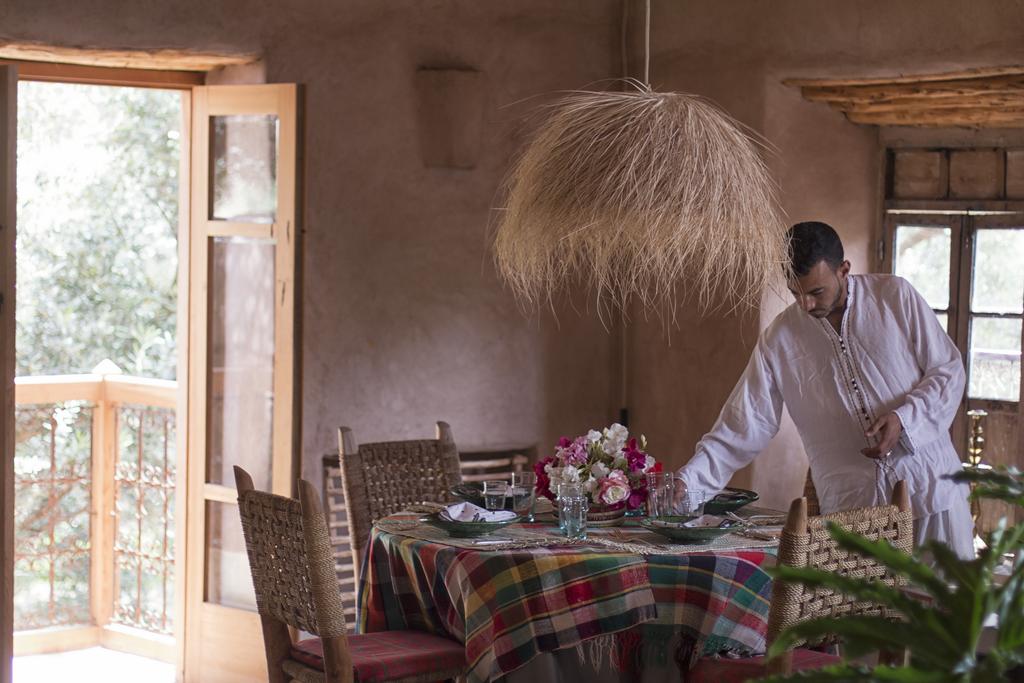
Inside a Berber home

Yemen’s Manhattan of the desert, vernacular architecture from the Middle East
In our era of towering skyscrapers in the United Arab Emirates, steel frames, and hard to insulate glass facades, it’s easy to overlook the humble wisdom embedded in vernacular architecture. Yet as advocates for sustainable living and building we believe that the vernacular approach to building deserves a place of prominence in our modern construction landscape.
The vernacular approach, rooted in local traditions and resourcefulness, offers a path towards sustainability that is often overshadowed by sleek, architect-driven designs. Here’s why sustainable architects should rekindle our appreciation for this time-tested approach:
As we confront the pressing challenges of climate change and peak sand, it’s time to reconsider the virtues of vernacular architecture. In a world where sustainability is no longer a choice but a necessity, we must draw inspiration from the past to build a more sustainable future. By incorporating the wisdom of vernacular building practices into our modern construction methods, we can forge a path towards a more harmonious and responsible coexistence with our planet. It’s not a step backward; it’s a leap forward toward a sustainable, resilient, and culturally rich future.
Ikarians drink herbal teas every day, made from plants grown around their homes and in the wild

As the world continues its shift toward more sustainable modes of transportation, the electric vehicle (EV) market is growing, with new models for 2025 setting new standards in performance, technology, and eco-friendliness. Whether you're a seasoned EV enthusiast or a newcomer to the electric car world, 2025 promises to bring exciting options for every driver.

By choosing an electric car, you’re not just supporting a brand or a CEO. You’re making a statement about the future you want to create. A future with cleaner air, healthier communities, and less pollution. You’re helping reduce harmful brake dust, which poses a hidden health risk to millions of people. And you’re reducing the demand for fossil fuels, contributing to a broader movement toward renewable energy and environmental sustainability.

Tea cultivation, beloved globally, thrives in fertile, acidic soils. However, the overuse of chemical fertilizers has led to soil degradation, negatively affecting both the yield and quality of tea. Intercropping—growing multiple crops together—has emerged as a potential solution to enhance soil health and mitigate environmental damage. This is also known as permaculture.

Every community’s recycling system has its own set of guidelines, and some may be stricter than others. It’s always worth checking in with your local service provider for clarity, and many municipal programs are happy to provide written instructions. If you find that your local system doesn’t handle an item reach out to your local eco NGOs to get something started - maybe a new business opportunity

A new study published in Risk Analysis found that bioaerosol concentrations of two bacteria -- Escherichia coli (E. coli) and Staphylococcus aureus (S. aureus) -- exceeded acceptable levels established by the Centers for Disease Control (CDC) after toilet flushing. Inhaling these biological particles can produce symptoms like abdominal cramps, nausea, diarrhea, and vomiting.

Google has been working to integrate sustainability across its products and services. For example, the company announced a goal to achieve net-zero carbon emissions by 2030, which includes their data centers and cloud services. As part of this mission, Google has also partnered with organizations and businesses to help them develop sustainable practices and improve energy efficiency

As consumers grow increasingly concerned about sustainability, the banking sector is shifting toward greener alternatives. Neobanks are leading this charge by leveraging technology, reducing waste, and aligning their investments with environmentally responsible initiatives.

The dangers of smoking aren’t new—but emerging research is now pointing to a shocking link between heavy smoking and unexplained strokes in younger adults, especially men aged 45 to 49.