Dung beetles navigate by the stars

This is the first time celestial navigation has been seen in insects but the scientists believe it is common.


The House of Saud lived in a palace made from mud
Vernacular architecture, often seen in older homes around the world, represents a style of construction deeply rooted in the local environment and culture. Unlike architect-designed structures, vernacular buildings emerge from the resourcefulness of local builders, utilizing available materials and traditional knowledge to create functional, distinctive homes.
So, what exactly is vernacular architecture, and how has it evolved over time? Let’s delve into the practical aspects of this architectural style, with a focus on some examples from around the world.
Vernacular architecture is characterized by its simplicity and region-specific nature. It relies on local materials and craftsmanship, typically without the involvement of professional architects. Instead of adhering to rigid rules or pursuing aesthetic ideals, vernacular builders prioritize practicality and effectiveness, often using affordable, locally sourced materials.
Vernacular architecture traces its origins back to the earliest days of human settlement when people constructed basic shelters to meet their needs. In fact, some historians argue that most buildings erected before the mid-17th century could be considered vernacular, as they were not overseen by formal architects but crafted by local tradespeople using locally acquired skills.
The term ‘vernacular’ gained traction in the 19th century as colonialists encountered various building techniques in different parts of the world. Some architects of that era viewed these structures as quaint and unsophisticated compared to their own designs.
Over time, the term ‘vernacular architecture’ broadened its scope to encompass a wide range of architectural styles found not only abroad but also in Europe and the United States. In 1964, Bernard Rudofsky played a pivotal role in shedding light on these overlooked building traditions through an exhibition.
Vernacular architecture stands apart from other architectural styles due to its practical and context-driven nature. Some distinguishing features include:

This is vernacular architecture from the late 1880s in Northern Ontario, Commanda Region. Settlers obtained free land and bought a blueprint. No architect was involved in building the structure.
In contemporary times, constructing a truly authentic vernacular home can be challenging, given the prevalence of architect-led designs. However, you can still incorporate vernacular-inspired elements into your dwelling. Let’s explore some common examples from the United States and Canada:
Vernacular architecture may not always command attention for its architectural innovation, but it holds a significant place in the history of construction. These homes and structures are a testament to local ingenuity, sustainability, and a deep connection to the community. Exploring vernacular architecture offers valuable insights into the practicality and adaptability of traditional building styles.
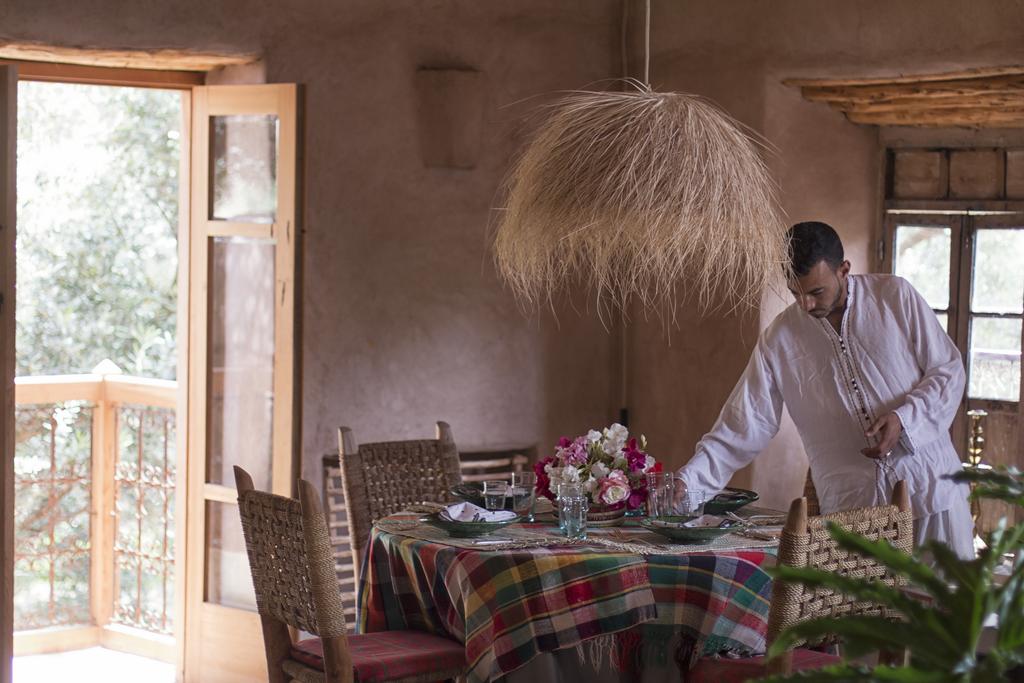
Inside a Berber home

Yemen’s Manhattan of the desert, vernacular architecture from the Middle East
In our era of towering skyscrapers in the United Arab Emirates, steel frames, and hard to insulate glass facades, it’s easy to overlook the humble wisdom embedded in vernacular architecture. Yet as advocates for sustainable living and building we believe that the vernacular approach to building deserves a place of prominence in our modern construction landscape.
The vernacular approach, rooted in local traditions and resourcefulness, offers a path towards sustainability that is often overshadowed by sleek, architect-driven designs. Here’s why sustainable architects should rekindle our appreciation for this time-tested approach:
As we confront the pressing challenges of climate change and peak sand, it’s time to reconsider the virtues of vernacular architecture. In a world where sustainability is no longer a choice but a necessity, we must draw inspiration from the past to build a more sustainable future. By incorporating the wisdom of vernacular building practices into our modern construction methods, we can forge a path towards a more harmonious and responsible coexistence with our planet. It’s not a step backward; it’s a leap forward toward a sustainable, resilient, and culturally rich future.
This is the first time celestial navigation has been seen in insects but the scientists believe it is common.

The Jewish version of Arbor Day Tu B’Shevat is more relevant today than ever. Transformed from a general agricultural holiday into a dedicated arboreal conservation initiative in the early 1900’s, this celebration takes place towards the end of January during the Hebrew month of Shevat. This holiday addresses the travesty that trees previously revered by […]

Joseph’s lungs didn’t like the return to polluted Cairo. It caused a dangerous bout of asthma. Returning to the city I have lived for more than a decade this January, Cairo, I was definitely not expecting to end up at the doctor’s office with days of near constant asthma problems. After 10 years, one would think […]

The Egyptian government announced earlier this week that a plan to bridge the distance between Egypt and Saudi Arabia across the Gulf of Aqaba is going to become reality in the very near future. A longstanding proposal previously rejected by former President Hosni Mubarak, a bridge linking the Sinai Peninsula and Saudi Arabia is expected […]
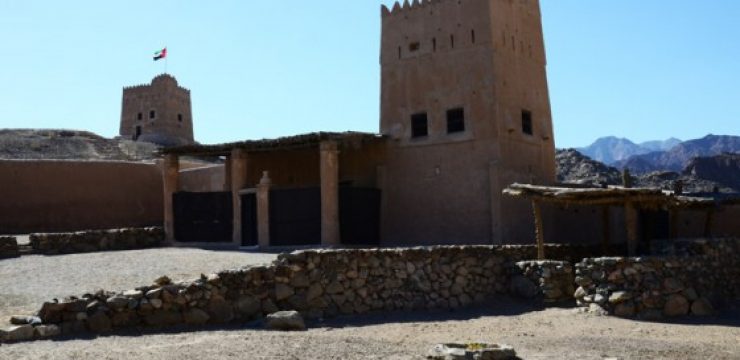
Just two hour’s drive east of Dubai, the Al Hayl Fort or Palace paints a succinct picture of Emirati life before artificial islands and enormous skyscrapers became “normal.” Located in a wadi among the Hajar mountains, the remarkable earthen compound was built in 1932 by then ruler of Fujairah Sheikh Abdullah Bin Hamdan. It’s a […]

Humans have been plucking the fruit off olive trees for over 10,000 years, so it’s no surprise we’ve found creative ways to use olives and their oils. They’re native to the Mediterranean-basin, and probably first domesticated in Crete, but who first hatched the recipe for extracting olives’ oils remains an mystery. We know the stuff is tasty, and […]

The Jewish holiday of Tu B’Shvat, a day especially loved by children, is a special eco-day in Israel. Celebrate it with a fruity feast. It’s true, a few days before the Jewish holiday of Tu B’Shvat occurs, the almond trees in Israel begin to shake blossoms out along their branches. Travelers along the Tel-Aviv-Jerusalem highway […]

Following the inauguration of Suntech’s new research centre in Arava, we speak to their Chief Technology Officer (pictured centre) about the future of renewables in the Middle East As one of the largest producers of solar panels, Suntech is undoubtedly a world player. In Israel alone, out of a total of 220 solar megawatts produced, […]

Most residents of the Middle East, North Africa and the Arabian Gulf believe that in order to live an eco-friendly life, it is necessary to move to some shack out in the desert with no running water or electricity. But what actually passes for a sustainable dwelling in the region has changed in the last […]