The “Arabian Canal” is a Defunct Water Conduit in Dubai
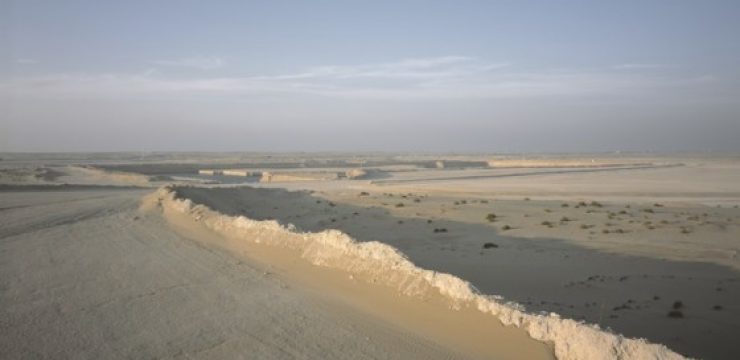
In my last post I featured a photograph of an unused structure out in the desert near Dubai, a concrete amphitheatre. It turns out there was more to explore.


The House of Saud lived in a palace made from mud
Vernacular architecture, often seen in older homes around the world, represents a style of construction deeply rooted in the local environment and culture. Unlike architect-designed structures, vernacular buildings emerge from the resourcefulness of local builders, utilizing available materials and traditional knowledge to create functional, distinctive homes.
So, what exactly is vernacular architecture, and how has it evolved over time? Let’s delve into the practical aspects of this architectural style, with a focus on some examples from around the world.
Vernacular architecture is characterized by its simplicity and region-specific nature. It relies on local materials and craftsmanship, typically without the involvement of professional architects. Instead of adhering to rigid rules or pursuing aesthetic ideals, vernacular builders prioritize practicality and effectiveness, often using affordable, locally sourced materials.
Vernacular architecture traces its origins back to the earliest days of human settlement when people constructed basic shelters to meet their needs. In fact, some historians argue that most buildings erected before the mid-17th century could be considered vernacular, as they were not overseen by formal architects but crafted by local tradespeople using locally acquired skills.
The term ‘vernacular’ gained traction in the 19th century as colonialists encountered various building techniques in different parts of the world. Some architects of that era viewed these structures as quaint and unsophisticated compared to their own designs.
Over time, the term ‘vernacular architecture’ broadened its scope to encompass a wide range of architectural styles found not only abroad but also in Europe and the United States. In 1964, Bernard Rudofsky played a pivotal role in shedding light on these overlooked building traditions through an exhibition.
Vernacular architecture stands apart from other architectural styles due to its practical and context-driven nature. Some distinguishing features include:

This is vernacular architecture from the late 1880s in Northern Ontario, Commanda Region. Settlers obtained free land and bought a blueprint. No architect was involved in building the structure.
In contemporary times, constructing a truly authentic vernacular home can be challenging, given the prevalence of architect-led designs. However, you can still incorporate vernacular-inspired elements into your dwelling. Let’s explore some common examples from the United States and Canada:
Vernacular architecture may not always command attention for its architectural innovation, but it holds a significant place in the history of construction. These homes and structures are a testament to local ingenuity, sustainability, and a deep connection to the community. Exploring vernacular architecture offers valuable insights into the practicality and adaptability of traditional building styles.
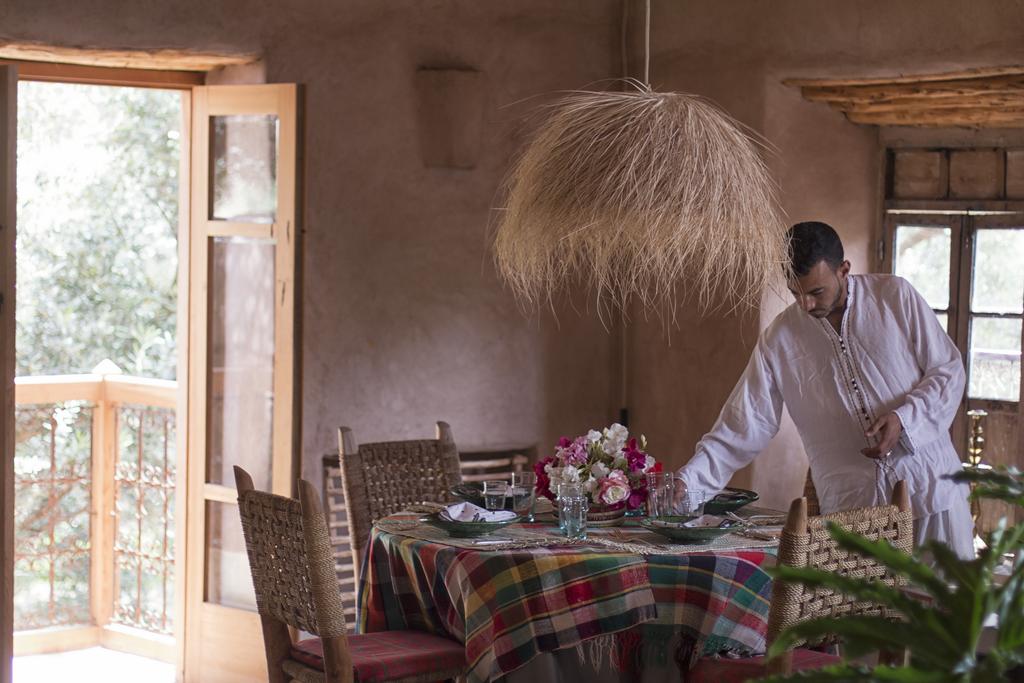
Inside a Berber home

Yemen’s Manhattan of the desert, vernacular architecture from the Middle East
In our era of towering skyscrapers in the United Arab Emirates, steel frames, and hard to insulate glass facades, it’s easy to overlook the humble wisdom embedded in vernacular architecture. Yet as advocates for sustainable living and building we believe that the vernacular approach to building deserves a place of prominence in our modern construction landscape.
The vernacular approach, rooted in local traditions and resourcefulness, offers a path towards sustainability that is often overshadowed by sleek, architect-driven designs. Here’s why sustainable architects should rekindle our appreciation for this time-tested approach:
As we confront the pressing challenges of climate change and peak sand, it’s time to reconsider the virtues of vernacular architecture. In a world where sustainability is no longer a choice but a necessity, we must draw inspiration from the past to build a more sustainable future. By incorporating the wisdom of vernacular building practices into our modern construction methods, we can forge a path towards a more harmonious and responsible coexistence with our planet. It’s not a step backward; it’s a leap forward toward a sustainable, resilient, and culturally rich future.
In my last post I featured a photograph of an unused structure out in the desert near Dubai, a concrete amphitheatre. It turns out there was more to explore.
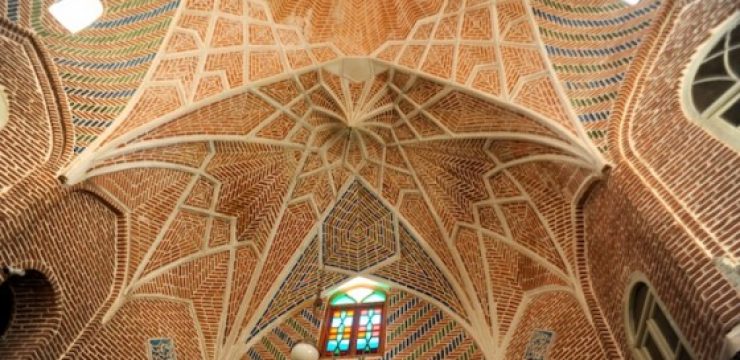
President of Portugal Aníbal Cavaco Silva and the Aga Khan presented this year’s Aga Khan Awards for Architecture at the Castle of São Jorge in Lisbon on Friday.
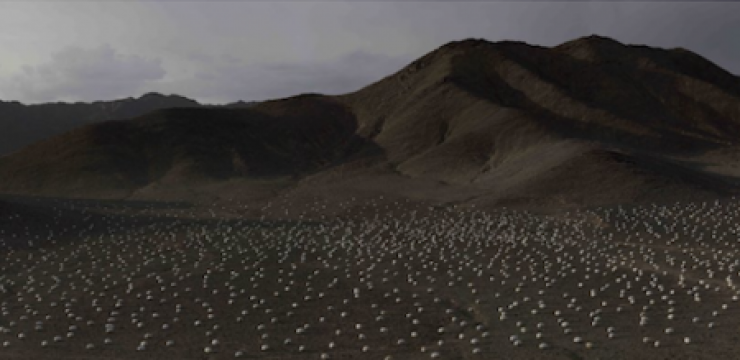
There is something so haunting about desert landscapes, and much as we love our own in the Middle East region, we are blown away by China’s desert scenes depicted through Shi Shaoping’s “The Eggs” art installation.
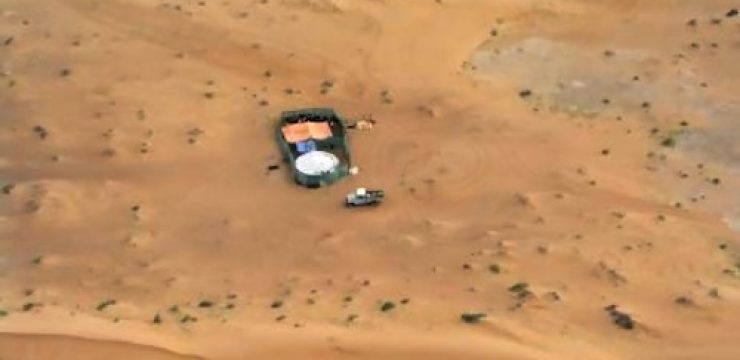
Agricultural scientist Tony Rinaudo is behind one of the world’s most successful reverse desertification projects – in Niger, and now he thinks a similar underground forest might exist in the Arabian desert outside of Dubai.
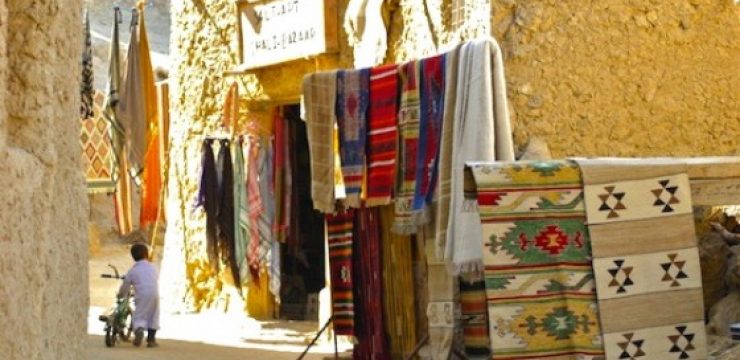
For outsiders, SIWA oasis in Egypt is a wonderful place to visit precisely because “civilization” has been so slow to arrive there. But for locals, the gift of a new 20MW solar energy plant will be received like a mountain of gold.
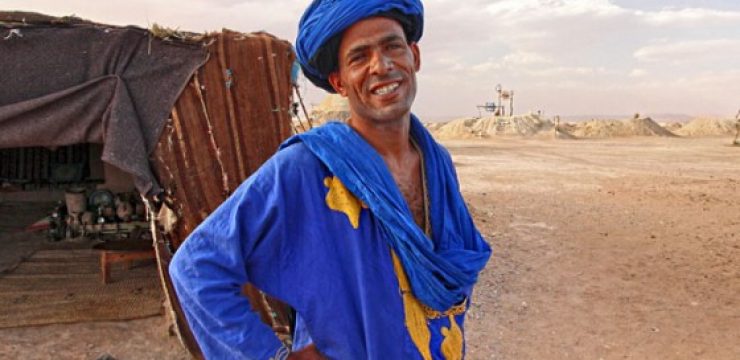
Severed goat heads, bloody and besieged by flies, lay side-by-side on a butcher’s slab. A dozen lethal serpents, coiled and poised to strike, wove back and forth before a snake charmer in the Marrakech souk.

Richard Branson’s recent commitment to this year’s Zayed Future Energy Prize jury speaks volumes not only about Abu Dhabi’s leadership in energy innovation, but also the faith world leaders place in the emirate’s (many) initiatives.

The Jewish New Year 5774 starts at sundown tonight, Wednesday September 4th, and ends on the night of Thursday the 5th. On the first night, families sit together and enjoy a meal rich in delicious symbolism, as we explained in this post. Carrots are a more interesting vegetable than one would suspect. They’re also one […]
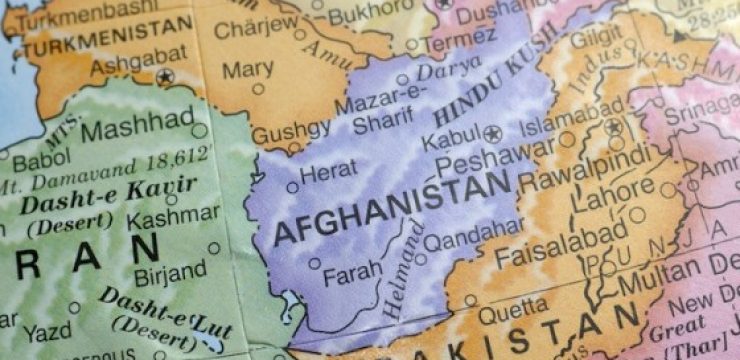
A group of Afghan policemen have been arrested after one of them killed a group of six boys while fishing with a rocket-propelled grenade, the New York Times reports. Three of them were related to the mayor of Drumbak village, where the incident took place.