Security Hampers Pakistan Quake Efforts
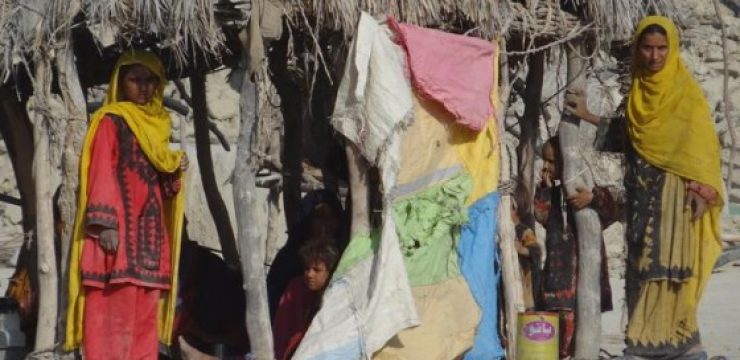
En route to aid thousands of people injured and displaced by a devastating earthquake in Pakistan that killed at least 350 people on Tuesday, a military helicopter dodged two rockets fired from the ground.


The House of Saud lived in a palace made from mud
Vernacular architecture, often seen in older homes around the world, represents a style of construction deeply rooted in the local environment and culture. Unlike architect-designed structures, vernacular buildings emerge from the resourcefulness of local builders, utilizing available materials and traditional knowledge to create functional, distinctive homes.
So, what exactly is vernacular architecture, and how has it evolved over time? Let’s delve into the practical aspects of this architectural style, with a focus on some examples from around the world.
Vernacular architecture is characterized by its simplicity and region-specific nature. It relies on local materials and craftsmanship, typically without the involvement of professional architects. Instead of adhering to rigid rules or pursuing aesthetic ideals, vernacular builders prioritize practicality and effectiveness, often using affordable, locally sourced materials.
Vernacular architecture traces its origins back to the earliest days of human settlement when people constructed basic shelters to meet their needs. In fact, some historians argue that most buildings erected before the mid-17th century could be considered vernacular, as they were not overseen by formal architects but crafted by local tradespeople using locally acquired skills.
The term ‘vernacular’ gained traction in the 19th century as colonialists encountered various building techniques in different parts of the world. Some architects of that era viewed these structures as quaint and unsophisticated compared to their own designs.
Over time, the term ‘vernacular architecture’ broadened its scope to encompass a wide range of architectural styles found not only abroad but also in Europe and the United States. In 1964, Bernard Rudofsky played a pivotal role in shedding light on these overlooked building traditions through an exhibition.
Vernacular architecture stands apart from other architectural styles due to its practical and context-driven nature. Some distinguishing features include:

This is vernacular architecture from the late 1880s in Northern Ontario, Commanda Region. Settlers obtained free land and bought a blueprint. No architect was involved in building the structure.
In contemporary times, constructing a truly authentic vernacular home can be challenging, given the prevalence of architect-led designs. However, you can still incorporate vernacular-inspired elements into your dwelling. Let’s explore some common examples from the United States and Canada:
Vernacular architecture may not always command attention for its architectural innovation, but it holds a significant place in the history of construction. These homes and structures are a testament to local ingenuity, sustainability, and a deep connection to the community. Exploring vernacular architecture offers valuable insights into the practicality and adaptability of traditional building styles.
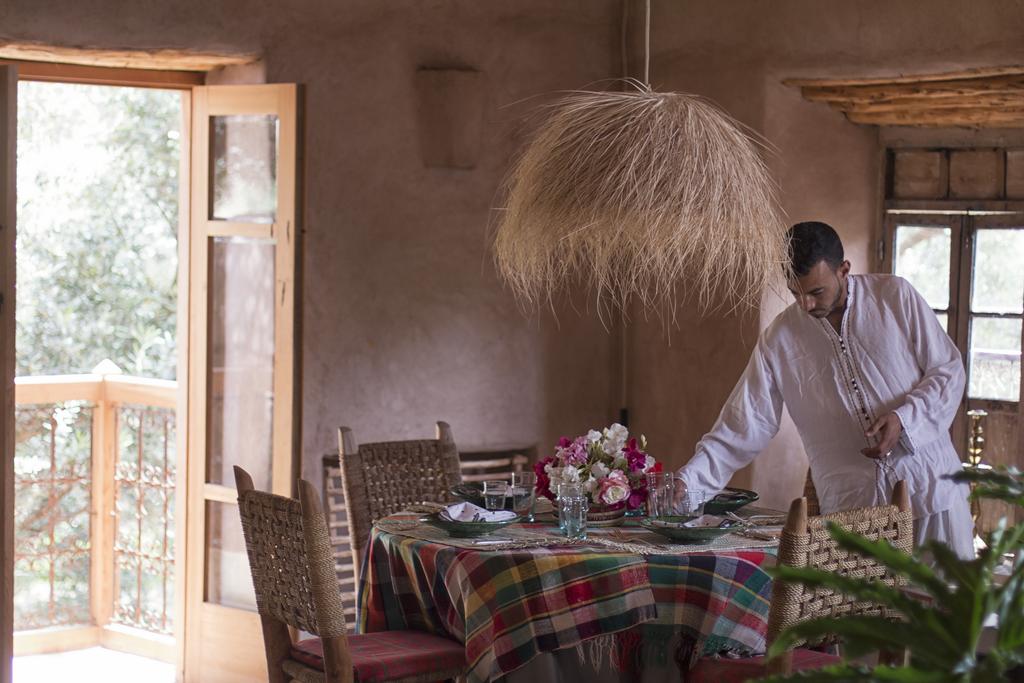
Inside a Berber home

Yemen’s Manhattan of the desert, vernacular architecture from the Middle East
In our era of towering skyscrapers in the United Arab Emirates, steel frames, and hard to insulate glass facades, it’s easy to overlook the humble wisdom embedded in vernacular architecture. Yet as advocates for sustainable living and building we believe that the vernacular approach to building deserves a place of prominence in our modern construction landscape.
The vernacular approach, rooted in local traditions and resourcefulness, offers a path towards sustainability that is often overshadowed by sleek, architect-driven designs. Here’s why sustainable architects should rekindle our appreciation for this time-tested approach:
As we confront the pressing challenges of climate change and peak sand, it’s time to reconsider the virtues of vernacular architecture. In a world where sustainability is no longer a choice but a necessity, we must draw inspiration from the past to build a more sustainable future. By incorporating the wisdom of vernacular building practices into our modern construction methods, we can forge a path towards a more harmonious and responsible coexistence with our planet. It’s not a step backward; it’s a leap forward toward a sustainable, resilient, and culturally rich future.
En route to aid thousands of people injured and displaced by a devastating earthquake in Pakistan that killed at least 350 people on Tuesday, a military helicopter dodged two rockets fired from the ground.

Almost as soon as Qatar won the bid to host the 2022 World Cup with a suite of swanky solar-powered stadiums, activists started clambering about the emirate’s terrible working conditions. Turn’s out, their warnings were dead on.
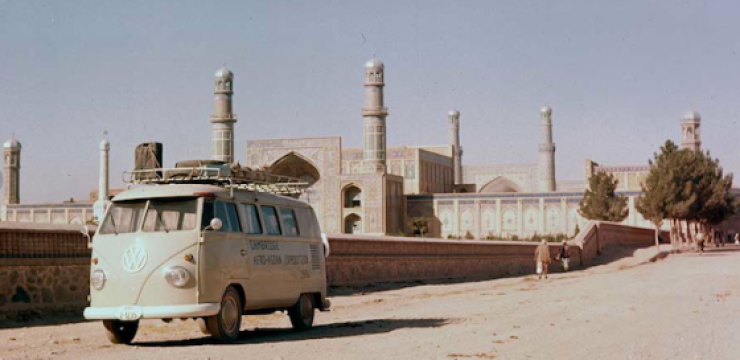
Volkswagen’s “hippie van” was the preferred mode of transportation for peace lovers during the 1960s, but Brazil is shutting down the last production line this year to meet rigorous new safety requirements. See our nostalgic photo tour of VW vans in the Middle East.
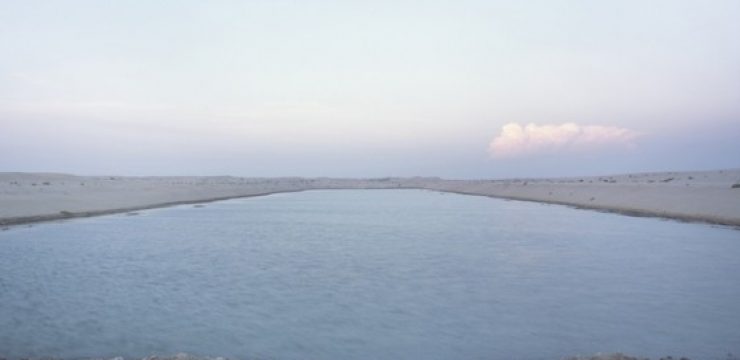
In my last post I described how I had discovered the remains of a defunct development known as the ‘Arabian Canal’ in the desert some 30km outside Dubai. This time I’m featuring one of these remaining waterways which is still, mysteriously, flooded, despite having been abandoned some 4 years ago.

We interviewed Karl Amman about illegal wildlife trafficking at the Westgate Mall in Nairobi about two years ago. Since then, increasingly violent poaching incidents have been linked to terrorist groups such as al-Shabaab, which recently claimed responsibility for an armed attack on the Israeli-built shopping center in Kenya.

Sharks hauled from the Persian Gulf provide fodder for shark fin soup in Hong Kong, and the endangered bluefin tuna is popular there too. But now the government has instituted a new ban that could reduce consumption of both.

Slated for a site 36 miles west of Blythe, California, the 500MW Palen Solar Plant – a collaborative project between BrightSource Energy and Abengoa Solar – is meeting resistance from critics concerned about its light pollution.

The sun’s magnetic north and south magnetic poles are expected to reverse over the next few months. We’ve witnessed only a few such reversals and are not entirely sure what effects they may cause. Read more for an explanation of what we do know about solar and terrestrial magnetic field reversals.

They squirt, spray and lather. Some even give lifesaving bursts of medicine. But truth be told, the aerosol spray container hasn’t changed much in the last 60 years, says Gadi Har-Shai, CEO of the Israeli startup GreenSpense. Traditional aerosols are polluting and dangerous. So he invented a new alternative, the eco-sleeve, using nanotechnology.