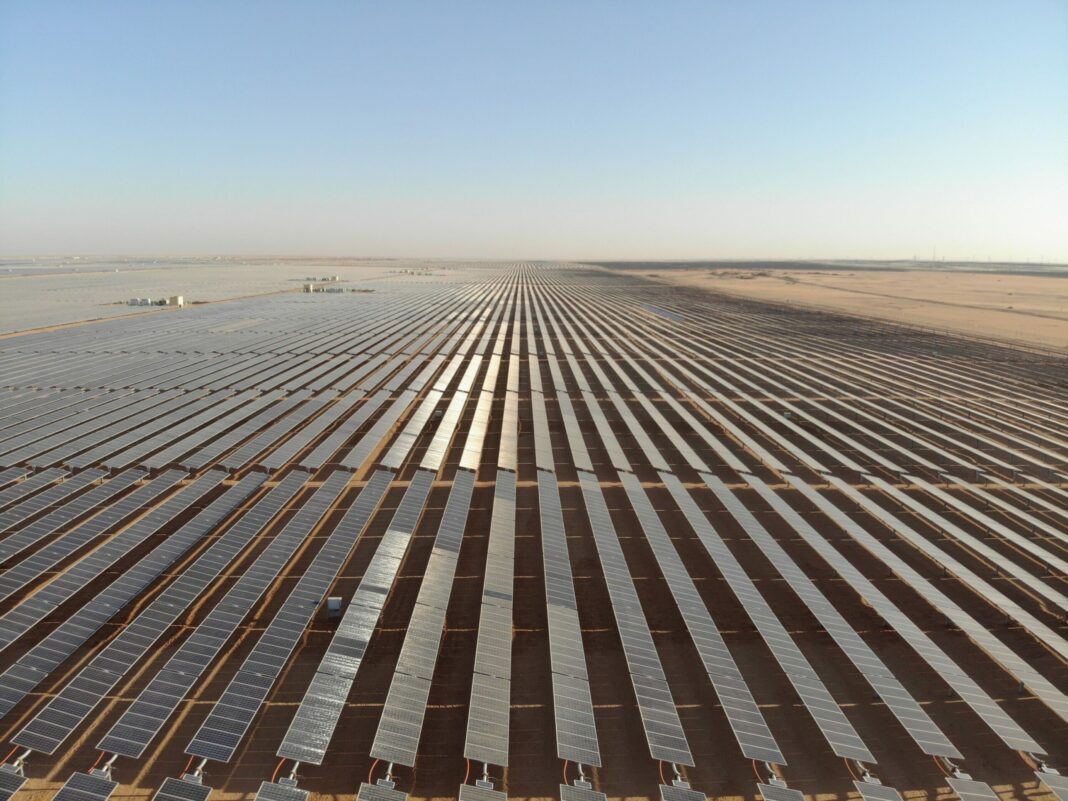
Egypt’s Ministry of Electricity and Renewable Energy, the Egyptian Electricity Transmission Company, and a consortium comprising Infinity Power and Hassan Allam Utilities Energy Platform signed an agreement to jointly develop solar power projects at Benban Solar, one of the world’s largest solar energy parks in Egypt. The new project will be a total installed capacity of 1.2GW of solar energy, coupled with the construction of a 720MWh battery energy storage system.
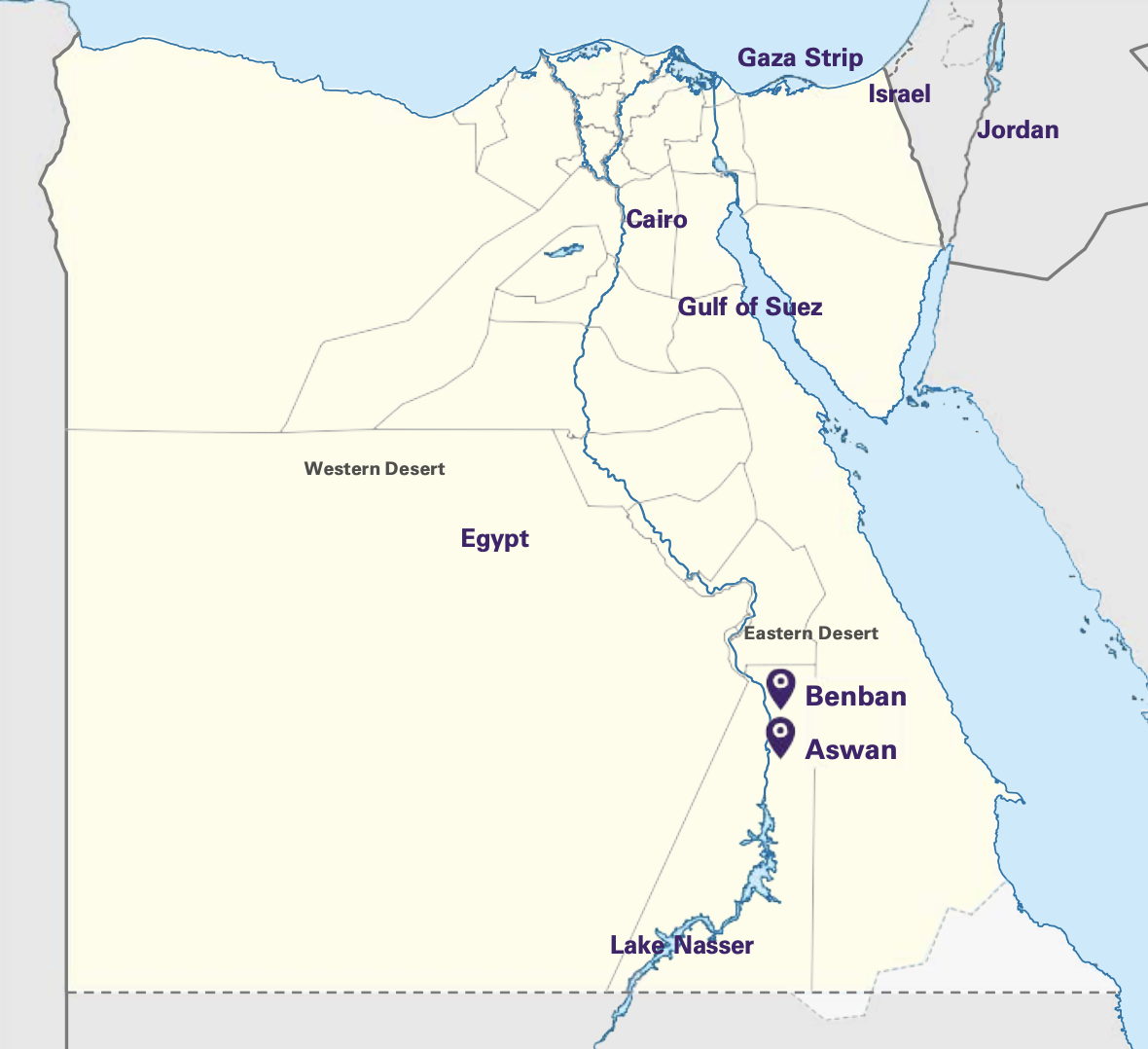
According to the agreement, the project will be advanced in two phases across different regions of Egypt. The first phase involves building a new 200MW solar power plant with a supporting 120MWh energy storage system in the Benban Solar Park, Aswan area. This solar park already provides power to about 1 million Egyptian homes.
The new plant is scheduled to commence commercial operation in the third quarter of 2026.
The second phase of the project will construct a larger 1GW solar facility in Minya Governorate area of Egypt, equipped with 600MWh of storage capacity, targeting grid connection in the third quarter of 2027.
Egypt’s Minister of Electricity, Mahmoud Esmat, stated during the signing ceremony that the project’s large-scale energy storage facilities will effectively enhance the grid’s peak shaving and valley filling capabilities, providing crucial technical support for the large-scale integration of renewable energy.
Infinity Power is a joint venture between Egypt’s Infinity and the UAE’s Masdar, a global investor in renewable energy. Both partners already have operational project experience within the Benban park. Hassan Allam Utilities Energy Platform is co-controlled by the European Bank for Reconstruction and Development and currently manages 2.3GW of projects under construction and a 1.65GW project pipeline, covering renewable energy sectors like wind and solar power.
This project aligns closely with Egypt’s renewable energy development strategy. It is reported that Egypt’s allocation for the electricity and renewable energy sector in the 2025 to 26 fiscal year has been increased to $2.8 billion USD, nearly doubling compared to the previous fiscal year, with the goal of raising the share of clean energy in the power mix to 20% by 2026.
Upon completion, this 1.2GW project will help propel Egypt towards its long-term targets of achieving 42% renewable energy by 2030 and 65% by 2040. If Egypt is successful on this path it can start exporting energy and revive the Desertec dream of uniting Africa’s solar energy to buyers in Europe.