

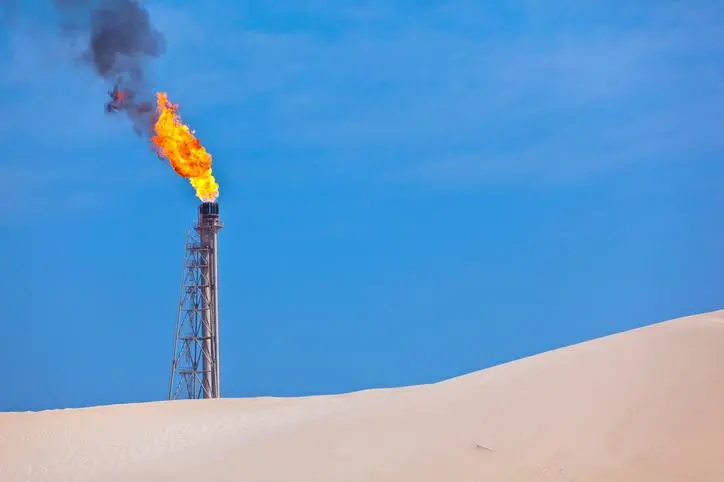
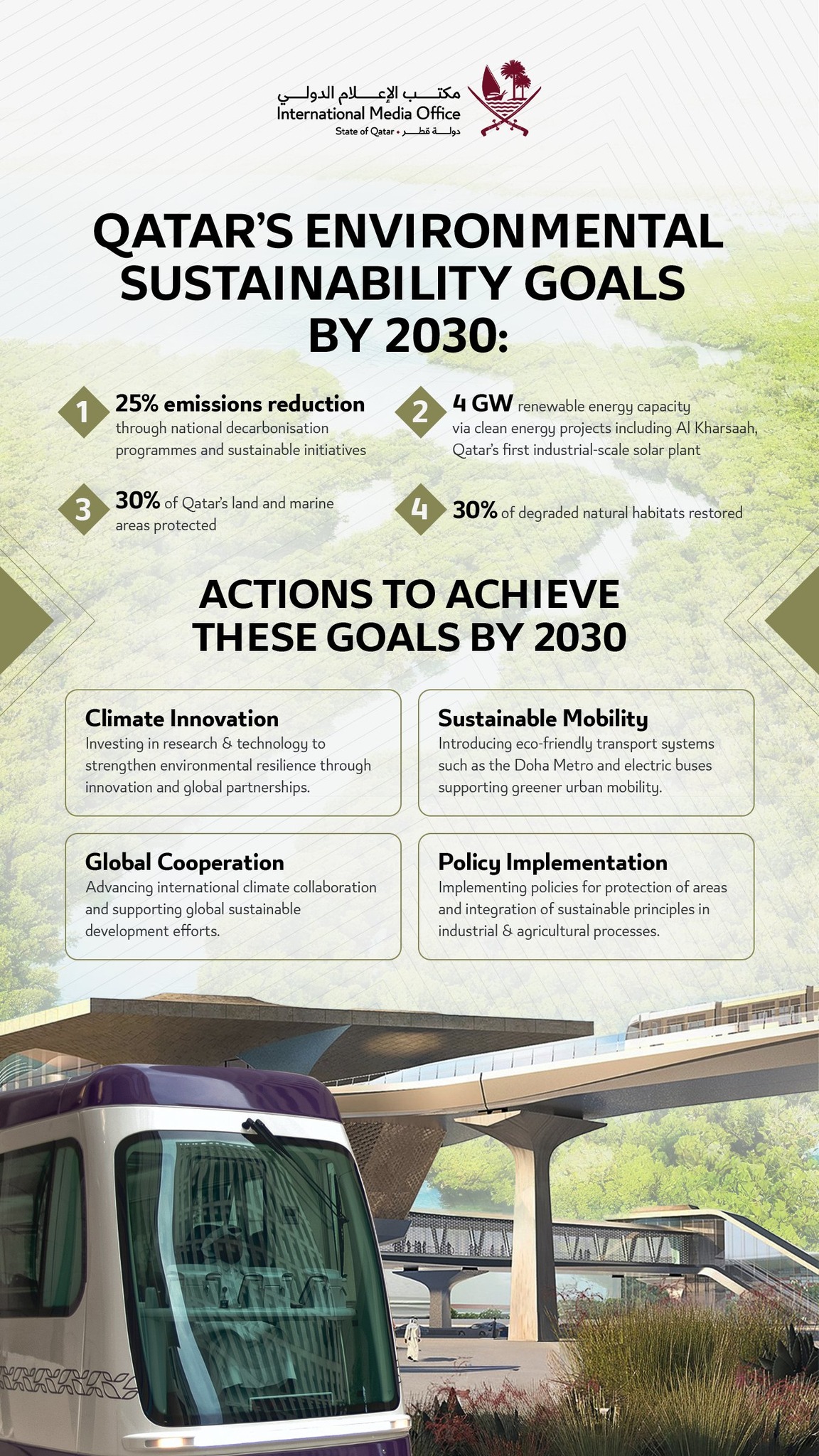
Qatar, the world’s richest per-capita nation and the planet’s largest exporter of liquefied natural gas (LNG), has announced an ambitious set of “environmental sustainability goals” for 2030. On paper, the Gulf state pledges to cut emissions by 25 percent, generate 4 GW of renewable power, and protect 30 percent of its land and marine areas.
It’s a vision wrapped in the language of decarbonization, resilience, and “global cooperation.”
But who’s keeping score? The answer, it turns out, is Qatar itself. The same petrostate that fuels the global gas market has quietly built its own “oversight” mechanism to monitor, verify, and approve its climate progress. The Global Accreditation Bureau (GAB)—a Doha-based body established by the government—recently became the first Middle East entity to sign an international agreement allowing it to accredit greenhouse gas verifiers.
On paper, this gives Qatar international recognition for tracking emissions. In practice, it means the fox is now in charge of the henhouse.
Qatar’s self-styled climate governance system includes a national MRV framework (Measurement, Reporting and Verification) designed to track carbon output across sectors. The country touts it as a transparent, UN-aligned process developed in partnership with the Global Green Growth Institute. Yet the data pipeline, the audit process, and the publication of results all sit under the Qatar Ministry of Environment and Climate Change. There is no independent audit, no investigative press to scrutinize numbers, and no civil society oversight. No free press can criticise Qatar. No one person or NGO can hold it accountable.
In theory, “international alignment” sounds good. But in the absence of true independence, it’s little more than bureaucratic choreography. A climate governance façade, built for export. The GAB may tick ISO and IPCC boxes, but it remains accountable to the same state apparatus responsible for expanding LNG exports well into 2050.
Qatar calls this sustainability; the rest of the world might call it self-certification.
Qatar’s contradictions are stunning. The country burns vast amounts of fossil fuel to desalinate water and cool indoor stadiums, then advertises solar plants and metro lines as symbols of green progress. It finances one of the most powerful propaganda networks, Al Jazeera; reporters who work there cannot investigate environmental issues at home. The same “news outlet” runs climate-awareness campaigns on the London Underground.
It’s a nation that sells gas by night and lectures the world by day on carbon offsetting.
Building one’s own watchdog is the natural next step in that narrative. With no freedom of the press, no parliamentary opposition, and no public-access climate data, Qatar’s self-auditing system ensures that the only emissions counted are the ones convenient to count.
In the end, Doha may not just be exporting LNG. It’s exporting a new model of green authoritarianism — where the state burns, monitors, and praises itself, all in the same breath.


