
When you think of Japan, you probably picture cherry blossoms or neon-lit sushi bars. But in winter the country reveals a different kind of magic: snow-covered mountains, steaming outdoor onsen baths that are piped in from natural hotsprings, and one of the most unique ski cultures on Earth. From Hokkaido’s deep powder to Nagano’s Olympic valleys, Japan offers a winter experience that blends sustainability, tradition, and breathtaking natural beauty.
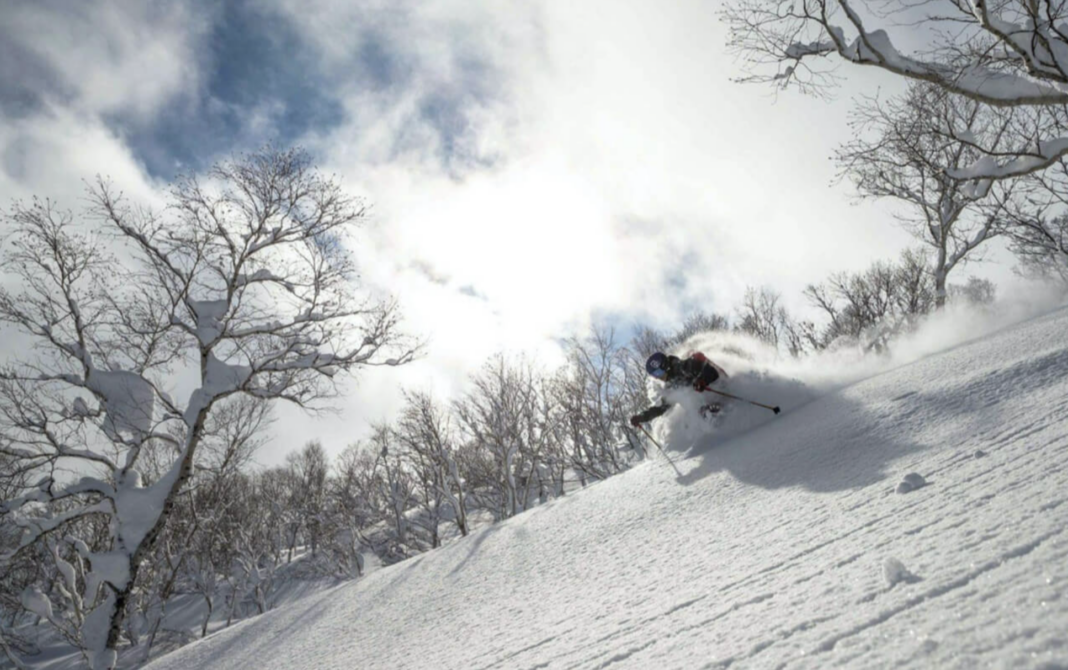
Start in Hokkaido, Japan’s northern island and snow capital. The Niseko region is internationally famous for its reliable powder and long winter season. The combination of cold Siberian winds and Japan’s maritime climate creates light, dry snow that falls almost daily between December and March.
The four main resorts—Grand Hirafu, Hanazono, Niseko Village, and Annupuri—are connected by lifts and shared passes, making it easy to explore all the mountain areas without a car. The nearest airport is New Chitose near Sapporo, and the journey from Tokyo by train and regional rail takes about five hours. In recent years Niseko has also begun introducing renewable-powered facilities and electric buses to reduce carbon emissions. We like that!
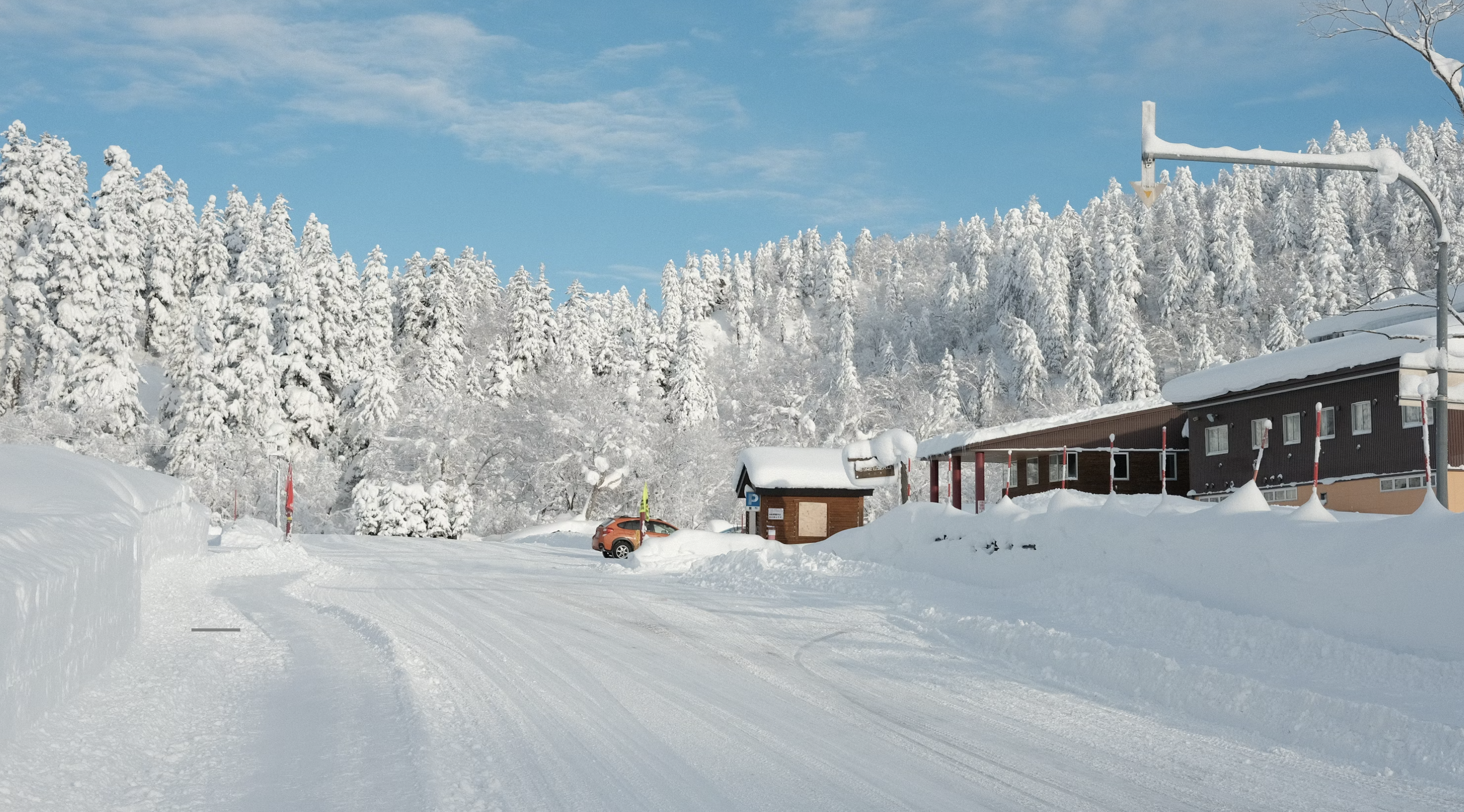
For travelers arriving from Tokyo, Nagano Prefecture on Honshu island is the most convenient option. The Hakuba Valley, which hosted events during the 1998 Winter Olympics, includes ten interconnected resorts that receive generous snowfall from mid-December to March.
Hakuba Happo-One and neighboring Iwatake are especially popular for their mix of wide beginner runs and challenging alpine terrain. The Hokuriku Shinkansen bullet train connects Tokyo to Nagano in under two hours, followed by an hour’s scenic bus ride to Hakuba. Several hotels and lodges here now run on renewable electricity and promote zero-waste practices in partnership with the village’s sustainability initiative.
Nearby, Nozawa Onsen is perhaps Japan’s most atmospheric ski destination. The mountain offers more than thirty-six runs, and the village itself—famous for its natural hot springs—has been welcoming skiers for decades. Thirteen public baths bubble with geothermal water, free for anyone to use. Streets are narrow and walkable, and the entire community is heated partly by geothermal systems that prevent snow from icing the roads. The easiest route from Tokyo is by Shinkansen to Iiyama, followed by a short local bus ride.
Farther north in Niigata Prefecture, Myoko Kogen offers a quieter, more traditional atmosphere. The area includes several classic resorts such as Akakura Onsen, Ikenotaira, and Suginohara, known for tree skiing and soft snow that lingers into spring. Myoko’s municipal tourism office has committed to the national “Zero Carbon Tourism” framework, encouraging resorts and lodges to convert to renewable power and hybrid transport.
When to ski in Japan?
Japan’s ski season typically runs from mid-December to late March, although Hokkaido’s colder climate often allows skiing into April. The best conditions tend to occur in February, when snow depth peaks and crowds thin after the holidays. Climate data from Japan’s Meteorological Agency show that average winter temperatures have risen by about 1.5 degrees Celsius since the 1970s, shortening the season at lower-altitude resorts. In response, several ski areas are investing in energy-efficient snowmaking systems powered by renewable energy and reforesting slopes to stabilize the snowpack.
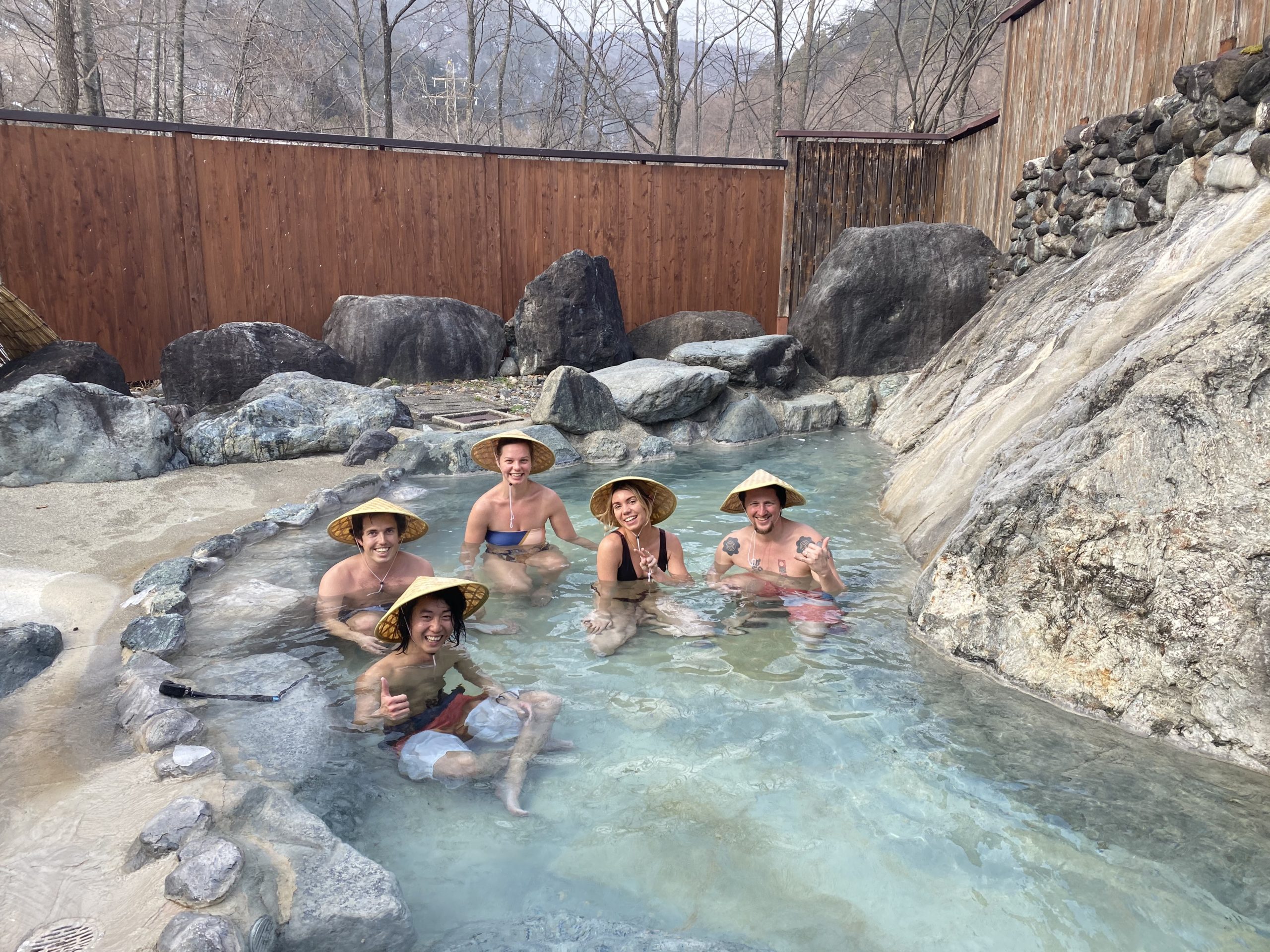
What sets Japan apart from other ski destinations is how seamlessly nature and culture intertwine. After a day on the mountain, most visitors trade ski boots for slippers and head to an onsen—an outdoor hot spring surrounded by snow and cedar trees. In Hakuba, bathhouses draw water from volcanic sources deep beneath the Alps. In Hokkaido, ryokans such as those near Niseko or Jozankei combine minimalist architecture with local cuisine and geothermal heating. Soaking in mineral water after skiing under falling snow is not just a ritual of comfort; it’s an immersion in the country’s centuries-old respect for natural energy.
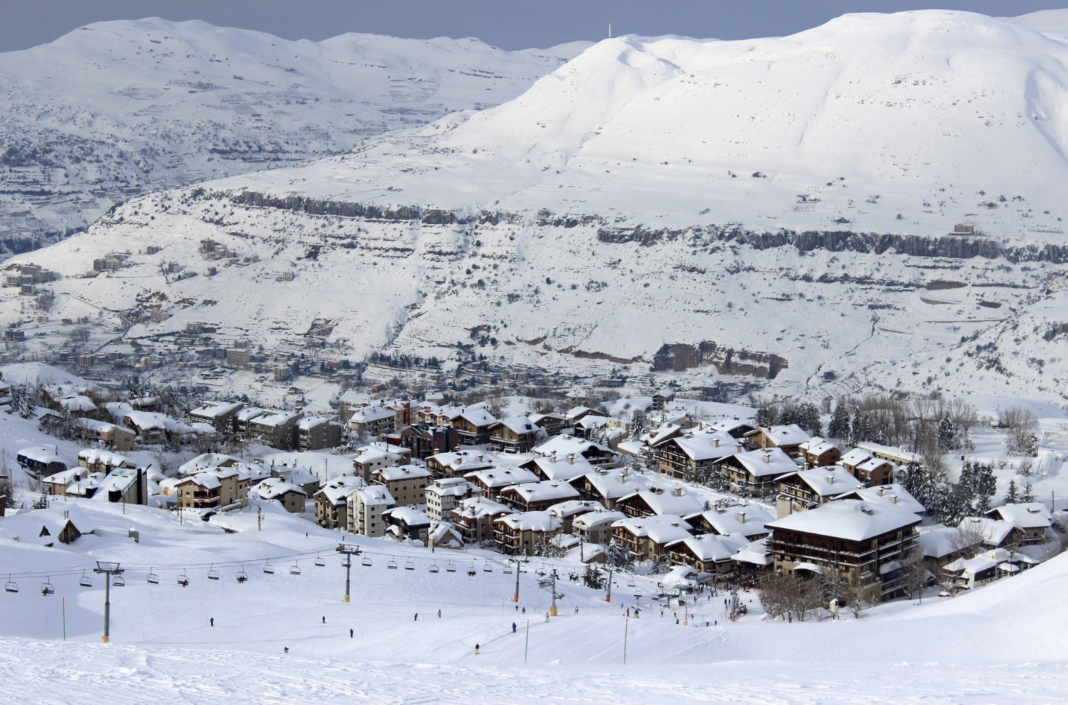
Related: Skiing in Lebanon, where, when, how
Traveling sustainably in Japan is straightforward. The Shinkansen network, powered mainly by electricity from renewable and low-carbon sources, connects all major ski areas. Rail passes like the JR East or JR Hokkaido Pass make it affordable to combine multiple resorts in one trip without relying on rental cars or domestic flights.
Local bus systems in Hakuba, Myoko, and Niseko are expanding electric and hybrid fleets. Choosing rail over air travel can reduce your carbon footprint by as much as 80 percent for domestic journeys. We’ve rented cars in Japan and while it was find for a couple of days, most of the highways are boring, expensive and give little extra value along the way. The cars are small so you won’t be able to fit much if any gear, and you need to navigate driving on the wrong side of the road if you are from the United States.
Bringing gear or renting it?
Ski and snowboard rental shops in major resorts like Niseko, Hakuba, Furano, and Nozawa Onsen are exceptionally well equipped. Many rent out high-end gear from brands like Rossignol, Atomic, Burton, and Salomon — often less than two seasons old. Shops like Rhythm Japan (Niseko, Hakuba) or Spicy Rentals (Nozawa, Myoko) offer performance packages that rival what you’d find in the Alps or Rockies. The gear is also calibrated to the snow and getting around on public transport in Japan will be cumbersome with gear brought from home.
Skiing in Japan isn’t just about chasing powder and getting around fast —it’s about slowing down and seeing how a country deeply attuned to the seasons adapts to a warming world. From the geothermal heat that warms its baths to the electric trains that glide through frozen valleys, Japan shows how winter tourism can evolve without losing its soul. The snow still falls, the onsen still steam, and in every village the quiet rhythm of winter endures. And maybe you’ll get to see a snow monkey along the way.
Forget the cherry blossoms in Japan. Take the train north, breathe in the cold air, and ski your troubles away. A little saki can warm you up at the end of the day.