
Europe is dealing with polluted water and the EU wants polluters to pay. They are pushing back
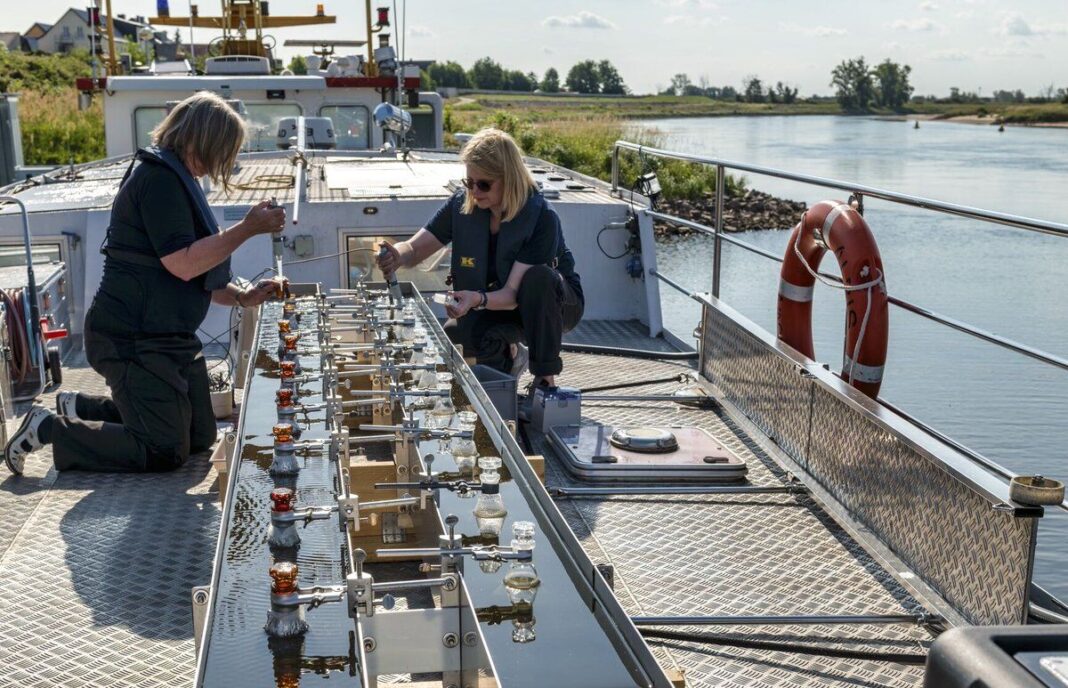
We just got back from Berlin where we stayed at the world of the Michelberger Hotel. We’d already read about the pollution in the rivers that circle that city. A new Yale Environment 360 investigation reveals that a large-scale survey of European rivers has detected an alarming 504 harmful substances in the rivers — including 175 pharmaceuticals like painkillers and antidepressants — in waterways stretching from Germany to Spain.
The findings have alarmed scientists and public health officials who warn that even low-dose residues of medicines and cosmetics are reshaping aquatic ecosystems. Fish and amphibians exposed to drugs such as diclofenac show hormone disruption, sex changes, and organ damage.
Diclofenac is a widely used non-steroidal anti-inflammatory drug (NSAID) — the same drug class as ibuprofen or aspirin. It’s prescribed to treat pain, arthritis, and inflammation, often under brand names like Voltaren, Cataflam, or Dicloflex.
However, it’s also one of the most problematic pharmaceuticals for the environment. After being excreted or washed off, diclofenac passes through sewage systems largely unchanged. In waterways, it can accumulate in fish and aquatic mammals, damaging their livers, kidneys, and reproductive systems.
Studies have shown that chronic exposure can cause organ failure and sex changes in fish, and even contributed to the mass die-off of vultures in South Asia, where livestock treated with diclofenac poisoned scavenging birds.
Because of its toxicity and persistence, diclofenac has become a symbol of the pharmaceutical pollution crisis now being addressed by the EU’s new wastewater directive.
To tackle the growing “chemization” of Europe’s rivers, the EU has adopted a revised Urban Wastewater Treatment Directive, mandating a fourth stage of purification — or “quaternary treatment” — using ozonation or activated carbon to strip out micropollutants. Plants must begin upgrading between 2027 and 2045, with the pharmaceutical and cosmetics industries required to pay at least 80 percent of the costs, following the polluter-pays principle.
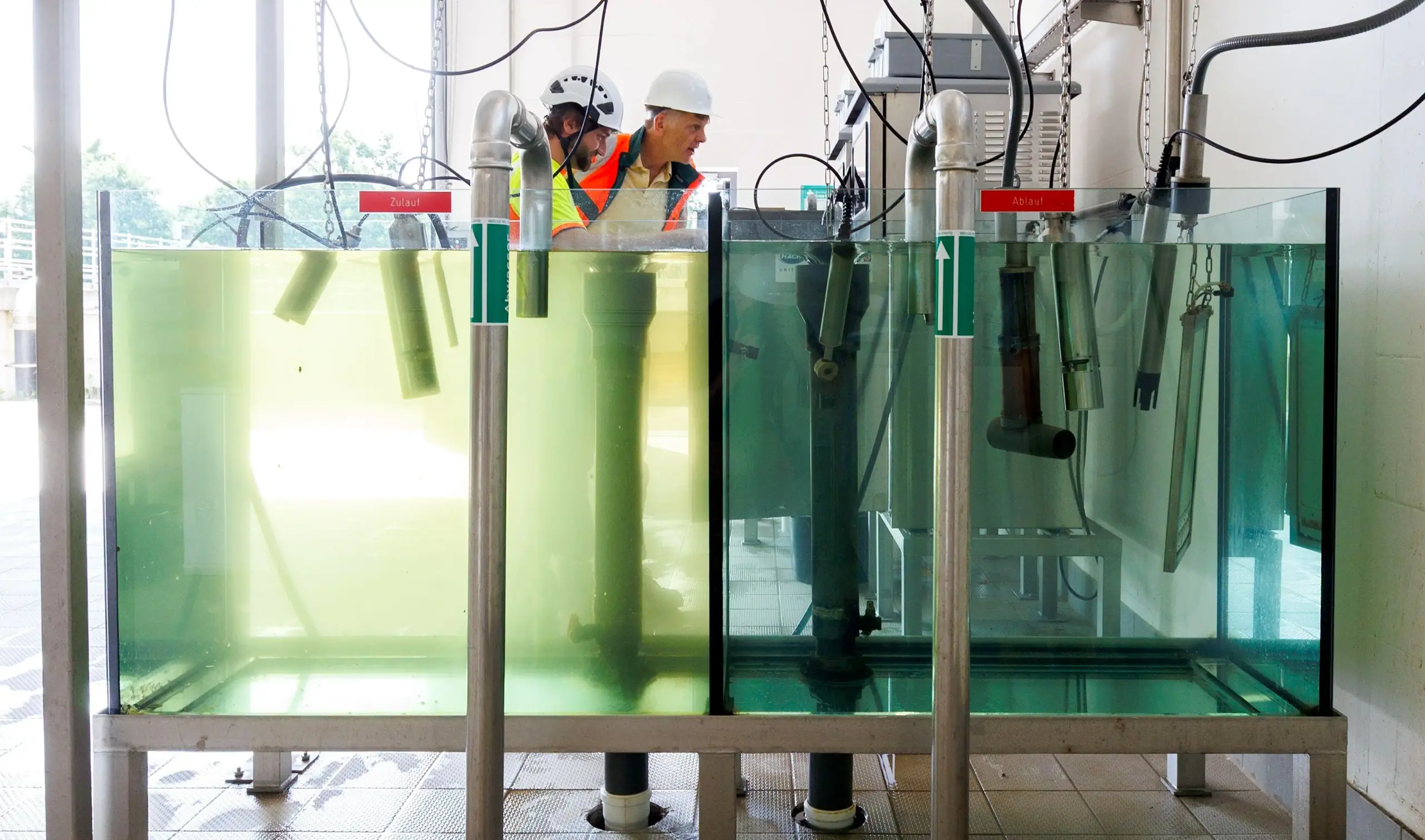
Yet those same industries are now pushing back. Trade groups and companies including L’Oréal and generic-drug manufacturers have filed legal challenges at the European Court of Justice, arguing that the rule unfairly singles them out while sparing other polluters like the food and chemical sectors.
Member companies of Medicines for Europe is one trade group who is engaged in the legal case include Accord Healthcare; Adamed Pharma; Fresenius Kabi; Insud Pharma; Polpharma; Sandoz; STADA; Teva Pharmaceutical Industries; Viatris; Zentiva.
Cosmetics industry players (though specific individual cosmetic companies are less publicly named in the same detail) are also flagged as being part of the push-back, via their trade bodies. These include companies such as Chanel and L’Oréal in broader media coverage, according to the Yale report.
At Berlin’s Schönerlinde wastewater plant, a pilot ozonation system set to open in 2027 offers a glimpse of the future. “There’s no doubt who has to pay for it — the industries that cause the pollution,” says Andreas Kraus, Berlin’s permanent secretary for climate protection and environment.
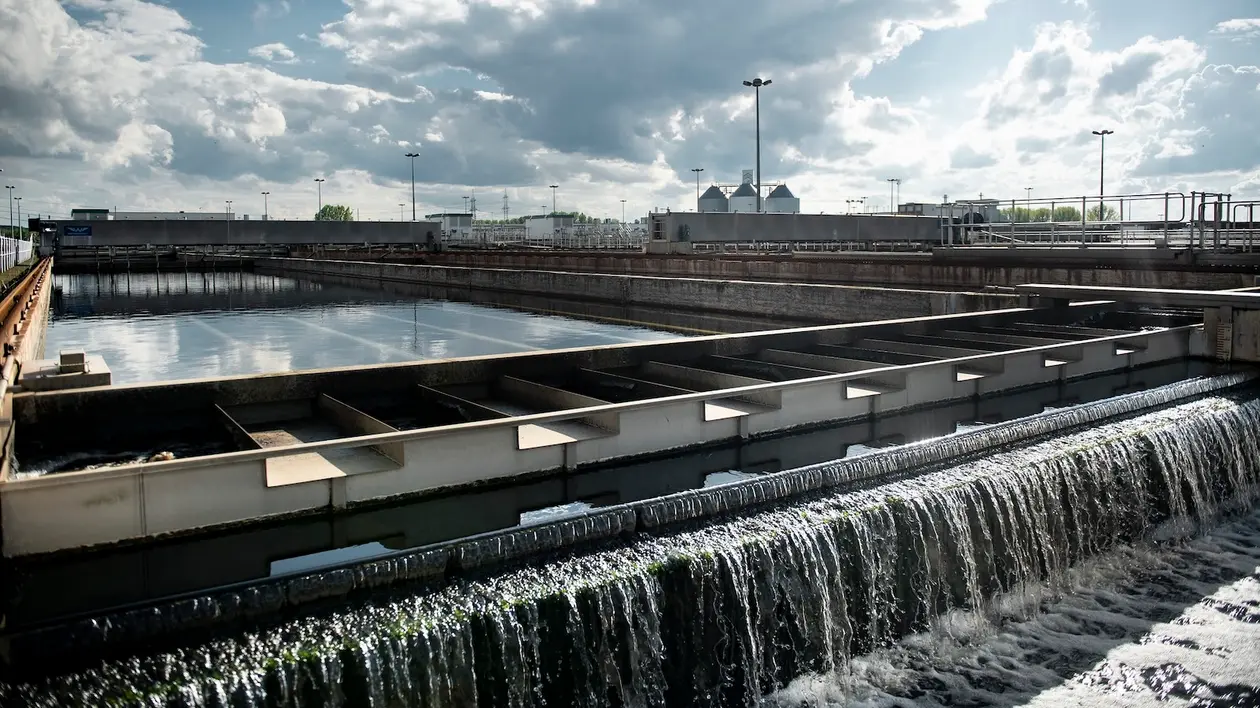
Environmental economists warn that delaying these upgrades will only allow micropollutants to seep deeper into groundwater and drinking water. As Green Prophet has reported, water contamination is not only a European crisis: pharmaceuticals and pesticides are already affecting rivers from the Jordan Valley to the Nile Delta.
The debate over who should clean Europe’s water — polluters or the public — is now a litmus test for whether the continent’s Green Deal commitments can survive political and industrial pressure.
All the more reason to filter your home water. Green Prophet has featured solutions like the Berkey Filter, trusted by many environmentalists. Some go a step further, using reverse osmosis systems along with Mayu for all drinking water and then re-adding essential micronutrients. Others prefer living water drawn from a clean, untouched spring. We’ve also featured American wastewater treatment companies like BioprocessH2O which is helping companies avoid reparations by cleaning up the first time at the source.
Whatever your choice, the message is clear: we are poisoning our own wells with the very medicines meant to heal us. Something has to change — and it starts with awareness and action at home.
Related Reading on Green Prophet
- Sea creatures and reefs are taking blood pressure medication and laxatives
- Water management using the Israeli method, a report from a World Bank expert
- Are you drinking your country’s drug stores?