When we think of the illegal wildlife trade, especially involving threatened marine species like sharks, most of us picture Southeast Asian markets in China where they eat shark fin soup, or global shipping ports. But new research suggests a surprising player in the trans-Pacific shark trade: Australia.
A study led by Josephine Lingard, a PhD candidate at the University of Adelaide’s School of Biological Sciences and Wildlife Crime Research Hub, reveals that both Australia and Aotearoa/New Zealand are not only destinations for shark products but also active nodes in the movement of shark-derived goods between regions. The research, published in Pacific Conservation Biology, used border seizure data from both countries to track the flow of shark fins, trophies, and meat — and Australia emerged as a significant point of origin.

“We did not expect Australia to be a dominant country of origin for seizures in Aotearoa/New Zealand,” said Lingard. “But the data showed otherwise.”
Related: Arab action on shark finning
The shark products, often carried in personal luggage or by post, were likely intended for personal consumption, resale, or as trophies. While most fin products seized in Australia originated from Asia, preserved shark specimens were more commonly linked to the United States. In Aotearoa/New Zealand, however, Australia was the most common source of both passenger and mail seizures — an unexpected finding given that seizures in Australia had declined over time, while New Zealand’s numbers rose.
Several possible explanations emerge: New Zealand’s geographic proximity and flight connectivity to Australia may make it a natural transit route. Alternatively, shark products may be processed or purchased in Australia before being brought into New Zealand. It’s also possible that Australia is listed as the origin simply due to flight routing, not actual source of capture or processing.
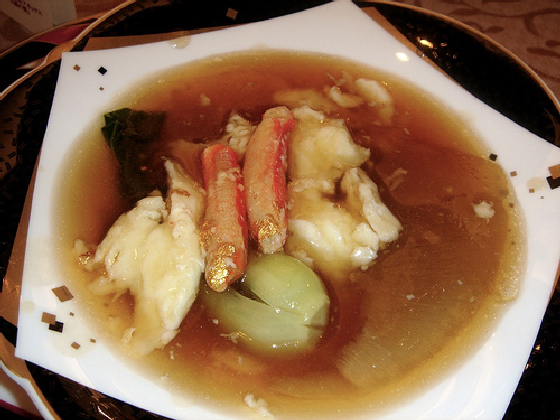
The environmental stakes are high. Over one-third of all chondrichthyan species — a group that includes sharks and shark-like rays — are currently threatened with extinction. All of the threatened shark species are also considered overfished, adding further pressure to already strained ocean ecosystems. Many of these species are targeted for their fins, used in shark fin soup, a status-laden delicacy particularly popular in parts of Asia.
And while the global market for shark meat has steadily grown since the early 2000s, the legal trade in shark fins — when fins are landed attached to the body — has been declining. This suggests that illegal or unregulated trade may be filling the gap, often without proper species identification or monitoring.
Indeed, one of the study’s most troubling findings was the lack of transparency in the data. Fewer than 1% of the seizures contained species-specific information, making it almost impossible to assess the impact on endangered populations. Yet, of the species that were identified, 14 of 18 were listed under CITES, the global agreement regulating the international trade in endangered species.
“This lack of identification is consistent with wider problems in shark fisheries, where species are lumped together using generic trade codes,” Lingard explained. “It severely limits our ability to manage conservation efforts effectively.”
The researchers call for stronger enforcement, improved border monitoring, and especially better identification and recording of shark species in trade seizures. Without these steps, efforts to protect endangered sharks — and maintain marine ecosystem health — will remain compromised.