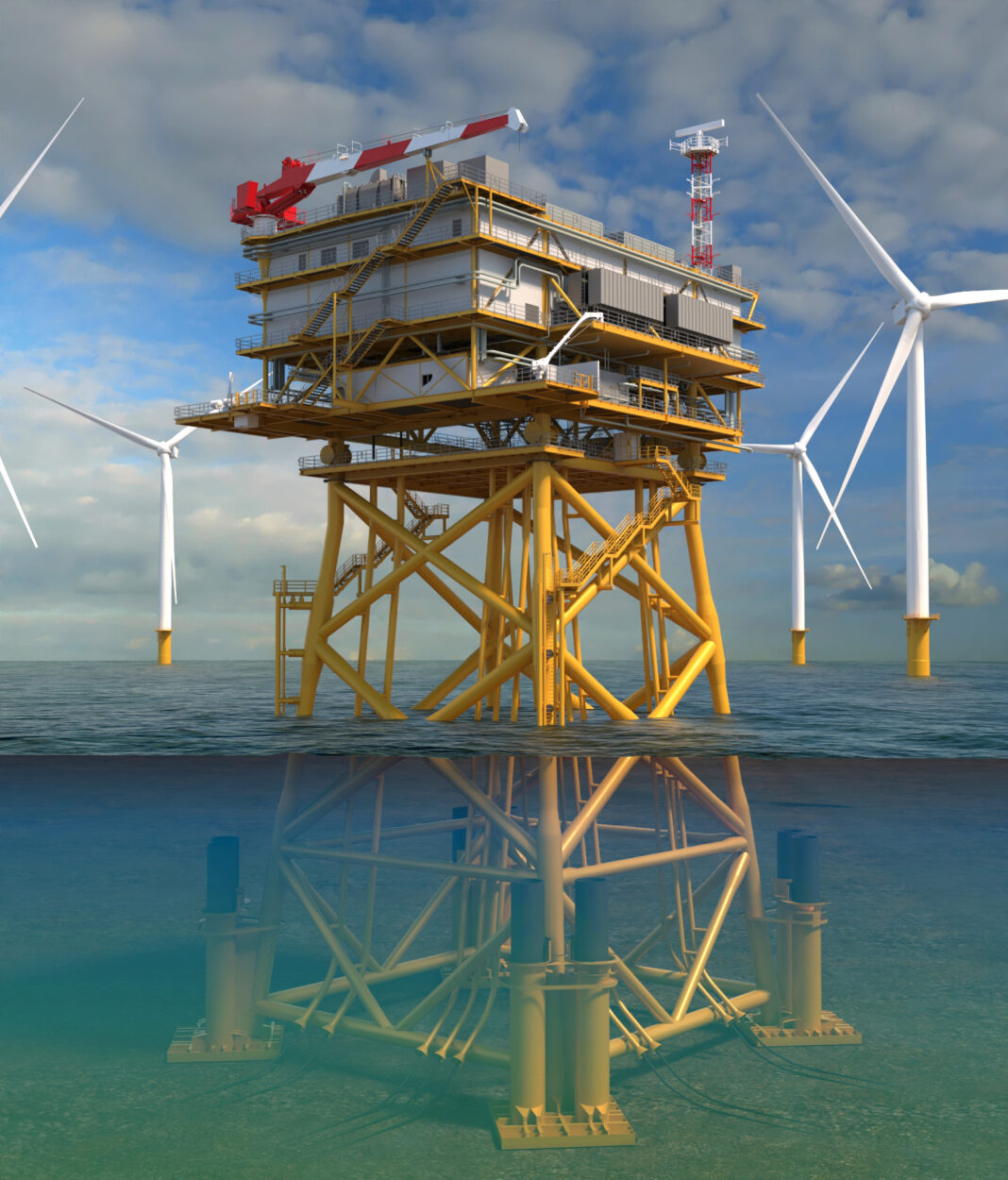


In a dramatic reversal, President Donald Trump has lifted a federal stop-work order on the $5 billion Empire Wind project off the coast of New York, reigniting one of America’s most ambitious offshore wind energy developments. The move comes just weeks after the Department of the Interior froze the project, citing concerns about marine life from a National Oceanic and Atmospheric Administration (NOAA) report.
Equinor, the Norwegian energy firm behind Empire Wind, confirmed construction will now resume. With 30 percent of the offshore infrastructure already in place and weekly suspension costs exceeding $50 million, the restart comes as a lifeline—not just for the company, but for New York’s clean energy goals.
Governor Kathy Hochul praised the decision, noting it will immediately restore roughly 1,500 union jobs.
“I want to thank President Trump for his willingness to work with me to save the 1,500 good paying union jobs that were on the line and helping get this essential project back on track,” she said in a statement.
Related: Trump aims to make Gaza the new Riviera
Equinor CEO Anders Opedal echoed the sentiment, calling the decision a victory for both workers and long-term U.S. energy investment.
“This solution saves thousands of American jobs and provides for continued investments in energy infrastructure in the U.S.,” said Opedal.
Offshore Wind at a Crossroads
The resurrection of Empire Wind is more than a political gesture—it’s a crucial inflection point for America’s renewable energy transition. The U.S. currently has four major offshore wind farms under construction: Empire Wind, Coastal Virginia Offshore Wind, Sunrise Wind, and Revolution Wind. Together, they represent the core of the Biden-era goal of reaching 30 gigawatts of offshore capacity by 2030.
But that vision has faltered. Soaring costs, regulatory whiplash, and supply chain constraints have slowed development. Many in the energy sector feared that the sudden halt of Empire Wind might signal the unraveling of confidence in offshore projects.
Now, the reboot signals that—at least for now—offshore wind remains a national priority, even under an administration often skeptical of renewables.
A Lesson from the Desert: What Happened to Ivanpah
The Empire Wind revival also reopens another conversation: what happens when green megaprojects collapse? For that, look to Ivanpah, the $2.2 billion solar thermal plant in California’s Mojave Desert that once symbolized the promise of utility-scale renewable power.

Today, Ivanpah is effectively defunct—its towers still standing, but its output and relevance fading into obsolescence. Speaking to Green Prophet in 2024, Moshe Luz, one of Ivanpah’s former lead engineers, described how the project was doomed not by a lack of vision, but by poor policy support, unpredictable regulation, and a technology that was rapidly overtaken by more efficient solar PV systems.
“We built something beautiful and huge, but we didn’t build a future-proof system,” Luz told us. “When support dried up and expectations shifted, the project couldn’t adapt fast enough.”
That collapse serves as a cautionary tale. Empire Wind, and projects like it, depend not only on federal approval but on long-term political and public backing. The stakes aren’t just ecological—they’re economic, cultural, and structural.
What’s Next?
Equinor now faces a race to mitigate delays. The company said it will work closely with regulators and suppliers—including turbine-maker Vestas—to get the timeline back on track. The project, once operational, will generate up to 2 gigawatts of clean electricity—enough to power over a million homes in New York.
But the long-term success of offshore wind in the U.S. hinges on something more elusive than turbines or transmission lines: policy coherence. Inconsistency kills momentum. And unlike Ivanpah, the offshore wind industry still has a chance to deliver on its early promise—if political winds don’t shift again.
For deeper stories on the climate, technology, and energy transitions reshaping our world, follow Green Prophet.