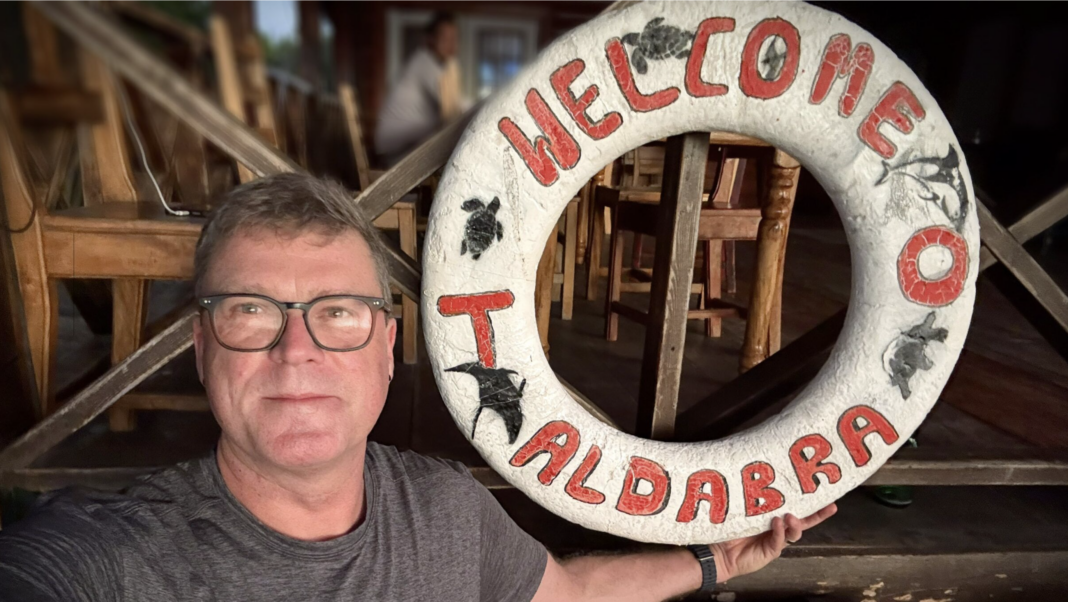


Portland-based environmental journalist Kevin Gepford, currently researching a book on global tortoise conservation spent two months on Seychelles’ Aldabra Atoll between December and January, living at the island’s remote research station with 16 other people. It’s so isolated out there—about 1,000 miles from Seychelles’ main island Mahé—that it might as well be Mars. He agrees that change will be coming fast.
Aldabra’s nearest island neighbor, Assomption, is becoming a playground for Qatari royalty and affluent Middle Eastern tourists. A Qatar-based investment company called the Assets Group, and a reported $25 million USD land-lease agreement with the Seychelles government, means that developers, against public concerns, have extended the landing strip to accommodate international flights, and about 1,000 construction workers are on the island currently laying out plots for 40 high-end villas—touted as a luxury resort. Most suspect they will become private villas.
Conservationists we spoke with from Mahé say that no one knows what’s happening on Assomption right now. Access and photos are not allowed. Presidential candidate Maarco Francis says they are building as fast as possible because the current president Wavel Ramkalawan believes construction will be irreversible once the elections are held in September.
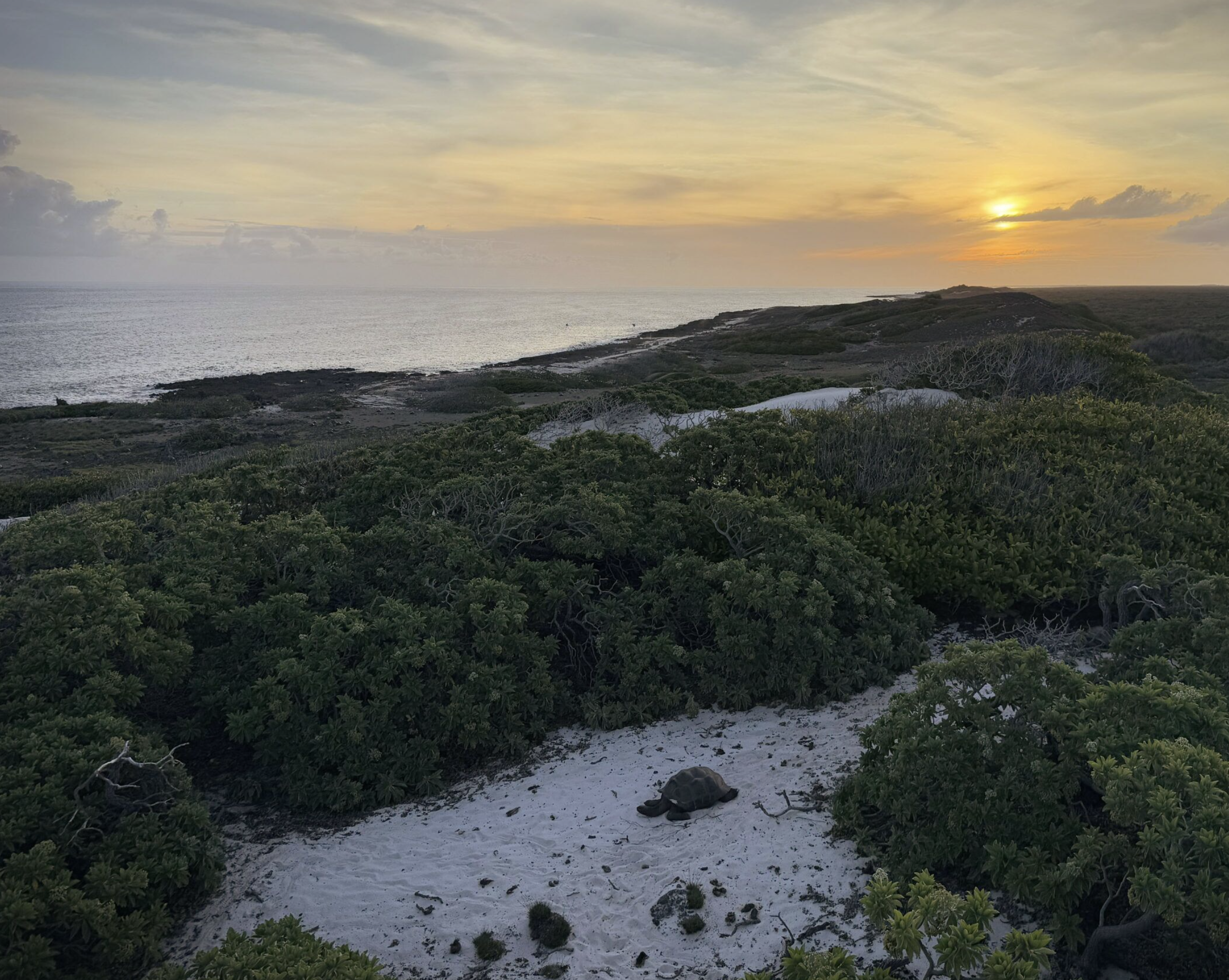
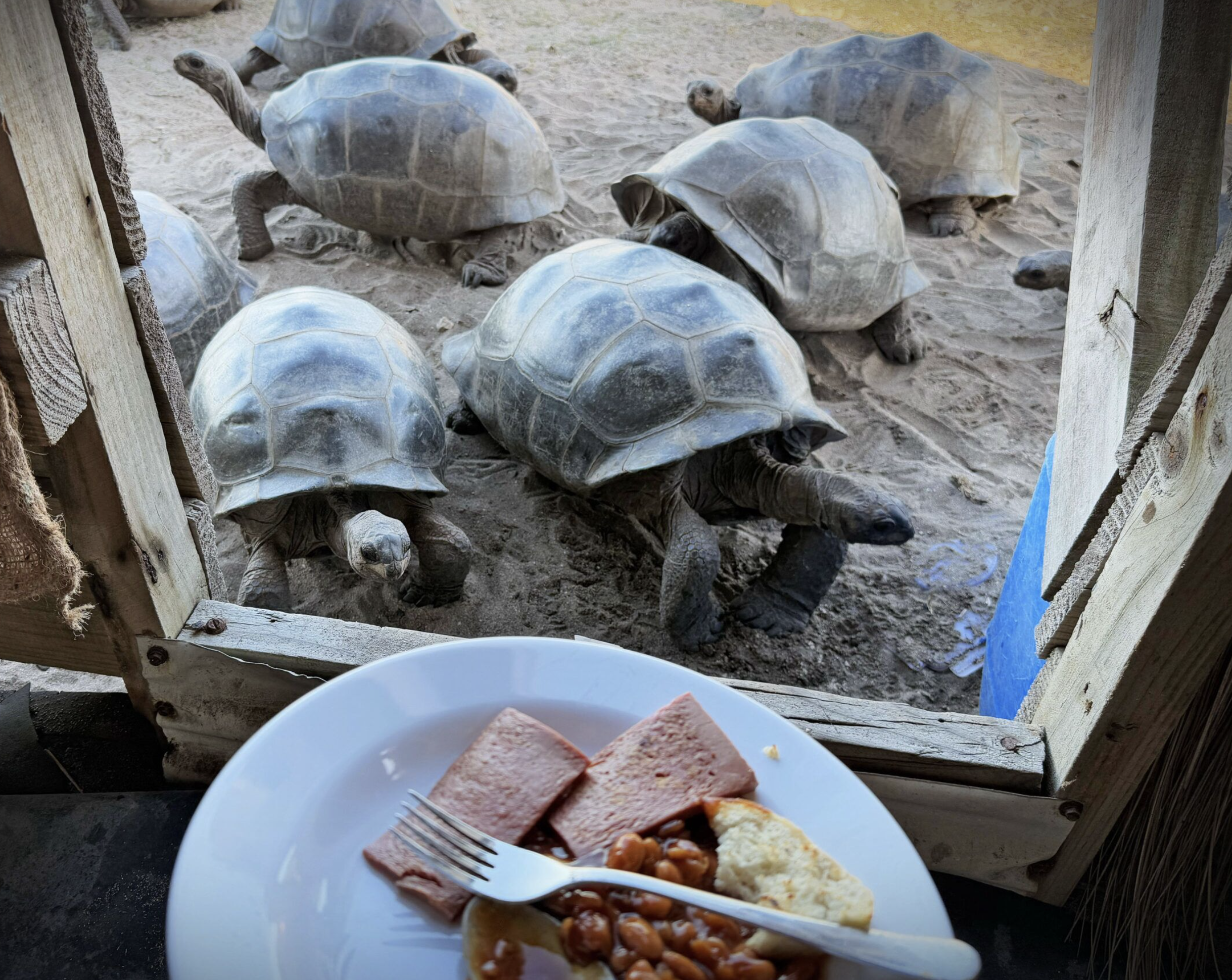
A UNESCO World Heritage Site, Aldabra is one of the most ecologically pristine places left on Earth—home to more than 100,000 giant tortoises and the last surviving species of flightless rail in the Indian Ocean. It is managed by the Seychelles Islands Foundation (SIF) and is considered an outpost of evolution. Gepford says what he witnessed there shows how fragile that isolation has become.

“I went there to understand how tortoises live—talk with experts about their ecology, and really understand what pressures they and the atoll are facing.”
He observed these pressures in real time:
“I went along with the island staff on a trip around the atoll for an inspection—a part of the day—and unexpectedly came across a catamaran at the edge of the reef,” despite prohibitions on coming close.
Maritime maps say not to approach within a 40 km radius around the atoll or Assomption Island, says turtle expert Dr. Yaniv Levi who lived and worked as a divemaster on Aldabra for more than two years in the late 1990s. Skippers know that these islands are protected, he tells Green Prophet.
“It was a really nice yacht,” says Gepford.
The skipper of the boat hailed the vessel. “We shouted to talk to us on their hand-held radio on a certain channel—and asked, ‘What are you doing here?’
“We expected them to blame either the weather or engine trouble,” says Gepford,
“They said, ‘We just got blown off course because of the cyclone and thought we’d come by for a look. We’re sailing to Mahé.’”
Gepford said it was clear the crew knew they had crossed a line, and SIF’s skipper warned them to be prepared for a biosecurity inspection when they reached Mahé.
“We took pictures of the yacht and reported it back to the authorities in the Seychelles—to be aware,” Gepford said.
The concern isn’t symbolic. Aldabra’s team enforces one of the most rigorous biosecurity protocols in the Indian Ocean.
“They picked out seeds from my shoes with tweezers, and made me wash the blades of my handheld fan. Look through everything—and look at it twice,” said Gepford. “It’s invasive species, seeds, pathogens—anything that could damage the ecosystem.”
The chartered yacht, he later learned, had come from Zanzibar. Its passengers appeared to be South African or European tourists. As for the charter companies: “That’s their business—to take wealthy people to the ocean and see different things.”
A Growing Worry: Assomption Island
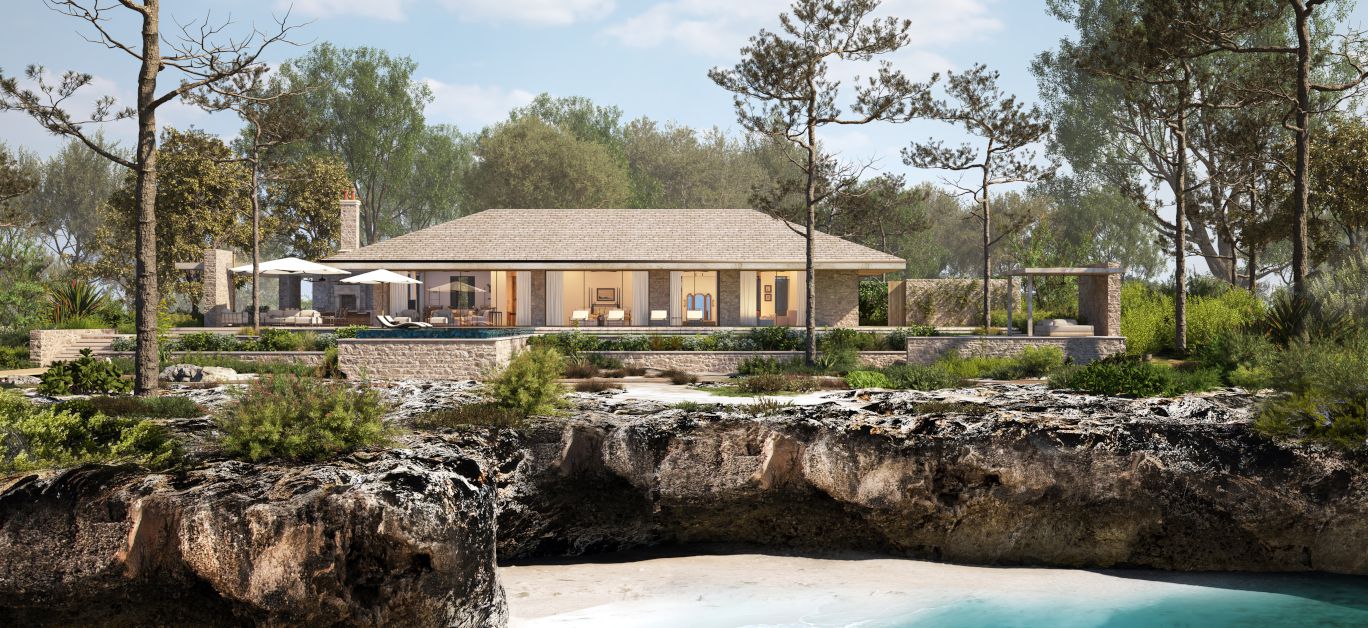
Gepford’s presence on Aldabra coincided with escalating concerns over the neighboring island of Assomption, the only access point to Aldabra by air. The Assomption runway, once a modest strip, has recently been extended, with signs of construction and development activity tied to Middle Eastern investment.
“Access to Aldabra is through Assomption. Historically, there’s been a runway on Assomption. It’s been extended at both ends because of the development that’s happening,” Gepford said.
Assomption, long ignored by development, now appears poised to shift. That shift is deeply worrying to those stationed on Aldabra.
“From Aldabra’s perspective—they’re worried. Assomption is one of the last undeveloped islands in the Seychelles, and it’s less than 20 miles away. Assomption’s development will bring a lot of commercial activity, people, boats, and airplanes very close. One of the things that historically helped save Aldabra along with its ecosystems and unique plants and animals has been its sheer inaccessibility.”
This isn’t just a hypothetical threat. The atoll’s recent conservation successes—especially for sea turtles—demonstrate how delicate these ecosystems are. Green turtles have been protected on Aldabra for more than 50 years.
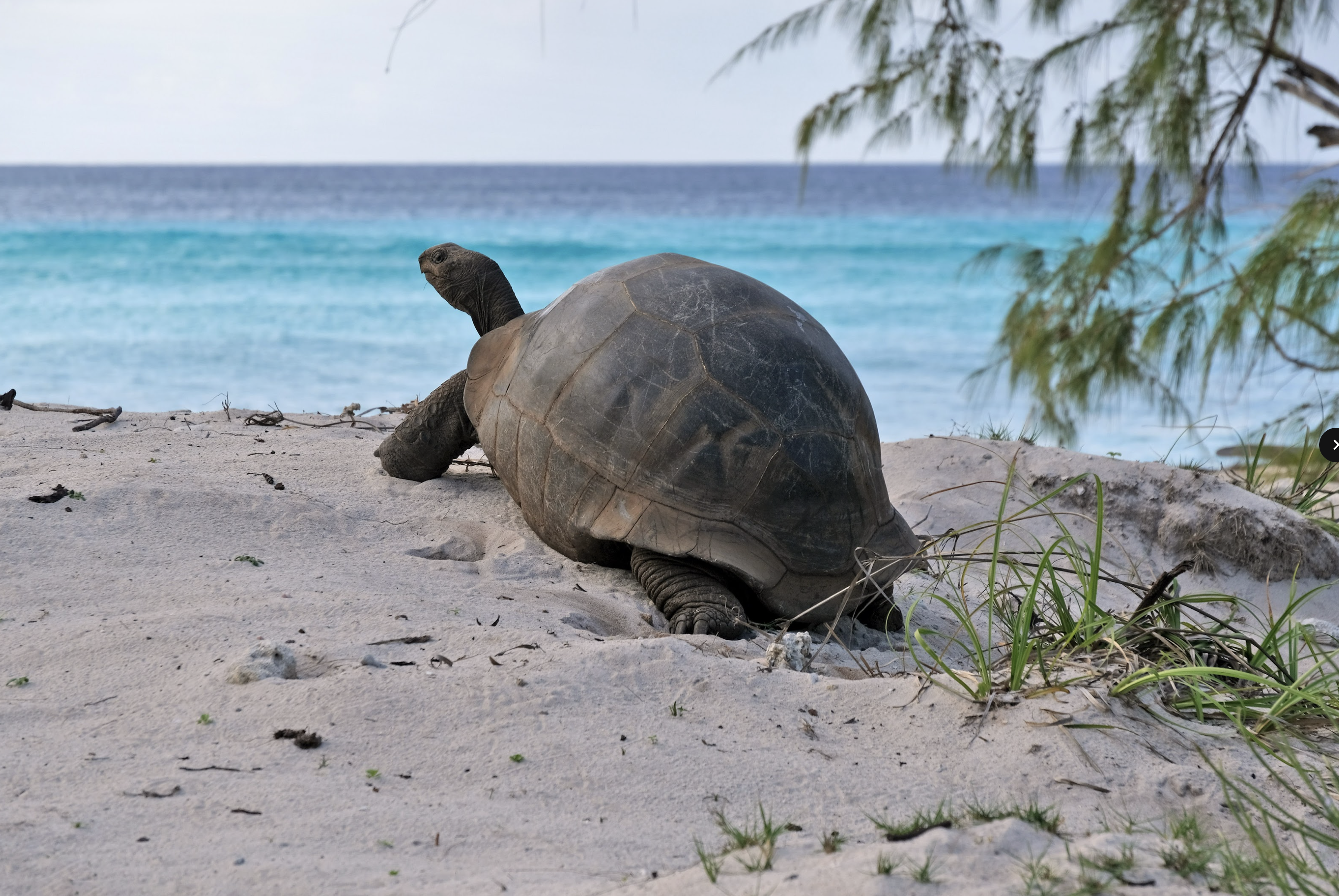
“The green turtle recovery on Aldabra has been astounding—from less than 2,000 to 3,000 clutches per season in the 1960s to more than 15,000,” he noted. “Assomption may be just as important as a nesting site. But that beach has not been studied for sea turtle research.”
How a small team of Seychellois can defend that is anyone’s guess—but for now, Gepford doesn’t think that’s the biggest threat.
A Book Rooted in Observation
Gepford is documenting this, from a tortoise perspective, for a nonfiction book for W. W. Norton & Company that follows the story of tortoises—and the people trying to save them—from Madagascar to Mauritius, the Galápagos, and now the Seychelles.
“Tortoises in the western Indian Ocean are a microcosm of the challenges facing the natural world today. What’s happening in Assomption reflects broader patterns globally.”
“The biggest challenge globally for nearly every wild species is habitat loss… Our cities are growing, and wildlands are converted to farmland—this crowds out animals of all kinds. Tortoises and turtles are hit really hard.”
The deeper message behind his project is about limits—what we encroach on, and what we choose to leave intact.
“What is our place in the world? Can we tread more lightly, and live with care and concern for all God’s creatures?”
Gepford’s book comes out in 2026.