A remote coral island in the Indian Ocean is quietly being transformed into a luxury resort and international airstrip for Qatari royalty—allegedly sold off in a secretive $50 million deal to Qatar by Seychelles President Wavel Ramkalawan, without public consent or environmental oversight. The deal is linked to alleged terror funds.
The backdoor deal, first rumored in Indian media and brought to light by opposition leader Maarco Francis, President of the Seychelles United Movement political party, threatens the fragile ecosystems of nearby Aldabra Atoll, a UNESCO World Heritage Site home to rare birds, turtles, and giant tortoises. The atoll is globally revered for its ecological importance, and the development of Assomption—just 27 km away—is igniting fierce resistance among locals and environmentalists. We interviewed a leading conservationist here.
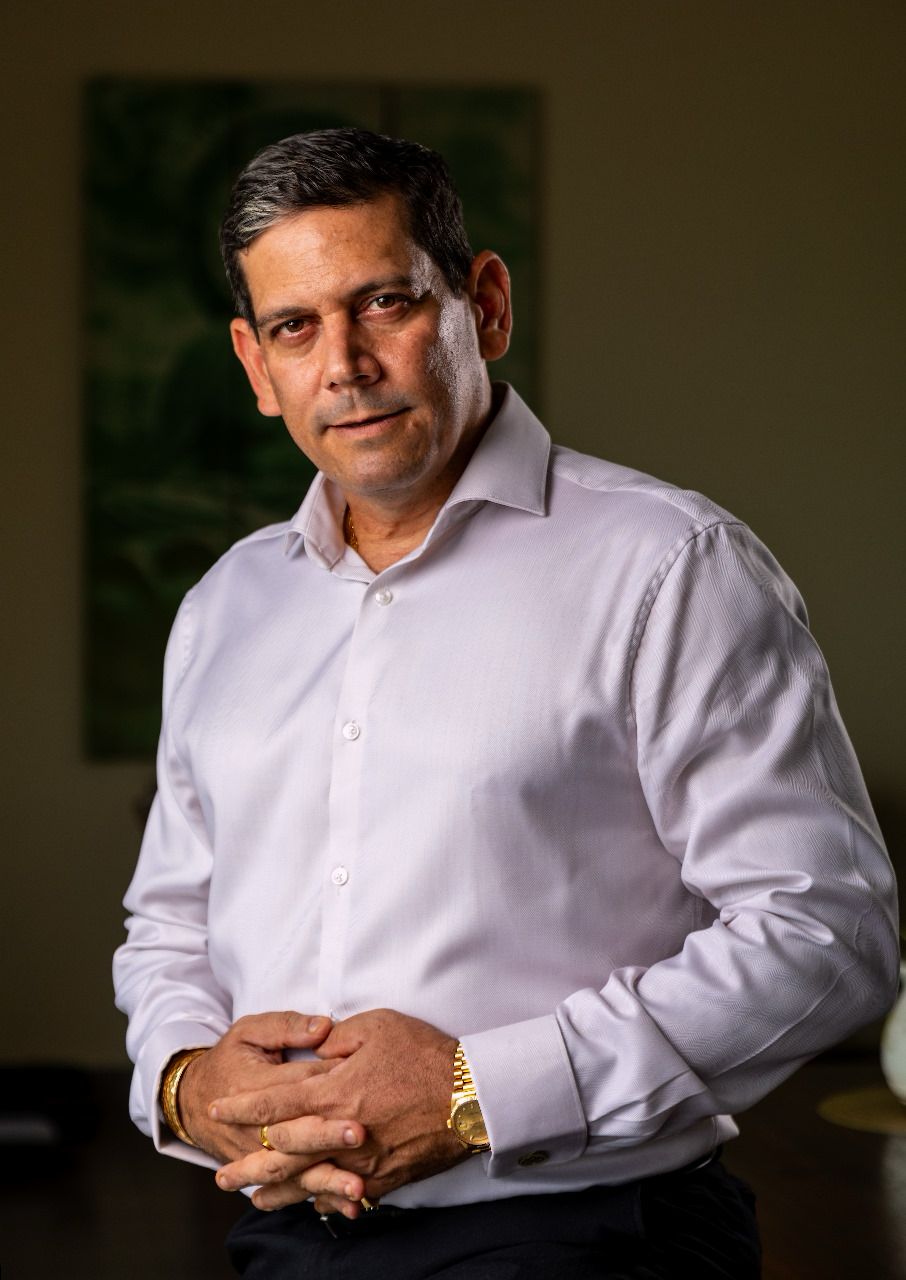
“They built an international airport on a coral island with no environmental impact study,” Francis tells Green Prophet. “The president is pushing construction forward as fast as possible before elections this September, hoping future governments won’t be able to stop it,” he says.
Fragile Coral Island, Rare Nesting Site for Turtles
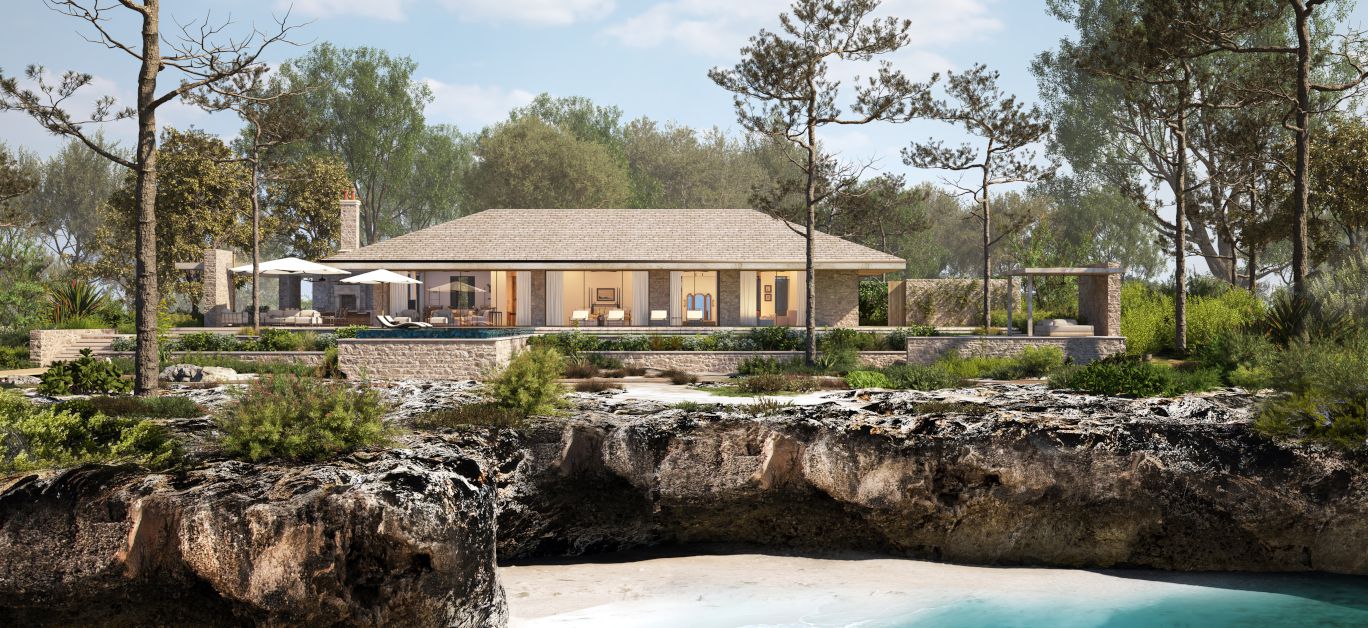
Assomption Island, unlike granite-based Mahé, is a low-lying coral formation. It hosts vital nesting grounds for endangered green sea turtles and stretches of untouched white sand—the longest of any in Seychelles.
What makes the situation even more alarming is Assomption’s proximity to Aldabra, which lies within a marine protection zone created through a high-profile “debt-for-nature” swap meant to safeguard 30% of Seychelles’ ocean territory.
Aldabra Atoll in the Indian Ocean is one of the largest raised coral reefs in the world. This atoll, consisting of coral islands ringing a shallow lagoon, is known for the hundreds of endemic species—including the Aldabra giant tortoise—that live there. According to UNESCO, Aldabra contains one of the most important natural habitats for studying evolutionary and ecological processes.

But according to Francis, secrecy and foreign influence have trumped conservation. Qatari construction and a 1,000-person crew from India and Bangladesh have already begun work on Assomption, despite local opposition.
Francis tells Green Prophet that he connected the dots when he heard about a Gulf royal bragging in an Indian newspaper that her husband had bought an island in the Indian Ocean for $50 million. At the same time the news came out President Ramkalawan of the Seychelles was in the Maldives. He claims the two incidents are connected.
Francis says, yes, access is tightly restricted: drones are forbidden, photography is controlled, and independent visits to the island require Qatari authorization, he claims. You could take a boat out for a 3-day trip to the island but they won’t let you on it. Not even if you were the BBC, he says.
A Locked-Down Island and a Silenced Nation
Environmentalists and journalists have been barred from visiting Assomption, says Francis. The Qataris, he claims, now effectively control the island.
“You won’t get permission. The government won’t grant it,” he claims. “They’ve built a dock. Foreign workers live in container housing. Diesel is shipped in and polluting the sea. The currents will carry that pollution straight to Aldabra.”
Locals also report that planes and supplies are landing directly on the island without passing through Seychelles’ immigration systems—suggesting an autonomous zone operating outside the nation’s legal framework. This worries Francis both now and for the future.
One in 10 Seychellois is addicted to heroin. This heroin is trafficked from Iran and Afghanistan. An international airport with no government oversight would be a free pass for the drug trade into the Seychelles and the rest of Africa where it can be transported out. Animals are at risk too –– Gulf countries lead the way with an appetite for illegal wildlife trade.
Terror Links and Unanswered Questions
Francis alleges the development is being fast-tracked with funds linked to Qatari investors—a case currently under investigation in the UK with connections to alleged terror financing and potentially tied to interests far beyond tourism. He questions why the President met Qatari officials in the Maldives instead of in Qatar or Seychelles, hinting at intentional secrecy.
“There are allegations of terror financing,” Francis says. “Our own political broadcasters reported it. The BBC is silent. Maybe it’s because the UK is bought by Qatar. Everyone’s turning a blind eye because there’s money involved.”
As for locating the alleged $50 million: “It’s backhand money—you don’t know where it goes,” says Francis. “He was trying to go somewhere he thought no one would notice. But we’re aware of the terror money links. He’s been silent on that, pretending he doesn’t know. This group is linked to terrorists. They are building an international airport, and we as a country won’t know who’s going there or what deals are being done.”
Francis also points to the President’s dual role as patron of the Seychelles Islands Foundation—a conflict of interest, he says, that lets him sidestep environmental protections.
“He appoints the chairman,” Francis says. “So of course, the study will say it’s okay. But scientists and the public are strongly opposed.”
Crisis at Home: Heroin, Despair, and a Stolen Future
While foreign elites carve out paradise for themselves, everyday Seychellois suffer. Youth unemployment is high. Over 10% of the population is addicted to heroin. Hope is vanishing as fast as the coastline on Assomption.
“Our youth have no opportunities to achieve their dreams. They get depressed and turn to drugs,” says Francis. “They need something to aspire to, something that makes them want to wake up in the morning and break the routine.”
Francis says agriculture development projects could help.
At 47, he presents himself as a businessman with a vision, offering a generational shift from an older, out-of-touch leader. He’s running for president this September and says he will win, appealing to younger voters who understand environmental sustainability.
“The current president is 65. We need leadership that protects the environment and creates prosperity.”
A New Chagos Moment?

The crisis draws comparisons to the Chagos Islands scandal, when Britain ceded land to the U.S. military, displacing its inhabitants. Back then, public resistance stopped the destruction. Francis believes the same can happen again. Seychellois also previously stopped India from developing a military base on Assomption that would have required a larger runway and heavy docks.
“This is our Chagos moment,” he warns. “Back then we fought. Now, our own president has sold us out.”
In the 1960s, Seychellois scientists and citizens protested U.S. military expansion, ultimately preserving foreign influence. Today, the threat comes not from a colonial power—but from within.
“He’s an Anglican priest, but clearly this is not about faith. He is blinded by money.”
With elections looming and construction underway, the future of one of the planet’s last untouched ecosystems—and the soul of a nation—hangs in the balance.
President Ramkalawan’s press secretary acknowledged our request for comment. There is currently no comment from his office.
Read our previous articles on the Seychelles scandal:
Rats and Royalty with conservationist Adrian Skerrett
UNESCO-island development linked to terror funds