If you’re optimizing for longevity and cognitive sharpness through nutrition and biohacking, here’s one micronutrient you don’t want to overlook: vitamin K.
New research from the Tufts University suggests that low vitamin K intake might sabotage brain performance as we age. In a study on middle-aged mice, researchers found that a vitamin K deficiency ramped up brain inflammation and reduced neurogenesis—particularly in the hippocampus, the brain’s memory and learning hub.
The hippocampus is one of the rare regions in the adult brain capable of generating new neurons. It’s a core area you want functioning at peak capacity if you’re interested in enhancing learning, memory, and long-term cognitive health.
But here’s the catch: mice on a low-vitamin K diet showed poor performance on memory and spatial learning tests. In real-world terms? Imagine walking into a room and forgetting why you went there—more often.
The study focused on menaquinone-4 (MK-4), a brain-active form of vitamin K2. Deficiency in MK-4 not only dulled cognition but also triggered neuroinflammation. Researchers saw more activated microglia—the brain’s immune cells—which, when overstimulated, can contribute to chronic brain inflammation and neurodegeneration.
Bottom Line: Brain Fog Isn’t Just About Sleep or Stress
There’s growing evidence that neuroinflammation is a root driver of age-related cognitive decline. And vitamin K might be a lever you can pull to reduce that risk.
“Vitamin K seems to have a protective effect,” says lead researcher Tong Zheng. “Our research is trying to understand the mechanisms behind that, so we can eventually target them more directly.”
How to Hack K on a Keto Diet
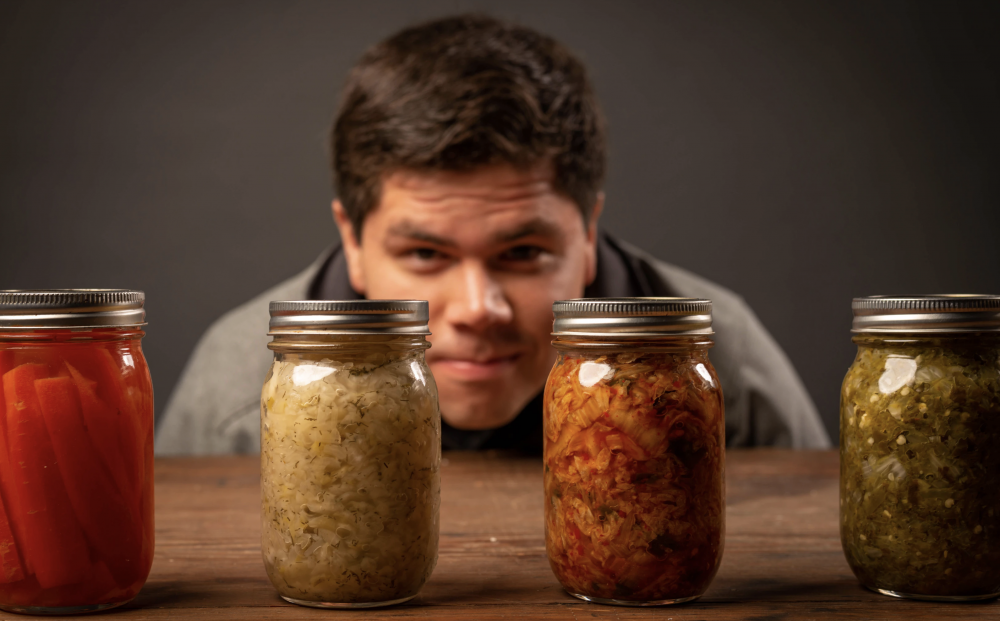
If you’re on a ketogenic protocol, good news—there are keto-friendly sources of vitamin K2 that won’t knock you out of ketosis.
Focus on:
-
Natto (fermented soybeans) – highest in MK-7. We tasted this in Japan. Didn’t love it.
-
Grass-fed butter and ghee. Yes. Could eat it on everything.
-
Egg yolks
-
Liver
-
Aged cheeses
-
Fermented foods like sauerkraut and kefir
And while leafy greens (high in K1) like kale and spinach aren’t always staple keto picks, moderate portions can still fit your macros and may help the conversion to K2 when paired with healthy fats.
The Tufts researchers aren’t suggesting you run out and stockpile vitamin K supplements just yet. They’re emphasizing whole foods and diet quality first: “We know that a healthy diet works,” says senior author Sarah Booth. “People who don’t eat a healthy diet don’t live as long or perform as well cognitively.”
Get your sauerkraut recipe here