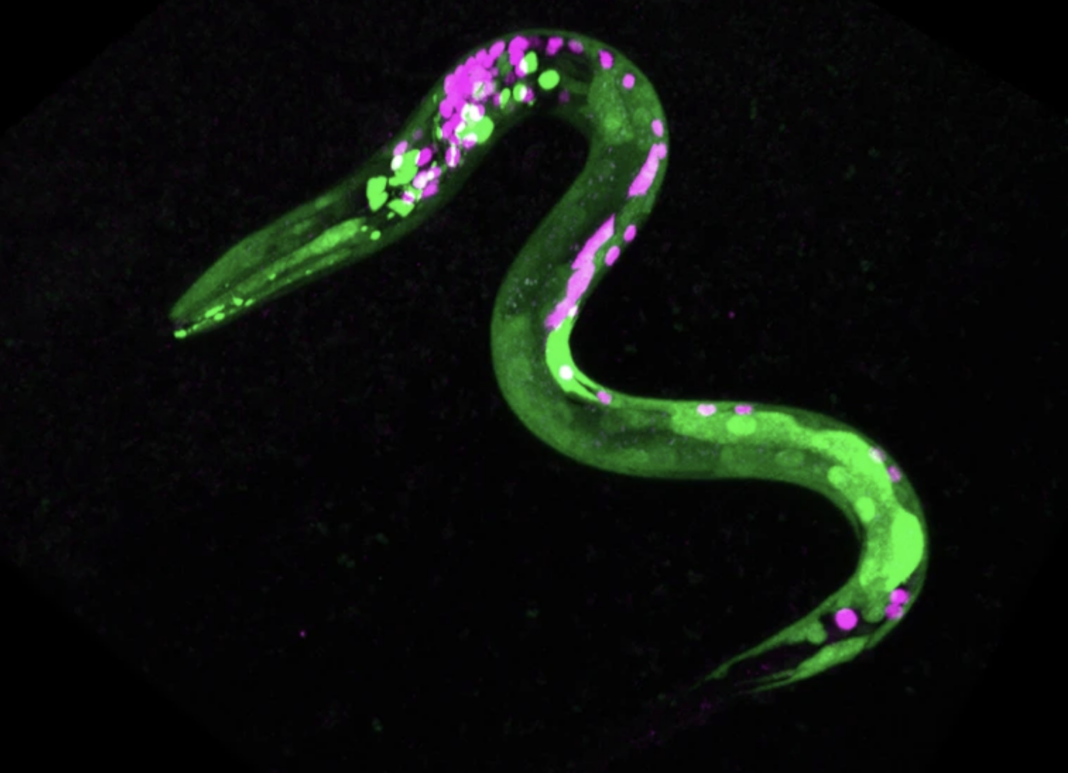
Every year scientists discover more photoluminescence in nature. You are probably familiar with glowing plankton at sea, but photoluminescence also appears in mammals and why they glow under the right light is often a mystery to science.
If you’ve bought your kid a UV light to find crystals or scorpions out in the wild, now add doormice, the duck-billed platypus (Ornithorhyncus anatinus), squirrels springhare’s to your list.
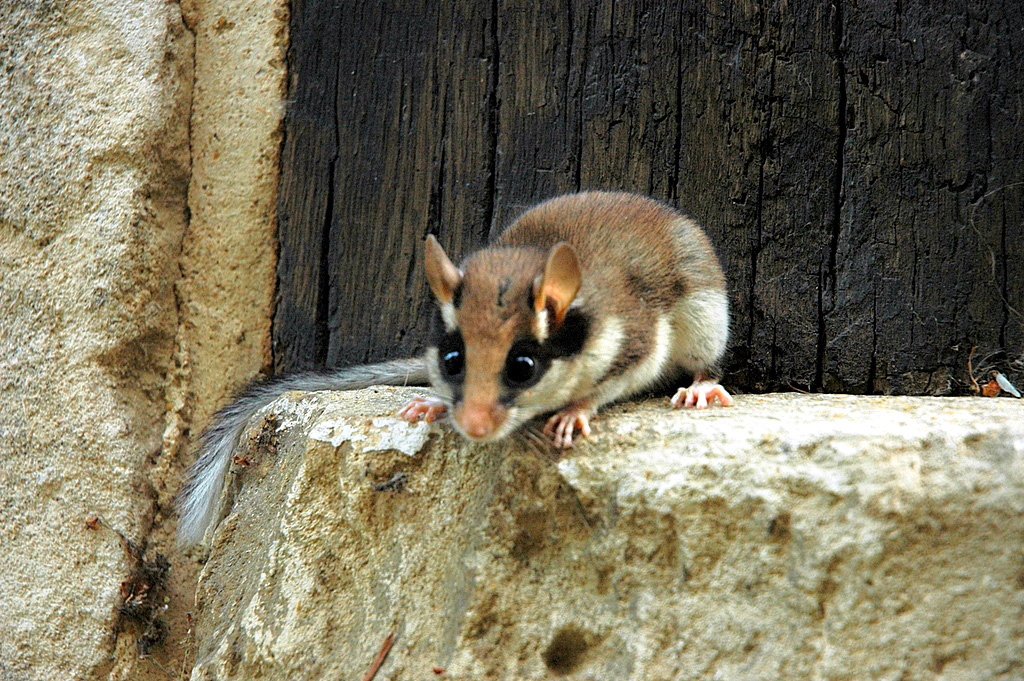
A new study on the European garden dormouse, animals who probably spend their lives trying not to be seen, found they can glow. Researchers looked at the feet and nose of the hibernating dormouse: these cute bodyparts displayed greenish-blue photoluminescence under UV light through a yellow filter, while the fur was bright red.
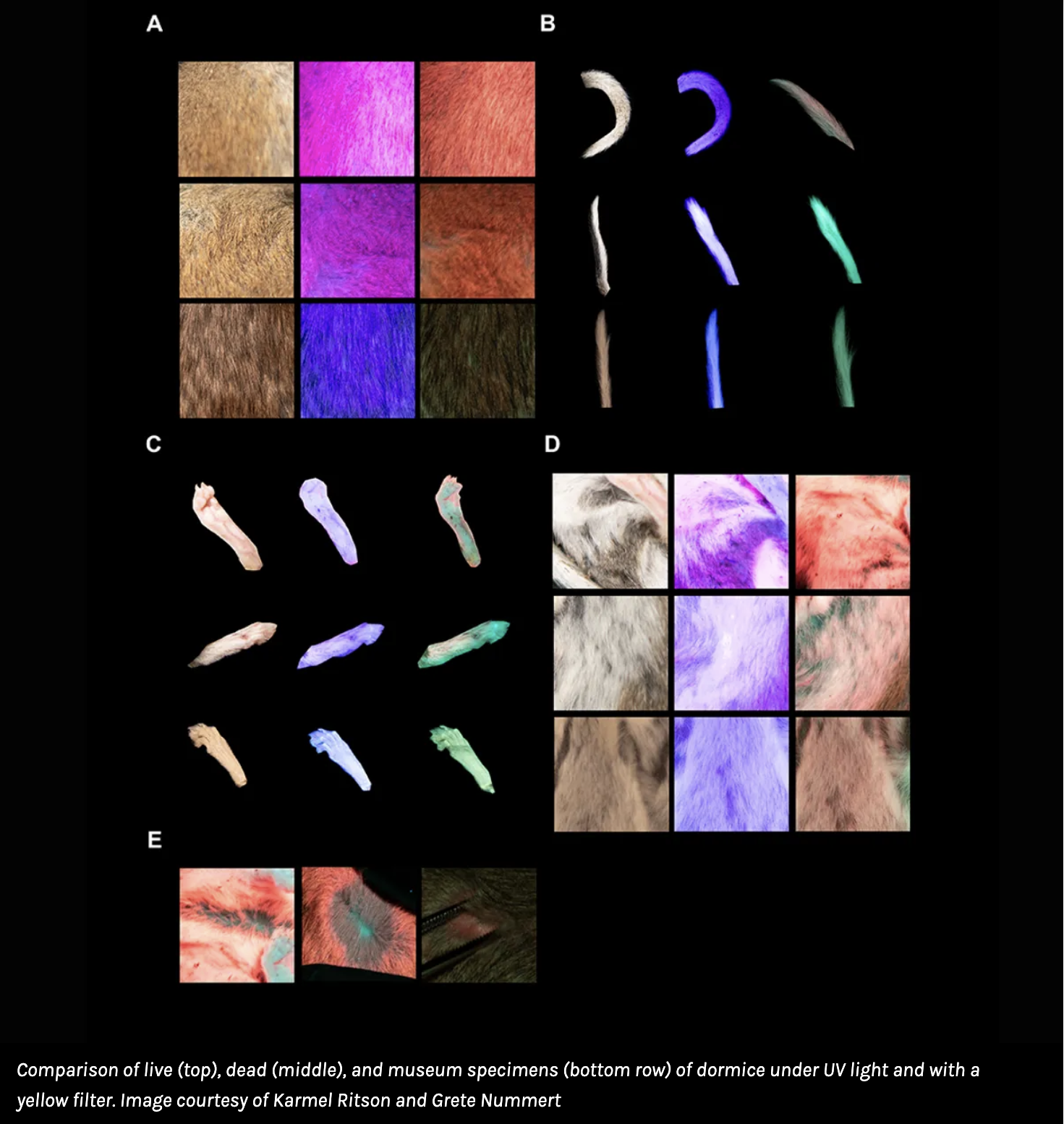
The live animal version of garden dormice showed vivid red colouring compared to deceased museum specimens. No animals were hurt in the study.
Why mammal species glow is not known, but various explanations have been offered: for the duck-billed platypus it could be part of interspecies interactions, while in springhares, the unusual patchy appearance of their photoluminescence suggests it could be used as camouflage. As for the dormice, no one knows for sure.
It is possible that the photoluminescence found in rodents is a by-product of something they eat. It’s also not clear if the dormice can perceive these colours themselves — humans certainly can’t without the help of an artificial source of UV light.
“There is a whole world we cannot see,” says Grette Nummert, who initiated the study at the Tallin Zoo in Estonia: “Animals perceive the world differently from us.”