Explore the complete private terminal experience in business aviation. Learn how FBOs provide VIP service, privacy, luxury lounges, expedited boarding, enhanced security, and seamless travel for private jet passengers.
Most people know Mars for M&M's and Snickers. Few realize the company has spent four decades researching cocoa flavanols and sustainable cocoa science. After six days testing CocoaVia with pioneers of Toronto's raw food movement, Green Prophet explores the surprising story behind one of the world's most researched cocoa supplements.
Hydraulic systems are at the heart of heavy manufacturing, but poor maintenance can lead to fluid leaks, downtime, and unnecessary waste. By focusing on preventive maintenance, fluid monitoring, filtration, and early leak detection, industrial facilities can improve efficiency, reduce environmental impact, and strengthen sustainable manufacturing without major capital investments.
Jewish herbalism is experiencing a revival as educators like Naomi Spector uncover centuries of plant knowledge preserved through the diaspora. Blending the wisdom of Maimonides, Ashkenazi and Sephardi traditions, and remedies passed from generation to generation, this forgotten ecological heritage reveals how Jewish communities adapted to new landscapes while keeping their cultural identity rooted in the natural world.
The Neptun of Marstal is more than a restored Danish sailing ship. Operated as a non-profit sail-training organization, it invites people of all ages to swap screens for sails, learn traditional seamanship and discover how caring for the sea begins by experiencing it firsthand. Along the way, strangers become crewmates, old maritime skills are kept alive, and the voyage offers a powerful lesson in environmental stewardship, cooperation and the enduring value of learning by doing.
Explore the complete private terminal experience in business aviation. Learn how FBOs provide VIP service, privacy, luxury lounges, expedited boarding, enhanced security, and seamless travel for private jet passengers.
Most people know Mars for M&M's and Snickers. Few realize the company has spent four decades researching cocoa flavanols and sustainable cocoa science. After six days testing CocoaVia with pioneers of Toronto's raw food movement, Green Prophet explores the surprising story behind one of the world's most researched cocoa supplements.
Hydraulic systems are at the heart of heavy manufacturing, but poor maintenance can lead to fluid leaks, downtime, and unnecessary waste. By focusing on preventive maintenance, fluid monitoring, filtration, and early leak detection, industrial facilities can improve efficiency, reduce environmental impact, and strengthen sustainable manufacturing without major capital investments.
Jewish herbalism is experiencing a revival as educators like Naomi Spector uncover centuries of plant knowledge preserved through the diaspora. Blending the wisdom of Maimonides, Ashkenazi and Sephardi traditions, and remedies passed from generation to generation, this forgotten ecological heritage reveals how Jewish communities adapted to new landscapes while keeping their cultural identity rooted in the natural world.
The Neptun of Marstal is more than a restored Danish sailing ship. Operated as a non-profit sail-training organization, it invites people of all ages to swap screens for sails, learn traditional seamanship and discover how caring for the sea begins by experiencing it firsthand. Along the way, strangers become crewmates, old maritime skills are kept alive, and the voyage offers a powerful lesson in environmental stewardship, cooperation and the enduring value of learning by doing.
Explore the complete private terminal experience in business aviation. Learn how FBOs provide VIP service, privacy, luxury lounges, expedited boarding, enhanced security, and seamless travel for private jet passengers.
Most people know Mars for M&M's and Snickers. Few realize the company has spent four decades researching cocoa flavanols and sustainable cocoa science. After six days testing CocoaVia with pioneers of Toronto's raw food movement, Green Prophet explores the surprising story behind one of the world's most researched cocoa supplements.
Hydraulic systems are at the heart of heavy manufacturing, but poor maintenance can lead to fluid leaks, downtime, and unnecessary waste. By focusing on preventive maintenance, fluid monitoring, filtration, and early leak detection, industrial facilities can improve efficiency, reduce environmental impact, and strengthen sustainable manufacturing without major capital investments.
Jewish herbalism is experiencing a revival as educators like Naomi Spector uncover centuries of plant knowledge preserved through the diaspora. Blending the wisdom of Maimonides, Ashkenazi and Sephardi traditions, and remedies passed from generation to generation, this forgotten ecological heritage reveals how Jewish communities adapted to new landscapes while keeping their cultural identity rooted in the natural world.
The Neptun of Marstal is more than a restored Danish sailing ship. Operated as a non-profit sail-training organization, it invites people of all ages to swap screens for sails, learn traditional seamanship and discover how caring for the sea begins by experiencing it firsthand. Along the way, strangers become crewmates, old maritime skills are kept alive, and the voyage offers a powerful lesson in environmental stewardship, cooperation and the enduring value of learning by doing.
Explore the complete private terminal experience in business aviation. Learn how FBOs provide VIP service, privacy, luxury lounges, expedited boarding, enhanced security, and seamless travel for private jet passengers.
Most people know Mars for M&M's and Snickers. Few realize the company has spent four decades researching cocoa flavanols and sustainable cocoa science. After six days testing CocoaVia with pioneers of Toronto's raw food movement, Green Prophet explores the surprising story behind one of the world's most researched cocoa supplements.
Hydraulic systems are at the heart of heavy manufacturing, but poor maintenance can lead to fluid leaks, downtime, and unnecessary waste. By focusing on preventive maintenance, fluid monitoring, filtration, and early leak detection, industrial facilities can improve efficiency, reduce environmental impact, and strengthen sustainable manufacturing without major capital investments.
Jewish herbalism is experiencing a revival as educators like Naomi Spector uncover centuries of plant knowledge preserved through the diaspora. Blending the wisdom of Maimonides, Ashkenazi and Sephardi traditions, and remedies passed from generation to generation, this forgotten ecological heritage reveals how Jewish communities adapted to new landscapes while keeping their cultural identity rooted in the natural world.
The Neptun of Marstal is more than a restored Danish sailing ship. Operated as a non-profit sail-training organization, it invites people of all ages to swap screens for sails, learn traditional seamanship and discover how caring for the sea begins by experiencing it firsthand. Along the way, strangers become crewmates, old maritime skills are kept alive, and the voyage offers a powerful lesson in environmental stewardship, cooperation and the enduring value of learning by doing.
Explore the complete private terminal experience in business aviation. Learn how FBOs provide VIP service, privacy, luxury lounges, expedited boarding, enhanced security, and seamless travel for private jet passengers.
Most people know Mars for M&M's and Snickers. Few realize the company has spent four decades researching cocoa flavanols and sustainable cocoa science. After six days testing CocoaVia with pioneers of Toronto's raw food movement, Green Prophet explores the surprising story behind one of the world's most researched cocoa supplements.
Hydraulic systems are at the heart of heavy manufacturing, but poor maintenance can lead to fluid leaks, downtime, and unnecessary waste. By focusing on preventive maintenance, fluid monitoring, filtration, and early leak detection, industrial facilities can improve efficiency, reduce environmental impact, and strengthen sustainable manufacturing without major capital investments.
Jewish herbalism is experiencing a revival as educators like Naomi Spector uncover centuries of plant knowledge preserved through the diaspora. Blending the wisdom of Maimonides, Ashkenazi and Sephardi traditions, and remedies passed from generation to generation, this forgotten ecological heritage reveals how Jewish communities adapted to new landscapes while keeping their cultural identity rooted in the natural world.
The Neptun of Marstal is more than a restored Danish sailing ship. Operated as a non-profit sail-training organization, it invites people of all ages to swap screens for sails, learn traditional seamanship and discover how caring for the sea begins by experiencing it firsthand. Along the way, strangers become crewmates, old maritime skills are kept alive, and the voyage offers a powerful lesson in environmental stewardship, cooperation and the enduring value of learning by doing.
Explore the complete private terminal experience in business aviation. Learn how FBOs provide VIP service, privacy, luxury lounges, expedited boarding, enhanced security, and seamless travel for private jet passengers.
Most people know Mars for M&M's and Snickers. Few realize the company has spent four decades researching cocoa flavanols and sustainable cocoa science. After six days testing CocoaVia with pioneers of Toronto's raw food movement, Green Prophet explores the surprising story behind one of the world's most researched cocoa supplements.
Hydraulic systems are at the heart of heavy manufacturing, but poor maintenance can lead to fluid leaks, downtime, and unnecessary waste. By focusing on preventive maintenance, fluid monitoring, filtration, and early leak detection, industrial facilities can improve efficiency, reduce environmental impact, and strengthen sustainable manufacturing without major capital investments.
Jewish herbalism is experiencing a revival as educators like Naomi Spector uncover centuries of plant knowledge preserved through the diaspora. Blending the wisdom of Maimonides, Ashkenazi and Sephardi traditions, and remedies passed from generation to generation, this forgotten ecological heritage reveals how Jewish communities adapted to new landscapes while keeping their cultural identity rooted in the natural world.
The Neptun of Marstal is more than a restored Danish sailing ship. Operated as a non-profit sail-training organization, it invites people of all ages to swap screens for sails, learn traditional seamanship and discover how caring for the sea begins by experiencing it firsthand. Along the way, strangers become crewmates, old maritime skills are kept alive, and the voyage offers a powerful lesson in environmental stewardship, cooperation and the enduring value of learning by doing.
Explore the complete private terminal experience in business aviation. Learn how FBOs provide VIP service, privacy, luxury lounges, expedited boarding, enhanced security, and seamless travel for private jet passengers.
Most people know Mars for M&M's and Snickers. Few realize the company has spent four decades researching cocoa flavanols and sustainable cocoa science. After six days testing CocoaVia with pioneers of Toronto's raw food movement, Green Prophet explores the surprising story behind one of the world's most researched cocoa supplements.
Hydraulic systems are at the heart of heavy manufacturing, but poor maintenance can lead to fluid leaks, downtime, and unnecessary waste. By focusing on preventive maintenance, fluid monitoring, filtration, and early leak detection, industrial facilities can improve efficiency, reduce environmental impact, and strengthen sustainable manufacturing without major capital investments.
Jewish herbalism is experiencing a revival as educators like Naomi Spector uncover centuries of plant knowledge preserved through the diaspora. Blending the wisdom of Maimonides, Ashkenazi and Sephardi traditions, and remedies passed from generation to generation, this forgotten ecological heritage reveals how Jewish communities adapted to new landscapes while keeping their cultural identity rooted in the natural world.
The Neptun of Marstal is more than a restored Danish sailing ship. Operated as a non-profit sail-training organization, it invites people of all ages to swap screens for sails, learn traditional seamanship and discover how caring for the sea begins by experiencing it firsthand. Along the way, strangers become crewmates, old maritime skills are kept alive, and the voyage offers a powerful lesson in environmental stewardship, cooperation and the enduring value of learning by doing.
Explore the complete private terminal experience in business aviation. Learn how FBOs provide VIP service, privacy, luxury lounges, expedited boarding, enhanced security, and seamless travel for private jet passengers.
Most people know Mars for M&M's and Snickers. Few realize the company has spent four decades researching cocoa flavanols and sustainable cocoa science. After six days testing CocoaVia with pioneers of Toronto's raw food movement, Green Prophet explores the surprising story behind one of the world's most researched cocoa supplements.
Hydraulic systems are at the heart of heavy manufacturing, but poor maintenance can lead to fluid leaks, downtime, and unnecessary waste. By focusing on preventive maintenance, fluid monitoring, filtration, and early leak detection, industrial facilities can improve efficiency, reduce environmental impact, and strengthen sustainable manufacturing without major capital investments.
Jewish herbalism is experiencing a revival as educators like Naomi Spector uncover centuries of plant knowledge preserved through the diaspora. Blending the wisdom of Maimonides, Ashkenazi and Sephardi traditions, and remedies passed from generation to generation, this forgotten ecological heritage reveals how Jewish communities adapted to new landscapes while keeping their cultural identity rooted in the natural world.
The Neptun of Marstal is more than a restored Danish sailing ship. Operated as a non-profit sail-training organization, it invites people of all ages to swap screens for sails, learn traditional seamanship and discover how caring for the sea begins by experiencing it firsthand. Along the way, strangers become crewmates, old maritime skills are kept alive, and the voyage offers a powerful lesson in environmental stewardship, cooperation and the enduring value of learning by doing.
The family of environmentalist and eco-engineer in training, James “Weston” Higginbotham will gather with friends, classmates, and supporters on June 17 in Birmingham, Alabama, to celebrate the life of the Auburn University student whose death in a Kyoto forest in Japan touched people around the world. The sad event, with his cause of death undisclosed, has brought some light into the world. Auburn University, where he studied, announced an ecological engineering scholarship in Higginbotham’s name.
Over the past week, Green Prophet has followed the story of Weston Higginbotham, a 20-year-old biosystems engineering student at Auburn University whose disappearance in the mountains near Kyoto, Japan, led to an international search effort and an outpouring of support from family, friends, and the environmental community. We identified with some of the rumors – that he suffered from climate anxiety, something that is troubling for anyone studying environmental issues in the Western world.
The funeral of Auburn University student Weston Higginbotham will be held June 17 in Birmingham, Alabama. A scholarship fund and environmental legacy continue in his memory.
Our coverage began after Weston went missing during a family trip to Japan. Following days of searching, his body was discovered in a forested area outside Kyoto. Japanese authorities stated that foul play is not suspected. The family has chosen not to publicly release the cause of death.
Green Prophet examined why Weston’s story resonated so strongly with readers. A passionate environmentalist, vegan, athlete, and adventurer, he represented a generation of young people committed to solving environmental challenges through science, engineering, and service. He was also against his mother using AI to plan their Kyoto trip. We also explored broader conversations surrounding youth environmental engagement, climate anxiety, and the importance of hope-driven sustainability education by promoting skills, DIY culture and circular economy building and craft.
Most recently, we reported on the creation of the James “Weston” Higginbotham Endowed Scholarship at Auburn University. Established in his memory, the scholarship will support students pursuing ecological engineering and sustainability-focused studies, helping continue the work Weston cared so deeply about.
According to his obituary, Weston was active in Auburn’s climbing team, triathlon team, Engineers Without Borders, and numerous sustainability initiatives. He had planned to travel to Bolivia later this year to help oversee a village water distribution project. His family described him as someone who felt most grounded in nature and who approached life with curiosity, kindness, and a deep sense of purpose.
The James “Weston” Higginbotham Endowed Scholarship at Auburn University will support future ecological engineering students and continue Weston’s environmental legacy.
Visitation will take place on Wednesday, June 17, 2026, from 1 p.m. to 2 p.m. at Asbury United Methodist Church, 6690 Cahaba Valley Road, Birmingham, Alabama. A funeral service will follow from 2 p.m. to 3 p.m. A graveside service will then be held from 3 p.m. to 4 p.m. at Southern Heritage Funeral Home in Pelham, Alabama.
In lieu of flowers, the family has requested donations to the James “Weston” Higginbotham Endowed Scholarship Fund for Ecological Engineering at Auburn University. The link is here.
For decades, the future of food has been sold to us in science fiction terms: meat grown in tanks, milk without cows, eggs without chickens. Tomatoes and potatoes growing in a geodesic dome on Mars. In Canada, that future quietly moved one step closer when Health Canada approved the use of animal-free dairy proteins produced through precision fermentation, giving foodtech company Remilk the green light to enter the Canadian market. I’ve drank Remilk and for the most part it goes down a lot smoother than soy milk, which I dislike, and all the other watery “milks” from almonds and oats.
Remilk, an animal-free cloned milk, hits the market in Israel
Remilk bakes and mixes like real milk, but it’s vegan, and for those observing dietary laws – it can be used in meat meals.
The approval may sound technical, but its implications are enormous. For the first time, dairy proteins identical to those found in cow’s milk can be produced by microorganisms instead of livestock. Imagine all the cow farts we’ve saved. The resulting proteins can be used in everything from milk and yogurt to cheese, ice cream and nutritional products. Health Canada concluded that the protein poses no greater risk than conventional whey protein used by biohackers and bodybuilders and approved its use in a wide range of foods.
Remilk’s technology doesn’t rely on cows. Instead, genetically engineered yeast are programmed to produce beta-lactoglobulin, one of the key proteins found in dairy. The process resembles brewing beer more than operating a dairy farm. Once harvested and purified, the protein is molecularly identical to the one found in conventional milk.
For environmentalists, the attraction is obvious. Dairy production requires land, water, feed crops and millions of methane-producing cattle. Precision fermentation promises to deliver dairy proteins without many of the environmental costs associated with livestock agriculture. Companies in the sector also point to the absence of lactose, hormones and animal welfare concerns.
Having fun in the supermarket. Courtesy of Remilk.
But consumers may still struggle with the concept. My son says he’s not drinking “lab milk: and refuses to drink Remilk if I bring it in the house. Plus it has an overtaste of coconut cream, one of the fats they use to fill out the protein.
The words “lab-grown” trigger immediate skepticism. Opponents argue that ultra-engineered foods move us further from nature at a time when many consumers are seeking simpler diets and locally produced ingredients. The debate mirrors earlier controversies surrounding genetically modified crops, plant-based meat and cultivated meat. It also reminds me of the time my friends suggest we get a goat to have a constant supply of milk.
Canada’s approval signals that regulators are willing to evaluate alternative proteins on scientific grounds rather than dismiss them outright. It also places the country among a growing list of jurisdictions exploring cellular agriculture and fermentation-derived foods.
For Green Prophet readers, the development is part of a broader transformation we’ve been tracking for years.
We have covered a new generation of alternative-protein companies seeking to reduce agriculture’s environmental footprint. Israeli companies such as Aleph Farms invested in by Lenoardo DiCaprio, and Future Meat pioneered cultivated meat. Innovators including Imagindairy and Remilk focused on precision-fermented dairy proteins. Across the globe, startups are producing animal-free egg proteins, seafood alternatives and even laboratory-grown whole milk products designed to replicate the complete nutritional profile of dairy. New entrants such as Brown Foods claim they can now recreate the proteins, fats and carbohydrates found in cow’s milk using mammalian cell culture rather than fermentation.
Whether consumers embrace these products remains an open question. Plant-based milks succeeded because they created something different. Oat milk and almond milk never pretended to be dairy. Precision-fermented milk is pursuing a more ambitious goal: becoming dairy without the cow. Know that “milks” like almond milk are not without harm. They contain pesticides and belong to the problems with drought in California. Read almond milk and the destruction of bees here on Green Prophet.
Where to buy Remilk in Canada
Our sources tell us that consumers cannot buy Remilk currently at supermarkets. Health Canada has approved the sale for B2B sales only so it can be used in vegan food products such as protein bars. Fun fact: our Canadian friend Cathy Richards created the Simplii Bar, made for vegans and people with Crohn’s and colitis. She sold the business to Atkins in the US for an undisclosed sum.
Visitation for Weston will take place on June 17, 2026, from 1 p.m. to 2 p.m. at Asbury United Methodist Church in Birmingham, Alabama
The family of James “Weston” Higginbotham, the Auburn University student who died while traveling in Tokyo, Japan, has established an endowed scholarship to honor his lifelong commitment to environmental stewardship, sustainability, and service.
The James “Weston” Higginbotham Endowed Scholarship will support Auburn students pursuing ecological engineering, ensuring that the work Weston cared about so deeply continues long after his passing in a Kyoto forest.
His family announced the fund on Facebook, asking that donations be made to the scholarship in lieu of flowers. The scholarship reflects a life dedicated not only to studying environmental challenges but to solving them.
Weston Higginbotham, Auburn University biosystems engineering student and environmental advocate, honored through an ecological engineering scholarship.
Weston, 20, was a Biosystems Engineering student at Auburn University with a focus on sustainability. He worked in Auburn’s research department and was deeply committed to using engineering to address energy consumption, water access, and environmental sustainability.
At Auburn, he was active in the American Society of Agricultural and Biological Engineers (ASABE), Auburn Student Aerospace Projects (ASAP), Engineers Without Borders, the climbing team, and the triathlon team. He had been preparing for a trip to Bolivia this August, where he planned to help oversee a water distribution project for a local village.
But those who knew him say his environmental values were not confined to academics.
A proud vegan and environmental enthusiast, Weston rarely went anywhere without a reusable water bottle and reusable fork. His family described him as someone who sought to reduce waste, live intentionally, and spend as much time as possible outdoors.
Auburn University has established the James “Weston” Higginbotham Endowed Scholarship to honor the life of a young environmentalist, engineer, athlete, and adventurer whose passion for sustainability continues to inspire future generations.
His love for the natural world took him across continents. According to family, Weston hiked Yosemite National Park, the Pyrenees, the Camino de Santiago, and the Swiss Alps. He studied abroad in Pamplona, Spain, then backpacked across Europe, believing that experiencing other cultures created a richer understanding of people and the world.
The outdoors was where he seemed most alive. Whether skiing, mountain biking, climbing, camping, running, or training for a Half Ironman, he embraced challenge with enthusiasm and discipline. According to his family, he meticulously tracked his training and constantly pushed himself to improve.
Weston was also known as the family’s unofficial expedition planner.
“If there was sunshine and outdoor adventure to be had, he was there,” his family wrote, recalling how he would research hidden overlooks, remote campsites, and authentic restaurants, often navigating with nothing more than a paper map.
Weston Higginbotham
Friends occupied an equally important place in his life. His family described countless evenings spent with friends in his basement, spontaneous outings, camping trips, and a network of lifelong friendships that crossed backgrounds and interests.
Music was another passion. Weston attended more than 135 live performances, moving effortlessly between genres from experimental hip-hop to heavy metal. His family said music energized him and formed some of his happiest memories.
A lifelong learner, he was rarely without a book, whether about butterflies, history, culture, or social justice. He was equally known for his distinctive fashion sense and his enthusiasm for vintage clothing stores.
His family says Weston approached people with kindness, respect, and inclusiveness, always willing to help a friend, neighbor, or stranger.
Weston Higginbotham’s funeral will take place June 17, 2026
The new scholarship transforms personal loss into an investment in future environmental leaders. For students pursuing ecological engineering at Auburn, the fund will help support work that Weston believed could improve lives and protect the planet.
His family has encouraged those wishing to honor his memory to spend time outdoors, share a vegan meal, watch a sunset, tell loved ones how much they care, and reduce some of the noise and distractions of daily life.
Visitation for Weston will take place on June 17, 2026, from 1 p.m. to 2 p.m. at Asbury United Methodist Church in Birmingham, Alabama, followed by a funeral service from 2 p.m. to 3 p.m. A graveside service will follow at Southern Heritage Funeral Home in Pelham.
Weston is survived by his parents, Nancy and Keith Higginbotham; his brother Grayton; grandparents Judy Higginbotham, Mary Holt, and Robert Holt; extended family members; and his beloved dogs Patches, Pumpkin, and Pepper.
For many, the scholarship may become the most enduring expression of his legacy: helping future engineers tackle environmental challenges while carrying forward the curiosity, compassion, and sense of adventure that defined his life.
The family of Weston Higginbotham, an Auburn University student whose disappearance and death in the mountains near Kyoto, Japan, drew international attention, has declined to publicly release the cause of his death.
The decision has fueled online speculation, with commenters proposing everything from climate anxiety to environmental hazards in the wilderness surrounding Kyoto. However, no official explanation has been released by the family, and authorities have not publicly confirmed details that would support many of the theories circulating online before his funeral in Alabama.
What is known is that Higginbotham was not an ordinary tourist. The Auburn University student was studying environmental science and sustainability-related subjects, part of a generation that has grown up under the shadow of climate change, biodiversity loss, and ecological uncertainty.
Weston Higginbotham’s Family Declines to Release Cause of Death as Online Speculation Continues
His academic interests resonated with many young people who see environmental issues not as distant concerns but as defining challenges of their lifetime. That’s why so many US college students are studying sustainable MBAs and environmental engineering. Following news of his disappearance, discussions online quickly connected his studies and environmental interests to broader conversations about climate anxiety among young adults. Yet there is currently no evidence linking his death to such concerns, and any claims suggesting otherwise remain speculative, of course.
One commenter on a TMZ article said, “Why not tell us the cause….If it’s natural, due to environment, it could help others who get in the same situation. Or people are going to jump to the suicide conclusion. If suicide why?? could this possibly help others.”
Instead, some observers have focused on the physical dangers of the area where he disappeared.
A wild Kyoto area forest full of wild animals, deadly snakes, boars and bears
A previous report stated that Higginbotham’s parents attempted to join search efforts but had to turn back because they were not adequately prepared for the conditions and wildlife found in the region. More answers might be sought back home after Higginbotham is laid to rest.
While Kyoto is famous for its temples, gardens, and cultural heritage, the surrounding prefecture contains extensive mountain forests and remote terrain. Much of Japan’s landscape is wild and heavily forested. In fact, roughly two-thirds of the country is covered in forests, making it one of the most forested developed nations in the world.
Travelers who journey through Japan by train often witness this firsthand. Beyond the cities, the scenery stretches into seemingly endless mountains, cedar forests, valleys, rivers, and mist-covered hills. During a recent trip through Japan, this reality was impossible to miss: nature dominates the landscape, often extending as far as the eye can see.
That beauty comes with risks.
Online commenters familiar with the region have pointed to wildlife hazards including the mamushi snake, one of Japan’s most venomous reptiles. Although fatalities are rare with modern medical treatment, bites can result in severe swelling, tissue damage, kidney complications, muscle paralysis, and lengthy recovery periods.
The area is also home to wild boar, which injure hundreds of people in Japan each year. Asian black bears inhabit parts of western Japan as well, though encounters remain relatively uncommon. Following recent storms and typhoons, wildlife such as bears can sometimes become more active or displaced from normal habitats, increasing the unpredictability of wilderness areas.
For environmentalists, there is a poignant irony in the story. Higginbotham was drawn to understanding the natural world through his studies. Like many students pursuing environmental science, he was interested in humanity’s relationship with nature and the future of the planet. Yet the same landscapes that inspire awe and curiosity can also be unforgiving. (Green Prophet’s editor Karin Kloosterman recently wrote a book about this called Bearland, in the editing stage).
As speculation continues, the family has chosen privacy over public explanation. Their decision deserves respect. Until more information is released, the circumstances surrounding Higginbotham’s death remain unknown. What remains certain is that a promising young environmental student, with a future dedicated to understanding the world around him, has been lost far too soon.
Green newspaper in Japan filled with seeds that grow flowers when composted
All the garden space I have is a balcony off my living room. It’s pretty crowded out there, mostly herbs I’ve grown from seed or rooted from supermarket produce. I’ve learned how to grow vegetables and herbs from watching video tutorials, reading, and talking to experienced urban gardeners like the late Leda Meredith.
If I planted the seeds from every vegetable that goes through my kitchen, my balcony would become an impenetrable jungle.
Above is a sweet potato vine. A jalapeño pepper from a stray seed is flourishing alongside it. Under the sweet potato, basil. Did you know that sweet potato leaves are edible? I put a sprouting sweet potato in soil a year ago and got some respectable-sized tubers. This will be the second harvest from that one easy act.
It’s great to garnish my homegrown tomatoes with my own chives. But my greatest satisfaction comes from watching my grandkids getting into the dirt.
They like to spend an hour messing around on the balcony, filling up planters and poking seeds in. They love it that tomato and pepper seeds they planted before magically gave fruit they can eat. I like to know that they’re learning. I want them to understand that everything they eat depends on seeds; even their roast chicken or hamburgers. I want them to know, if not how to grow fruit and veg today, that they can learn how to later.
I’m thinking of global food scarcity, and a future when those I love may have to depend on foods they cultivate themselves.
Fresh za’atar
These amateur gardening skills may put food on my grandchildren’s tables someday. Because there’s less and less food variety in the world, and much of the food supply is in the hands of powerful agribusinesses. Growing your own food, even only a little of it, can become a step toward future food security.
Or a political act, a small personal rebellion against the GMO giants Bayer, Corteva Agriscience, and Syngenta. These agrochemical and biotechnology corporations oblige farmers buying seeds to sign a contract whereby they may not save, clean, or replant seeds from resulting harvests.
This forces them to buy the corporation’s seeds each new season instead of relying on seeds from last year’s crops for the next harvest, as farmers have done for millenia. There have been suicides among farmers in India who couldn’t afford to keep buying GMO seeds.
Saving Seeds Saves Genetic Diversity
The Food and Agriculture Organization of the United Nations published a training manual in 2004, where it’s estimated that over 75% of the world’s agricultural genetic diversity has disappeared. According to that publication, over 90% of heritage seeds no longer exist.
But what does that mean for you and me?
First, consider what “heritage seeds” are. They’re seeds of open-pollinated plants. The wind, or insects, or human interference ensure their fertility. If the mother plant wasn’t cross-bred by accident or on purpose by humans, the seeds pass on its characteristics to the next generation.
Related: seed bombing in Cairo, Egypt
But heirloom plants are disappearing. Commercial farming has long been raising standardized hybrid crops with higher yields, longer shelf lives and better market appeal. Heirloom varieties are fading from memory and dying out.
Adding to this sad scenario is climate change, war and drought. They changed once-thriving agricultural land into deserts. Farmers immigrate, leaving their agricultural skills and the culture of seed-saving behind. Habitat loss and over-harvesting contribute to the scarcity of viable seeds.
Mice kissing on a poppy seed branch
In attempts to ensure humanity’s future food security, at least 1000 seed banks and cooperatives have been built. The most famous is the Svalbard Seed Vault in Norway, a genebank that holds 880,000 sample seeds from around the globe. The International Center for Agricultural Research in the Dry Areas (ICARDA), preserves 26,000 seeds and 20,000 seed collections in Lebanon and Morocco. There are seed banks in Israel, many around the USA, in Latin America, and in England and Australia.
A farmer’s field in Yemen gets a boost by rainwater collection pools. A new-old way to combat drought.
The famine scenarios that seed banks are meant to prevent are already reality in Yemen, Somalia, Nigeria, and other countries. Even in the affluent West, we’re seeing fewer varieties of fruit and vegetables. Produce prices are rising all the time. Plants we’re eating today may disappear in the future, or become so costly that we’d have to stop and think if it’s worth splurging on a cauliflower.
What can we small people do to help save food for humanity?
We can save viable seeds and roots, plant and cultivate them, and do it again next season.
You might ask, what difference can my little pot of scallions or backyard potato plot make? Simply this: the more you grow food, the better the chances are of taking food into the future.
5 good reasons to save seeds (and grow them):
Heirloom and home-grown plants ripens in stages, not all at once. This is convenient for gardeners and home cooks. You can put up doable batches of pickles or preserves a bit at a time, instead of bringing home kilos of produce to deal with before it goes bad.
2. Heirloom and home-grown fruit and vegetables taste better than commercial produce. There’s no comparison to the flavor of a home-grown cucumber. Or a vine-ripened tomato. Or a pungent basil leaf.
3. When you grow crops from seeds, you’re preserving a historical heritage that’s fading fast. If you’re growing seeds of a rare variety, you’re creating a green link from the past to the future.
4. Growing your own saves money. Even if it’s one pot of basil on your windowsill, think of what a package of basil costs in the supermarket. And growing your own means no plastic packaging. Plus… if there’s room for one pot of basil, there might be room for another of sage, or chives.
5. Flowering plants attract pollinating insects. The sunflowers in your garden nurture bees, indirectly helping to fertilize an avocado tree a block away when those bees visit it. Urban development – like the new buildings going up in your neighborhood – destroys the natural habitats and food sources of birds, bees, and many other forms of life. Your gardening won’t replace open fields, but is more valuable to the environment than you might think.
Hillman seed collection Turkey
Saving seed is easy. Choose the biggest and healthiest-looking seeds from your fruit or veg. If it’s a flower, let the seed heads dry out, cut the stems off, drop them head first into a paper bag and shake out all the seeds. If it’s a fruit or vegetable, scoop out the seeds, rinse them and allow to dry. Store them in a dry, cool place, away from light.
I spread the moist seeds on a paper towel, wait till they dry, and store the paper until it’s time to plant. Then I just plant pieces of the paper right into the dirt. Seedlings come up, I promise. But there’s plenty of advice about saving seeds out there: YouTube tutorials, courses at local garden centers, or just talking to a neighbor who successfully grows things from seed themselves.
Where To Get Seeds
Most salad vegetables like cucumbers, tomatoes and peppers have plenty of seeds you can scrape out and save. Collect the seeds off nasturtiums, marigolds, nettles, chives, scallions, oregano, basil. If you have garden room, try taking the “eyes” off a sprouting potato and planting them. You’d be surprised how easy it is to grow a small crop, if you follow directions. Again, there are lots of tutorials and gardening wisdom out there.
A pepper salad like this will yield more fresh seeds than you can deal with. Luckily, seeds kept in a closed jar can last up to 3 years.
Pepper seeds are easy to collect
Give extras away. Teach family and friends how to grow them. And use the seeds you save. Seeds that lie forgotten in a cupboard won’t do any good. For a variety to survive, it must be planted and its seeds planted again, or it dies away from the world.
Who knows? Maybe your small effort will save a food plant that otherwise would be lost.
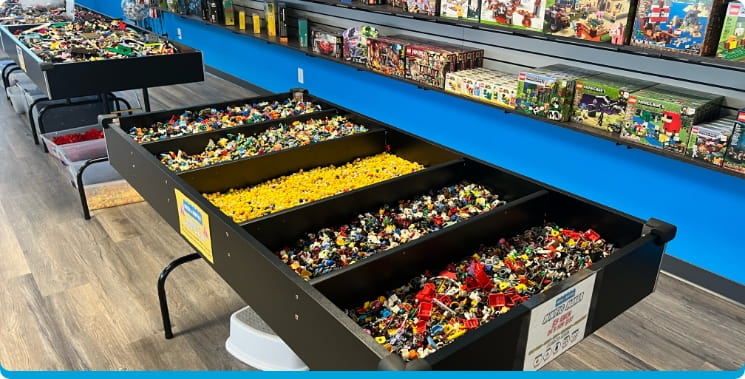
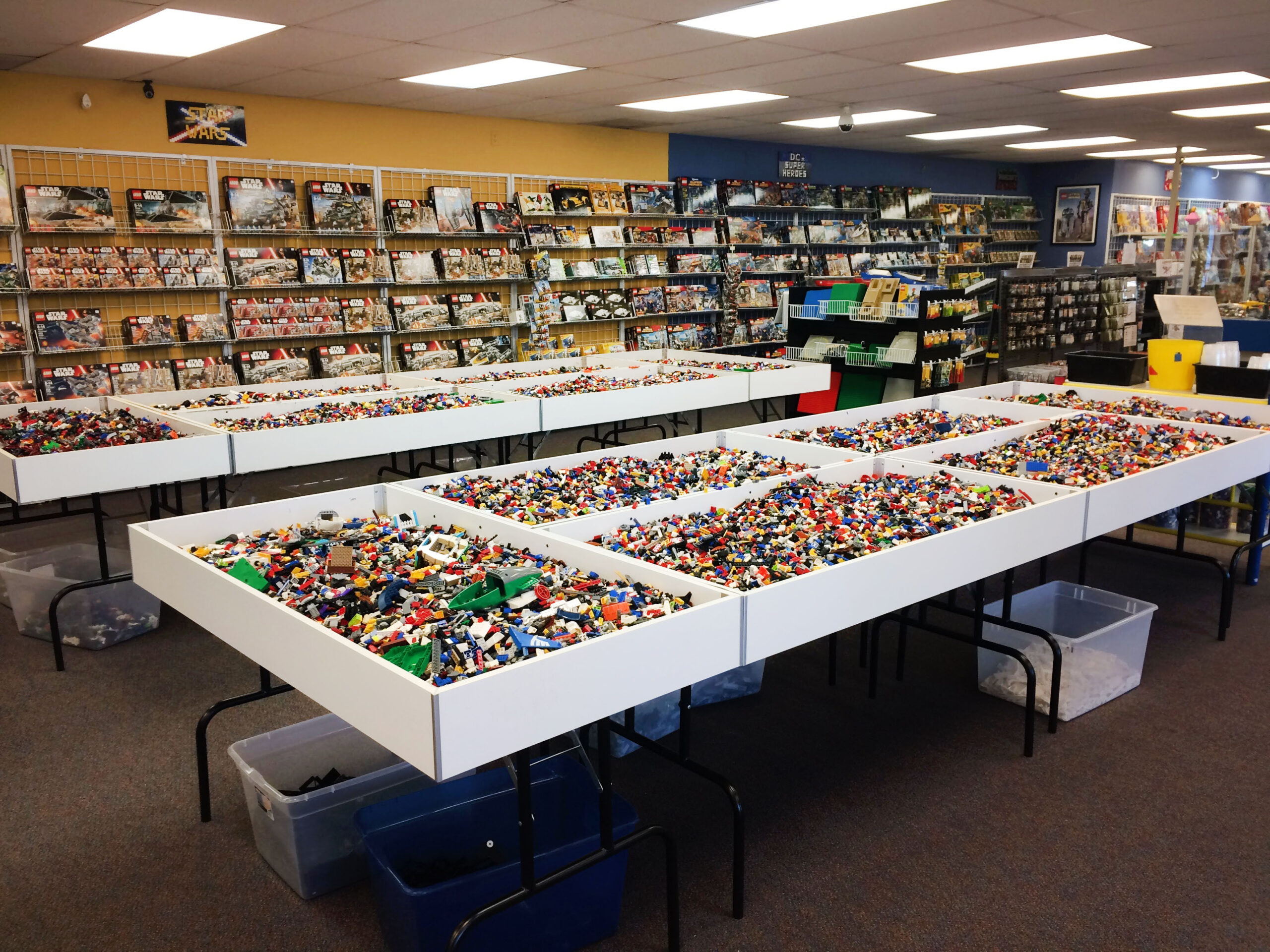
Rows of second-hand LEGO bricks and minifigures at a Bricks & Minifigs store demonstrate how resale markets can extend the life of plastic toys and support a circular economy.
A strange controversy is swirling around Bricks & Minifigs, the fast-growing chain of second-hand LEGO stores that buys, sells and consigns used LEGO sets, bricks and minifigures. At the center of the dispute is a valuable LEGO Star Wars collection in Oregon, allegations involving consignment agreements, ownership disputes, lawsuits, YouTube investigations and Reckless Ben and conflicting claims from multiple parties. The details are still being fought out in court, and many of the most serious accusations remain unproven.
What would be unfortunate is if the controversy overshadows something important: stores like Bricks & Minifigs are part of a growing movement toward reuse, repair and circular consumption. And we need more of them. Just like Zero Waste shops that help us buy soaps and home goods without plastic, we need ways to share and renew our childrens’ toys.
As a mother of a 13-year-old son, I recently faced a familiar dilemma. What do you do with hundreds of dollars worth of LEGO? Over the years we bought the Empire State Building, Baby Yoda, the Paris skyline and countless other sets. My son would spend a day or two immersed in construction. Then the finished model would become a dust-collecting sculpture on a shelf. The problem wasn’t LEGO itself. The problem was what LEGO has increasingly become.
A completed LEGO architecture set displayed on a shelf highlights the shift from imaginative building toward collectible, display-oriented toy experiences.
When I was a child, LEGO was mostly a bucket of possibilities. You dumped the bricks on the floor and built whatever your imagination invented: a spaceship, a castle, a submarine, a creature from another planet. If you didn’t have a certain piece, you made do or grabbed something from your junk drawer.
Today’s LEGO experience is often different. Many children build a branded object exactly as instructed, admire it, display it, and quickly move on to the next purchase. The company has been extraordinarily successful at transforming its products into collectibles, licensed franchises and display pieces. Star Wars, Harry Potter, Star Wars, Marvel, architecture, gaming worlds and pop culture icons have become major pillars of its business. For investors this has been brilliant. For creativity and the environment it’s a disaster.
A small family footnote sits somewhere inside this history. A cousin who married into my family comes from a toy-making lineage whose grandfather helped pioneer the idea that toys could become powerful companions to movie franchises. He was the first to conceive Star Wars characters as figurines and collectibles. The concept helped reshape the toy industry, turning fictional worlds into merchandise ecosystems. Today, LEGO is one of the greatest examples of that transformation. Yet the environmental cost of hyper-customized toys is rarely discussed.
Every highly specific set eventually reaches a moment when a child no longer wants it.
Then what? This is why businesses like Bricks & Minifigs matter.
A second-hand LEGO marketplace keeps plastic bricks circulating for years instead of ending up forgotten in basements or discarded in landfills. It gives children access to building materials at lower prices. It extends the lifespan of a product that was originally designed to last generations.
The concept resembles long-established markets for used books, bicycles, musical instruments and even video games. Children have been trading Nintendo cartridges and consoles for years. LEGO was always destined to develop a similar circular economy. But circular businesses require trust.
The current controversy illustrates how important clear consignment agreements, transparent inventory systems and rigorous chain-of-custody procedures have become. As resale markets mature, whether for LEGO, designer clothing, electronics or collectibles, customers need confidence that their property is protected and traceable.
The lesson isn’t that these stores shouldn’t exist, the business lesson is that they must become better.
In many ways, the bigger question is whether we should be encouraging children to move away from highly prescribed building experiences altogether.
Open-ended wooden building blocks encourage imagination and creativity without relying on branded characters, licensed franchises or step-by-step instructions.
Visit a Waldorf classroom (also known as a Steiner school) and you’ll often find simple blocks, natural materials and open-ended construction toys. The pieces are imperfect. They don’t lock together with engineering precision. Shapes are rounded, textures vary and colors tend to resemble nature rather than a marketing palette. You won’t find LEGO at any Steiner school.
The point is imagination. Similarly, wooden plank building systems such as Kapla encourage children to create structures from simple repeatedA dispute involving Bricks & Minifigs has sparked debate about trust in the growing second-hand toy market. But beyond the controversy lies a larger question: how can we encourage children to play more creatively while keeping toys in circulation and out of landfills? forms rather than following instructions. The child becomes the designer instead of the consumer. My son has played with his Kapla for days upon days. He’s built towers he then enjoys smashing apart.
The most sustainable toy isn’t the one that can be endlessly collected: it’s the one that can become anything.
At Green Prophet we’ve often explored the value of open-ended design, biomimicry and learning from nature rather than imposing rigid systems onto the world. Nature rarely produces perfect right angles. Trees, rivers, coastlines and ecosystems thrive through variation, adaptation and creativity.
Children deserve toys that encourage the same qualities.
So while lawyers and YouTubers battle over the latest LEGO controversy, it may be worth stepping back and asking a larger question. How do we build a toy economy that values imagination over accumulation?
The backlash against HelloFresh’s Pride Month marketing campaign has sparked a wider conversation about food, labor, sustainability, and whether consumers should reconnect with local farmers, butchers, and home gardens instead of relying on subscription meal kits.
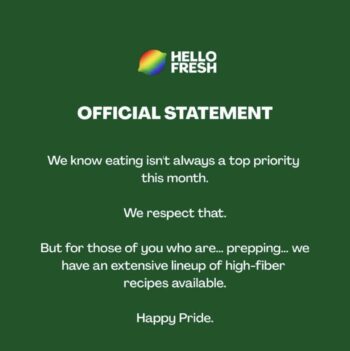
HelloFresh has found itself in the middle of an unexpected controversy after a Pride Month social media promotion suggested high-fiber recipes for customers “prepping” for Pride celebrations. Some customers laughed over the anal sex reference. Others were offended. The campaign quickly drew criticism online, with detractors comparing it to other recent corporate marketing misfires that became lightning rods in broader cultural debates, including campaigns from Bud Light and Jaguar.
But amid the outrage and social media arguments, a more interesting question has emerged: why have we become so dependent on corporations to tell us what to eat in the first place?
For years, meal-kit companies have sold convenience as a lifestyle. Fresh ingredients arrive at the doorstep. Recipes are pre-planned. Measurements are done for you. Dinner becomes a subscription. While it can be a great way to support an organic farm by ordering a box of food every week, portioned meal kits are something else.
The formula of box kits has been successful because modern life is busy. Families juggle work, school, caregiving, and endless digital distractions. A box of ingredients waiting at the door can feel like a solution. Yet the convenience comes at a cost.
Every meal kit represents layers of packaging, shipping, shippers, refrigeration, warehousing, plastics, and logistics. It also places consumers one step further from the source of their food.
The HelloFresh backlash took another turn when critics began sharing concerns about the company’s labor practices. Among them was Joshua Garrison, who posts on X as @Bearded_Bigot and says he previously worked as a contractor delivering for HelloFresh.
In a lengthy post, Garrison described what he viewed as a disconnect between corporate marketing efforts and treatment of workers. He criticized the company’s reliance on temporary labor and accused management of focusing on branding while delivery workers and warehouse staff faced low wages and job insecurity.
His account reflects personal allegations and opinions that Green Prophet has not independently verified. However, it touched a nerve among consumers already questioning the priorities of large food-delivery companies.
Those concerns are not entirely disconnected from documented events.
In 2024, the U.S. Department of Labor announced a settlement involving migrant children who had been employed by a staffing contractor supplying labor to HelloFresh facilities. The company stated that it did not knowingly employ children and said it had strengthened oversight procedures after learning of the violations.
For many consumers, the incident raised uncomfortable questions about how much they really know about the companies preparing and delivering their food. It also raises a larger sustainability question. What would happen if more people grew even a small portion of their own food? (We have the original Victory Garden handbook. You can download it here).
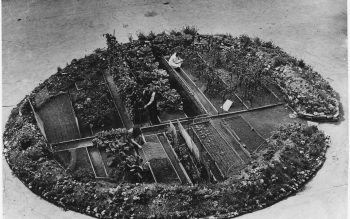
Victory Gardens were made to help during wartime as food fell short
Imagine: a tomato plant on a balcony. A pot of basil on a windowsill, a community garden plot and a relationship with a local butcher or neighborhood produce vendor. These choices won’t replace global food systems overnight. Nor will everyone suddenly have the time or space to grow their own vegetables. But there is value in rebuilding a direct connection to food.
A home-cooked meal does not require a marketing department. A backyard tomato does not need a social media campaign. A chicken purchased from a local butcher comes with accountability that no national subscription service can replicate.
The irony is that most of the world’s great cuisines were built on simple ingredients.
Shakshuka is delicious and so easy to make
You don’t need a subscription box to make shakshuka, lentil soup, roasted vegetables, or a simple salad. You need a few basic ingredients, some confidence in the kitchen, and a willingness to experiment. The debate over HelloFresh’s Pride campaign will eventually fade, just as other social media controversies have. We remember an Italian pasta company being anti-gay, and they survived.
What may endure is a growing consumer realization that the most important questions are not about clever marketing slogans or seasonal campaigns. They are about who grows our food, who packs it, who delivers it, how workers are treated, how much waste is created, and whether communities are becoming more resilient or more dependent on distant corporations.
When New Zealand wool company Zentera rebranded earlier this year, some observers noticed a subtle but significant change. References to being the world’s leading “ethical wool” company had largely disappeared, replaced by broader claims about producing the world’s best wool. For a company whose ZQ certification has become synonymous with ethical sourcing, regenerative farming, animal welfare, traceability, and premium Merino wool, the shift raised questions.
Those questions stem from an undercover investigation released by PETA Asia-Pacific in late 2024. Investigators visited more than 30 wool operations in New Zealand, including farms and shearing sheds connected to the ZQ program. The resulting footage alleged mistreatment of sheep, including rough handling during shearing, untreated injuries, overcrowding, and poor welfare practices. The investigation reverberated across the sustainable fashion industry, where brands increasingly rely on certifications and animal welfare claims to reassure consumers seeking alternatives to fast fashion and synthetic fibres.
The issue returned to the spotlight in April 2026 when New Zealand authorities announced animal welfare charges against four sheep shearers following their review of evidence gathered during the investigation. The development renewed scrutiny of wool certification systems and raised broader questions about how ethical, regenerative, and animal welfare standards are verified across complex agricultural supply chains.
ZQ wool is used by some of the world’s best-known apparel and outdoor brands. Over the years, companies including Icebreaker, Smartwool (I own their socks and they live forever), Allbirds, Helly Hansen, and luxury brands sourcing premium New Zealand Merino wool have promoted animal welfare, responsible sourcing, and environmental stewardship as key parts of their sustainability commitments. As consumers become more concerned about transparency and supply-chain accountability, certification programs such as ZQ have become increasingly influential in shaping purchasing decisions.
To better understand how Zentera views the allegations, the company’s response to the investigation, and the steps it has taken since, Green Prophet submitted a series of questions to the company. Zentera CEO Angus Street and the company’s communications team responded with the following comments, which are published below in full, with only minor edits for spelling and grammar.
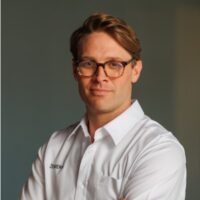
Angus Street, CEO of Zentera
Angus Street told Green Prophet by email: “Animal welfare is at the heart of what we do, and we unequivocally condemn the mistreatment of animals. We stand by our claim that ZQ is the world’s best, and most ethical wool standard. This is highlighted in the recent review of multiple wool standards by animal advocacy group Four Paws.
Our commitment to delivering ethically grown wool remains unwavering, and we will continue to hold ourselves accountable and do the best we can to raise the bar for animal welfare across the wool industry. We are committed to providing our brand partners and consumers with confidence in the integrity of the products they purchase.”
Questions and Answers with Zentera Wool Company
Why did Zentera remove the term “ethical wool”? Was this decision connected in any way to the PETA investigation or external scrutiny?
We have moved to using ‘world’s best wool’ as part of our strategic re-alignment under our new brand. The company byline about ‘ethical wool standard’, under The New Zealand Merino Company, didn’t capture the breadth of our offering and global commitment to making a positive impact for animals, people and the planet.
Planning for our rebrand was underway from late 2023 as part of a strategic business reset led by CEO Angus Street, who joined the Company in August 2023.
Our aspiration is not simply to be defined as one standard or programme, but to lead the industry forward in positive change initiatives whilst connecting the world’s best wool with the world’s most respected brands.
How do you respond to claims that ZQ is not an independent certification, but one developed and controlled by your own company?
The ZQ standard was developed and is owned and managed by Zentera. However, the standard is governed in accordance with best practice for certification schemes. For example, all ZQ growers are subject to independent third party audit; information about the standard is available in the public domain and stakeholders are consulted as part of ongoing management of the standard.
Last year the ZQ certification was one of the leading wool certification schemes in a report by Four Paws examining the strengths of different fibre programmes.
Link to the Four Paws report here: 2025-10_WiK_certification-insights-report_WEB.pdf
Have you investigated the reported animal abuse on ZQ-certified farms, and if so, what concrete actions (suspensions, audits, removals) have been taken?
Zentera identified two ZQ certified farms from PETA’s publicly available footage in December 2024, and immediately suspended those farms from the ZQ programme, and quarantined their wool, pending investigation. The one farm named by PETA as a ZQ farm (Hunter Valley Station) had never been ZQ certified.
Independent investigation performed by Control Union found no evidence of deliberate abuse, but identified gaps in training and supervision. The Ministry for Primary Industries investigation has also not resulted in any charges against those farms.
Control Union specified corrective actions for these growers before they could re-enter the ZQ programme.
In addition to the investigation of the two properties identified in the footage, we had Control Union perform another 52 spot inspections across ZQ properties and also conducted a programme-wide analysis to assess growers’ understanding of animal welfare requirements under the ZQ standard. The findings from the spot inspections and the survey raised no concerns other than identifying opportunities for improved training and awareness, particularly of staff and contractors.
Effective from July 2025, we introduced significant changes to strengthen the effectiveness of ZQ standards, across animal handling practices, training and capability for growers, and updated governance, transparency and animal welfare protocols. Information is available for all of this on our website.
As of April 2026, the New Zealand Ministry for Primary Industries (our country’s national government body) has completed its investigation into all the footage available, and will determine any legal actions this year.
What verifiable, third-party auditing exists today to ensure animal welfare compliance across your supply chain?
As mentioned above – all growers are subject to independent third-party audits at minimum every three years. In addition, third-party unannounced inspections also take place across a sample of growers.
Can you guarantee to brands and consumers that wool sold under ZQ or ZQRX labels is free from the practices described in the investigation?
As Angus has expressed above, animal welfare is at the heart of what we do, and we unequivocally condemn the mistreatment of animals.
ZQ doesn’t just set requirements like other standards – we aim to help drive the change.
ZQ and ZQ+ standards and criteria are reviewed, updated and monitored regularly to ensure that it reflects best practice and available technology.
We are proud of the positive impact ZQ has, giving growers not only the incentive to continuously improve their animal welfare practices in line with modern expectations, but also the education and support we give to growers and the industry to advance animal welfare in areas such as low-stress handling, mulesing, disease resistance and more.
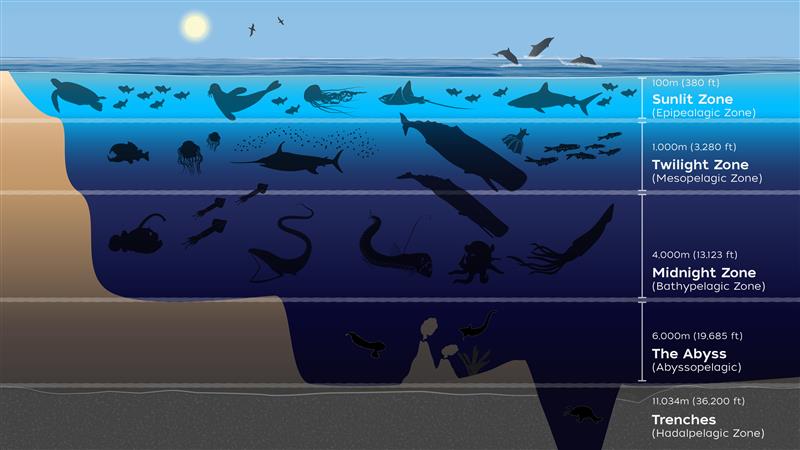
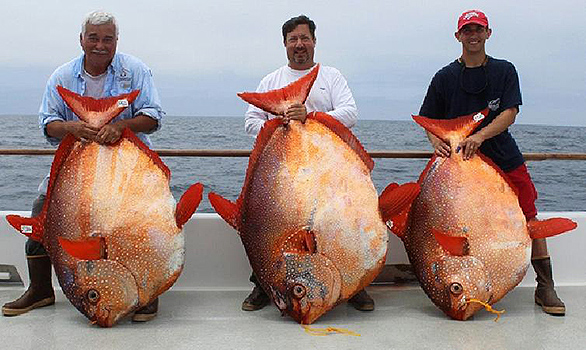
Deep below the ocean’s surface, in a dimly lit region known as the twilight zone, millions of fish are being caught every year. Scientists say the consequences are largely unknown.
The twilight zone, or mesopelagic zone, stretches from about 200 to 1,000 meters below the surface. It is home to species such as opahs, snake mackerels, and lancetfish that play an important but poorly understood role in ocean ecosystems.
Researchers from America’s Woods Hole Oceanographic Institution (WHOI) recently warned that these fish form a marine “dark web” — a hidden network of mid-level predators and prey that helps connect ocean food chains and may contribute to regulating the planet’s carbon cycle. The term dark web refers to their largely unseen ecological role, not anything sinister.
“There is a huge swath of the open ocean that we thought was not yet fished,” said Martin Arostegui, a research associate at WHOI and lead author of the study. “But it turns out the tactics that different fisheries have used over the years have made the deep-water large fishes of this ecosystem more and more susceptible to being captured.”
The researchers found evidence that industrial fishing has been reaching into these ecosystems for decades, often without attracting much attention from scientists or policymakers. Many mesopelagic species are not covered by mandatory catch reporting, making it difficult to know exactly how many are being removed from the ocean. Chinese fishing boats are notorious for going out in the thousands, and trawling around what should be protected areas, like the Seychelles. There are currently no superpower or group of countries regulating China.
Over-fishing the Dark Web matters because twilight-zone fish do more than simply feed larger predators. They also move carbon and nutrients through the ocean as they migrate between deep and shallow waters.
“We know surprisingly little about these fishes despite their likely importance to ocean ecosystems,” said WHOI oceanographer Camrin Braun. “That knowledge gap makes it difficult to understand how fishing pressure may already be affecting food webs and ocean carbon storage.”
Scientists have estimated that mesopelagic fish make up one of the largest animal biomasses on Earth, although the true figure remains uncertain. They are also an important food source for tuna, swordfish, sharks, marine mammals, and seabirds. The concern is that large-scale harvesting could disrupt both marine food webs and the ocean’s ability to store carbon.
“This study highlights how much remains to be learned about life in the twilight zone and how urgently we need better monitoring and management,” Arostegui said. As interest grows in harvesting deep-ocean fish for fishmeal, aquaculture feed, and other products, researchers say understanding these hidden ecosystems should come before expanding fishing pressure.
The ocean’s twilight zone may be out of sight, but scientists warn that what happens there could have consequences that reach all the way to the surface. There are similar concerns about deep sea mining, an issue we have covered extensively on Green Prophet.
Aalto University researchers create a protein-based adhesive inspired by barnacles and mussels that works underwater and could aid coral reef restoration.
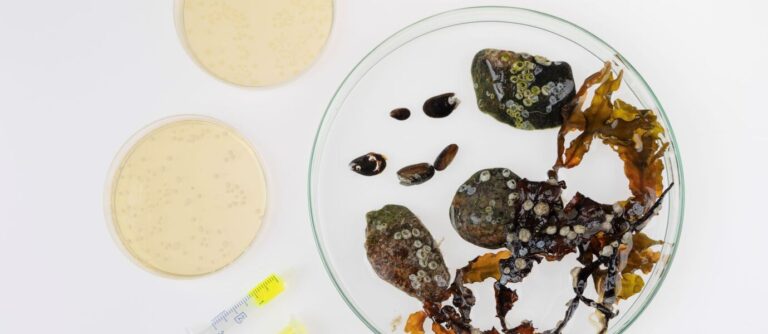
Barnacles and mussels may not seem like obvious sources of innovation, but their remarkable ability to cling to rocks, ships, and other surfaces has inspired researchers for decades. Now scientists at Aalto University in Finland (the same university that has found support for odd-shaped timber) have developed what they describe as the world’s best 100% protein-based adhesive by combining biological traits from both marine organisms.
Researchers used DNA fragments from barnacles and mussels found in genetic databases and inserted them into Escherichia coli bacteria. The bacteria then produced protein molecules based on the engineered DNA instructions.
The resulting adhesive works in dry conditions, wet conditions, and even underwater. This advance could repair coral reefs or become a new biological glue used in emergency situations for suturing and construction in coastal and flood zones.
The breakthrough is significant because most of the world’s adhesives are made from petroleum-based materials. According to the researchers, global consumption of adhesives has reached approximately 19 million tonnes annually, with widespread use in construction, textiles, packaging, and manufacturing.
While a bio-based alternative could eventually replace some conventional glues, the researchers point to applications where existing adhesives often struggle.
“Thanks to its water resistance and biocompatibility, this protein adhesive could be used to repair coral reefs—or one day even heal major tissue injuries, potentially saving human lives,” said doctoral researcher Helena Aspelin.
The underwater performance of the adhesive is particularly noteworthy. Conventional glues often lose effectiveness when exposed to moisture, making marine and medical applications especially challenging.
Coral reef restoration is one potential area where the new material could prove useful. Around the world, conservation groups transplant coral fragments onto damaged reefs, but attaching those fragments securely in underwater environments remains difficult. A protein-based adhesive that functions underwater could potentially offer an alternative approach.
The research also highlights the growing field of biomimicry, where scientists and engineers look to nature for solutions to human challenges. Barnacles and mussels have evolved highly effective natural adhesives over millions of years, enabling them to survive in harsh marine environments where waves, currents, and changing conditions constantly test their grip.
By borrowing biological strategies from these organisms, researchers hope to develop materials that perform better while reducing reliance on fossil-fuel-based products.
The new adhesive remains in the research stage, and further development will be needed before it reaches commercial, environmental, or medical applications. However, the work demonstrates how studying nature’s own engineering solutions can lead to new possibilities for sustainable materials.
For now, one thing is clear: the same natural glue that allows barnacles and mussels to survive in rough seas may someday help restore damaged ecosystems—and potentially support future medical treatments as well.
Researchers hope the findings will encourage architects and builders to consider naturally shaped timber as a viable construction material rather than waste wood.
Crooked, forked and curved trees are often treated as second-class timber. They are considered less valuable, and not suitable for load bearing walls or support systems in building. If a tree trunk is not straight enough to become a saw log, it is frequently diverted into pulp production or burned for energy. Now, new research from Aalto University in Finland could help change that.
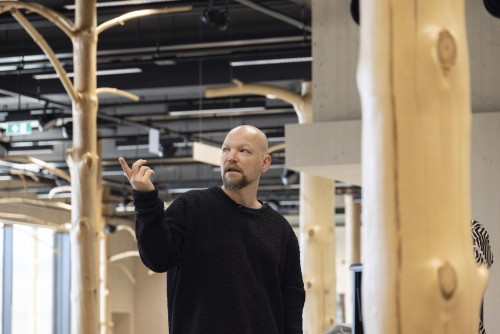
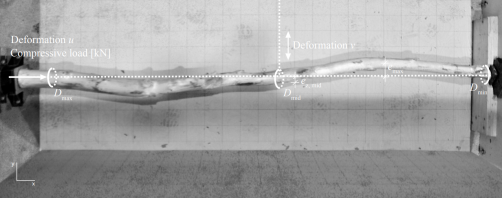
Architect and researcher Jaakko Torvinen has published what Aalto University describes as the first structural load tests of organically shaped roundwood columns, including curved, double-curved and forked logs that would typically be considered unsuitable for conventional timber production.
The study found that standard engineering calculation methods can also be used to predict the load-bearing capacity of these naturally shaped tree trunks. This could put billions of dollars worth of lumber back in circulation increasing carbon storage in building.
Torvinen showcased his research in none other than a sauna, the favorite past-time of every Finn. In Canada people measure money in cases of beer, in Finland it’s by how many saunas is it worth.
“I am happy to see that the news has reached the news in Canada,” Torvinen tells me when I reached out. “I was just there in Carleton University, Ottawa, co-teaching Forest-Building studio together with my dear colleague Dr. Peter Osborne. The theme of the studio were this same than my study in the news: how to utilize misfit wood in architecture.”
Architect and researcher Jaakko Torvinen has published what Aalto University describes as the first structural load tests of curved, forked and double-curved roundwood columns that are typically excluded from conventional timber production.
“It’s actually a pretty simple equation that can be used to gauge its load-bearing capacity,” said Torvinen. “What’s surprising is that nobody has done this earlier.”
According to Torvinen, the timber and construction industries have long favored straight, standardized wood products.
“We’re so used to thinking in terms of standardised planks or beams,” he said. “This explains why nobody has ever looked at a tree trunk and come up with an algorithm to gauge its strength.”
The study tested organically shaped roundwood columns, including forked and double-curved logs, and found that standard engineering calculations can be used to estimate their load-bearing capacity.
Torvinen argues that this approach results in substantial waste.
“If it’s not suitable as saw logs, it goes to pulpwood or energy wood,” he explained. “But our assumption that ‘generic is best’ is old-school thinking –– and we’re wasting way too much good wood.”
The research is part of a broader effort to identify new uses for wood that is currently overlooked by the timber industry. According to Aalto University, the findings suggest that existing calculation methods can be applied to organically shaped roundwood columns when determining their load-bearing capacity.
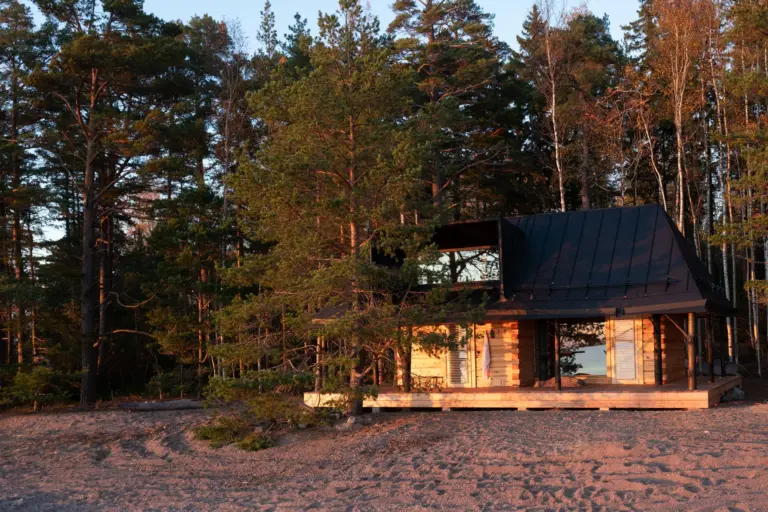
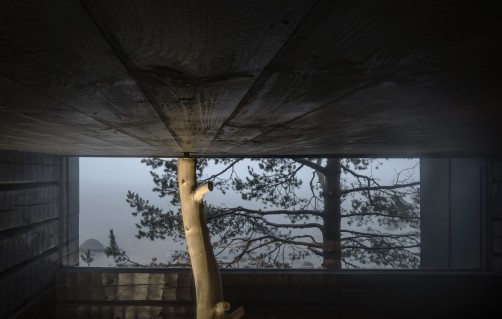
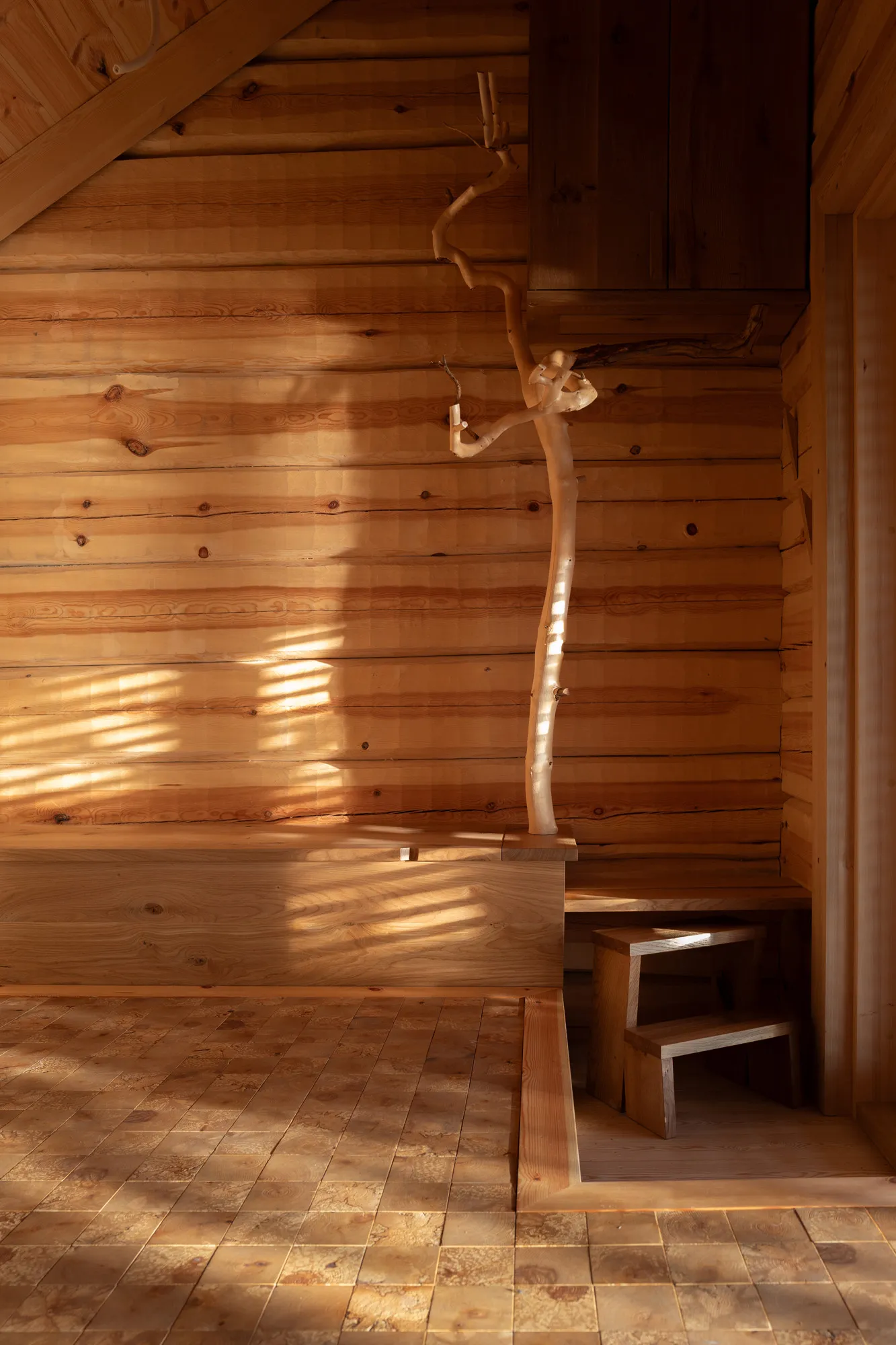
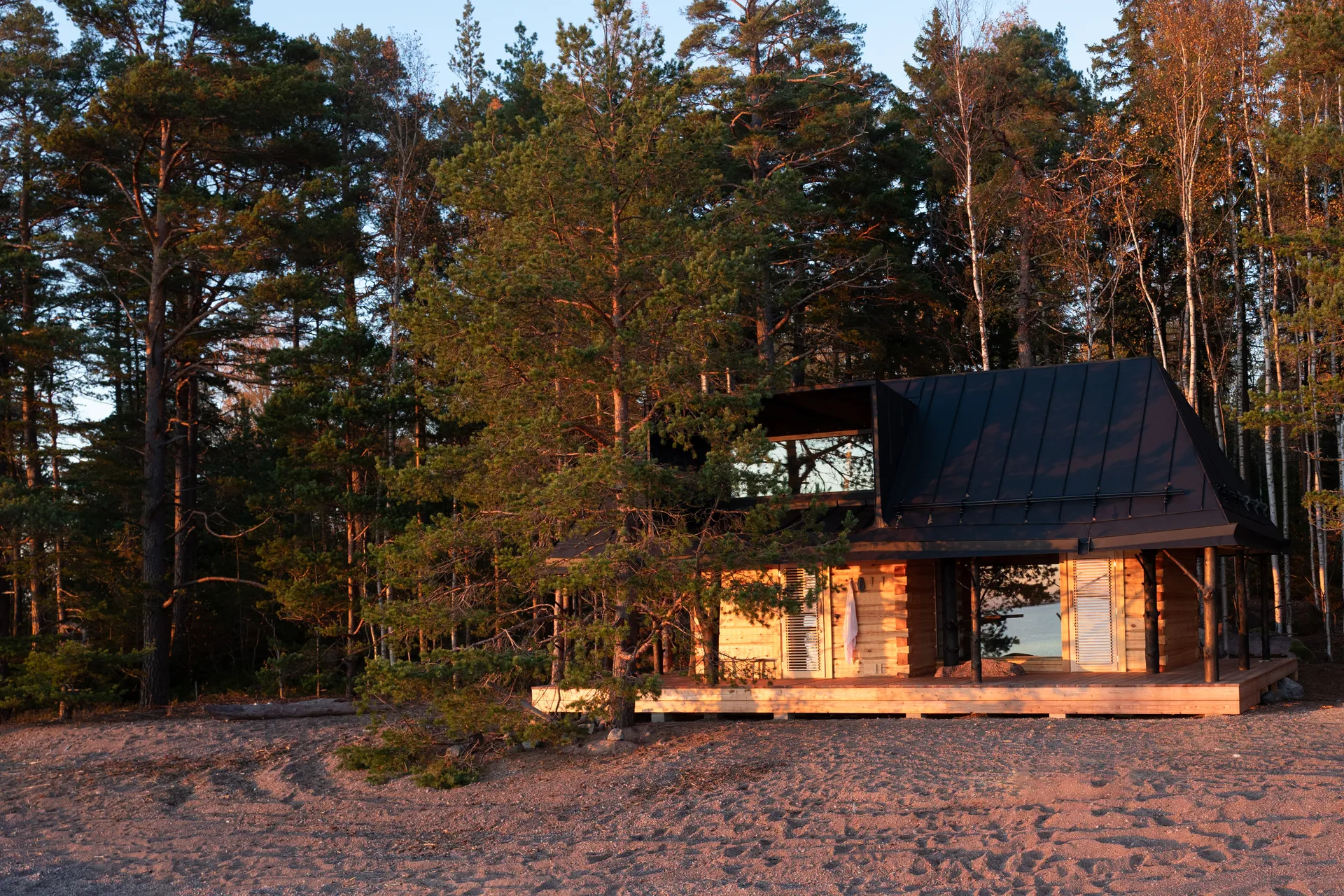
Puusauna showcases how naturally shaped timber can become a celebrated architectural feature rather than a construction defect. (Image credit: Teppo Lakanniemi)
The study also points to future opportunities when combined with digital design and fabrication technologies. According to Torvinen, combining structural knowledge with digital tools could help reduce barriers to using unconventional timber in construction and support greater use of mass-customized building components.
In future projects, when a designer or client wants misfit wood in a building, it won’t be laughed at as an icebreaker, but considered as a legitimate design proposal like any other.
“Using standard timber only is something that cash-strapped consumers are ready to abandon,” Torvinen said. “So I want to clear the path to industry embracing the possibilities of misfit wood too.”
Torvinen’s architectural work has explored the use of unconventional timber forms in projects including Helsinki’s temporary Pikku Finlandia building and Puusauna, a project that received a 2026 Wallpaper* Design Award. With all due respects vernacular builders have been doing this since time began, but we love how it’s being showcased along with the data.
Puusauna showcases how naturally shaped timber can become a celebrated architectural feature rather than a construction defect. (Image credit: Teppo Lakanniemi)
He hopes the latest research will help support wider acceptance of naturally shaped timber elements in construction.
“In future projects, when a designer or client wants misfit wood in a building, it won’t be laughed at as an icebreaker, but considered as a legitimate design proposal like any other,” said Torvinen.
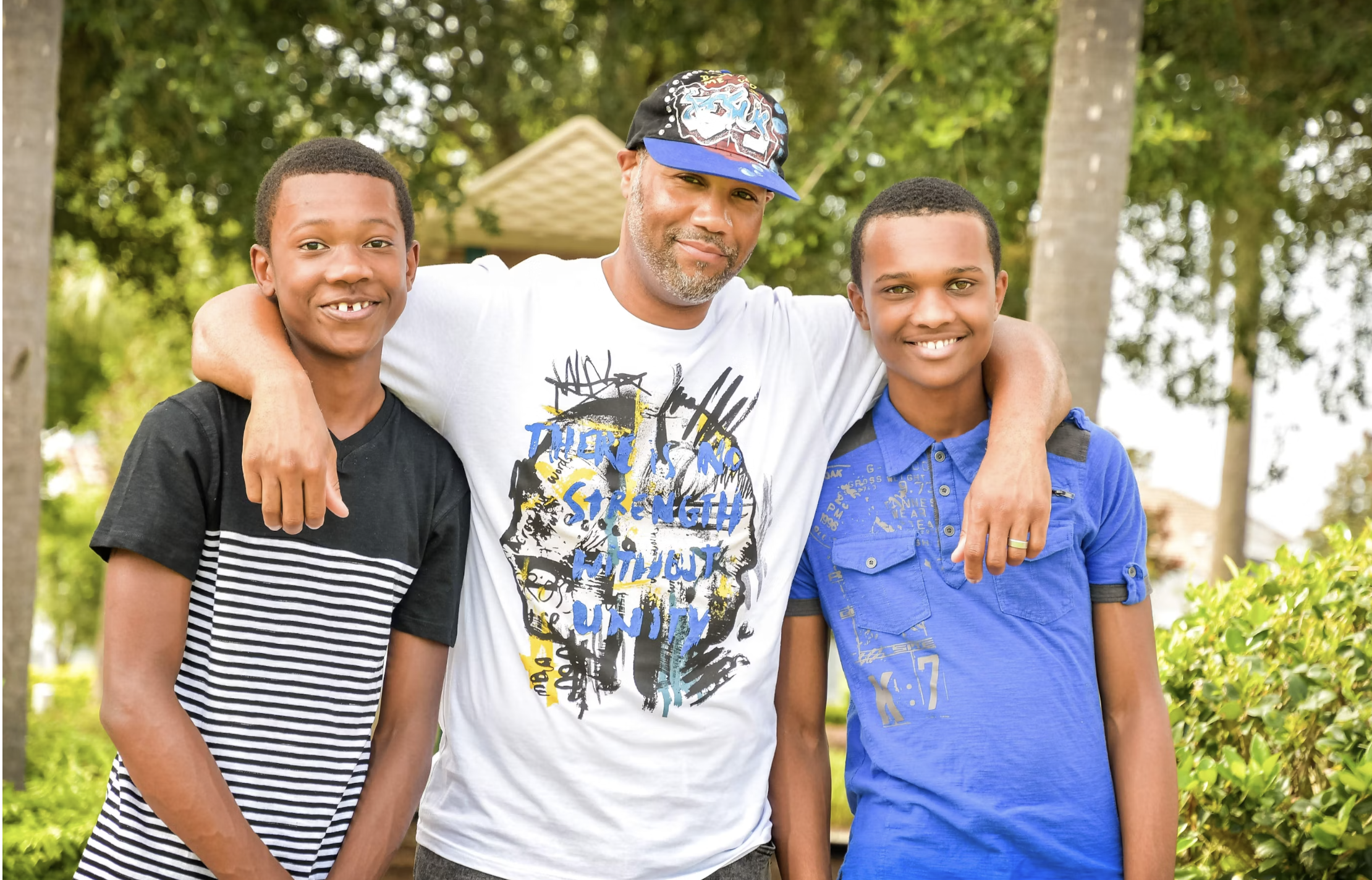
A new U.S. study finds that Black men who become fathers may experience lower rates of all-cause mortality by middle age compared to nonfathers, highlighting the complex relationship between parenting and health.
A new U.S. study published in the American Journal of Public Health found that Black men who became fathers had lower rates of all-cause mortality by middle age compared to Black men who did not become fathers. The same association was not observed among White fathers.
Researchers followed Black and White participants who were between 18 and 30 years old when enrolled in the study in 1985 and 1986.
“Fatherhood is increasingly recognized as a social influencer of health, but we were surprised to uncover racial differences in health outcomes of fathers, especially in relation to early death,” said lead author Dr. John James Parker, pediatrician and researcher at Ann & Robert H. Lurie Children’s Hospital of Chicago and Assistant Professor of Pediatrics and Medicine at Northwestern University Feinberg School of Medicine.
“The potentially protective effect of fatherhood for Black men warrants further study to understand how and why this is the case,” Parker said.
Early Fatherhood Associated with Health Risks
The study also found that becoming a father before the age of 25 was associated with poorer health outcomes later in life. Black men who entered fatherhood at a younger age were found to have a higher risk of all-cause mortality at follow-up decades later. White men who became fathers before age 25 were more likely to experience poorer cardiovascular health as they aged.
“Our finding that becoming a father at a young age placed men at risk for worse health in the long-term supports previous research,” Parker said.
“It also highlights an important opportunity to intervene with young fathers, to educate them about behaviors that promote health and offer social supports. Ultimately, we need to raise awareness among young fathers that their health impacts the well-being of the entire family.”
Measuring Long-Term Health
Fatherhood may influence health in unexpected ways, according to a long-term study tracking Black and White men from young adulthood into middle age.
The study included 1,648 men with available fatherhood data. Researchers assessed cardiovascular health using the American Heart Association’s Life’s Essential 8 framework, which evaluates healthy diet, physical activity, avoidance of nicotine, healthy sleep, healthy weight, blood lipid levels, blood glucose levels, and blood pressure.
The research was conducted by scientists affiliated with the Family & Child Health Innovations Program (FCHIP) at Lurie Children’s Hospital.
The program focuses on understanding how parents contribute to children’s health and development across a variety of family structures and circumstances.
The authors say additional research is needed to understand why fatherhood appears to have different health associations among Black and White men and how support systems for young fathers might improve health outcomes over the long term.
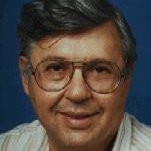
A giant Energy Tower by Professor Dan Zaslavsky of the Technion
For decades, the Energy Tower by Dan Zaslavsky was one of the most audacious clean-energy ideas never built. And it was the first story we covered when Green Prophet was founded in 2007!
Dan Zaslavsky date unknown
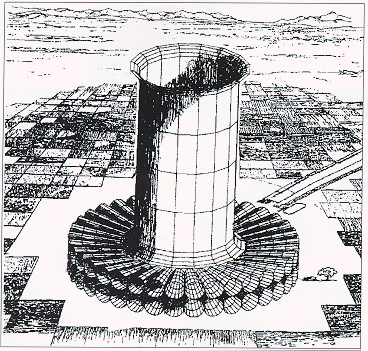
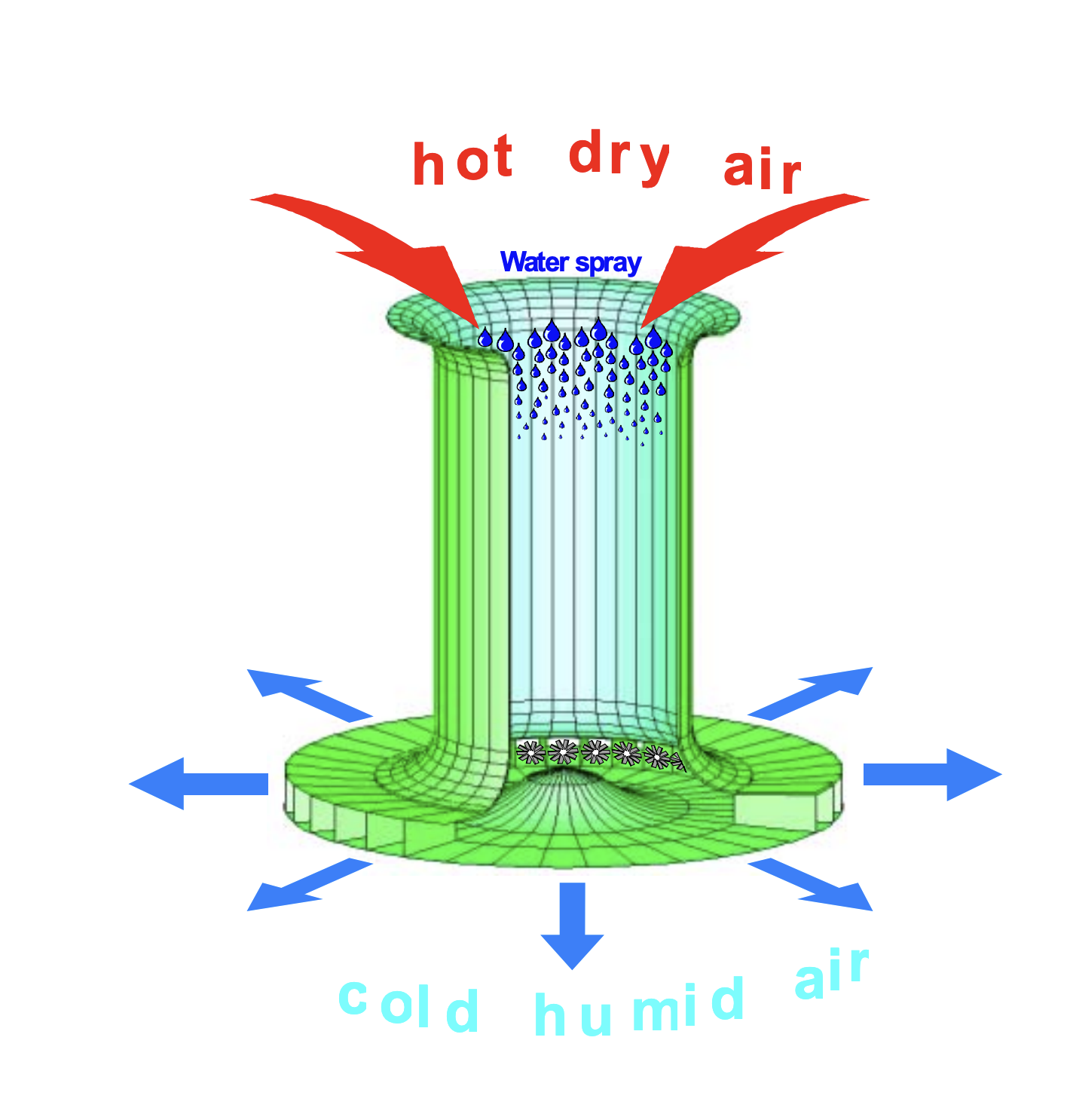
Conceived by Dr. Phillip Carlson and championed by Professor Dan Zaslavsky of the Technion in Israel, the Energy Tower proposed something almost magical: spray seawater into the top of a giant desert tower, cool the hot air, let it plunge downward at high speed, and generate electricity through turbines at the base. The hotter and drier the desert, the better it would work. Zaslavsky envisioned towers over 1,000 metres tall rising from the Negev, Jordan Valley, and Red Sea region, generating power day and night while potentially producing fresh water.
The Energy Tower
The idea never made the leap from drawings and engineering studies to full-scale construction. We have the original PDF proposal and science —> LINK HERE
The UN advertised its potential in 2001 but noted then that the $20M USD cost to build it was limiting. But nearly two decades after most people stopped talking about it, the concept is quietly evolving in two unexpected places: China and Iran. The concept let dreamers dream and doers do – figuring out more pleasing designs and engineering.
The Downdraft Energy Tower
China turns the Energy Tower into a climate machine
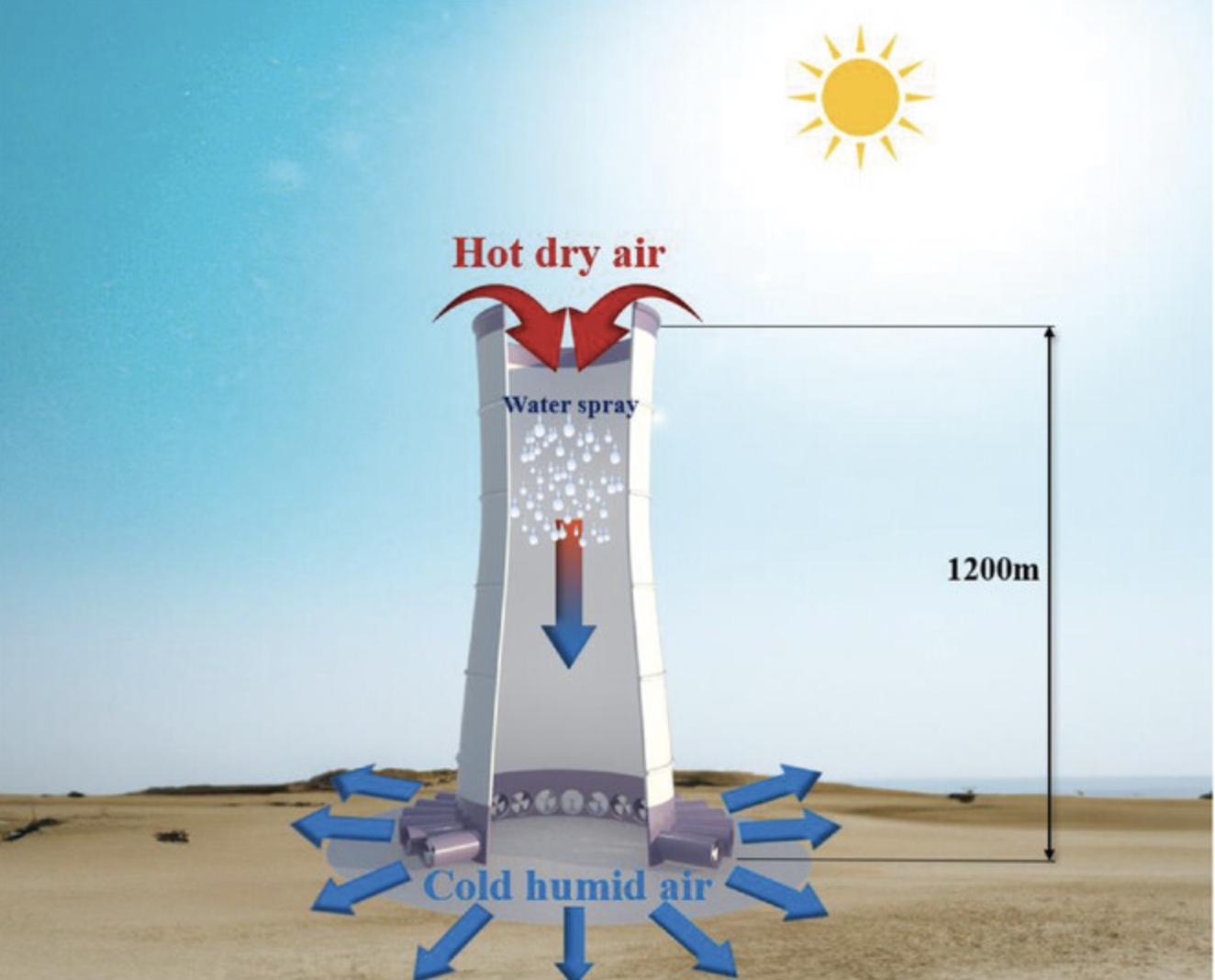
The Chinese methane paper, on the other hand, is much closer to the original Energy Tower because it explicitly describes spraying water into the top of the tower to create the downdraft, exactly as Carlson and Zaslavsky envisioned.
In 2023, researchers from the University of Edinburgh, Wuhan University of Technology and other institutions revisited the downdraft Energy Tower concept with a new purpose: removing methane from the atmosphere. Their study proposed that the humid air released from a downdraft tower could increase the formation of hydroxyl radicals, the atmosphere’s primary cleanser and the main natural sink for methane.
Downdraft Energy Tower (DET)
The researchers estimated that a tower 1,200 metres high and 400 metres in diameter could generate roughly 380 MW of electricity while simultaneously helping remove atmospheric methane. They calculated that a single Jordan-based tower could remove approximately 12.5 tonnes of methane per day under ideal conditions.
Whether those numbers hold up in practice remains to be seen. No commercial-scale downdraft Energy Tower has yet been built. But the research marks a remarkable shift. The tower is no longer viewed merely as a power plant. It is being reimagined as a tool for climate remediation.
Iran transforms the tower into a vertical oasis
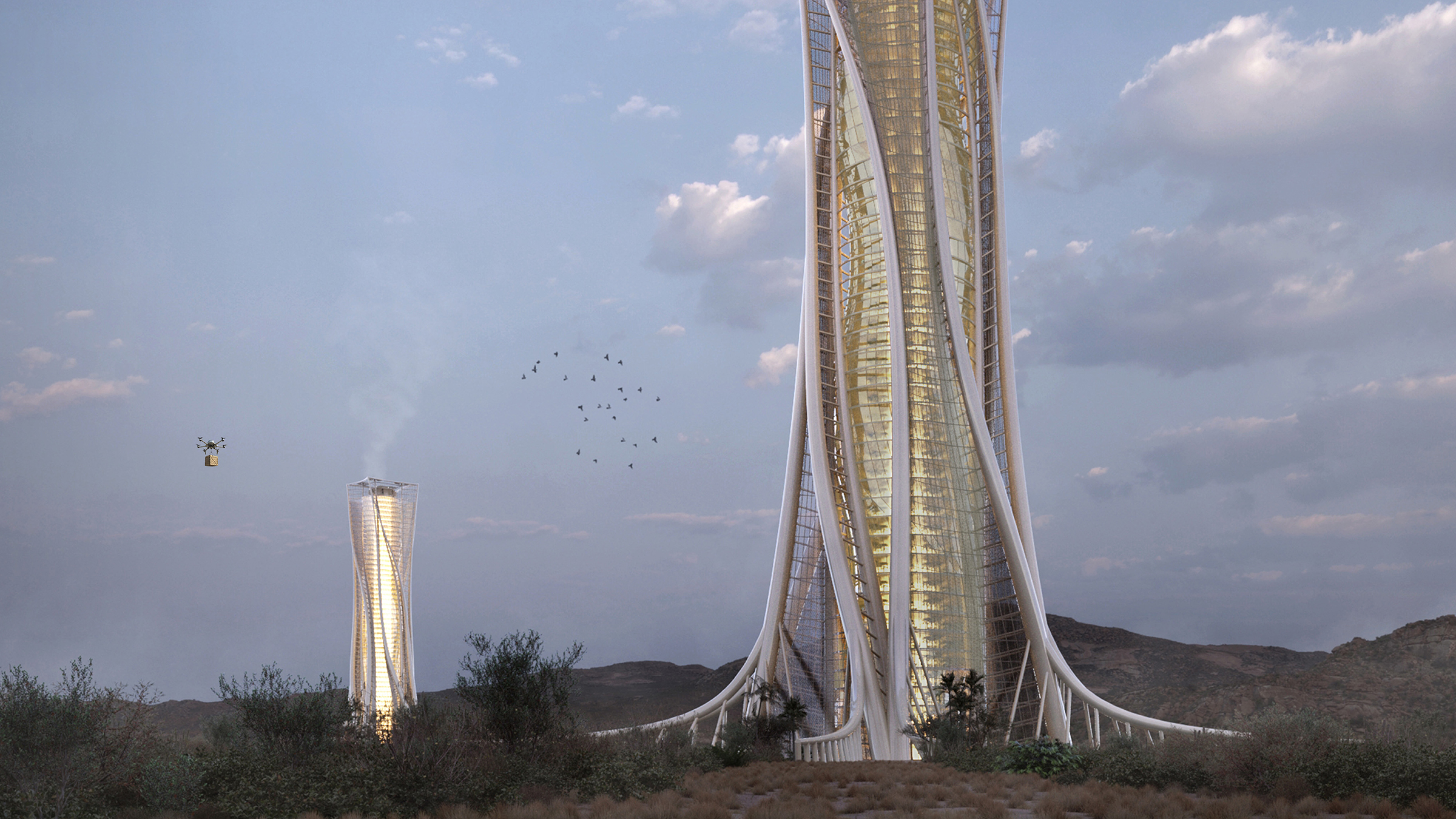
Iranian Energy Tower
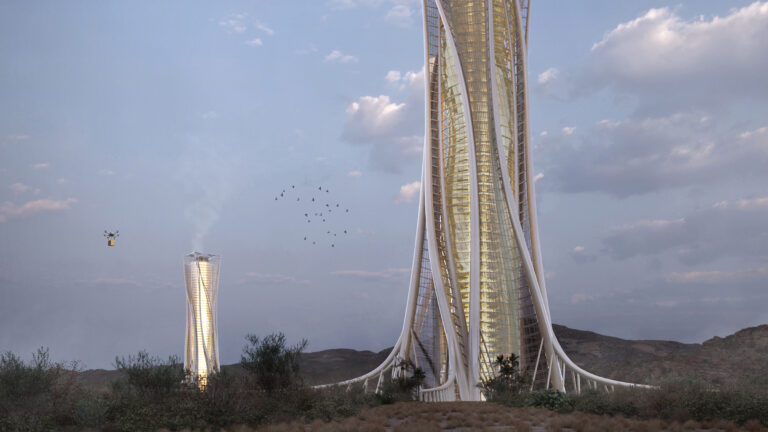
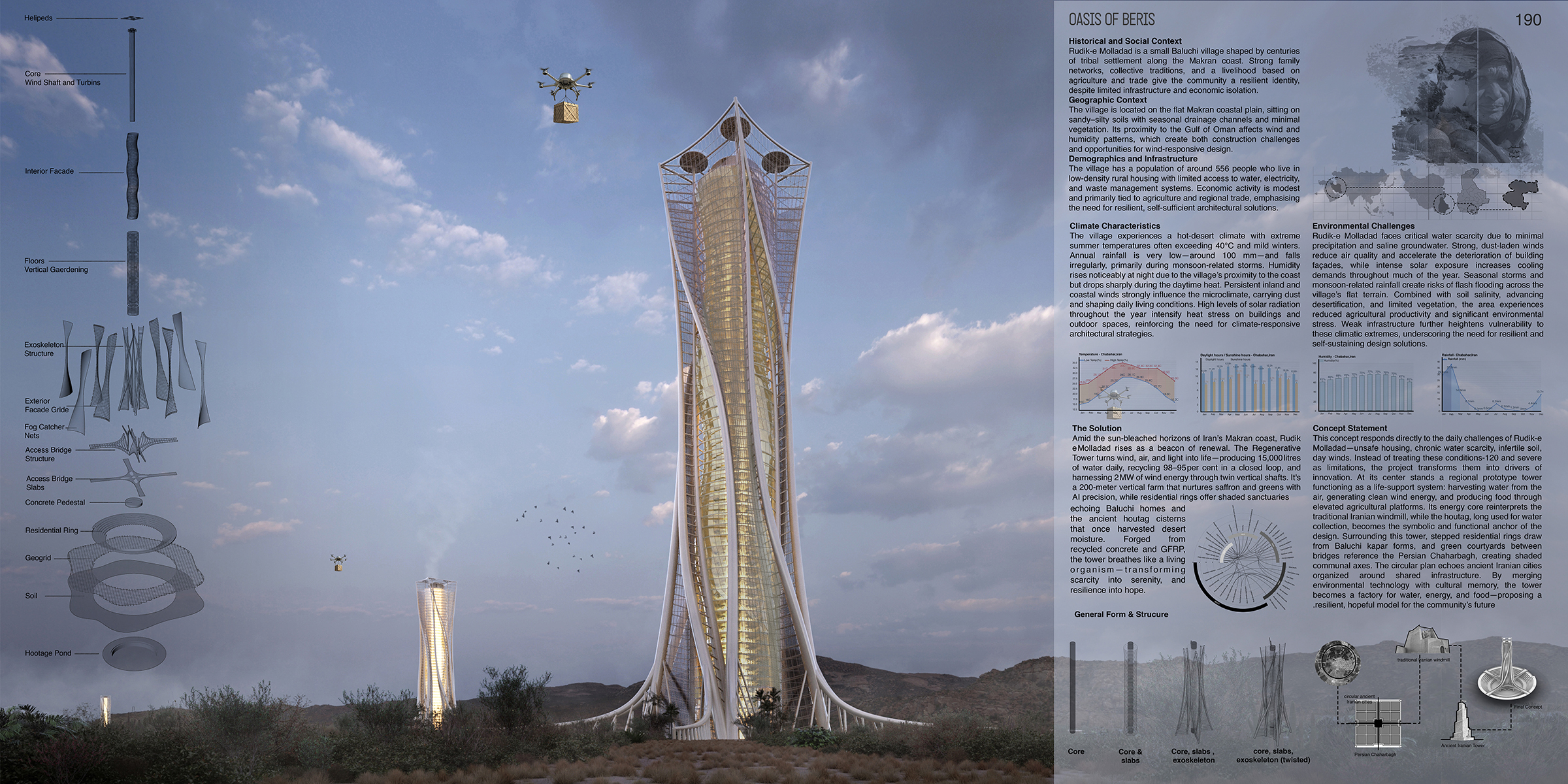
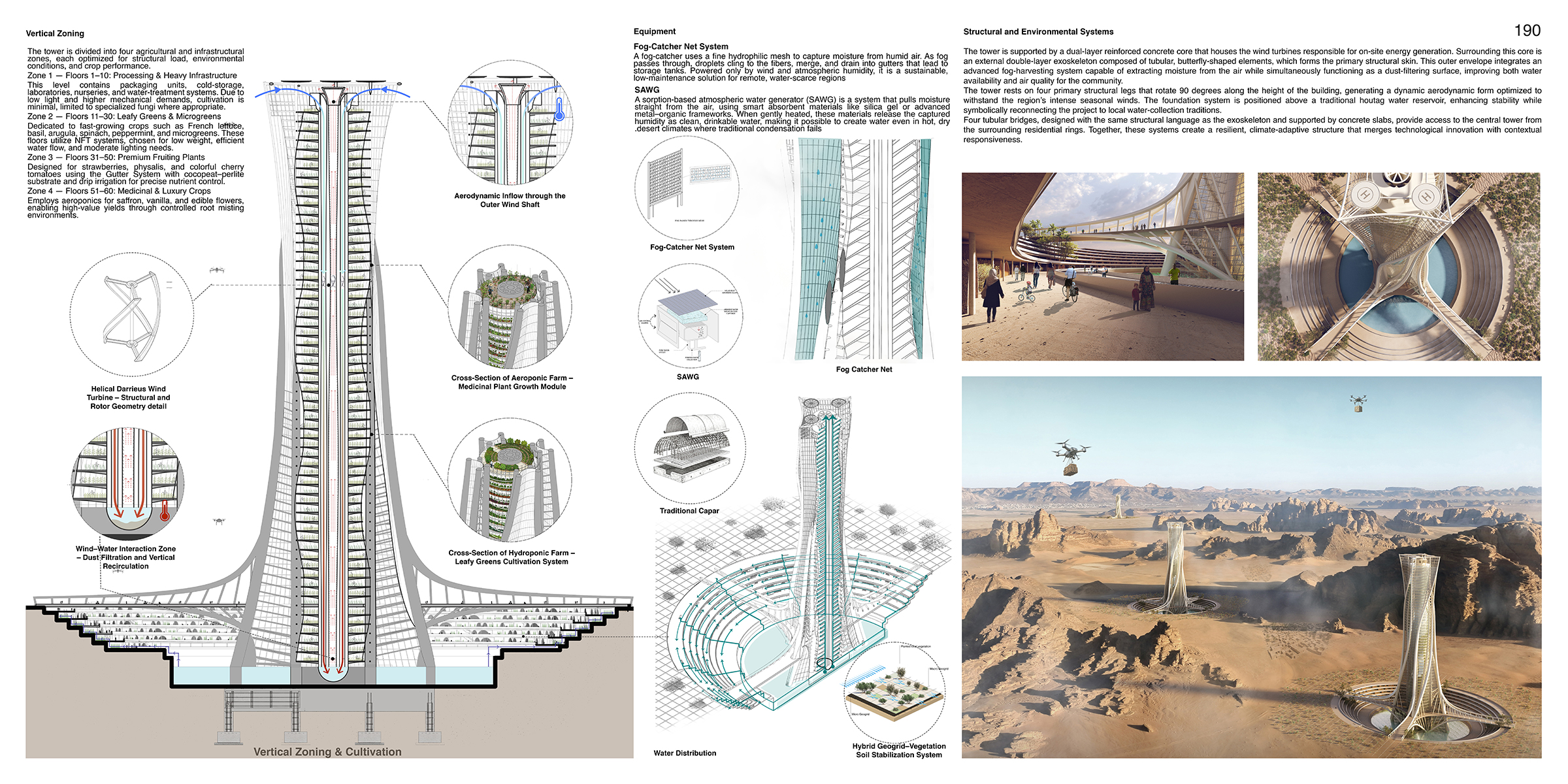
Meanwhile, a team of Iranian architects received an Honorable Mention in the 2025 Skyscraper Competition for their “Regenerative Tower” proposal on Iran’s Makran coast.
Unlike Zaslavsky’s energy-focused concept, the Iranian project imagines the tower as an entire ecosystem. The design combines wind energy generation, atmospheric water harvesting, food production, housing and climate adaptation in a single 200-metre structure.
The tower’s twin wind shafts generate energy. A butterfly-like exoskeleton captures moisture from the air. Vertical farms produce vegetables, fruit and medicinal crops. Residential rings provide shaded housing inspired by traditional Baluchi architecture. The project claims it could generate up to 15,000 litres of water per day while recycling nearly all of its water in a closed-loop system.
Iran’s Energy Tower
Although the project does not explicitly employ the classic evaporative downdraft system developed by Carlson and Zaslavsky, its philosophy is strikingly similar: use desert heat, wind and humidity not as obstacles but as resources.
What links these projects is not simply a tower. It is a way of thinking.
Carlson and Zaslavsky believed deserts should not be viewed as barren landscapes waiting for resources to be imported. They believed deserts themselves contained enormous untapped energy. Heat, dryness, wind and seawater could be transformed into electricity, water and prosperity.
China’s methane-removal research expands the concept into the realm of climate engineering. Iran’s Regenerative Tower expands it into urban design and community resilience.
Neither project has yet delivered a functioning tower. But both suggest that Zaslavsky’s dream may have been ahead of its time. From the engineering literature, Carlson appears to have been an American engineer/inventor, and the concept emerged in the United States before being adopted and extensively studied in Israel during the 1970s–1990s. The Israeli work is much better documented than Carlson’s own biography.
Nearly half a century after its invention, Dan Zaslavsky’s giant Energy Tower may finally be finding its moment.
“Make sure to place your organic waste in the buckets outside and please use our shampoo and soap when you shower so chemicals don’t enter or gray water system,” my hostess explained to my family as we first arrived in Amirim. I immediately felt at home.
We’ve been covering lots of eco-tourism tips and organic and vegetarian hot spots in Tel Aviv on Green Prophet, but I recently spent the weekend at a tzimmer (guest lodge) in moshav Amirim that was a vegetarian and ecological paradise unto itself.
Just 15 kilometers from Tzfat there is a moshav that was founded in the late 50s that was ideologically influenced by organic, vegetarian and vegan principles. My hostess at Ohn-Bar, the tzimmer where I stayed, explained that the people of Amirim were among the pioneers of Israel’s strong vegetarian movement.
The Solitary Cabin in Amirim offers a peaceful retreat among the oak forests of the Upper Galilee, combining privacy, nature, and panoramic views for visitors seeking a slower pace of life.
And as its heritage suggests, Amirim was truly a special place. The view of the Upper Galilee was incredible, only enhanced while eating the organic fruits that come from the yards of most of the moshav members. Most of the tzimmerim are in some way a part of moshav members’ property, usually small wooden lodges shaded by fig and lemon trees. Visitors are on their honor not cook in the kitchenettes with meat products.
Besides local concerts—in fact, there was a jazz concert the night we arrived—there are terrific restaurants to frequent, both in Amirim and nearby (the nearby restaurants also serve meat for those traveling with omnivorous companions). Dalia is one of the establishment vegetarian places having been open and run by an eccentric woman named Dalia for thirty years. I ate there for breakfast and dinner and both times felt fully satisfied by both the meal and the experience.
Very much a slow-food inspired restaurant, Dalia doesn’t let you order. She takes care of everything. Every diner pays a flat fee and she brings out dish after dish for the table. The main courses are all prepared on the spot, and were rather complex and delicious; the peanut-date balls in onion stock stand out in my memory, along with dates stuffed with quinoa and almonds, among lots of others, and plenty of prepared salads. All of her jams and tahini spreads and cheeses are homemade.
My Israeli counins, most of whom are notoriously skeptical of anything vegetarian, were delightfully pleased by the meal, and its relative inexpensiveness compared to the other restaurants in the region, like those in Rosh Pinah where we dined the previous day.
Dalia then invites you for dessert on the porch or in the garden and prepares an herbal tea with her own garden herbs, served with homemade cakes in the morning and litchi for dessert in the evening. She serves no caffeine, no white flour, and nothing that she deems unfit to eat. I believe it’s mostly (possibly fully) organic, as well.
Ariella, my older cousin, spent one morning receiving free facials from local cosmetic makers who use only natural ingredients. She returned down south with olive oil shampoo and toner.
Our hostess at Ohn-Bar also made her own organic wine, as apparently many of the hostesses do, and we lounged in hammocks, watched the sunset, and downed the sweet wine (it wasn’t the greatest wine, but homemade added to its charm).
However, like many things organic and sustainable, accommodations at Amirim are on the expensive side. Though given the its uniqueness, it’s well worth a visit even if just to dine at the few vegetarian restaurants or appreciate the view among the fellowship of Israeli visionaries.
See more vegetarian-related posts on Green Prophet:
Weston Higginbotham was found dead in a Kyoto area forest this weekend.
The death of 20-year-old Auburn University student Weston Higginbotham outside Kyoto, Japan, has sparked an outpouring of grief and reflection online. Higginbotham, who studied biosystems engineering and was known by family and friends as a passionate environmentalist, disappeared while traveling in Japan with his mother before his body was later found in a forested area near Kyoto.
His mother, Nancy Higginbotham, shared the news on Saturday that his body had been found by a volunteer search and rescue group.
Authorities have not publicly released a cause of the 20 year-old’s death, and speculation circulating online should be treated with caution. Yet amid the mourning, a deeper conversation has emerged about the emotional burden many young people carry as they confront climate change, technological disruption, and uncertainty about the future.
In some ways, Weston, a student at The Auburn University, has become a symbol of a generation wrestling with environmental and technological anxiety. Friends and family described him as deeply concerned about environmental issues. Reports also noted that he questioned the growing role of artificial intelligence in daily life, even reportedly disagreeing with his mother about her use of ChatGPT while planning travel.
A forest in the Kyoto area. For illustrative purposes only.
For many older adults, artificial intelligence represents innovation, productivity, and opportunity. For many younger people, however, AI arrives alongside climate change, housing insecurity, political polarization, and economic uncertainty. Rather than seeing a future full of possibilities, some see a future that feels increasingly unstable.
One anonymous commenter on Reddit captured this sentiment:
“As someone who studied environmental science at university, the climate anxiety/grief is very intense. Doing four years of environmental education is extremely depressing, it’s one bleak stat another, it was mentally very challenging to be so deep into the topic, and was very isolating as other people just go on living their typical consumer lives and you learn more and more each year.
“Beyond that I think older generations are not understanding that AI is causing serious existential discomfort and despair about the future in many young people. Older people are excited to be hip to new technology. Many young people find it really fucking bleak, and that’s on top of an already very bleak picture of the future. Telling them to adapt to the inevitable is not the way.”
The comment resonates because it highlights something environmental educators rarely discuss openly: there is a difference between awareness and empowerment. For decades, environmental education has excelled at communicating problems. Students learn about rising temperatures, biodiversity collapse, ocean plastics, melting glaciers, species extinction, drought, flooding, and pollution. These are important realities that deserve attention.
But what if we have become so focused on describing the crisis that we have forgotten to teach solutions? I took environment classes at UofT in the 90s and graduated with a feeling of hopelessness for the planet and life that depends on it.
Children growing up in the 1980s often lived with the fear of nuclear war. Images of mushroom clouds and Cold War confrontation shaped a generation’s imagination. Today’s young people face a different set of fears. Climate change, artificial intelligence, and ecological decline dominate headlines and social media feeds, creating a constant sense that disaster is approaching.
Yet unlike previous generations, today’s youth are also surrounded by remarkable opportunities to build a better future.
Green hydrogen technologies are advancing rapidly (see Prologium IPO). Entrepreneurs are creating plastic-free packaging alternatives from seaweed, mushrooms, and agricultural waste. Circular economy businesses are designing products meant to be repaired instead of discarded. Secondhand fashion is becoming mainstream. Cities are experimenting with zero-waste systems. Renewable energy is now among the cheapest forms of electricity in many parts of the world. These developments rarely receive the same attention as catastrophe.
Environmental education should not become less honest. Students deserve to understand the seriousness of climate change and ecological degradation. But they also deserve to know that thousands of scientists, engineers, entrepreneurs, farmers, designers, and activists are actively building solutions. And that they can be a part of it.
Imagine an environmental curriculum that teaches not only what is broken but also how to fix it. Students could learn how solar panels are manufactured, how regenerative agriculture restores soil, how carbon-free steel is produced, how green hydrogen can decarbonize industry, and how local communities can reduce waste through repair and reuse.
The future is not something that simply happens to us. It is something we create. And these teachings should start in high-school or before.
As conversations continue about Weston Higginbotham’s life and legacy, perhaps one lesson stands out. A generation raised on warnings needs more than warnings. It needs pathways forward.

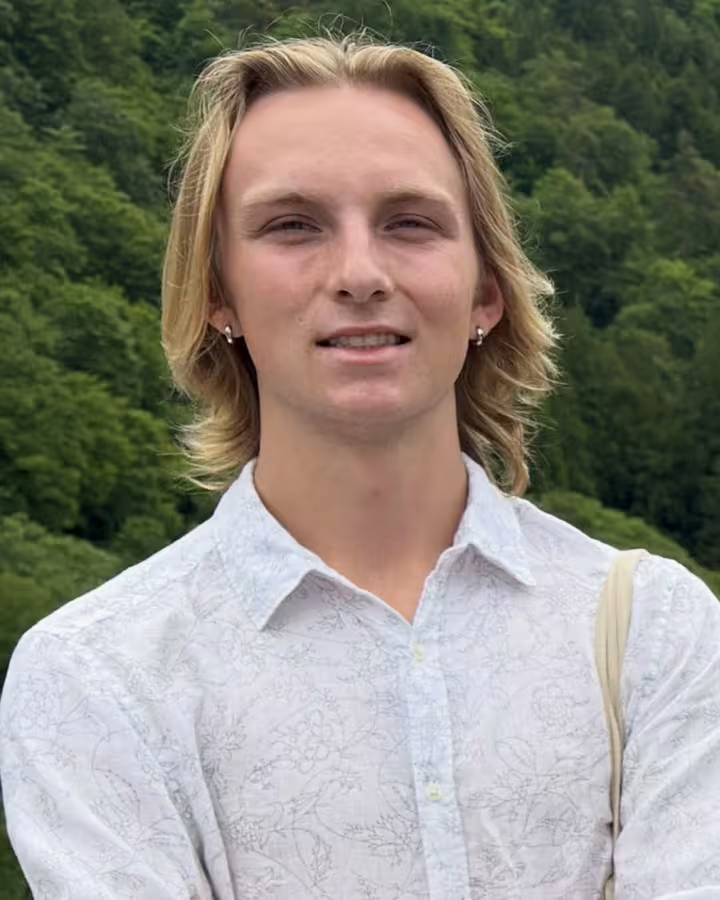


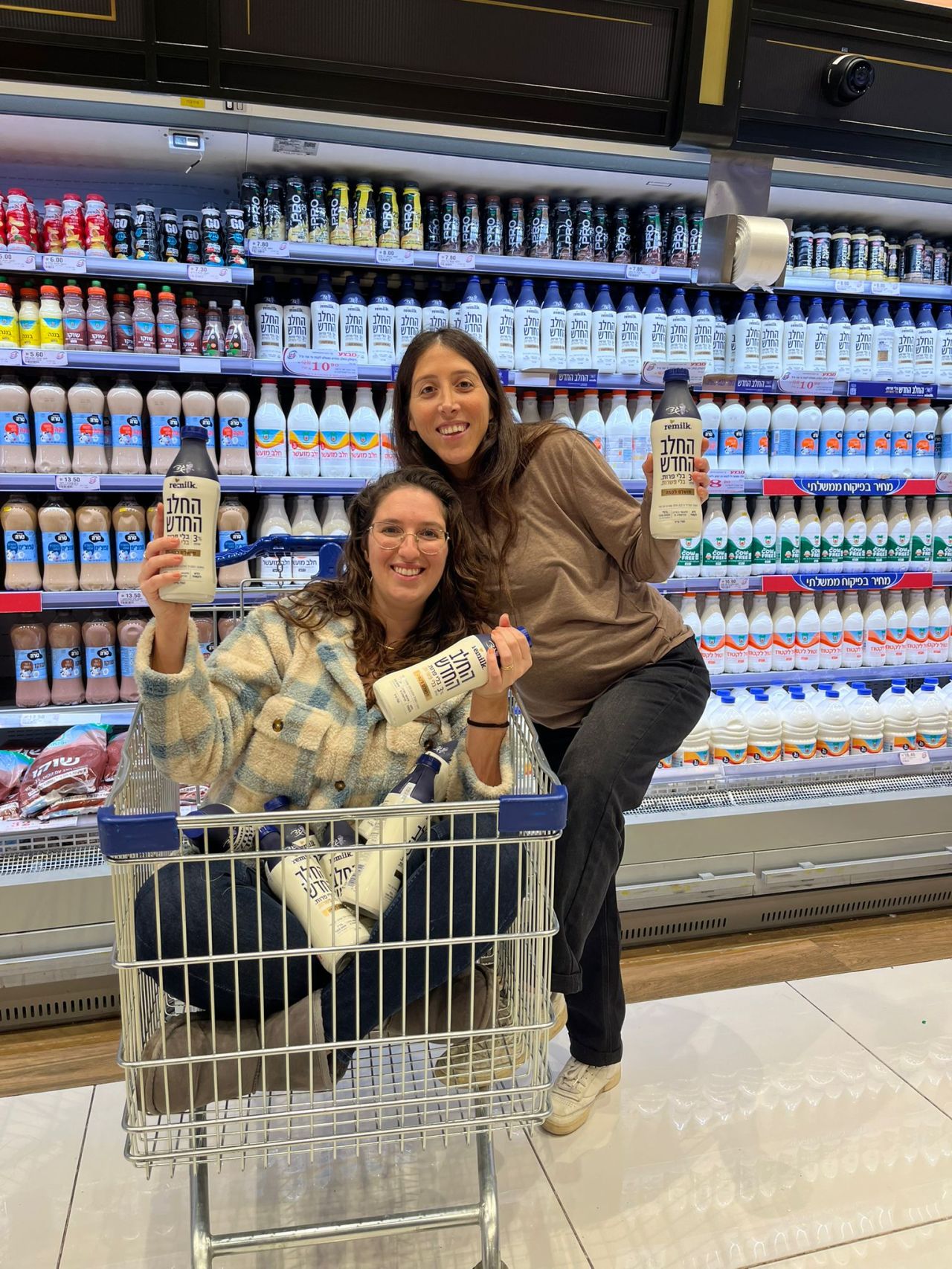
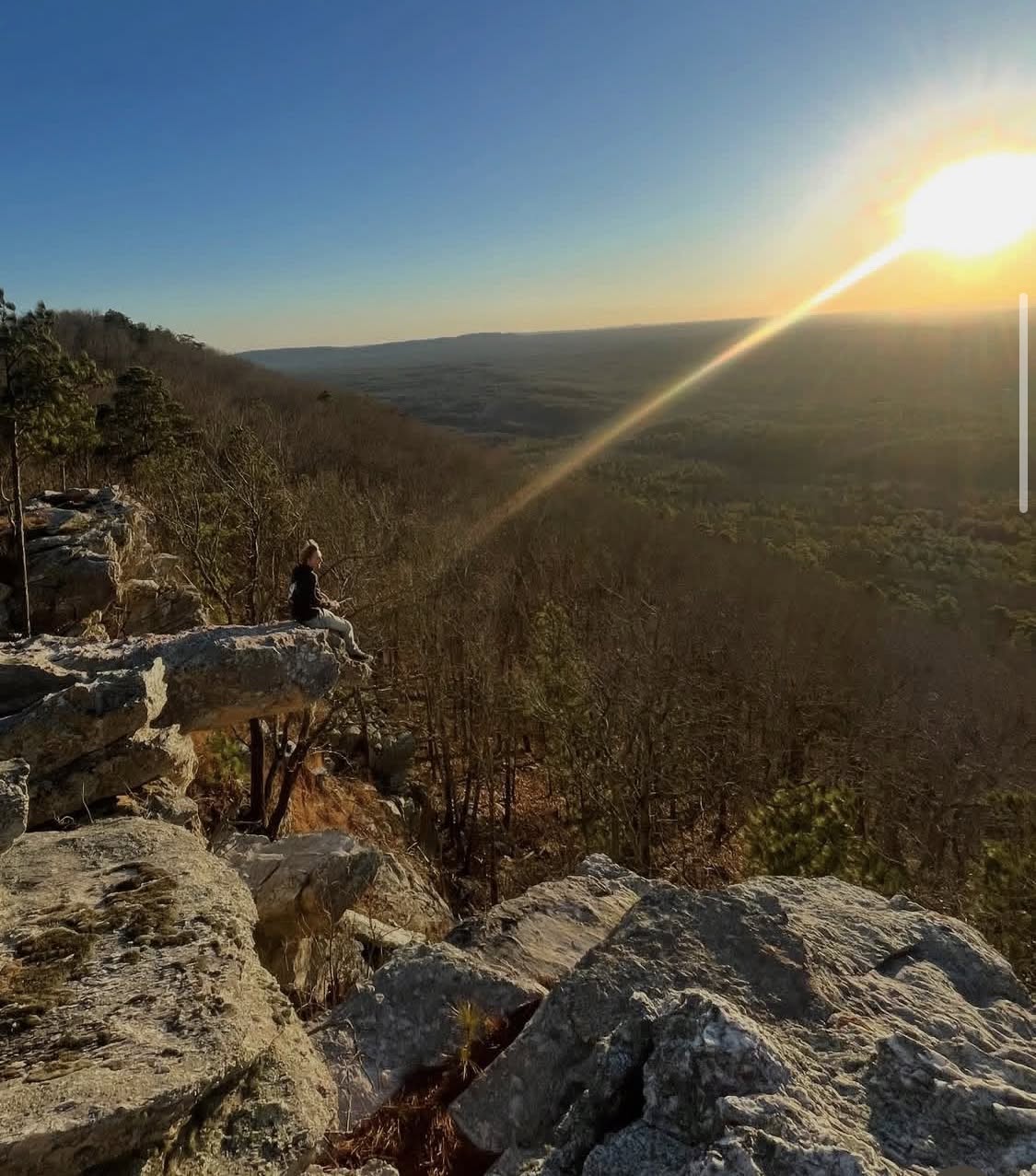

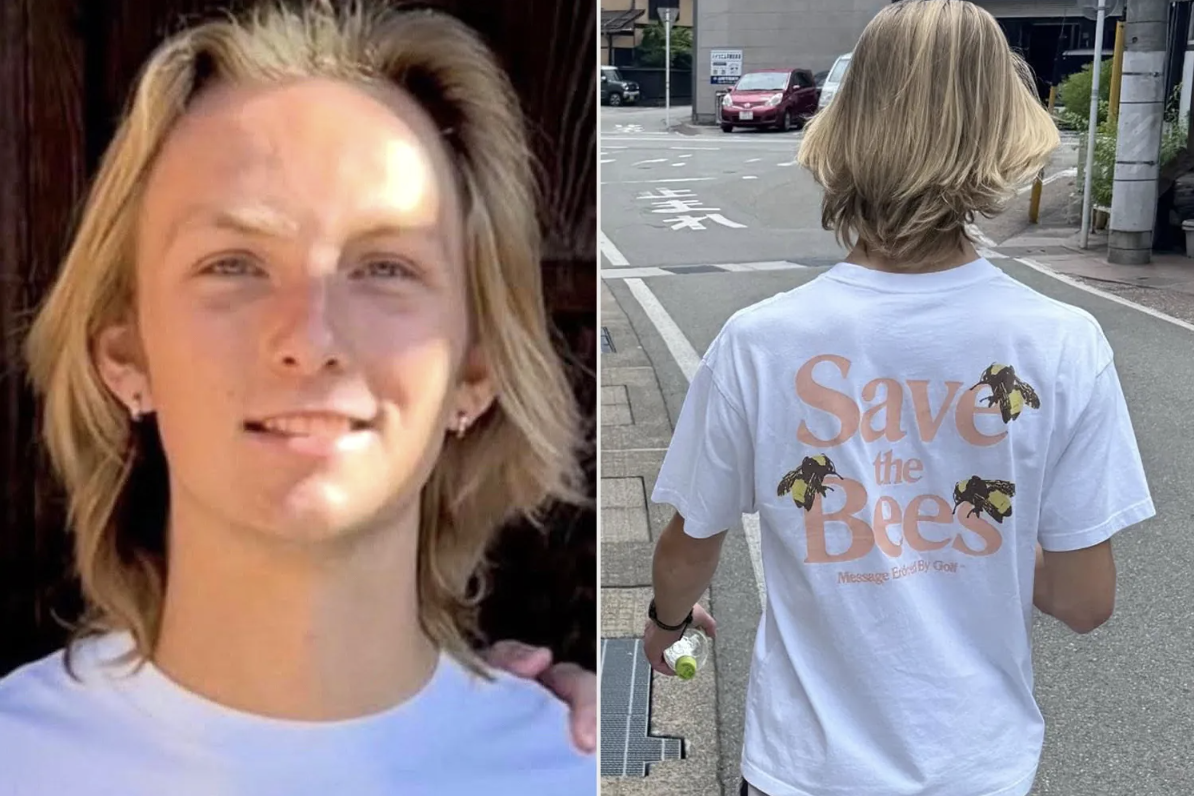
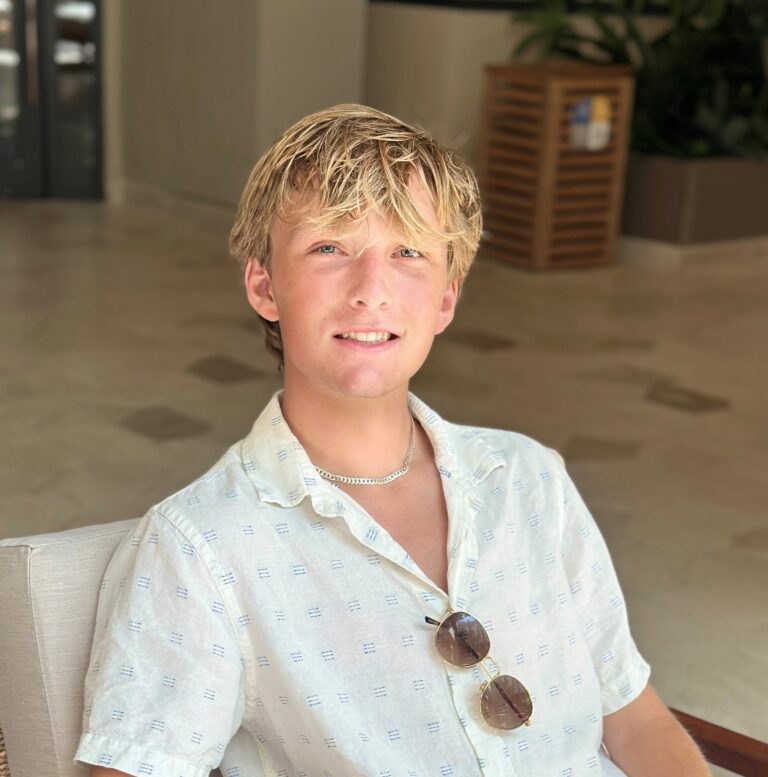
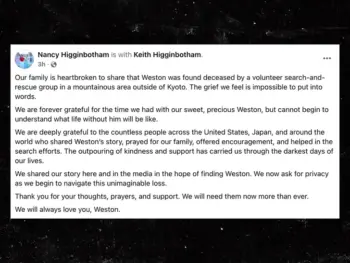
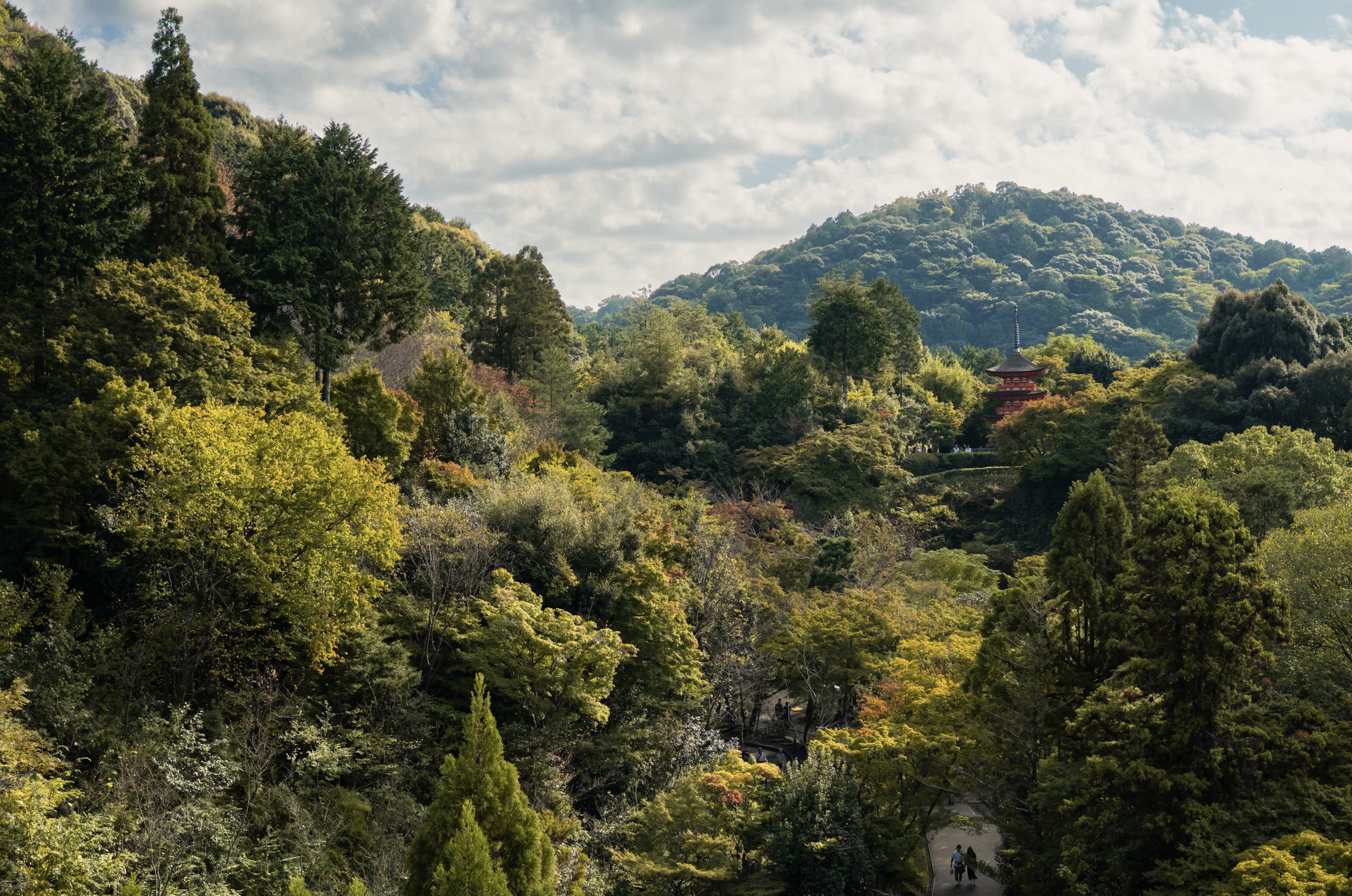

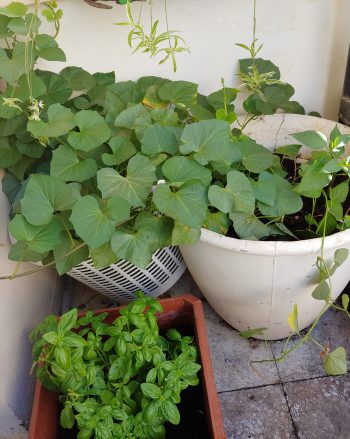 If I planted the seeds from every vegetable that goes through my kitchen, my balcony would become an impenetrable jungle.
Above is a sweet potato vine. A jalapeño pepper from a stray seed is flourishing alongside it. Under the sweet potato, basil. Did you know that sweet potato leaves are edible? I put a sprouting sweet potato in soil a year ago and got some respectable-sized tubers. This will be the second harvest from that one easy act.
It’s great to garnish my homegrown tomatoes with my own chives. But my greatest satisfaction comes from watching my grandkids getting into the dirt.
They like to spend an hour messing around on the balcony, filling up planters and poking seeds in. They love it that tomato and pepper seeds they planted before magically gave fruit they can eat. I like to know that they’re learning. I want them to understand that everything they eat depends on seeds; even their roast chicken or hamburgers. I want them to know, if not how to grow fruit and veg today, that they can learn how to later.
I’m thinking of global food scarcity, and a future when those I love may have to depend on foods they cultivate themselves.
If I planted the seeds from every vegetable that goes through my kitchen, my balcony would become an impenetrable jungle.
Above is a sweet potato vine. A jalapeño pepper from a stray seed is flourishing alongside it. Under the sweet potato, basil. Did you know that sweet potato leaves are edible? I put a sprouting sweet potato in soil a year ago and got some respectable-sized tubers. This will be the second harvest from that one easy act.
It’s great to garnish my homegrown tomatoes with my own chives. But my greatest satisfaction comes from watching my grandkids getting into the dirt.
They like to spend an hour messing around on the balcony, filling up planters and poking seeds in. They love it that tomato and pepper seeds they planted before magically gave fruit they can eat. I like to know that they’re learning. I want them to understand that everything they eat depends on seeds; even their roast chicken or hamburgers. I want them to know, if not how to grow fruit and veg today, that they can learn how to later.
I’m thinking of global food scarcity, and a future when those I love may have to depend on foods they cultivate themselves.