
Before there were pharmacies, there were Jewish grandmothers. A restless child might be given chamomile tea or poppy seeds before bed. A cough soothed with honey and herbs. Garlic hung in the kitchen was as much medicine as food, while olive oil treated dry skin and minor wounds. Across the Jewish world, from Morocco and Yemen to Poland and Lithuania, plants were companions in everyday life, offering nourishment, healing and comfort long before modern medicine arrived.
Much of this knowledge never found its way into medical textbooks. It was carried in family kitchens, whispered from mother to daughter, written in the margins of old notebooks and remembered through recipes, blessings and seasonal traditions. Like so many forms of traditional ecological knowledge, Jewish herbalism survived because people lived it.
Today, that living tradition is experiencing a quiet revival.
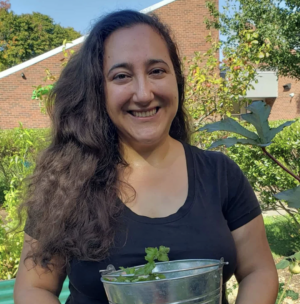
One of the people helping uncover this forgotten world is Naomi Spector, an ethnoherbalist, educator and plant historian whose work explores the botanical traditions of Jewish communities across the diaspora. Through books including The Jewish Book of Flowers and Sefardi Herbalism, along with courses such as Jewish Herbalism for Farmers, Spector invites students to rediscover how plants shaped Jewish life, not simply as remedies, but as part of culture, ritual, agriculture and identity.
Rather than treating herbalism as an alternative health trend, Spector approaches it as cultural history. Her research draws from medieval medical texts, oral traditions, Judeo-Spanish and Yiddish sources, folklore, recipes and the writings of physicians such as Moses Maimonides. The result is a picture of Jewish life that is rooted quite literally in the soil.
One story from the course immediately caught my attention.
In some Ashkenazi communities of Eastern Europe, poppy seed tea was brewed as a calming remedy for children who could not sleep. Historical accounts also describe teething children being given traditional poppy seed sweets to soothe them. Maimonides himself described poppy as a sleep-inducing plant, while in Judeo-Spanish the word for poppy, dormidera, reflects its reputation as “the sleeper.” These practices belong to the history of folk medicine rather than modern healthcare, but they reveal how closely everyday Jewish life was intertwined with the plant world.
What makes Jewish herbalism especially fascinating is that it was never isolated from the cultures around it.
Jewish communities borrowed knowledge wherever they settled. They learned from Arab physicians in the Middle East, from Greco-Roman medical traditions, from Persian healers, from European folk medicine and from Indigenous knowledge of local landscapes. They observed which plants thrived, what neighbours were using and how different cultures approached healing.
Yet that knowledge did not simply become generic herbalism: It was filtered through Jewish law, ritual, language, food customs and community life.
Herbs found their way into Sabbath tables and holiday celebrations. Plants became part of childbirth traditions, wedding customs and mourning rituals. Remedies were discussed in Yiddish, Ladino and Judeo-Arabic, preserving not only recipes but also a distinctly Jewish vocabulary for the natural world. Dietary laws shaped the preparation of foods and medicines, while the Jewish calendar kept communities connected to agricultural rhythms even after centuries in exile.

In this way, Jewish herbalism became an expression of diaspora itself.
Every migration added something new. Sephardi Jews who settled in Morocco and the Ottoman Empire encountered rosemary, saffron and citrus. Ashkenazi Jews adapted to forests, meadows and colder climates, learning the medicinal uses of nettles, elderflower, chamomile and poppies. Yemenite Jews developed their own botanical traditions suited to desert landscapes. The plants changed, but the thread connecting them remained unmistakably Jewish.
Perhaps this is one of the least appreciated forms of Jewish resilience.
People often speak of the Jewish diaspora in terms of migration, persecution and survival. Less attention is given to the ecological knowledge that travelled alongside families. Seeds, recipes, healing plants, seasonal foods and practical wisdom crossed borders with them. Jewish communities adapted to every landscape they entered while preserving customs that reflected their own beliefs and values.
For Green Prophet readers, this story feels surprisingly familiar.
Over the years we have explored Maimonides‘ practical approach to health, biblical plants that continue to flourish in Israel, the medicinal qualities of olive oil, tehini, and herbs, and the traditional recipes and food wisdom shared by longtime contributor Miriam Kresh. Again and again, these stories point to the same truth: our ancestors did not separate food from medicine or agriculture from spirituality. The garden, the kitchen and the home were deeply connected.
That connection is finding new relevance today. As people search for more sustainable ways of living, many are rediscovering skills that previous generations took for granted: growing herbs, making teas, understanding seasonal foods and recognizing the value of local biodiversity. Jewish herbalism fits naturally into that conversation. It reminds us that caring for the earth has always been part of Jewish tradition, not because it was fashionable, but because survival depended upon understanding the landscapes in which people lived.
Spector is also helping cultivate a new community around that idea. She is a co-creator of the Jewish Herbalists Network, part of the Jewish Farmer Network, which connects farmers, gardeners, herbalists, beekeepers and others interested in renewing the agricultural roots of Jewish life. Through workshops, lectures and field-based learning, participants explore everything from flowers and medicinal herbs to farming, pollinators and the environmental teachings embedded within Jewish tradition.
Even if the current session of Jewish Herbalism for Farmers has already begun, Naomi Spector’s work is well worth following. At a time when so much traditional knowledge risks being forgotten, she reminds us that one of the richest archives of Jewish history is still growing quietly beneath our feet.