
There is something transformative about leaving land behind. After a day or two at sea you stop thinking about your inbox, your phone begins to lose its importance, and your attention shifts to the horizon. You notice the changing colour of the water, the direction of the wind and the rhythm of the waves. You hope to spot sea turtles, dolphins or, if you’re lucky, a whale.
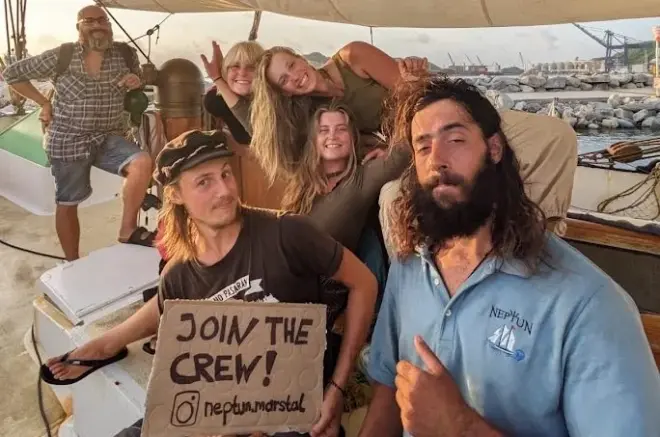
This is how people find their sea legs. Learning to sail isn’t simply about overcoming seasickness, although that is often part of the experience. It is about learning to trust the movement of the ship, understanding how to move with the sea rather than against it, and becoming comfortable in an environment that initially feels unfamiliar.
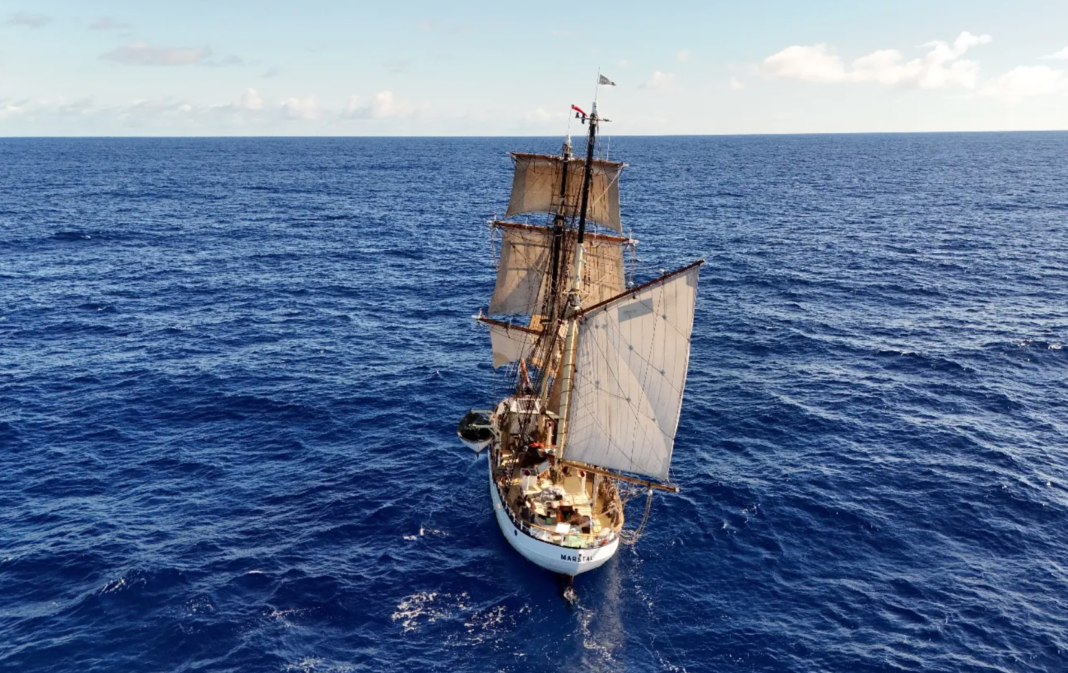
One of the best places to discover this is aboard the **Neptun of Marstal**, a traditional Danish brigantine based in the historic sailing town of Marstal on the island of Ærø. Rather than offering passengers a cruise, the Neptun invites people to become part of the crew, whether they have sailing experience or not.
The vessel has had several lives. Built in 1947, it originally worked as a fishing vessel before being restored as a sail-training ship. Today it operates as a non-profit organization that welcomes trainees of all ages who want to experience life under sail while learning traditional seamanship. It is less about tourism and more about participating in a way of life that has shaped coastal communities for centuries.
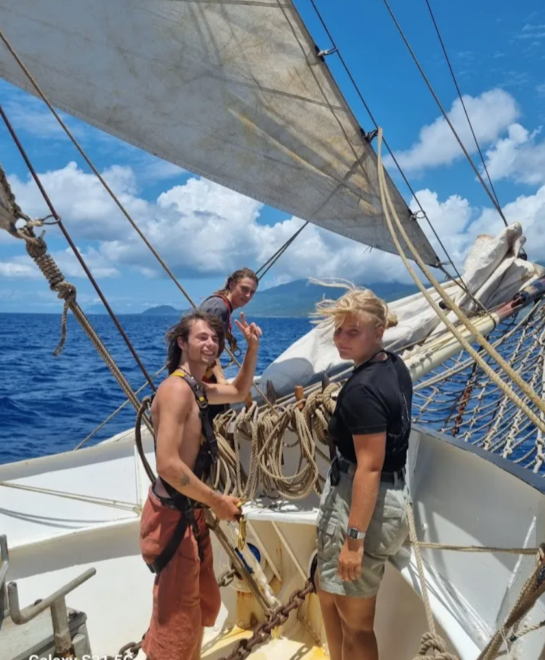
Days are divided into watches, meals are prepared together, and everyone has a role to play. You might find yourself helping to raise sails, steering the ship, keeping watch during the night or learning how weather, tides and wind work together. Experienced captains and crew guide newcomers through every task, and no previous sailing experience is expected. All hands on deck.
There is something refreshing about doing something real instead of logging into the Wi-Fi at a café.
Scientists explain that our brains and inner ears gradually adapt to the constant motion of the sea. Sailors often joke that the real surprise comes when they return home and solid ground feels strangely unsteady. There is some truth to this. Our sense of balance recalibrates after several days on the water, and the body begins to accept movement that once seemed unsettling.
People come to the Neptun to learn sailing, but they often leave with something else: a greater appreciation for teamwork, simplicity and the natural world.
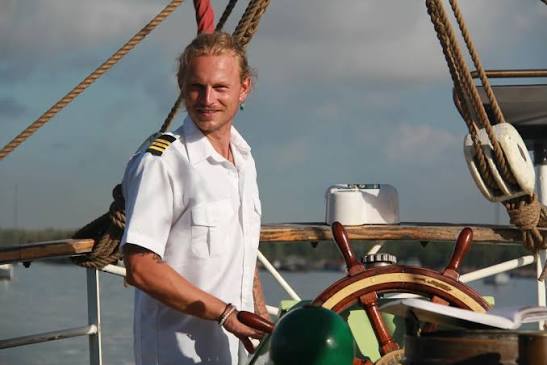
Behind the Neptun is a community of sailors, volunteers and maritime educators who believe that traditional sailing skills should remain part of our shared cultural heritage. Based in Marstal, one of Denmark’s most historic seafaring towns, the organization maintains the ship not simply as a museum piece, but as a living classroom. Every voyage helps preserve knowledge that might otherwise disappear, from sail handling and navigation to the practical art of working safely and respectfully at sea.
The organization operates as a non-profit, relying on a combination of voyage fees, volunteers, supporters and partnerships to keep the ship sailing. Maintaining a traditional sailing vessel is a labour of love, and every season requires careful maintenance, fundraising and countless hours of work from people who believe these experiences are worth passing on to future generations.
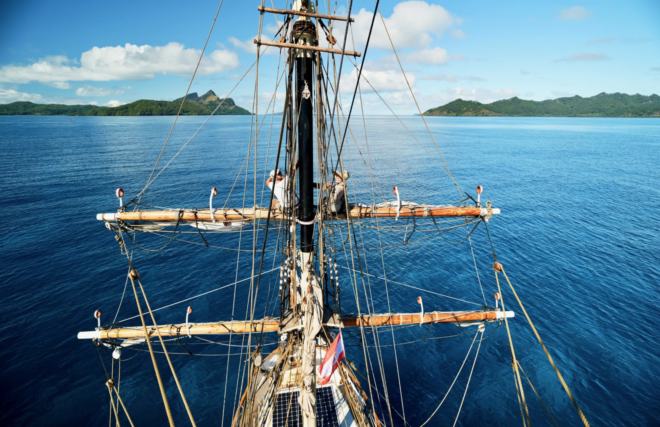
Getting involved is refreshingly straightforward. You don’t need years of sailing experience or your own foul-weather gear. The Neptun regularly welcomes beginners alongside experienced sailors on voyages ranging from short training trips in Danish waters to longer international expeditions. Under the guidance of experienced captains and crew, newcomers quickly become active members of the ship’s company, learning by doing rather than simply watching from the sidelines.
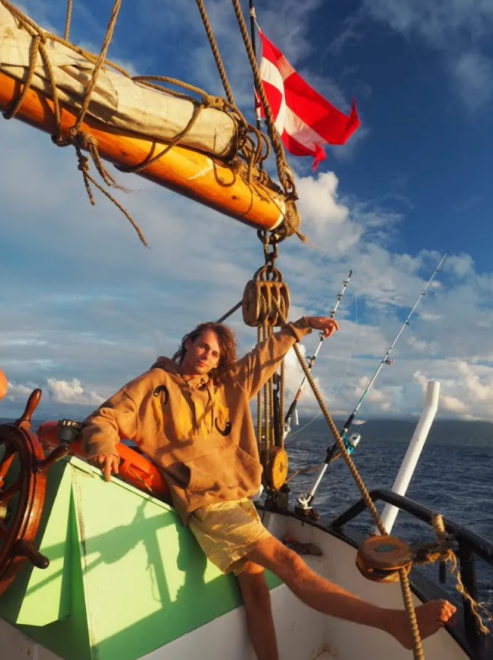
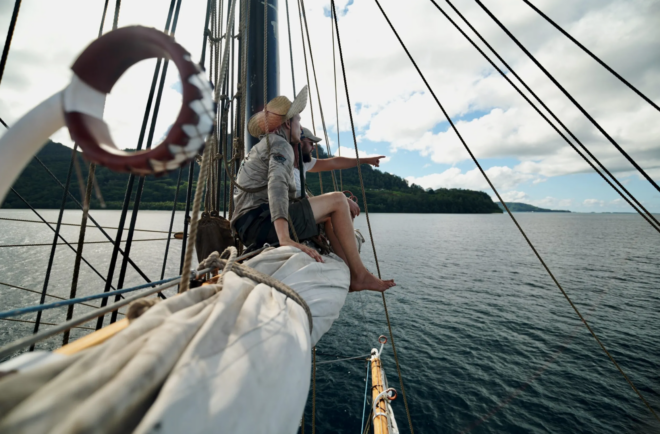
The cost is about $3500 for 50 days and incudes
·Sail training and education
·Shelter and unpolished adventure
·Food and provisions
·Maintenance of the vessel
·Diesel & gasoline
·Clearance / customs
·Other variable expenses
Apply here