Milk alt lab Imagindairy gets $13M seed funding

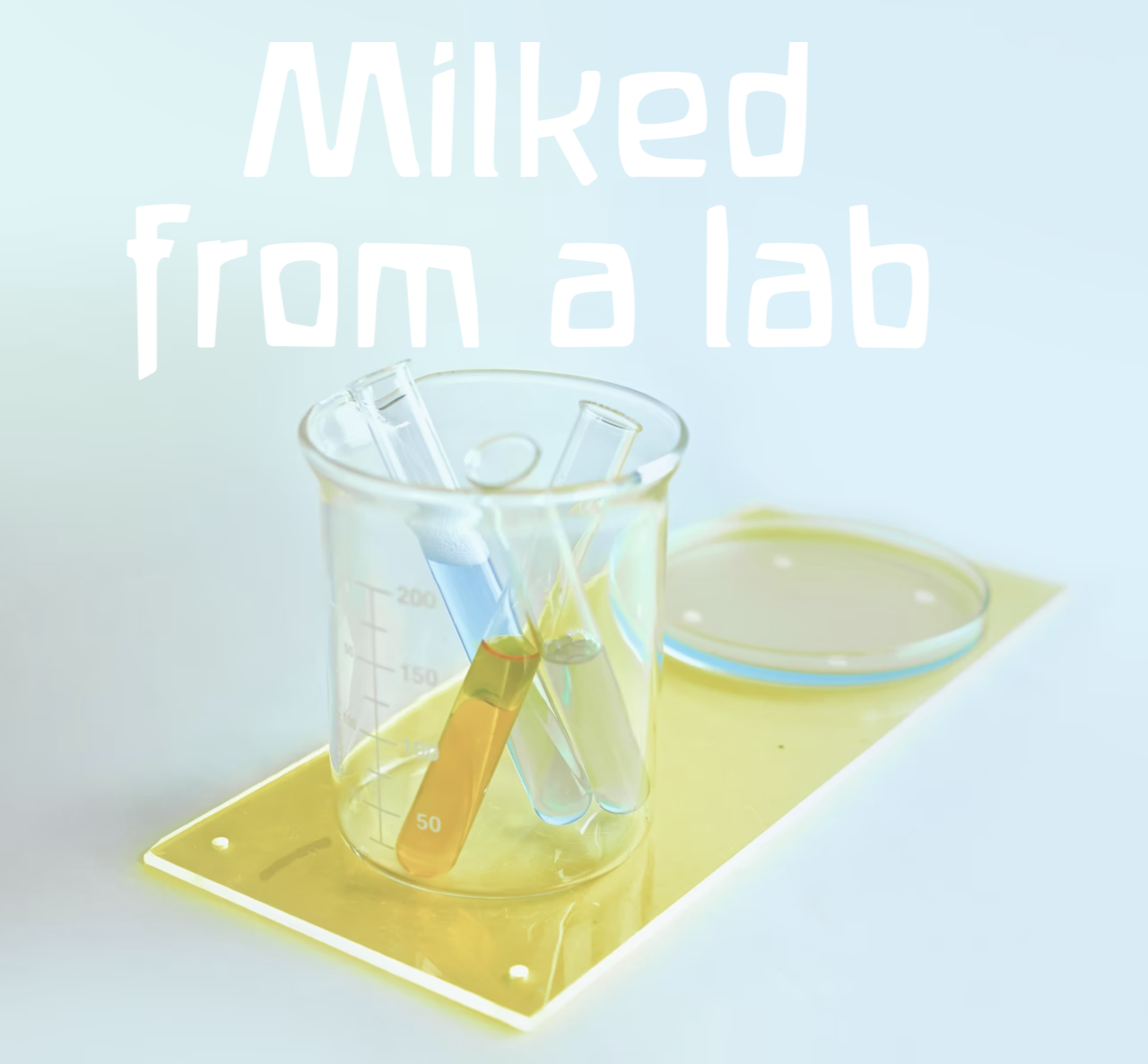
test tubes for making lab milk

Imagindairy creating milk protein in a lab, announces completion of a $13M seed round. The funding was led by MoreVC in Israel. Not long ago Leonardo Dicaprio invested in a meat-alternative company in Israel, Aleph Farms. Foodtech is on a roll in Israel.

Imagindairy imagines a future of milk without udders and methane gas.  The company creates the same kind of milk protein found in cow milk but without the animal. They use fermentation.

More and more consumers shy away from bovine milk for health reasons, climate reasons, and animal rights leading to a growing desire for oat milk, soy milk, and almond milk. But most who have grown up on milk still yearn for the cow version in cereal, cheese. 
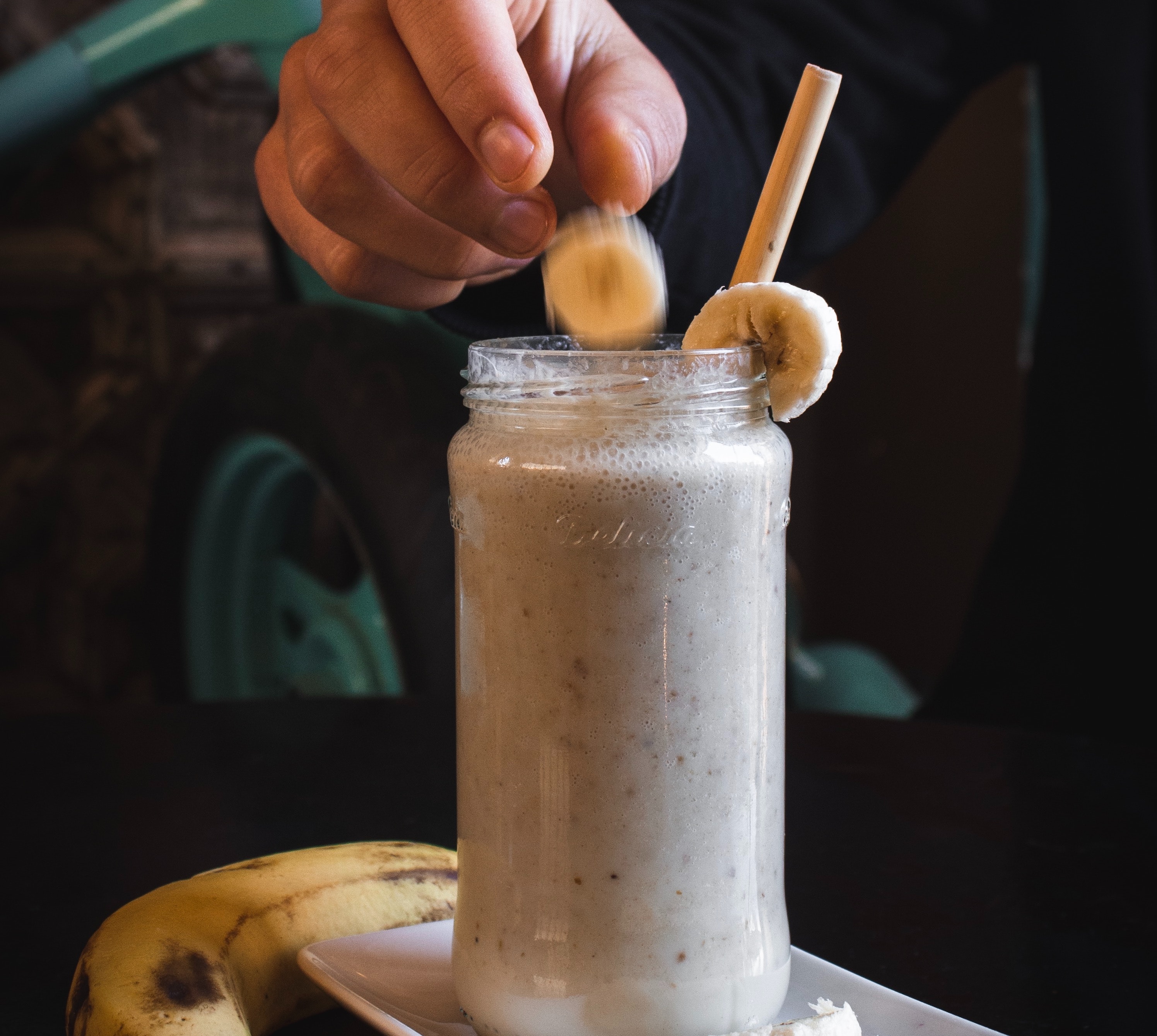
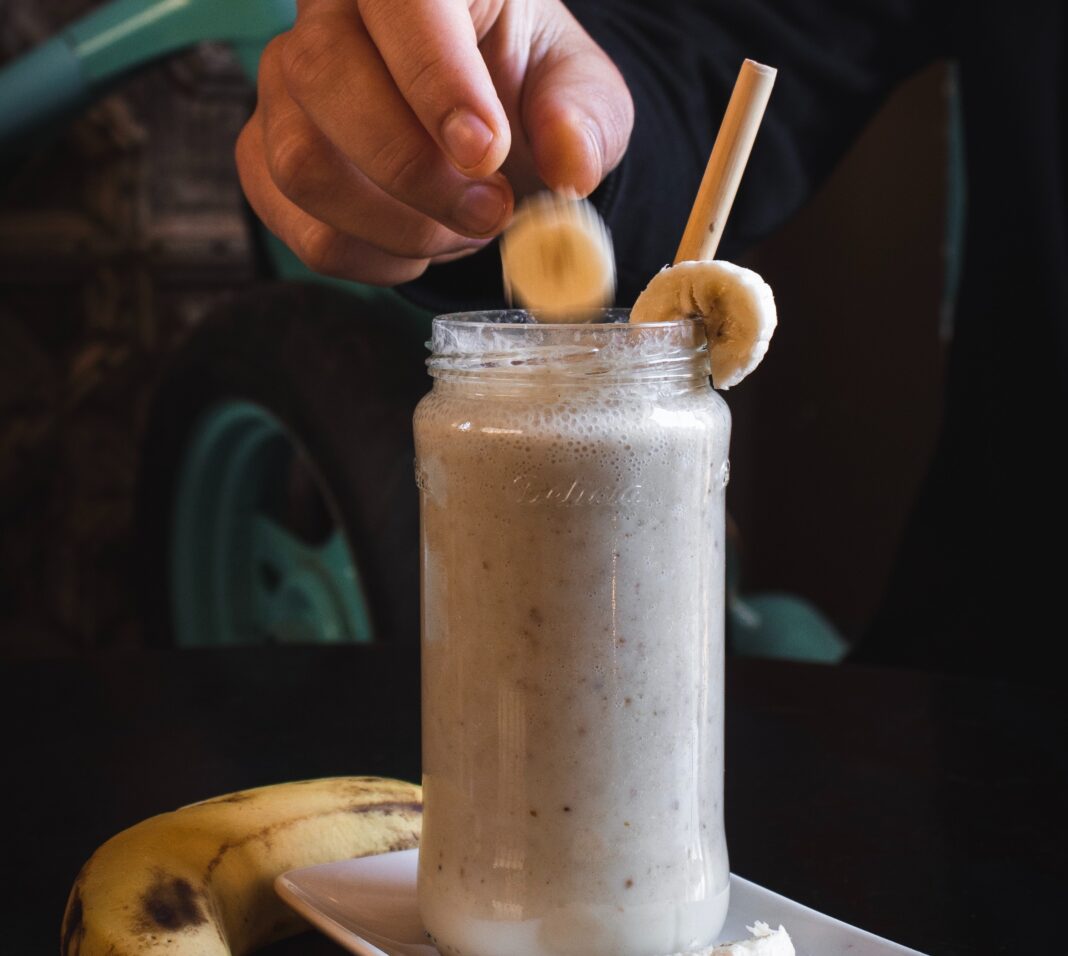
oat milk shake with bananas
Oat milk may the only option after milk and soy has let us down. We tried almond milk but that was killing the bees.

Eyal Afergan, co-founder and CEO of Imagindairy says: “The market is eager to develop new dairy analogs based on our animal-free proteins. It’s hard for people to make big changes, especially when it comes to the foods they enjoy, but when there’s an alternative with the same flavor and experience that is more aligned to their values, it becomes easy.”

Imagindairy is currently collaborating with leading dairy companies, offering a complete range of dairy-free proteins.

“Imagindairy’s innovative technology allows dairy companies to develop new products or reformulate existing products, without involving animals and with a dramatic reduction in carbon-footprint,” says Glen Schwaber, a MoreVC partner. 

Imagindairy’s technology is based on 15 years of research led by its co-founder and CSO, Tamir Tuller, PhD, a professor at Tel Aviv University. The company mission was to create a commercially viable, guilt-free experience of traditional dairy products consumers crave. 

The company will invest the funds in expanding its facilities, increasing its professional team, and boosting its R&D capacity to meet the demands of its partners.

Imagindairy feeds microorganisms instead of cows, and the select microorganisms the company employs are up to 20 times more efficient than cows at converting feed into food. This offers food system resilience, allows for complete sustainability, preserves the natural ecosystem, and promotes animal welfare. It also eliminates the greenhouse gas emissions produced by dairy cows.

The result: highly functional milk proteins that taste great and have the same texture, flavor, and nutritional value as milk from cows.

Strauss Group, Entrée Capital, S2G Ventures, Collaborative Fund, New Climate Ventures, Green Circle Foodtech Ventures; Emerald Technology Ventures and Pierre Besnainou joined the investment round. 

But like the questions Beyond Meat and Impossible Foods is facing: digestibility, questionable carbon footprints currently undisclosed, and a needed leap in technology –– can Imagindairy delivery on all the promises? If they are recreating new milk from products like soy or pea proteins, maybe. This is what Beyond Meat and Impossible Foods does. 

But there is a whole other class of meat alternative companies attempting to grow meat in a lab on a scaffold so that it is made from real meat proteins and bleeds and tastes like meat.  OSI’s Impossible Foods, and Aleph Farms are in this class of products.

This read-worthy article in the New York Times challenges the notion that  cultured meat woudl ever work: “to be a meaningful climate solution [it] would require several scientific breakthroughs worthy of many Nobel Prizes — and in the next 10 years, not 30.”

Some say lab-grown meat won’t ever be able to start displacing conventional meat in time — or perhaps ever. David Humbird, a Berkeley-trained chemical engineer who spent over two years researching a techno-economic assessment of lab-grown meat, believes the industry faces extreme, intractable technological challenges.

In interviews with Joe Fassler of The Counter, he said it was “hard to find an angle that wasn’t a ludicrous dead end.”

So can lab-grown burgers and along with that notion, lab-grown milk save the world? Maybe. Today a pack of Beyond Meat sausages costs multiples more than the same product made from real meat, about $15 USD (where I live) and the meat version about $5. A 1L carton of milk costs $2 and for the same size high quality out milk $5.

The idea of meat alternatives tasting realistic and being affordable is only within reach for the wealthy today.

Woody Harrelson in a cowboy hat
Woody Harrelson stars as narrator in a new documentary film about regenerative agriculture and why we need it.

We also might want to ask ourselves just how healthy lab-created products are for our gut biome and overall health. Wouldn’t it be better to eat less real milk (maybe goat?) and real meat, and keep one’s diet unprocessed and simple in every single way. Sourcing food from regeneratively grown farms? Whenever I eat a Beyond Meat product my stomach really isn’t very happy. What about you?

 

Karin Kloosterman
Karin Kloostermanhttp://www.greenprophet.com
Karin Kloosterman is an award-winning journalist, innovation strategist, and founder of Green Prophet, one of the Middle East’s pioneering sustainability platforms. She has ranked in the Top 10 of Verizon innovation competitions, participated in NASA-linked challenges, and spoken worldwide on climate, food security, and future resilience. With an IoT technology patent, features in Canada’s National Post, and leadership inside teams building next-generation agricultural and planetary systems — including Mars-farming concepts — Karin operates at the intersection of storytelling, science, and systems change. She doesn’t report on the future – she helps design it. Reach out directly to [email protected]

Read More

TRENDING

How Responsible Tourism Could Help Protect the World’s Last Wild Places

From Antarctica and South Georgia to the Galápagos and Thailand, fragile destinations are finding ways to manage tourism without shutting visitors out. Visitor caps, conservation fees, biosecurity rules and controlled access can reduce environmental damage while helping fund the protection of wild places.

How Slow Travel Is Changing the Way We Explore

From trekking fees in Nepal and wildlife conservancies in Kenya to visitor limits in Patagonia and strict Arctic rules in Svalbard, responsible adventure travel can help fund conservation, protect habitats, and create sustainable income for local communities.

Mona Khalil, Orange House Project founder, sea turtle protector killed in Lebanon

Mona Khalil spent decades protecting Lebanon's sea turtles and coastal ecosystems. Her death in the ongoing conflict between Israel and Hezbollah shines a light on a broader environmental tragedy unfolding across northern Israel and southern Lebanon. From damaged wetlands and disrupted bird migrations to threatened seed banks and endangered wildlife, the region's ecosystems are becoming casualties of a war with no clear end in sight.

Starbucks punishes people for drinking plant milk charging them 6X times the cost

Why are coffee drinkers paying extra for plant milk? A Quebec lawsuit against Starbucks, Tim Hortons and Second Cup questions the surcharge.

Dan Zaslavsky’s energy tower dream is rising again in Iran and China

The Energy Tower idea never made the leap from drawings and engineering studies to full-scale construction. But nearly two decades after most people stopped talking about it, the concept is quietly evolving in two unexpected places: China and Iran. The concept let dreamers dream and doers do - figuring out more pleasing designs and engineering.

The Essential Guide To Sustainability in Project Management

Sustainability is an approach where businesses and individuals balance the environmental, social, and economic aspects of a project such that current and future stakeholders are not overburdened with the impacts of the project in future.

Yerukim Forms a New Green Economy Where the Money is Really Green

The Yerukim members who pick up the recyclables get to keep the monetary reward, the public earns "green" bills that can be used in shops, and business owners get to be associated with environmentalism.

Choosing Riyadh over Dubai? What Investors Should Know

Saudi Arabia is deploying capital at unmatched scale to catalyze tourism and advanced industry while rewiring its power-and-water backbone. The investable frontier is widening—especially in renewables, grid storage, water efficiency/desal retrofits, and hospitality operating platforms. Prudent investors will insist on phased delivery, enforceable KPIs (energy, water, biodiversity), and RHQ/zone compliance—while pricing political-economy and reputational risks alongside growth upside.

Sell your cooking oil for biodiesel money

Want to make money on old french fry oil? Sell it.

Qatar Alternative Energy Summit Pairs Investors And Innovators

Alternative energy investors and innovators can meet n' greet in Doha, Qatar March 16 and 17.

Here’s How To Implement The Four Pillars Of Employee Engagement

If you throw a party for your work team and they are vegans, don't make it a barbecue. Know the sustainability values of your team to boost moral and retain good people.

Locals From Rishon Fight IKEA

Big Box stores are a pretty new concept in Israel, and thank God that not every Israeli city wants them in their backyard. A word from someone who has see the beautiful farmland around her hometown Newmarket, Ontario stripped and converted into vulgar strip malls of big box shops: they have no place in a healthy and sustainable town or city.

The Jewish National Fund Meets An Inconvenient Truth

According to the JNF, it has transformed thousands of acres of barren land into green forests in Israel. They state that each person emits about 23 tons of carbon per year, estimating that each tree planted can absorb one ton of carbon in its lifetime. That's a whole lot of trees you'd need to be planting. Could so many fit in Israel?

Popular Categories