
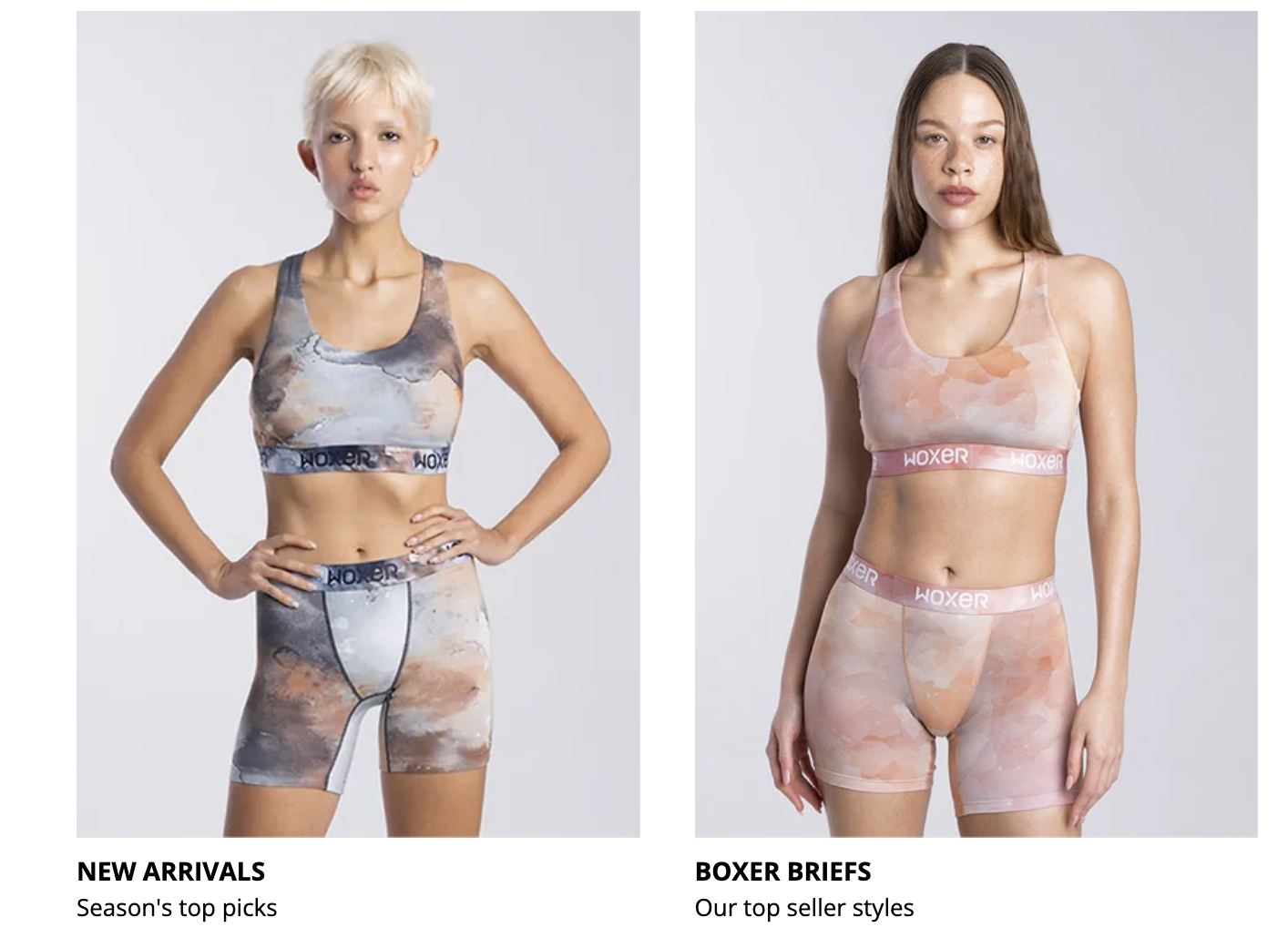
I never expected a pair of underwear to make me think about Pride Month. Recently, Woxer sent me a few pairs of women’s boxer brief-style underwear designed for women. When they reached out asking if I wanted to try their undies, the LGBTQ+ brand reminded me of a frustration I’ve carried for years. Gap used to make perfect cotton boxers for women. Then they got smaller, tighter, and eventually disappeared. A sign of the times? After giving birth, men’s boxer briefs became my go-to because they were comfortable, breathable, and practical enough to wear around the house in a Mediterranean climate. If someone came to the door or my grown step-son walked into the house, there wouldn’t be a moment of embarrassment.
There is something quietly radical about comfort. It’s not sexy or designed for someone else’s gaze. My husband says anyway that I look the best in boxers. He thinks women’s small undies or slips as they say in Europe are too revealing, even for the best bodies.
Maybe that’s why Pride Month came to mind. At its heart, Pride isn’t really about rainbow logos or corporate marketing campaigns. It’s about the freedom to be yourself, and inclusivity.
That freedom is often taken for granted in North America and Europe, where Pride celebrations can feel like giant street parties. I remember my first in Zurich more than 20 years ago. Tel Aviv, goes all out, but it’s really the only country in the the Middle East and North Africa that can do that. In Muslim-majority countries, where religious practices are more conservative the story is more complicated and people need to hide their identities.
In some countries such as Iran, the UAE and Saudi Arabia, same-sex relationships remain illegal. In others, social expectations can be just as powerful as laws. Not long ago a man from Hebron was beheaded for being gay. (He was waiting for asylum in Canada, a country that is taking refugees, no questions asked). Yet despite these realities, the region is full of people creating spaces for creativity, self-expression, and belonging.
Green Prophet has covered many of those stories over the years.
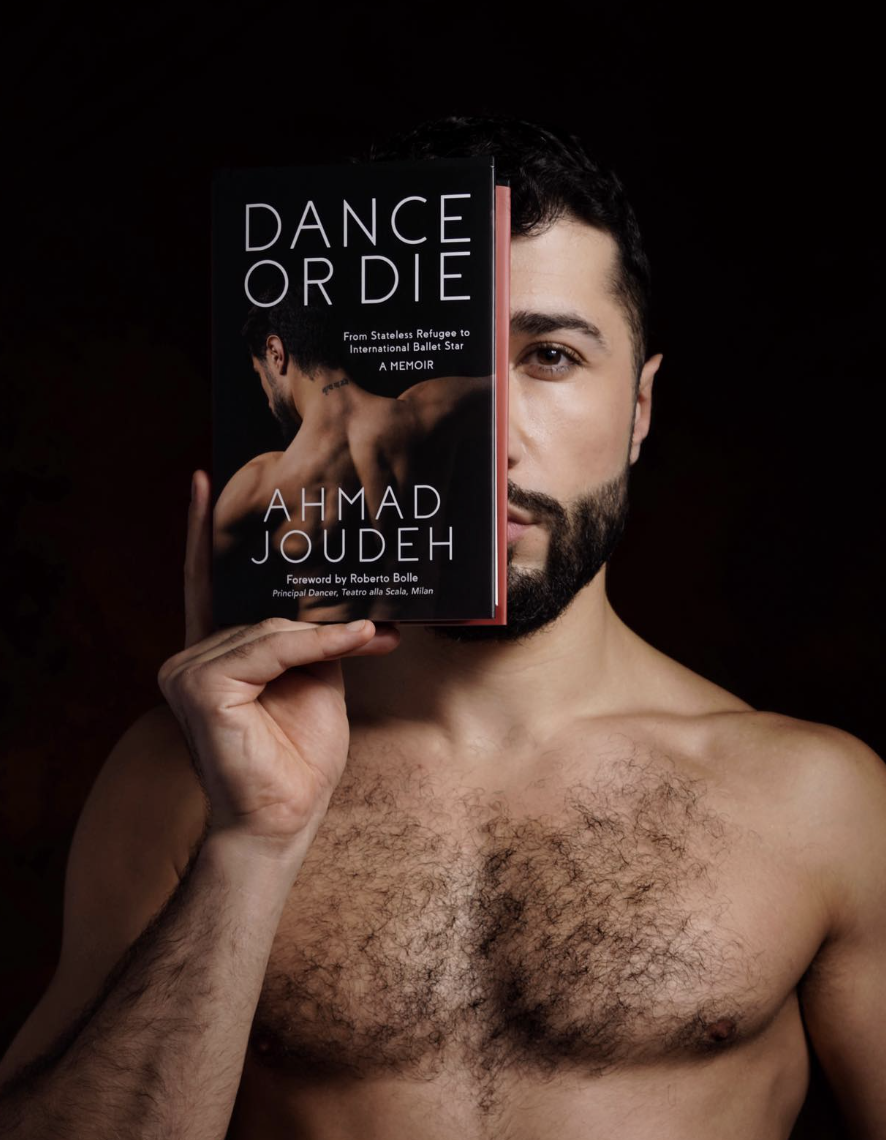
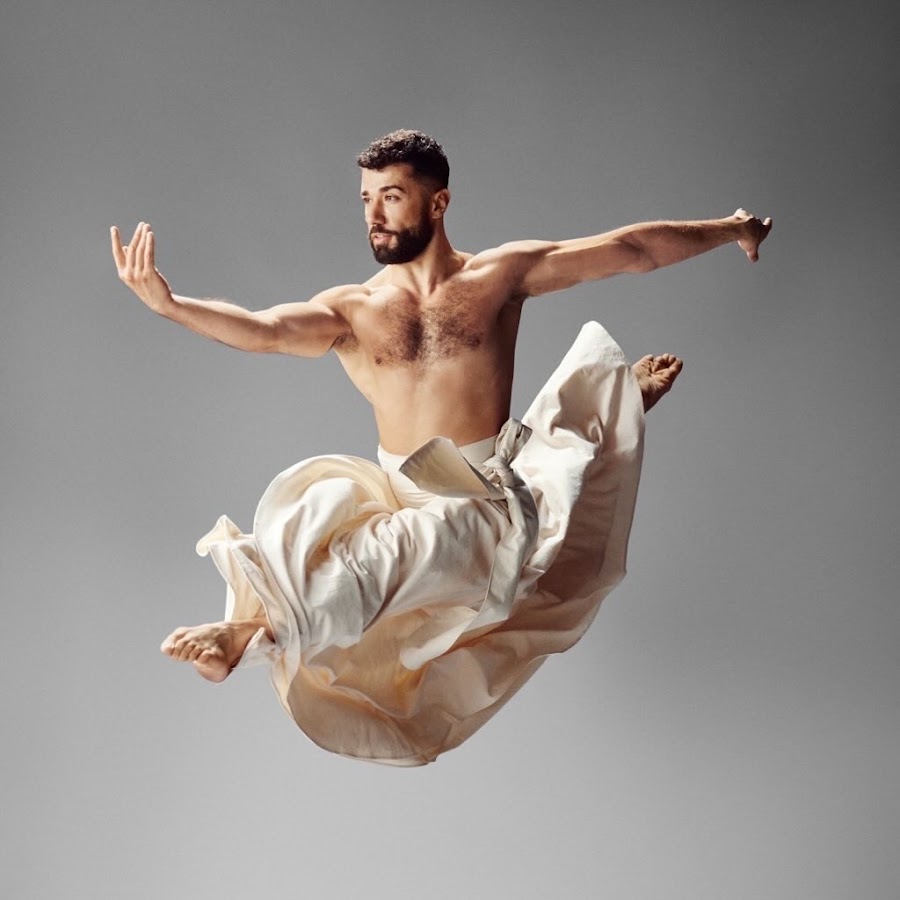
One of the most memorable involved Syrian dancer Ahmad Joudeh. As a young man, he faced threats from extremists who believed dance itself was a crime. Instead of giving up, he continued dancing against ISIS. Later he brought movement and healing to children affected by war. In a region often defined by conflict, Joudeh showed how art can become an act of resistance. He needed to leave Syria as a refugee. Now that it’s safer for people in Syria, we aren’t sure if he can ever go back. Our dance writer Kelly Milone wrote about Ahmad here.
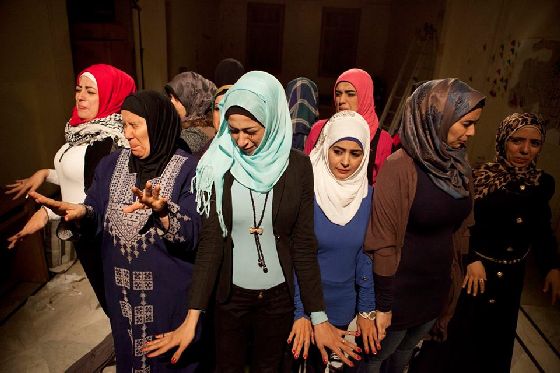
We’ve also written about Syrian refugee women who found their voices through theatre. Displaced from their homes and separated from familiar lives, they used performance to tell their stories. The stage became a place where they could reclaim identities that war had tried to erase.
Pride is often associated with sexuality and gender identity, but at its core it is about something broader: the right to exist openly and honestly. The refugee rebuilding her life, the dancer refusing silence, the woman challenging social expectations: these stories share common ground.
Even global brands find themselves navigating these tensions. Not long ago Green Prophet asked a simple question: Should Pride flag colors appear on BMW Saudi Arabia?

When BMW updated its logo with rainbow colors in many countries, its Saudi channels remained unchanged. The contrast highlighted a reality multinational companies often face. It is easy to support diversity where it is popular. It is harder where acceptance remains contested, like when a tahini brand in the Middle East supported gay rights it found itself being boycotted.
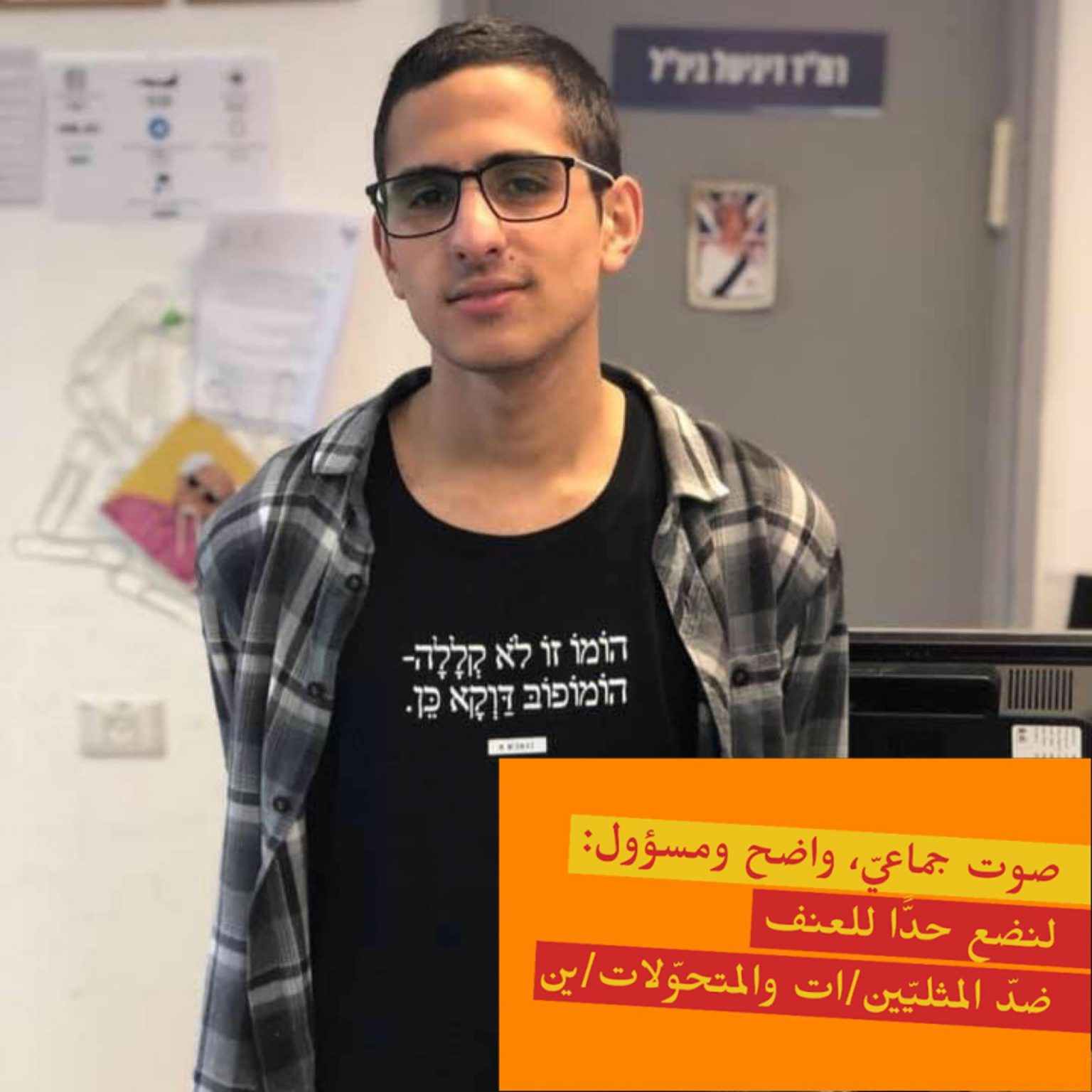
The Middle East is not one thing. It contains remarkable contradictions: Tel Aviv hosts one of the region’s most visible Pride celebrations and has earned a reputation as a haven for artists, entrepreneurs, and people seeking freedom of expression. A short flight away are places where LGBTQ+ people remain largely invisible. We even have producers from the event working to make it more sustainable. Read our article here. There are even lesbian penguins at the local zoo.
But identity is not the only issue that matters. Years ago Green Prophet covered SlutWalk demonstrations in Israel, where women marched against victim-blaming and demanded the right to move through the world without harassment. The message was different, but the principle was similar: people should not have to apologize for who they are. Around the same time women were being harassed in Cairo simply for cycling or walking by themselves without a male chaperone. They made Harassmap to help each other out by alerting key times when it’s safe to walk the streets.
That connection may be why these stories belong on Green Prophet.
Environmental journalism is often reduced to statistics about carbon emissions, droughts, and renewable energy projects. Those stories matter. But sustainability is also about people. It is about creating societies where human beings can flourish. A sustainable city is not merely one with bike lanes and solar panels. It is a city where people feel safe enough to be themselves.That is why Pride Month belongs in a conversation about the environment.
Nature offers a useful perspective. Trees don’t care who you love. The ocean doesn’t care how you identify. The desert doesn’t ask who you’re holding hands with. Diversity is not an exception in nature, it is the rule and ecosystems depend on it.
This Pride Month, Green Prophet celebrates the people across the Middle East and beyond who continue to make room for others to live openly, honestly, and exactly as they are. Whether through dance, art, entrepreneurship, activism, or simply refusing to hide, they remind us that a better future is not just greener.
If you have a story of a pride month hero to share, send it along to [email protected].