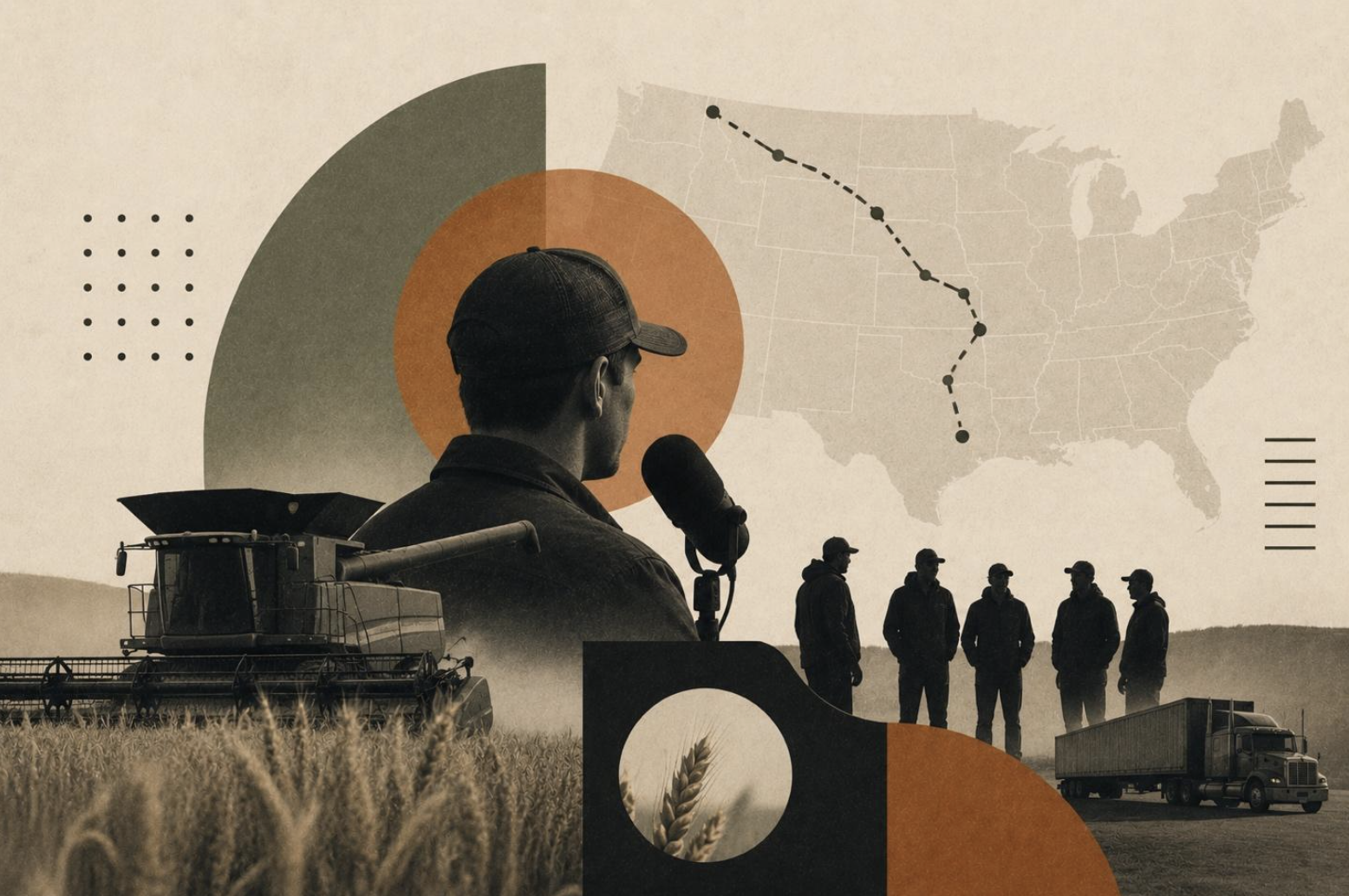
In late January, in a Des Moines hotel ballroom that smelled faintly of diesel and convention coffee, Tanner Winterhof spent three days hosting the members and attendees of the U.S. Custom Harvesters Inc. annual convention on his podcast as Farm4Profit’s official media partner for the show. What he heard, episode after episode, was a story almost no one outside the harvest run is telling: the crews who move the American wheat crop from Texas to Montana every summer are tightening up, aging out, and quietly running out of road.
What Tanner Winterhof Saw on the Custom Harvesters Convention Floor
The U.S. Custom Harvesters annual convention is a working trade show: families, retired Case IH service techs, John Deere parts reps, and a hotel meeting room full of operators who will not see each other again until the next winter, after another 5,000 miles of harvest. The 41st version of the show, held in Oklahoma City in January 2024, drew 1,080 people: harvesters, vendors, and the manufacturers whose support trailers follow the run north. The 2026 convention, in Des Moines, was the show Winterhof and his team covered from inside.
Farm4Profit’s January-through-March winter tour produced more than 40 full podcast episodes across six events, from Spain to San Antonio, with the U.S. Custom Harvesters convention as the first stop on the U.S. leg. “Agriculture runs on conversations,” Winterhof said in announcing the tour. “Every event we attend is an opportunity to sit down with the people doing the work.” The custom harvesters were among the first people he sat down with this winter, and the conversation that came back was less about machinery than about whether the run itself is still viable.
The Texas-to-Montana Route Most Americans Never Hear About
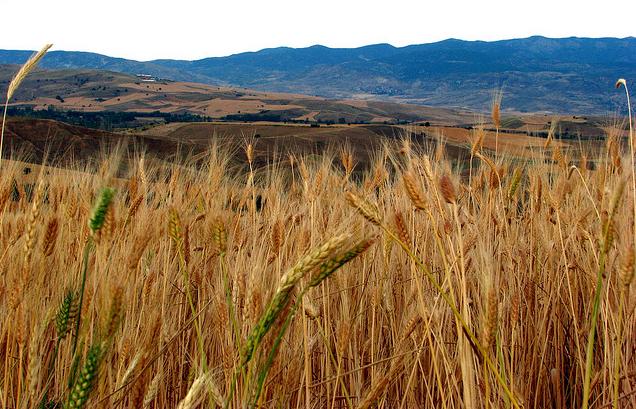
The custom harvest run is one of the more remarkable logistical achievements in American agriculture, and almost no one outside farming knows it exists. Crews start in Central Texas in May, cutting winter wheat as it ripens, then work their way north through Oklahoma, Kansas, Colorado, Nebraska, the Dakotas, and Montana through the summer, finishing along the Canadian border in the fall. Operations range from a single combine with a husband-wife team to fleets of 60 combines.
Workers live in RVs. Children grow up in the cab. Crews stop along the way to harvest chickpeas, lentils, and the wheat that ends up in flour mills feeding the country.
Across much of the wheat belt, custom harvesters are the harvest infrastructure. A grower in northwest Kansas with 4,000 acres of wheat ripening simultaneously cannot afford to own enough combines, headers, and grain carts to bring it in himself in the seven-to-ten day window the crop allows. He hires a custom crew. The crew rolls in, cuts the field, drops the grain at the elevator, and is gone in 72 hours. Multiply that across the Great Plains and the picture sharpens: without custom harvesters, large portions of the U.S. wheat crop would either rot in the field or require a parallel investment in idle capital equipment that no operator could justify.
This is the infrastructure Winterhof was sitting in the middle of in Des Moines.
Why the Labor Math Stopped Working for Custom Harvesters

The squeeze is mostly about labor, and the labor problem is mostly about the H-2A program. Industry estimates put roughly half of all custom harvester crew members in the U.S. on H-2A guest-worker visas, drawn primarily from countries like Australia, New Zealand, South Africa, the U.K., and Italy.
The reason is simple: the season runs too long and too hard to staff domestically. “The year gets long. It gets really long,” Mychal Neumiller of U.S. Custom Harvesters Inc. told Brownfield Ag News in December 2025. “There are lots of hours. The American workers don’t want to put in that many hours. The foreign laborers come here to work. If you can get them here and pay them, then it’s okay.”
The “if you can get them here and pay them” part is what is breaking. H-2A petition fees rose between 65% and 267% in 2024 alone, according to American Farm Bureau Federation economist Samantha Ayoub. Minimum H-2A wages have climbed 60% over the past decade. The Department of Labor has issued more than 3,000 pages of new federal H-2A regulations in under two years. A 2024 Farmworker Protection Rule has been partially blocked by federal courts in roughly two-thirds of states, which forces employers to run a single harvest across a patchwork of legal regimes. Add it up across a six-month, ten-state route and it amounts to a tax on every combine that crosses a state line.
At the same time, the prices custom harvesters can charge are capped by what farmers can pay. “Lower commodity prices are limiting what crews can charge,” Neumiller said. “Farmers maybe can’t afford to pay it. We have to find a fine balance where we can still make money and farmers can still make some money too.” With USDA forecasting tighter farm working capital going into 2026, that balance is getting harder to find.
What Tanner Winterhof Heard From the Crews in Des Moines
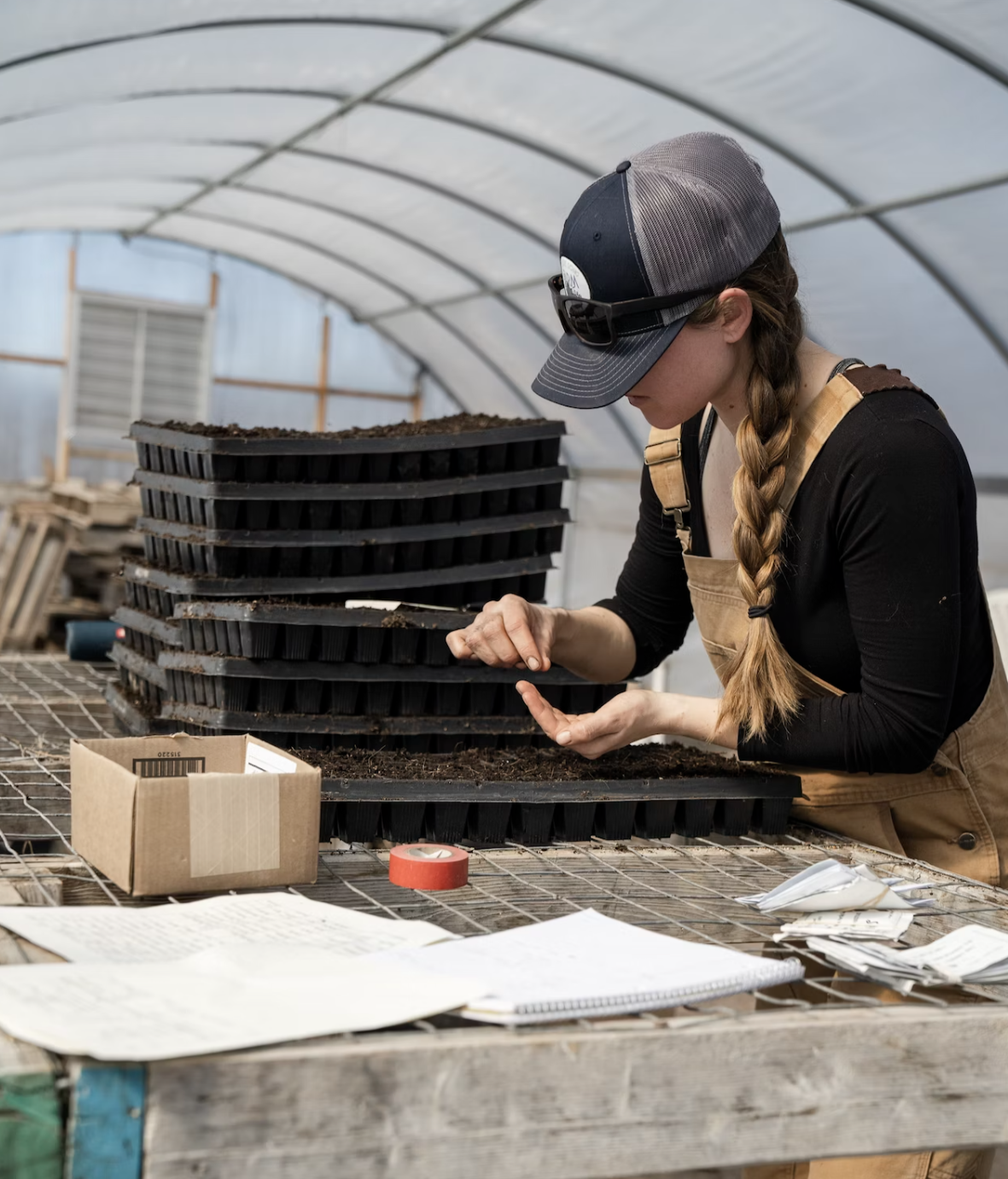
The voices Winterhof brought back on the podcast were tired. David Misner, the U.S. Custom Harvesters president going into the 2024 convention, told the trade press his members were “worried about the H-2A program and the drastic increase in costs.” Kristi Boswell, who represents the association in Washington, put it this way in High Plains Journal: “The last three years have seen multiple rule makings that alter the H-2A program. These changes impact program operations, government-required wage rates, and the ability of harvesters to afford critical truck driving positions.”
Translate that out of trade-press language and the point lands here: small and mid-sized operators are the ones at risk. The 60-combine fleets can absorb the compliance burden, the immigration attorneys, the per-employee housing and transportation costs. The two-combine family operation, working a 1,200-mile route on tight margins, cannot. The same dynamic that has been thinning out family-scale livestock and grain operations is now thinning out the harvest infrastructure those same family operations depend on.
This is the angle Winterhof’s banking background tends to surface. After 15 years in agricultural lending, Tanner tends to look at any farm-economy story through the lens of who is actually carrying the working-capital risk. In the custom harvester story, the answer is unambiguous: the operator with one combine and a wife and two kids in the RV is carrying it. The 1,000-acre wheat grower in western Kansas is carrying it secondhand, because if his custom crew folds, his next call is to a competitor’s crew that may not have a slot for him.
What American Agriculture Loses if Custom Harvesters Disappear
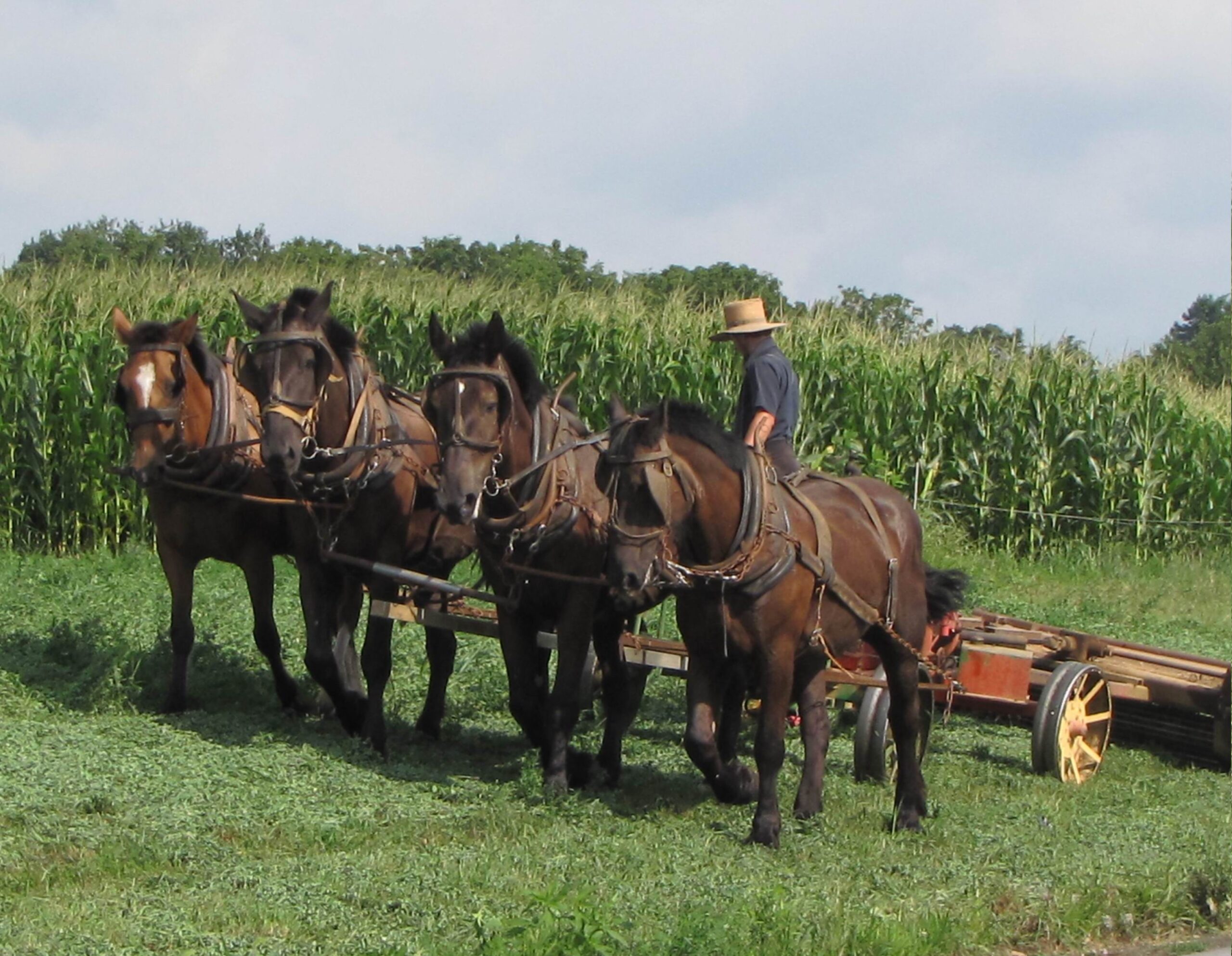
Custom harvesting erodes the way most agricultural infrastructure erodes: slowly, and one operator at a time. A fleet downsized here, a second-generation operator who declines to take over there, a route that gets cut short because the labor did not show up.
The H-2A program at the national level keeps growing. Nationwide certifications hit roughly 384,900 positions in fiscal year 2024, and the broader trend over the past decade has been a roughly 300% increase in H-2A workers since 2010. The program’s economics, though, are pushing concentration. Big operations get bigger; small ones exit.
For the farmers Farm4Profit’s audience represents, the loss is concrete. Fewer custom crews on the run means longer waits, higher per-acre rates, and real risk of crop loss in years when the weather window tightens. For the rural towns along the Texas-to-Montana corridor, it means fewer hotel nights, fewer fuel stops, fewer service-center calls. For American food security, it means a 200,000-square-mile band of wheat country that depends on a workforce no policymaker in Washington has paid much serious attention to in 15 years.
That is the story Tanner Winterhof spent three days recording at the U.S. Custom Harvesters convention. It is the story he and the Farm4Profit team have been quietly building into their winter coverage. And it is the kind of story the people doing the work, as Winterhof calls his audience, deserve to have told before the run gets any shorter.