
Hollywood once promised to help save the planet. Leonardo DiCaprio warned of climate catastrophe from awards stages. Celebrities flew to climate conferences. Studios pledged greener productions. Streaming platforms rushed to commission environmental documentaries. But in 2026, with the aftermath of wildfires, heatwaves and floods becoming routine, a question lingers: Does Hollywood still care about climate change?
At the seventh annual Hollywood Climate Summit in Los Angeles this week, organizers attempted to answer with a resounding yes. The event gathered filmmakers, actors, comedians, activists, scientists and media executives to explore how storytelling can inspire climate action across food systems, health, infrastructure and popular culture.
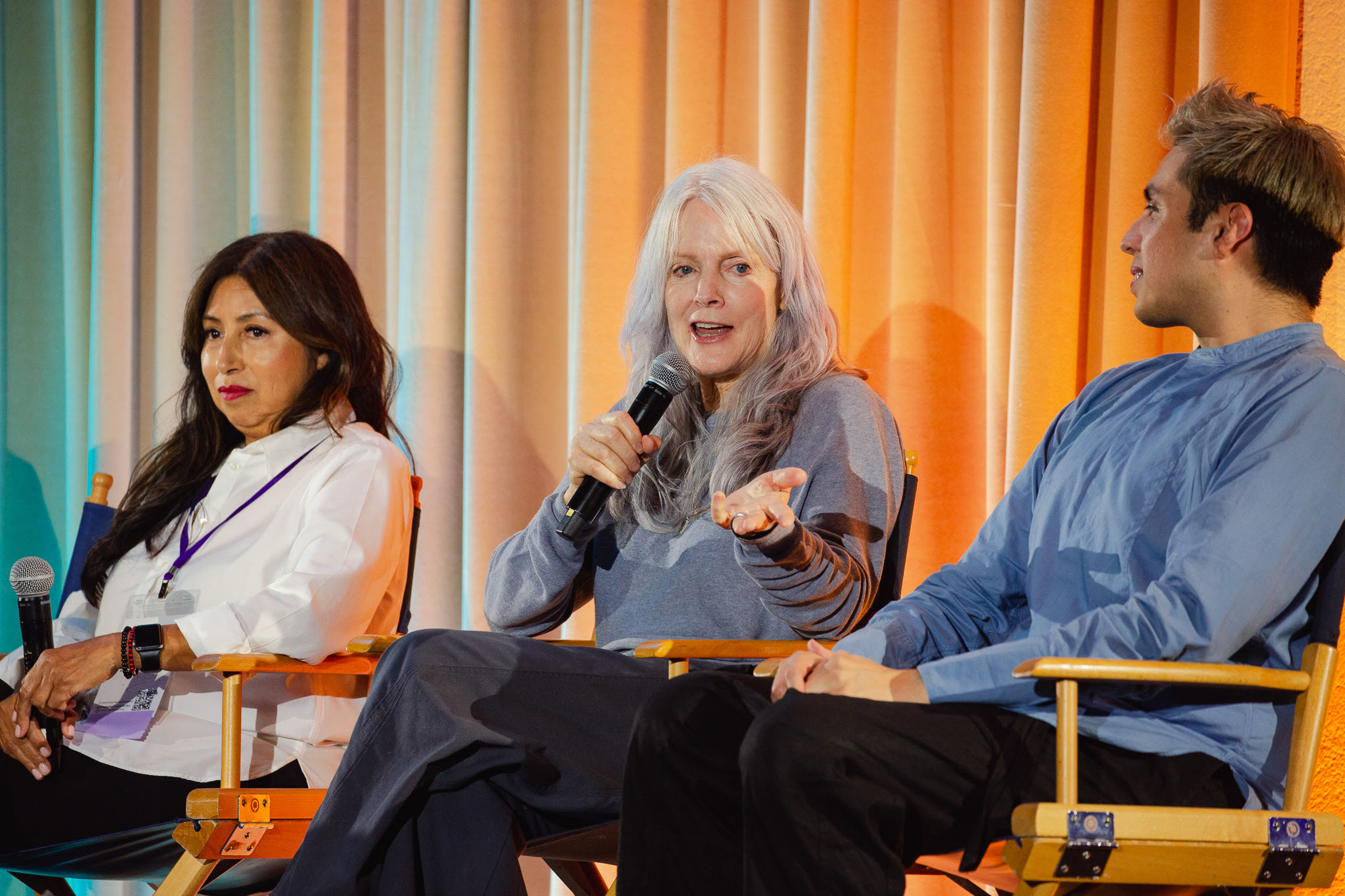
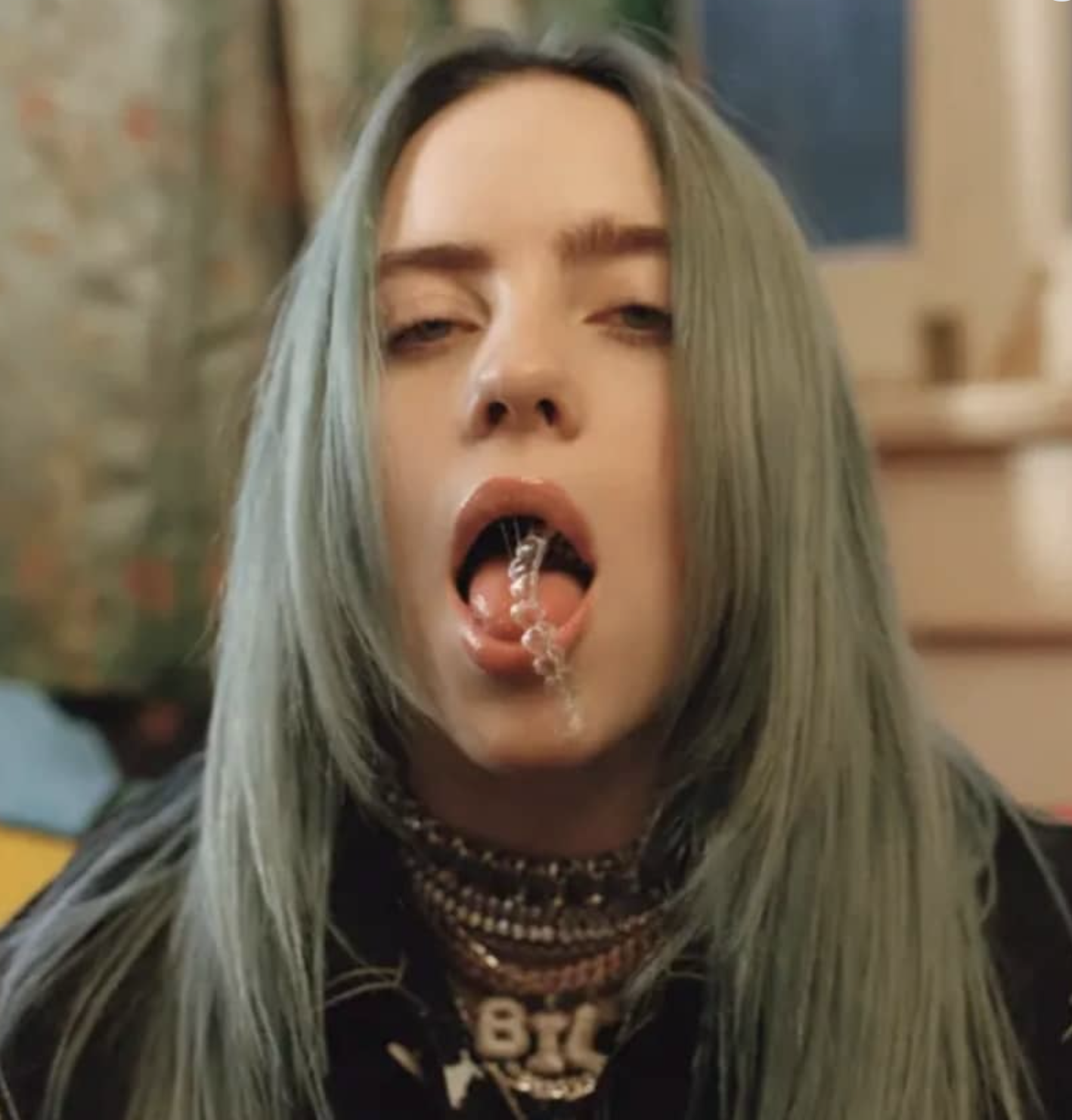
One of the most recognizable voices came from Maggie Baird, founder of Support + Feed and mother of Grammy-winning musician Billie Eilish. We wrote about Maggie’s new show here. Speaking on the panel “How Food Tells Our Stories,” Baird described how her daughter’s global tours have become platforms for climate-conscious food choices.
“One of the things we did on Billie’s tour was we added, we have requirements of all the venues that they have at least 3 plant-based mains, and that’s not popcorn and peanuts, but fully made,” Baird said. “And around the world, that can be very hard to do.” For Baird, climate action isn’t just about reducing emissions. It is about making sustainable choices attractive.
“For better or worse, vegan food has to be better to break through those barriers. Kind of sucks, that’s true. It’s the job,” she said.
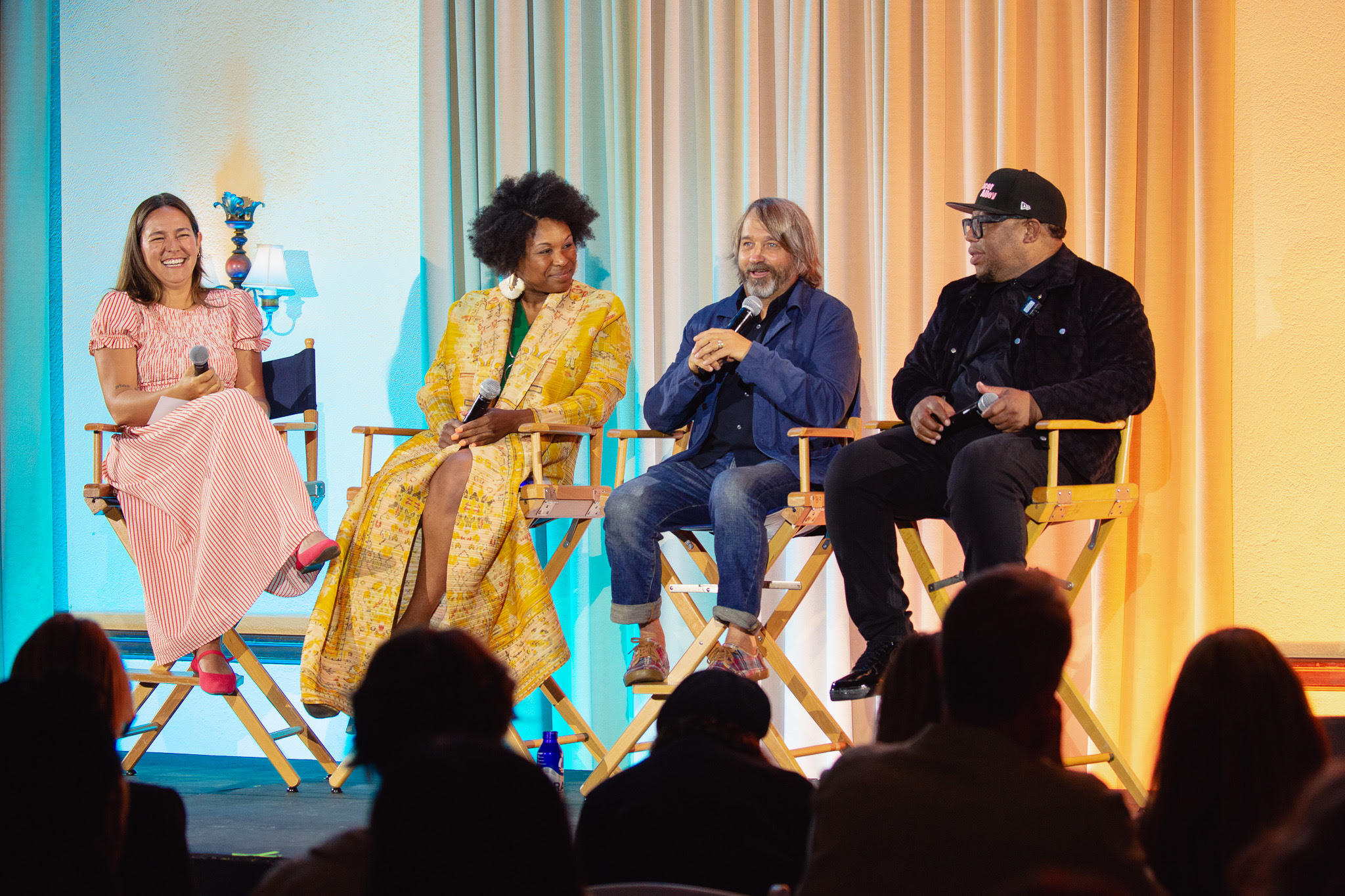
The summit also highlighted the growing intersection between climate issues and personal health. Josh Murphy, co-director of the Netflix documentary The Plastic Detox, explained why his film focuses on fertility and human health rather than environmental doom.
“Fertility is some shared part of the human experience,” Murphy said, noting that the health impacts of plastic pollution can resonate across political and social divides.
The strategy reflects a broader shift among climate communicators. While warnings about melting ice caps and rising temperatures remain important, many storytellers are finding audiences respond more strongly when environmental issues affect their bodies, children and daily lives.

Comedy also found a place at the summit. Musician and comedian Reggie Watts headlined “SCORCHED,” a climate-themed comedy and variety show designed to engage audiences through humor rather than fear. The event featured performers using satire, storytelling and improvisation to tackle environmental themes.
Meanwhile, a panel called “Greenlight California” explored how climate infrastructure projects such as high-speed rail and sustainable urban planning could determine the future of film production in Los Angeles. California Film Commission Director Colleen Bell argued that investing in infrastructure is ultimately an investment in Hollywood itself.
The summit’s partner list was impressive: Netflix, Warner Bros. Discovery, NRDC, Climate Power, Re, the CAA Foundation and the UTA Foundation all lent support. Yet despite the enthusiasm inside conference halls, the larger question remains unresolved.
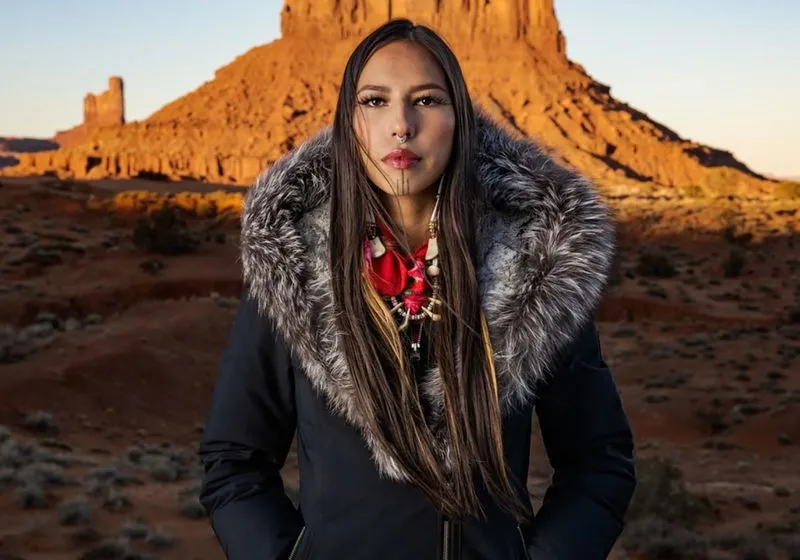
Indigenous model, actress, and land protector Quannah ChasingHorse was honored for using her platform to advance climate action and environmental justice.
ChasingHorse is among the first recipients of its new leadership awards program, which recognizes leaders across entertainment, media, and culture who are driving action on climate and sustainability issues. ChasingHorse received the Amplifier Award, which honors “a cultural leader using their platform and influence to advance climate action and environmental justice for the next generation.”
The ceremony took place June 3 at the Academy of Motion Picture Arts and Sciences’ Samuel Goldwyn Theater in Beverly Hills during the opening day of the seventh annual Hollywood Climate Summit.
A Han Gwich’in and Sicangu/Oglala Lakota land protector from Eagle Village, Alaska, and the tribes of South Dakota, ChasingHorse has become one of the most visible Indigenous figures in fashion and entertainment while consistently centering Indigenous values, land protection, and Native representation in her public work.
A fourth-generation land protector, ChasingHorse has described her connection to her homelands and traditional ways of life as the foundation of her activism and career. She first gained international attention through a 2020 Calvin Klein campaign and has since worked with major global fashion houses while appearing on magazine covers including Vogue, Elle, and Harper’s Bazaar.
She has also expanded into film and television, appearing in Reservation Dogs and Thin Places. Her short film Walking Two Worlds received awards and streams through The North Face channels.
Climate stories rarely dominate the box office. Environmental documentaries struggle to break into mainstream conversation. The entertainment industry continues to produce carbon-intensive global productions while audiences increasingly consume content through algorithms that reward outrage, celebrity drama and political conflict. Greenpeace activists like Greta Thunberg have migrated to the Free Palestine political movement.
Do we have climate fatigue and are just giving up? Even climate itself seems to have become fragmented into niche topics: plastic pollution, sustainable food, electric vehicles, biodiversity loss, climate anxiety and green infrastructure. Climate change is no longer a single issue. It is the backdrop to everything.
And maybe that is why Hollywood Climate Summit still matters. Rather than asking audiences to watch another documentary about melting glaciers, participants are embedding climate stories into food, comedy, health, transportation and everyday life.
The challenge for Hollywood now is not convincing people climate change exists. Most people already know that. Whether a vegan meal on a Billie Eilish tour, a documentary about plastics and fertility, or a climate-themed comedy show can accomplish anything remains to be seen. Is it a whimper in the dark? Or should we say hooray because the entertainment industry was still trying.