Not all green web hosting is created equal. Some companies buy renewable energy certificates, others use cleaner data centers, and some extend the life of existing servers. We compare six web hosts, including GreenGeeks, SiteGround and Hostinger, to see how their environmental claims stack up against performance, speed and transparency.
Danit Peleg is reinventing 3D-printed fashion with algae-based biomaterials, AI-powered design and made-to-order manufacturing. Can circular fashion become commercially viable?
Oil spills grab headlines for black beaches and struggling wildlife. Fewer stories follow the people who scrub those shores. Workers and volunteers often spend days breathing fumes and touching tar. Their health matters as much as the coastline.
The 2026 Walk of Water Photostory Contest is offering $9,000 in prizes for photographers documenting the hidden side of water, from wastewater and pollution to sanitation workers, public health and clean-water solutions.
Twenty-six students planted 45 mangrove saplings at Al Zorah Beach in Ajman, joining a much larger Gulf-wide push to restore mangrove forests and protect vulnerable coastlines.
Not all green web hosting is created equal. Some companies buy renewable energy certificates, others use cleaner data centers, and some extend the life of existing servers. We compare six web hosts, including GreenGeeks, SiteGround and Hostinger, to see how their environmental claims stack up against performance, speed and transparency.
Danit Peleg is reinventing 3D-printed fashion with algae-based biomaterials, AI-powered design and made-to-order manufacturing. Can circular fashion become commercially viable?
Oil spills grab headlines for black beaches and struggling wildlife. Fewer stories follow the people who scrub those shores. Workers and volunteers often spend days breathing fumes and touching tar. Their health matters as much as the coastline.
The 2026 Walk of Water Photostory Contest is offering $9,000 in prizes for photographers documenting the hidden side of water, from wastewater and pollution to sanitation workers, public health and clean-water solutions.
Twenty-six students planted 45 mangrove saplings at Al Zorah Beach in Ajman, joining a much larger Gulf-wide push to restore mangrove forests and protect vulnerable coastlines.
Not all green web hosting is created equal. Some companies buy renewable energy certificates, others use cleaner data centers, and some extend the life of existing servers. We compare six web hosts, including GreenGeeks, SiteGround and Hostinger, to see how their environmental claims stack up against performance, speed and transparency.
Danit Peleg is reinventing 3D-printed fashion with algae-based biomaterials, AI-powered design and made-to-order manufacturing. Can circular fashion become commercially viable?
Oil spills grab headlines for black beaches and struggling wildlife. Fewer stories follow the people who scrub those shores. Workers and volunteers often spend days breathing fumes and touching tar. Their health matters as much as the coastline.
The 2026 Walk of Water Photostory Contest is offering $9,000 in prizes for photographers documenting the hidden side of water, from wastewater and pollution to sanitation workers, public health and clean-water solutions.
Twenty-six students planted 45 mangrove saplings at Al Zorah Beach in Ajman, joining a much larger Gulf-wide push to restore mangrove forests and protect vulnerable coastlines.
Not all green web hosting is created equal. Some companies buy renewable energy certificates, others use cleaner data centers, and some extend the life of existing servers. We compare six web hosts, including GreenGeeks, SiteGround and Hostinger, to see how their environmental claims stack up against performance, speed and transparency.
Danit Peleg is reinventing 3D-printed fashion with algae-based biomaterials, AI-powered design and made-to-order manufacturing. Can circular fashion become commercially viable?
Oil spills grab headlines for black beaches and struggling wildlife. Fewer stories follow the people who scrub those shores. Workers and volunteers often spend days breathing fumes and touching tar. Their health matters as much as the coastline.
The 2026 Walk of Water Photostory Contest is offering $9,000 in prizes for photographers documenting the hidden side of water, from wastewater and pollution to sanitation workers, public health and clean-water solutions.
Twenty-six students planted 45 mangrove saplings at Al Zorah Beach in Ajman, joining a much larger Gulf-wide push to restore mangrove forests and protect vulnerable coastlines.
Not all green web hosting is created equal. Some companies buy renewable energy certificates, others use cleaner data centers, and some extend the life of existing servers. We compare six web hosts, including GreenGeeks, SiteGround and Hostinger, to see how their environmental claims stack up against performance, speed and transparency.
Danit Peleg is reinventing 3D-printed fashion with algae-based biomaterials, AI-powered design and made-to-order manufacturing. Can circular fashion become commercially viable?
Oil spills grab headlines for black beaches and struggling wildlife. Fewer stories follow the people who scrub those shores. Workers and volunteers often spend days breathing fumes and touching tar. Their health matters as much as the coastline.
The 2026 Walk of Water Photostory Contest is offering $9,000 in prizes for photographers documenting the hidden side of water, from wastewater and pollution to sanitation workers, public health and clean-water solutions.
Twenty-six students planted 45 mangrove saplings at Al Zorah Beach in Ajman, joining a much larger Gulf-wide push to restore mangrove forests and protect vulnerable coastlines.
Not all green web hosting is created equal. Some companies buy renewable energy certificates, others use cleaner data centers, and some extend the life of existing servers. We compare six web hosts, including GreenGeeks, SiteGround and Hostinger, to see how their environmental claims stack up against performance, speed and transparency.
Danit Peleg is reinventing 3D-printed fashion with algae-based biomaterials, AI-powered design and made-to-order manufacturing. Can circular fashion become commercially viable?
Oil spills grab headlines for black beaches and struggling wildlife. Fewer stories follow the people who scrub those shores. Workers and volunteers often spend days breathing fumes and touching tar. Their health matters as much as the coastline.
The 2026 Walk of Water Photostory Contest is offering $9,000 in prizes for photographers documenting the hidden side of water, from wastewater and pollution to sanitation workers, public health and clean-water solutions.
Twenty-six students planted 45 mangrove saplings at Al Zorah Beach in Ajman, joining a much larger Gulf-wide push to restore mangrove forests and protect vulnerable coastlines.
Not all green web hosting is created equal. Some companies buy renewable energy certificates, others use cleaner data centers, and some extend the life of existing servers. We compare six web hosts, including GreenGeeks, SiteGround and Hostinger, to see how their environmental claims stack up against performance, speed and transparency.
Danit Peleg is reinventing 3D-printed fashion with algae-based biomaterials, AI-powered design and made-to-order manufacturing. Can circular fashion become commercially viable?
Oil spills grab headlines for black beaches and struggling wildlife. Fewer stories follow the people who scrub those shores. Workers and volunteers often spend days breathing fumes and touching tar. Their health matters as much as the coastline.
The 2026 Walk of Water Photostory Contest is offering $9,000 in prizes for photographers documenting the hidden side of water, from wastewater and pollution to sanitation workers, public health and clean-water solutions.
Twenty-six students planted 45 mangrove saplings at Al Zorah Beach in Ajman, joining a much larger Gulf-wide push to restore mangrove forests and protect vulnerable coastlines.
Not all green web hosting is created equal. Some companies buy renewable energy certificates, others use cleaner data centers, and some extend the life of existing servers. We compare six web hosts, including GreenGeeks, SiteGround and Hostinger, to see how their environmental claims stack up against performance, speed and transparency.
Danit Peleg is reinventing 3D-printed fashion with algae-based biomaterials, AI-powered design and made-to-order manufacturing. Can circular fashion become commercially viable?
Oil spills grab headlines for black beaches and struggling wildlife. Fewer stories follow the people who scrub those shores. Workers and volunteers often spend days breathing fumes and touching tar. Their health matters as much as the coastline.
The 2026 Walk of Water Photostory Contest is offering $9,000 in prizes for photographers documenting the hidden side of water, from wastewater and pollution to sanitation workers, public health and clean-water solutions.
Twenty-six students planted 45 mangrove saplings at Al Zorah Beach in Ajman, joining a much larger Gulf-wide push to restore mangrove forests and protect vulnerable coastlines.
Green newspaper in Japan filled with seeds that grow flowers when composted
All the garden space I have is a balcony off my living room. It’s pretty crowded out there, mostly herbs I’ve grown from seed or rooted from supermarket produce. I’ve learned how to grow vegetables and herbs from watching video tutorials, reading, and talking to experienced urban gardeners like the late Leda Meredith.
If I planted the seeds from every vegetable that goes through my kitchen, my balcony would become an impenetrable jungle.
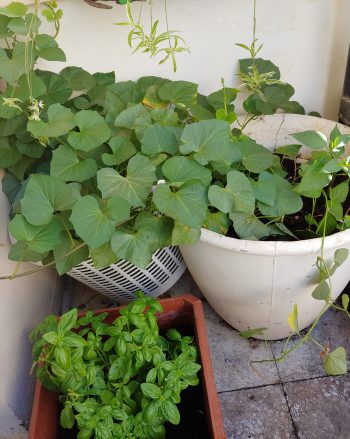
Above is a sweet potato vine. A jalapeño pepper from a stray seed is flourishing alongside it. Under the sweet potato, basil. Did you know that sweet potato leaves are edible? I put a sprouting sweet potato in soil a year ago and got some respectable-sized tubers. This will be the second harvest from that one easy act.
It’s great to garnish my homegrown tomatoes with my own chives. But my greatest satisfaction comes from watching my grandkids getting into the dirt.
They like to spend an hour messing around on the balcony, filling up planters and poking seeds in. They love it that tomato and pepper seeds they planted before magically gave fruit they can eat. I like to know that they’re learning. I want them to understand that everything they eat depends on seeds; even their roast chicken or hamburgers. I want them to know, if not how to grow fruit and veg today, that they can learn how to later.
I’m thinking of global food scarcity, and a future when those I love may have to depend on foods they cultivate themselves.
Fresh za’atar
These amateur gardening skills may put food on my grandchildren’s tables someday. Because there’s less and less food variety in the world, and much of the food supply is in the hands of powerful agribusinesses. Growing your own food, even only a little of it, can become a step toward future food security.
Or a political act, a small personal rebellion against the GMO giants Bayer, Corteva Agriscience, and Syngenta. These agrochemical and biotechnology corporations oblige farmers buying seeds to sign a contract whereby they may not save, clean, or replant seeds from resulting harvests.
This forces them to buy the corporation’s seeds each new season instead of relying on seeds from last year’s crops for the next harvest, as farmers have done for millenia. There have been suicides among farmers in India who couldn’t afford to keep buying GMO seeds.
Saving Seeds Saves Genetic Diversity
The Food and Agriculture Organization of the United Nations published a training manual in 2004, where it’s estimated that over 75% of the world’s agricultural genetic diversity has disappeared. According to that publication, over 90% of heritage seeds no longer exist.
But what does that mean for you and me?
First, consider what “heritage seeds” are. They’re seeds of open-pollinated plants. The wind, or insects, or human interference ensure their fertility. If the mother plant wasn’t cross-bred by accident or on purpose by humans, the seeds pass on its characteristics to the next generation.
Related: seed bombing in Cairo, Egypt
But heirloom plants are disappearing. Commercial farming has long been raising standardized hybrid crops with higher yields, longer shelf lives and better market appeal. Heirloom varieties are fading from memory and dying out.
Adding to this sad scenario is climate change, war and drought. They changed once-thriving agricultural land into deserts. Farmers immigrate, leaving their agricultural skills and the culture of seed-saving behind. Habitat loss and over-harvesting contribute to the scarcity of viable seeds.
Mice kissing on a poppy seed branch
In attempts to ensure humanity’s future food security, at least 1000 seed banks and cooperatives have been built. The most famous is the Svalbard Seed Vault in Norway, a genebank that holds 880,000 sample seeds from around the globe. The International Center for Agricultural Research in the Dry Areas (ICARDA), preserves 26,000 seeds and 20,000 seed collections in Lebanon and Morocco. There are seed banks in Israel, many around the USA, in Latin America, and in England and Australia.
A farmer’s field in Yemen gets a boost by rainwater collection pools. A new-old way to combat drought.
The famine scenarios that seed banks are meant to prevent are already reality in Yemen, Somalia, Nigeria, and other countries. Even in the affluent West, we’re seeing fewer varieties of fruit and vegetables. Produce prices are rising all the time. Plants we’re eating today may disappear in the future, or become so costly that we’d have to stop and think if it’s worth splurging on a cauliflower.
What can we small people do to help save food for humanity?
We can save viable seeds and roots, plant and cultivate them, and do it again next season.
You might ask, what difference can my little pot of scallions or backyard potato plot make? Simply this: the more you grow food, the better the chances are of taking food into the future.
5 good reasons to save seeds (and grow them):
Heirloom and home-grown plants ripens in stages, not all at once. This is convenient for gardeners and home cooks. You can put up doable batches of pickles or preserves a bit at a time, instead of bringing home kilos of produce to deal with before it goes bad.
2. Heirloom and home-grown fruit and vegetables taste better than commercial produce. There’s no comparison to the flavor of a home-grown cucumber. Or a vine-ripened tomato. Or a pungent basil leaf.
3. When you grow crops from seeds, you’re preserving a historical heritage that’s fading fast. If you’re growing seeds of a rare variety, you’re creating a green link from the past to the future.
4. Growing your own saves money. Even if it’s one pot of basil on your windowsill, think of what a package of basil costs in the supermarket. And growing your own means no plastic packaging. Plus… if there’s room for one pot of basil, there might be room for another of sage, or chives.
5. Flowering plants attract pollinating insects. The sunflowers in your garden nurture bees, indirectly helping to fertilize an avocado tree a block away when those bees visit it. Urban development – like the new buildings going up in your neighborhood – destroys the natural habitats and food sources of birds, bees, and many other forms of life. Your gardening won’t replace open fields, but is more valuable to the environment than you might think.
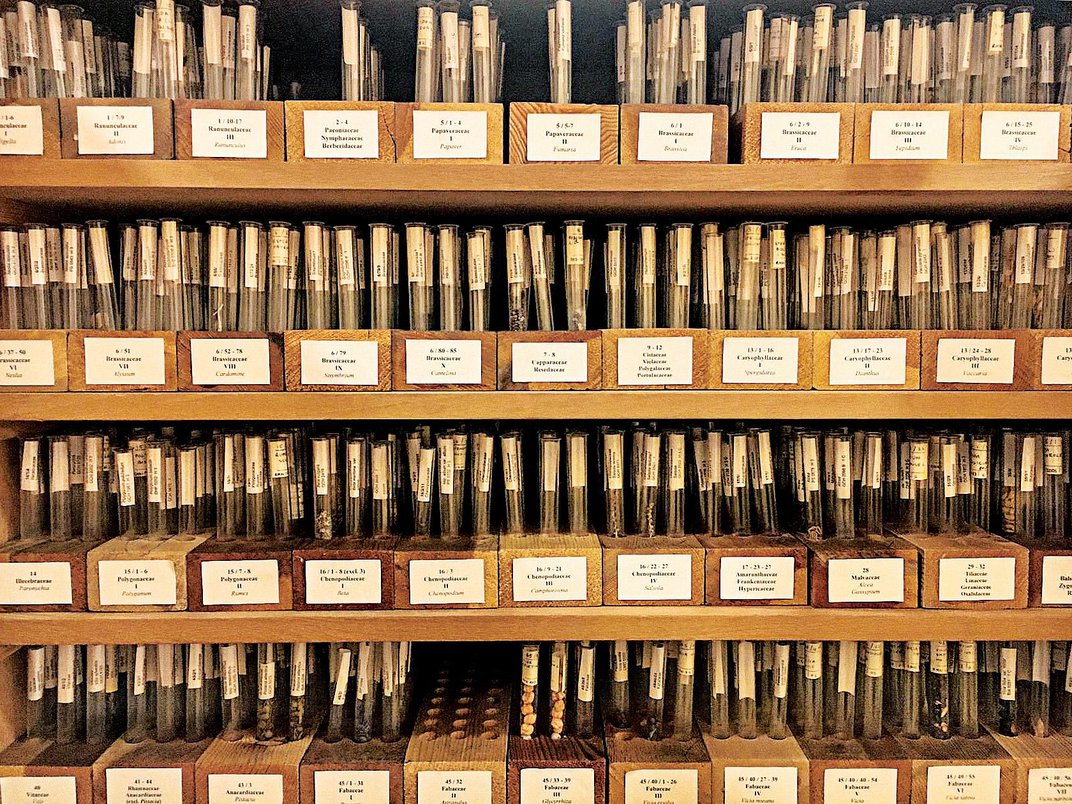
Hillman seed collection Turkey
Saving seed is easy. Choose the biggest and healthiest-looking seeds from your fruit or veg. If it’s a flower, let the seed heads dry out, cut the stems off, drop them head first into a paper bag and shake out all the seeds. If it’s a fruit or vegetable, scoop out the seeds, rinse them and allow to dry. Store them in a dry, cool place, away from light.
I spread the moist seeds on a paper towel, wait till they dry, and store the paper until it’s time to plant. Then I just plant pieces of the paper right into the dirt. Seedlings come up, I promise. But there’s plenty of advice about saving seeds out there: YouTube tutorials, courses at local garden centers, or just talking to a neighbor who successfully grows things from seed themselves.
Where To Get Seeds
Most salad vegetables like cucumbers, tomatoes and peppers have plenty of seeds you can scrape out and save. Collect the seeds off nasturtiums, marigolds, nettles, chives, scallions, oregano, basil. If you have garden room, try taking the “eyes” off a sprouting potato and planting them. You’d be surprised how easy it is to grow a small crop, if you follow directions. Again, there are lots of tutorials and gardening wisdom out there.
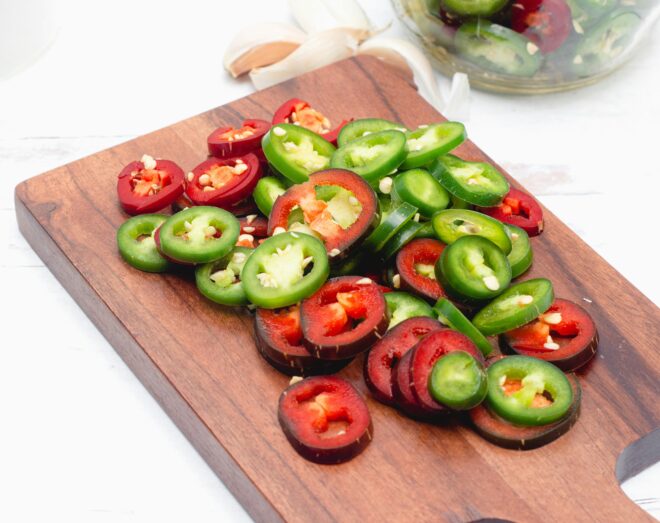
A pepper salad like this will yield more fresh seeds than you can deal with. Luckily, seeds kept in a closed jar can last up to 3 years.
Pepper seeds are easy to collect
Give extras away. Teach family and friends how to grow them. And use the seeds you save. Seeds that lie forgotten in a cupboard won’t do any good. For a variety to survive, it must be planted and its seeds planted again, or it dies away from the world.
Who knows? Maybe your small effort will save a food plant that otherwise would be lost.
Miriam Kresh is an American ex-pat living in Israel. Her love of Middle Eastern food evolved from close friendships with enthusiastic Moroccan, Tunisian and Turkish home cooks.
She owns too many cookbooks and is always planning the next meal.
Miriam can be reached at miriam (at) greenprophet (dot) com.
In Cuba, guarapo is simply freshly-pressed sugar cane juice, and is drunk on the spot, without waiting for it to ferment. But in Colombia, Venezuela, Peru and Mexico, they homebrew guarapo from pineapples or oranges, and the fragrant fluid sits on the kitchen counter top to ferment until it's bubbly.
A new study from the Icahn School of Medicine at Mount Sinai in New York offers a striking insight into how the environments we are born into can quietly shape our brains years later. By analyzing naturally shed baby teeth, the ones tucked under pillows for the tooth fairy, researchers have reconstructed a detailed timeline of exposure to environmental metals during pregnancy and early infancy.
Scientists have developed a “raincoat” for lead-free tin perovskite solar cells, helping them withstand air, moisture and heat while maintaining high efficiency.
Sustainability is an approach where businesses and individuals balance the environmental, social, and economic aspects of a project such that current and future stakeholders are not overburdened with the impacts of the project in future.
The Yerukim members who pick up the recyclables get to keep the monetary reward, the public earns "green" bills that can be used in shops, and business owners get to be associated with environmentalism.
Saudi Arabia is deploying capital at unmatched scale to catalyze tourism and advanced industry while rewiring its power-and-water backbone. The investable frontier is widening—especially in renewables, grid storage, water efficiency/desal retrofits, and hospitality operating platforms. Prudent investors will insist on phased delivery, enforceable KPIs (energy, water, biodiversity), and RHQ/zone compliance—while pricing political-economy and reputational risks alongside growth upside.
If you throw a party for your work team and they are vegans, don't make it a barbecue. Know the sustainability values of your team to boost moral and retain good people.
Big Box stores are a pretty new concept in Israel, and thank God that not every Israeli city wants them in their backyard. A word from someone who has see the beautiful farmland around her hometown Newmarket, Ontario stripped and converted into vulgar strip malls of big box shops: they have no place in a healthy and sustainable town or city.


 If I planted the seeds from every vegetable that goes through my kitchen, my balcony would become an impenetrable jungle.
Above is a sweet potato vine. A jalapeño pepper from a stray seed is flourishing alongside it. Under the sweet potato, basil. Did you know that sweet potato leaves are edible? I put a sprouting sweet potato in soil a year ago and got some respectable-sized tubers. This will be the second harvest from that one easy act.
It’s great to garnish my homegrown tomatoes with my own chives. But my greatest satisfaction comes from watching my grandkids getting into the dirt.
They like to spend an hour messing around on the balcony, filling up planters and poking seeds in. They love it that tomato and pepper seeds they planted before magically gave fruit they can eat. I like to know that they’re learning. I want them to understand that everything they eat depends on seeds; even their roast chicken or hamburgers. I want them to know, if not how to grow fruit and veg today, that they can learn how to later.
I’m thinking of global food scarcity, and a future when those I love may have to depend on foods they cultivate themselves.
If I planted the seeds from every vegetable that goes through my kitchen, my balcony would become an impenetrable jungle.
Above is a sweet potato vine. A jalapeño pepper from a stray seed is flourishing alongside it. Under the sweet potato, basil. Did you know that sweet potato leaves are edible? I put a sprouting sweet potato in soil a year ago and got some respectable-sized tubers. This will be the second harvest from that one easy act.
It’s great to garnish my homegrown tomatoes with my own chives. But my greatest satisfaction comes from watching my grandkids getting into the dirt.
They like to spend an hour messing around on the balcony, filling up planters and poking seeds in. They love it that tomato and pepper seeds they planted before magically gave fruit they can eat. I like to know that they’re learning. I want them to understand that everything they eat depends on seeds; even their roast chicken or hamburgers. I want them to know, if not how to grow fruit and veg today, that they can learn how to later.
I’m thinking of global food scarcity, and a future when those I love may have to depend on foods they cultivate themselves.