
Weston Higginbotham found dead in a Kyoto forest: is climate anxiety part of the story?

weston higginbotham, weston higginbotham kyoto, weston higginbotham japan, auburn university student japan, weston higginbotham environmentalist, weston higginbotham missing, weston higginbotham found dead, kyoto hiking tragedy, young environmentalist japan, climate anxiety youth, climate anxiety generation z, eco anxiety young people, environmental education mental health, climate grief students, environmental science students, AI anxiety young people, artificial intelligence and mental health, future anxiety generation z, environmental studies depression, sustainability education, teaching climate change, solutions focused environmental education, green hydrogen future, circular economy solutions, plastic free packaging, secondhand fashion movement, climate change and youth, environmental activism youth, biosystems engineering student, auburn university environmental engineering, technology anxiety, future of sustainability, climate resilience, youth mental health and climate change, ecological grief, green innovation, renewable energy solutions, sustainable future, weston higginbotham obituary, kyoto forest tragedy, environmental awareness, sustainability leadership, green prophet climate anxiety, generation z environment, climate solutions not fear, hope based environmental education, environmental storytelling, youth and climate crisis, sustainable living solutions, climate communication, eco anxiety coping strategies, future focused sustainability education
Weston Higginbotham was found dead in a Kyoto area forest this weekend.

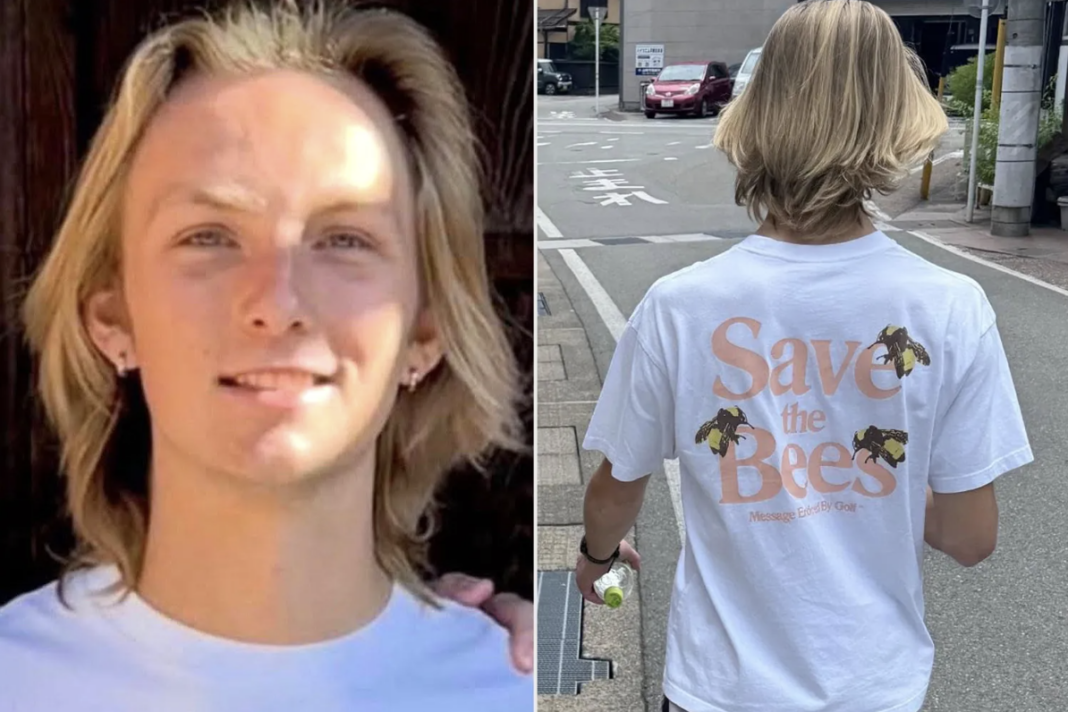
The death of 20-year-old Auburn University student Weston Higginbotham outside Kyoto, Japan, has sparked an outpouring of grief and reflection online. Higginbotham, who studied biosystems engineering and was known by family and friends as a passionate environmentalist, disappeared while traveling in Japan with his mother before his body was later found in a forested area near Kyoto.

Update: his funeral is announced and will be June 17 in Alabama

His mother, Nancy Higginbotham, shared the news on Saturday that his body had been found by a volunteer search and rescue group.

Authorities have not publicly released a cause of the 20 year-old’s death, and speculation circulating online should be treated with caution. Yet amid the mourning, a deeper conversation has emerged about the emotional burden many young people carry as they confront climate change, technological disruption, and uncertainty about the future.

In some ways, Weston, a student at The Auburn University, has become a symbol of a generation wrestling with environmental and technological anxiety. Friends and family described him as deeply concerned about environmental issues. Reports also noted that he questioned the growing role of artificial intelligence in daily life, even reportedly disagreeing with his mother about her use of ChatGPT while planning travel.
weston higginbotham, weston higginbotham kyoto, weston higginbotham japan, auburn university student japan, weston higginbotham environmentalist, weston higginbotham missing, weston higginbotham found dead, kyoto hiking tragedy, young environmentalist japan, climate anxiety youth, climate anxiety generation z, eco anxiety young people, environmental education mental health, climate grief students, environmental science students, AI anxiety young people, artificial intelligence and mental health, future anxiety generation z, environmental studies depression, sustainability education, teaching climate change, solutions focused environmental education, green hydrogen future, circular economy solutions, plastic free packaging, secondhand fashion movement, climate change and youth, environmental activism youth, biosystems engineering student, auburn university environmental engineering, technology anxiety, future of sustainability, climate resilience, youth mental health and climate change, ecological grief, green innovation, renewable energy solutions, sustainable future, weston higginbotham obituary, kyoto forest tragedy, environmental awareness, sustainability leadership, green prophet climate anxiety, generation z environment, climate solutions not fear, hope based environmental education, environmental storytelling, youth and climate crisis, sustainable living solutions, climate communication, eco anxiety coping strategies, future focused sustainability education
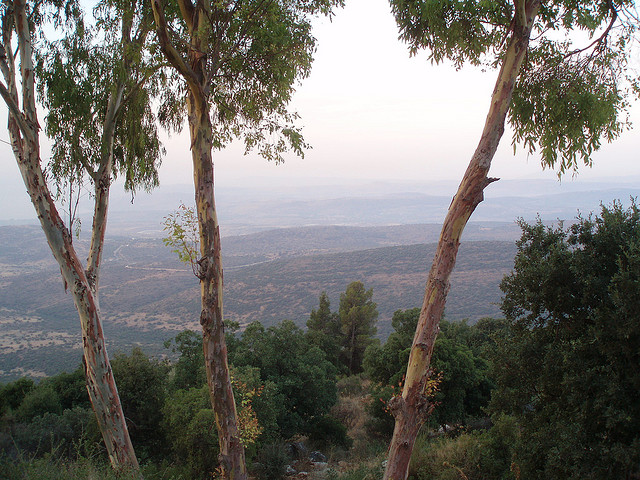
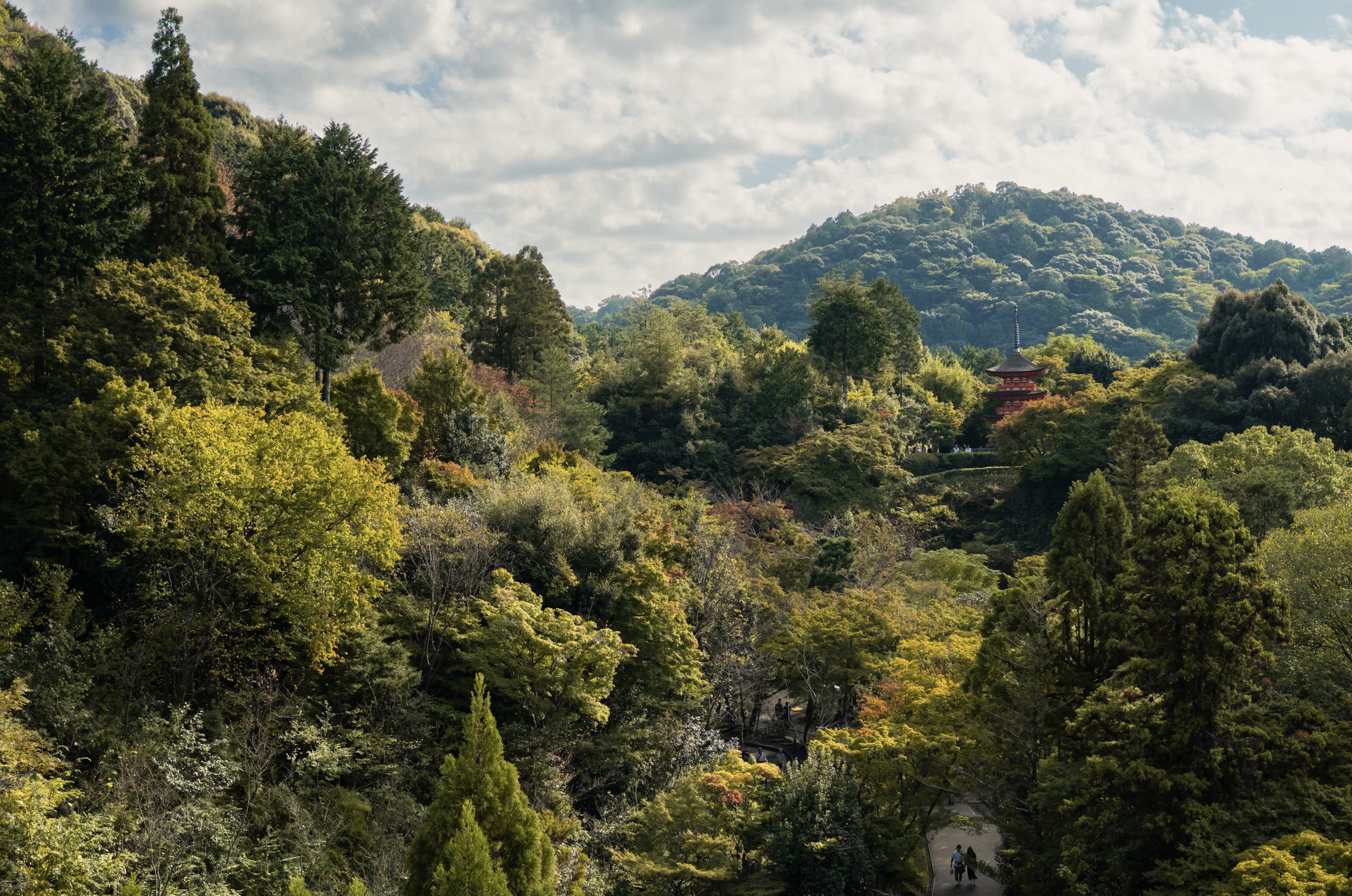
A forest in the Kyoto area. For illustrative purposes only.

For many older adults, artificial intelligence represents innovation, productivity, and opportunity. For many younger people, however, AI arrives alongside climate change, housing insecurity, political polarization, and economic uncertainty. Rather than seeing a future full of possibilities, some see a future that feels increasingly unstable.

One anonymous commenter on Reddit captured this sentiment:

“As someone who studied environmental science at university, the climate anxiety/grief is very intense. Doing four years of environmental education is extremely depressing, it’s one bleak stat another, it was mentally very challenging to be so deep into the topic, and was very isolating as other people just go on living their typical consumer lives and you learn more and more each year.

“Beyond that I think older generations are not understanding that AI is causing serious existential discomfort and despair about the future in many young people. Older people are excited to be hip to new technology. Many young people find it really fucking bleak, and that’s on top of an already very bleak picture of the future. Telling them to adapt to the inevitable is not the way.”

The comment resonates because it highlights something environmental educators rarely discuss openly: there is a difference between awareness and empowerment. For decades, environmental education has excelled at communicating problems. Students learn about rising temperatures, biodiversity collapse, ocean plastics, melting glaciers, species extinction, drought, flooding, and pollution. These are important realities that deserve attention.

But what if we have become so focused on describing the crisis that we have forgotten to teach solutions? I took environment classes at UofT in the 90s and graduated with a feeling of hopelessness for the planet and life that depends on it.

Children growing up in the 1980s often lived with the fear of nuclear war. Images of mushroom clouds and Cold War confrontation shaped a generation’s imagination. Today’s young people face a different set of fears. Climate change, artificial intelligence, and ecological decline dominate headlines and social media feeds, creating a constant sense that disaster is approaching.

Yet unlike previous generations, today’s youth are also surrounded by remarkable opportunities to build a better future.

Green hydrogen technologies are advancing rapidly (see Prologium IPO). Entrepreneurs are creating plastic-free packaging alternatives from seaweed, mushrooms, and agricultural waste. Circular economy businesses are designing products meant to be repaired instead of discarded. Secondhand fashion is becoming mainstream. Cities are experimenting with zero-waste systems. Renewable energy is now among the cheapest forms of electricity in many parts of the world. These developments rarely receive the same attention as catastrophe.

Environmental education should not become less honest. Students deserve to understand the seriousness of climate change and ecological degradation. But they also deserve to know that thousands of scientists, engineers, entrepreneurs, farmers, designers, and activists are actively building solutions. And that they can be a part of it.

Imagine an environmental curriculum that teaches not only what is broken but also how to fix it. Students could learn how solar panels are manufactured, how regenerative agriculture restores soil, how carbon-free steel is produced, how green hydrogen can decarbonize industry, and how local communities can reduce waste through repair and reuse.

The future is not something that simply happens to us. It is something we create. And these teachings should start in high-school or before.

As conversations continue about Weston Higginbotham’s life and legacy, perhaps one lesson stands out. A generation raised on warnings needs more than warnings. It needs pathways forward.


Read More

TRENDING

Data centers in Space? Sophia Space and Apex plan on busing them in

Can data centers really be built in space? Pasadena-based Sophia Space is partnering with Apex to test the idea by launching modular AI computing systems into low Earth orbit in 2027. Using radiation-hardened compute TILEs cooled by passive radiative systems and mounted on scalable satellite buses, the companies aim to prove that edge computing can operate reliably in space. While challenges remain, the project represents an important step toward distributed orbital computing networks that could support everything from climate monitoring and pollution tracking to autonomous spacecraft navigation in an increasingly crowded orbital environment.

Wave wind energy for Nvidia’s next AI energy boom?

As AI factories consume unprecedented amounts of electricity, NVIDIA is looking beyond chips and data centers to the ocean. The company recently spotlighted Israel's Eco Wave Power and its wave energy projects in Jaffa and Los Angeles, highlighting how AI, digital twins and renewable energy can work together to meet future power demands. The collaboration reflects a growing realization that the future of artificial intelligence may depend as much on clean energy infrastructure as it does on computing power.

Can a one trillion-Dollar SpaceX IPO change life on earth?

A SpaceX IPO could become one of the most consequential financial events of the century, creating thousands of millionaires and fueling investment across the New Space economy. From orbital robotics and African space programs to launch infrastructure and satellite networks, the ripple effects may extend far beyond Earth—while forcing investors to reconsider whether generative AI remains the most compelling technology bet of the decade.

Anthropic, Google and Stripe put nearly $1 Billion on carbon removal

A coalition led by Frontier, backed by Stripe, Google, Salesforce and newly joined AI company Anthropic, has committed an additional $915 million to remove carbon dioxide from the atmosphere. The pledge adds to a previous $1 billion commitment and brings Frontier's total buying power to nearly $2 billion.

Who Owns the Farm Robot? A State of Jefferson Startup Takes on Carbon Robotics

In California's self-proclaimed State of Jefferson, a small agricultural technology company is challenging the dominant laser-weeding business model. Laudando & Associates believes farmers should own and repair their AI-powered weeding tools rather than pay ongoing subscription fees. The approach has put the company on a collision course with industry leader Carbon Robotics, sparking a patent dispute that has pushed the Jefferson startup toward overseas markets while raising broader questions about ownership, right-to-repair, and the future of farm automation.

Yerukim Forms a New Green Economy Where the Money is Really Green

The Yerukim members who pick up the recyclables get to keep the monetary reward, the public earns "green" bills that can be used in shops, and business owners get to be associated with environmentalism.

Choosing Riyadh over Dubai? What Investors Should Know

Saudi Arabia is deploying capital at unmatched scale to catalyze tourism and advanced industry while rewiring its power-and-water backbone. The investable frontier is widening—especially in renewables, grid storage, water efficiency/desal retrofits, and hospitality operating platforms. Prudent investors will insist on phased delivery, enforceable KPIs (energy, water, biodiversity), and RHQ/zone compliance—while pricing political-economy and reputational risks alongside growth upside.

Sell your cooking oil for biodiesel money

Want to make money on old french fry oil? Sell it.

Qatar Alternative Energy Summit Pairs Investors And Innovators

Alternative energy investors and innovators can meet n' greet in Doha, Qatar March 16 and 17.

Here’s How To Implement The Four Pillars Of Employee Engagement

If you throw a party for your work team and they are vegans, don't make it a barbecue. Know the sustainability values of your team to boost moral and retain good people.

Locals From Rishon Fight IKEA

Big Box stores are a pretty new concept in Israel, and thank God that not every Israeli city wants them in their backyard. A word from someone who has see the beautiful farmland around her hometown Newmarket, Ontario stripped and converted into vulgar strip malls of big box shops: they have no place in a healthy and sustainable town or city.

The Jewish National Fund Meets An Inconvenient Truth

According to the JNF, it has transformed thousands of acres of barren land into green forests in Israel. They state that each person emits about 23 tons of carbon per year, estimating that each tree planted can absorb one ton of carbon in its lifetime. That's a whole lot of trees you'd need to be planting. Could so many fit in Israel?

How to quiet noise from construction in your office

Streets need to be resurfaced in New York but the humming and grinding noise is unsettling. Noise is environmental pollution. 

Popular Categories