Home Blog Page 2

How a tick bite can lead to a life-threatening meat allergy AFG

A bite from a tick can do more than leave an itchy welt and Lyme disease. For some people, it can rewrite what you eat for dinner forever. This latest finding makes me wonder if vegans are in cahoots with nature. And we know that tick bites increase in a warming planet. A conspiracy to eat more camel meat?

Alpha-gal syndrome, or AGS, is a tick bite-associated red meat allergy that can make people react to beef, pork, lamb, venison, gelatin (beef-derived), dairy, and even some pharmaceuticals derived from mammals. Unlike peanut or shellfish allergies, the reaction often comes hours after eating, which is one reason the condition has been so hard to diagnose. The disease is currently being spotted in the wealthiest areas such as Martha’s Vineyard and Nantucket.

The Nantucket Cottage Hospital reported 26 cases of Alpha-gal syndrome in recent years, with a sharp spike showing 14 cases reported early in the season alone. It could be that wealthier people report incidence of the sudden allergy to red meat more frequently because they are able to access medical facilities easily.
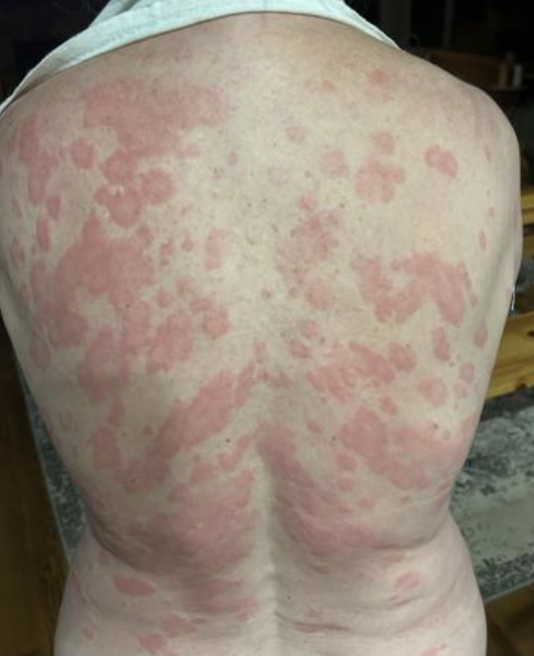
alpha-gal syndrome, alpha gal syndrome, tick bite, lone star tick, Amblyomma americanum, tick meat allergy, red meat allergy, alpha-gal allergy, tick saliva, tick feeding, food allergy, allergic reaction, tick-borne disease, beef allergy, pork allergy, mammalian meat allergy, CDC, entomology, ticks, Green Prophet
Hives from an AFG bite and immune system reaction

The US Centers for Disease Control and Prevention says more than 110,000 suspected cases were identified between 2010 and 2022, but because AGS is not nationally notifiable and many cases are missed, as many as 450,000 Americans may be affected. The condition has been described by Beef Research as potentially the 10th most common food allergy in the United States.

The culprit is not a virus or bacterium. It is a sugar molecule: galactose-alpha-1,3-galactose, known as alpha-gal. It is found in most mammals, including cows, pigs, sheep, deer and rabbits, but not in humans or other primates. When certain ticks bite, their saliva can introduce alpha-gal or alpha-gal-bearing molecules into the human bloodstream. In some people, the immune system begins producing IgE antibodies against it.

Then, suddenly the next steak you eat, rare or medium, it doesn’t matter – it can become a threat.

Meat meets the Lone Star Tick

alpha-gal syndrome, alpha gal syndrome, tick bite, lone star tick, Amblyomma americanum, tick meat allergy, red meat allergy, alpha-gal allergy, tick saliva, tick feeding, food allergy, allergic reaction, tick-borne disease, beef allergy, pork allergy, mammalian meat allergy, CDC, entomology, ticks, Green Prophet
The Lone Star Tick and the characteristic red dot

The lone star tick, Amblyomma americanum, is the tick most closely associated with alpha-gal syndrome in the United States. The female is marked by a white dot on her back (see the image above) and she is known as an aggressive feeder. Researchers at the University of Georgia explain that when a lone star tick bites a mammal such as a deer or raccoon, its saliva can pick up alpha-gal molecules. If that tick later bites a person, it may deliver alpha-gal into the human bloodstream.

“In some people, the immune system mistakenly treats alpha-gal sugars in certain foods they eat as a threat,” UGA researchers explain, leading to reactions that can range from hives and gastrointestinal distress to life-threatening anaphylaxis.

Parastoo Azadi is one of the UGA researchers studying the biology behind alpha-gal syndrome. In 2019, she led a team to characterize carbohydrates in the tick saliva and showed that some tick species—lone star and blacklegged—are more prone to having alpha-gal sugars than others.

“We are still in the early stages of understanding the syndrome, but our basic research is essential for developing future treatments,” says Azadi, director of CCRC Service and Training.

The strange delay is part of what makes AGS so difficult. Most food allergies strike within minutes. Alpha-gal reactions often appear two to six hours after eating meat or another mammalian-derived product. That means a person can eat a burger at dinner, go to bed, and wake up in the middle of the night with hives, vomiting, breathing trouble or potentially fatal collapsing blood pressure.

The CDC lists possible symptoms including itchy rash, nausea, vomiting, diarrhea, shortness of breath, swelling of the lips or throat, dizziness, faintness and severe stomach pain. The delay may happen because alpha-gal is often attached to fats, which are digested and absorbed more slowly than protein allergens in the stomach.

The discovery of the allergy came through an unexpected route: cancer medicine. Patients receiving the drug cetuximab were having severe allergic reactions during their first infusion. Researchers including Thomas Platts-Mills and Scott Commins at the University of Virginia helped show that the reactions were linked to IgE antibodies against alpha-gal. The geographic overlap between those reactions, red meat allergy cases and lone star tick habitat helped reveal the tick connection.

What scientists still do not fully understand is why some people develop AGS after a few tick bites while others are bitten repeatedly and never become allergic. Some of us are allergic, and others are not. Why? The answer to this may reveal an antidote.

At the University of Georgia, Azadi and colleagues are studying the sugars in tick saliva. Her team has shown that some tick species, including lone star ticks and blacklegged ticks, are more prone to carrying alpha-gal sugars than others.

Donald Champagne, a professor of entomology at UGA, says alpha-gal alone may not explain everything. It’s like studing HIV-AIDS in the early days: “Tick saliva must contain alpha-gal to induce the allergy,” Champagne said. “But the sugar is not enough on its own. Other ticks carry alpha-gal, yet their bites don’t trigger the syndrome. That suggests an additional factor.”

Tick saliva is their biochemical toolkit and it contains compounds that reduce inflammation, stop blood from clotting and help numb the skin so a tick can feed for days without being noticed as it gorges on your blood. Those same molecules may also influence how the human immune system reacts.

“The immune system is extraordinarily complex, and so is tick saliva,” Champagne said. “With so many interacting components, it’s difficult to pinpoint which ones drive alpha-gal sensitization.”

A 2023 Scientific Reports study found that lone star ticks fed on human blood produced significantly higher levels of alpha-gal in their salivary glands than ticks fed on bovine blood, with large variation among individual ticks. The authors suggested that high alpha-gal levels in tick salivary glands may help explain why some bites sensitize people and others do not.

The problem is not confined to the United States. In Australia, the paralysis tick, Ixodes holocyclus, has been linked to mammalian meat allergy. Other tick species in Europe, Asia, South Africa and South America have also been investigated as possible AGS triggers.

For now, there is no cure. People with alpha-gal syndrome must learn to avoid obvious and hidden meat ingredients. That can mean no beef, pork, lamb or venison. For some, it also means avoiding dairy, all kinds of gelatin unless fish based or vegan, glycerin, magnesium stearate, “natural flavors,” meat broths, some vaccines, some medications and even fumes from cooking meat.

“We emphasize the lifestyle piece of this, because there is no cure,” said Debbie Nichols, cofounder of the nonprofit Two Alpha Gals. “Some people think it is the end of their lives. They won’t be able to eat this or that forever. But the truth is that when I was eating red meat, I felt so sick. And even though I got this diagnosis and had to give up these things, it was worth it to feel as good as I do now.”

Researchers are also exploring treatments. A University of Michigan-led team reported in 2024 that a nanoparticle treatment prevented tick-borne red meat allergy in mice by retraining the immune system to ignore alpha-gal-like allergens. “There is the potential here for a platform technology that can be used to address a variety of food-allergic responses,” the researchers said.

But human treatments remain years away. For now, prevention means avoiding tick bites: wear long sleeves and pants in tick habitat, use repellents, check the body after time outdoors, shower after coming inside, and remove ticks quickly and carefully. Miriam wrote a guide on how to avoid tick bites and what to do when you get them. Get her guide here.
Russia’s Arctic superdeep oil drill revives debunked ‘infinite oil’ theory

0

Does Russia need new oil projects? Their government certainly seems to think so and they are planning a “superdeep” drilling expedition in the Arctic driven by a theory that is generally rejected.

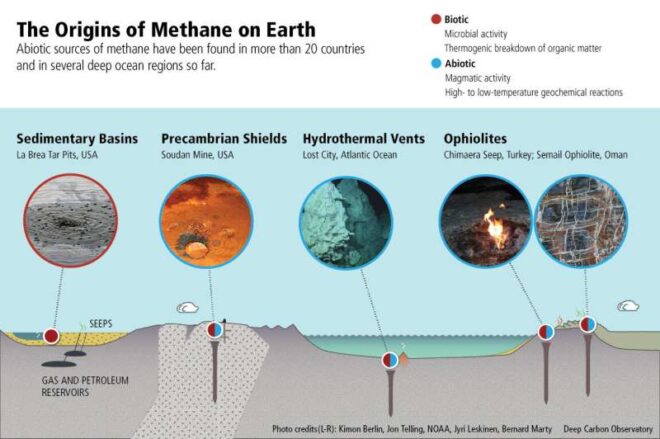
The abiogenic petroleum origin hypothesis, also called the abiotic oil theory, is the idea that oil and natural gas are formed deep within the Earth’s mantle through non-biological chemical processes, rather than from the remains of ancient plants, algae, and microorganisms.

abiotic methane, abiotic methane deposits, abiogenic methane, Deep Carbon Observatory, mantle methane, Earth's mantle, methane seeps, hydrothermal vents, deep Earth carbon, abiotic hydrocarbons, petroleum geology, abiogenic petroleum, abiotic oil theory, methane geology, natural methane, deep ocean methane, geochemistry, carbon cycle, Earth science, Green Prophet
Abiotic sources of methane have been found in more than 20 countries and in several deep ocean regions so far. Credit: Deep Carbon Observatory

Despite the abiogenic petroleum origin hypothesis widely being rejected in favor of biogenic processes, Russia intends to spend money and cause environmental harm while likely accomplishing nothing.

This inability to adapt reflects the same mindset as Russia’s continuing dedication to invading Ukraine despite growing evidence that Ukraine will succeed in evicting the Russian invasion. Russia’s invasion has caused an incredible amount of damage to the lands, flora, and fauna of Ukraine in addition to the harm it causes humans, infrastructure, and the economy. The mass deployment of fiber optic drones threatens environmental harm potentially including, “potential release of microplastics from degraded cables, contamination from hazardous chemicals such as PFAS, risks to wildlife from physical entanglement” according to the British Ornithologists’ Union.

Russia has cause for concern, since 1991 its population has declined by about four million people from 149.4 million to 145.4 million in 2023. By 2025 the Russian population had declined even further to 143.9 million with the fertility rate declining from 1.8 in 2015 to 1.5 in 2025, well below the minimum replacement rate of 2.1 that is necessary to avoid population decline. The war continues to deplete the Russian population further, despite Russian officials trying very hard to increase the fertility rate that Russians officially pegged at 1.41 in late 2025, similar to EU rates.

The United States and world are in no danger of peak oil, the fringe belief that oil production would peak and lead to a decline where we’d be living in a Mad Max movie unless we transitioned to environmental utopianism. Russia might hit a peak due to its own inability to sustain oil production, especially as Ukrainian drone strikes create fuel shortages within Russia itself.

Kola Superdeep Borehole, Kola Superdeep Borehole, Russia Arctic drilling, Arctic oil drilling, abiotic oil theory, infinite oil theory, superdeep drilling, Russia oil exploration, Arctic environment, fossil fuels, petroleum geology, biogenic oil, abiogenic petroleum, Murmansk, Russian energy, climate change, renewable energy, oil industry, deep drilling, Arctic ecosystem, Green Prophet
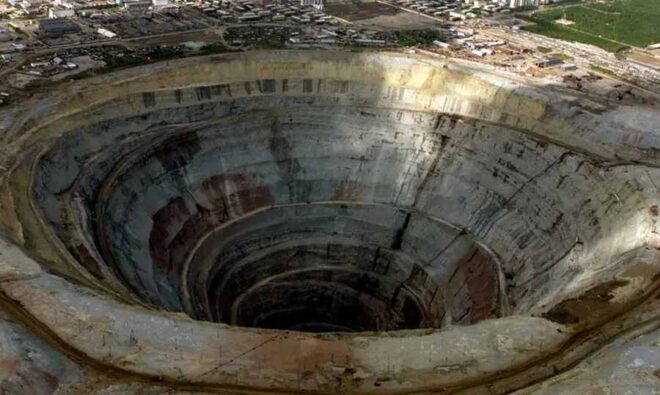
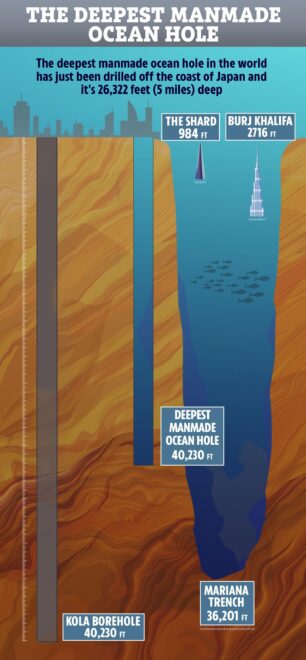
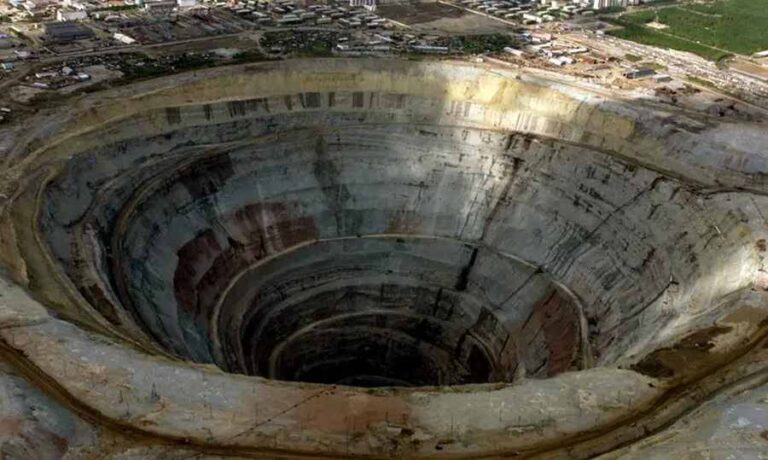
Deeper than the Mariana Trench, Russians tried to dig to the center of the earth at the Kola Superdeep Borehole, also known as the Entrance To Hell. 

It’s possible that Russia may run out of money to drill before finishing the project, just as they did with the Kola Superdeep Borehole project in the 1980s. Deeper than the Mariana Trench, Russians believed they could reach Earth’s mantle to tap into its endless heat, estimated to be about as hot as the sun.

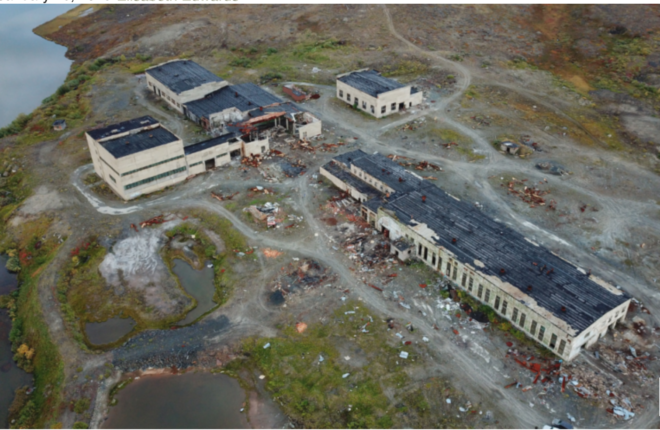
Kola Superdeep Borehole, also known as the entrance to hell
Russia created the world’s deepest hole, barely scratching the surface before giving up
Kola Superdeep Borehole, also known as the entrance to hell

The question of abiotic oil becomes moot when the reality is that not only is there oil in excess, renewable energy is stronger than ever and the Iran War only incentivized further investments in renewables, especially as part of China’s ongoing strategy, cashing in after the US absence at COP30.

Related: China and Russia building nuclear power plant on the moon

Even if Russia manages to drill deep enough, even if it hits oil, it’s questionable that it will be able to restore China’s confidence since China has already begun building an alternative Caspian rail route to bypass Russia and the Gulf. As Russian influence and power projection in Africa shrinks, China’s need for critical minerals to fuel its renewable energy dominance grows, creating projects more likely to yield what Russia’s outdated efforts lack the ability to do in a country rapidly losing its fertility and just as rapidly embracing a chauvinistic doomsday mindset whose LARPing at success and virility belie the collapse of a Russian gilded age.

Code Red from the Galapagos: human drugs and sunscreen are polluting the sea

The Galápagos Islands, located about 800 miles off the coast of Ecuador in the Pacific Ocean, are globally renowned as a UNESCO World Heritage Site and for their extraordinary yet fragile biodiversity, shaped by ocean currents and their isolation from the South American mainland. They are outposts of evolution, like the Seychelles Islands, and the Aldabra Atoll specifically.

A new study has found evidence of marine pollution around the Galápagos Islands, even in protected areas far from human activity. This means offenders are polluting without being caught, or pollution is drifting to the world’s most fragile places.

In recent years the islands have faced increasing pressure from human activity, threatening their unique ecosystems. While marine pollution has become a growing global concern, scientists knew little about the presence and distribution of pollutants within the islands’ protected marine environments, which are considered largely pristine because of their limited human presence.

Related: Is Qatar paying UNESCO to turn a blind eye to Seychelles development

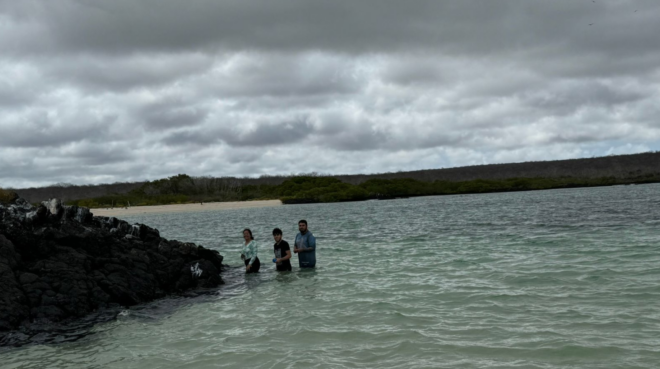
Water samples were collected from six sites influenced by ports, tourism, and other human activities, as well as four protected “pristine” sites closed to tourism and human access.

Galápagos Islands, Galápagos marine pollution, water sampling, research team, Ben-Gurion University, Universidad San Francisco de Quito, Ariel Kushmaro, Valeria Ochoa-Herrera, marine conservation, ocean pollution, environmental biotechnology, marine science, Pacific Ocean, UNESCO World Heritage, water quality monitoring, Galápagos research, environmental chemistry, sustainability, Ecuador, marine ecosystem
Sampling the seas around the Galapagos

Using chemical analyses researchers identified a wide range of man-made contaminants, including petroleum-derived hydrocarbons, pharmaceuticals, personal care products such as sunscreen, pesticides, industrial chemicals such as plasticizers and flame retardants, synthetic hormones from pharmaceuticals, and UV filters commonly found in cosmetics. These pollutants were detected at concentrations ranging from 1 to 100 ppm.

Related: This sunscreen feeds coral reefs

Perhaps most strikingly, the researchers detected the UV filter 4-MBC (4-methylbenzylidene camphor) at two pristine sites with no direct human activity. Its presence suggests that ocean currents are transporting pollutants far beyond their original sources.

Previous research has shown that pharmaceutical compounds accumulate in marine organisms such as shellfish and reef-building corals. Other studies have demonstrated that UV-filter chemicals can disrupt hormone systems in wildlife, affecting reproduction, growth, and metabolism.

Although many marine ecosystems are naturally resilient, these contaminants are capable of spreading across great distances, from coastal sediments to the open ocean—posing a significant threat to marine life.

“There is an urgent need for monitoring and strategic management of this iconic region,” warns Ariel Kushmaro, a researcher in the study from Ben Gurion University. The findings were published in the journal Regional Studies in Marine Science.

Poor wastewater treatment, inadequate solid waste management, and direct discharge of untreated sewage into coastal waters contribute to the release of toxic compounds into the marine environment, the researchers note.

Ocean currents then carry dissolved chemicals and plastic waste from distant locations, including the South American mainland. Large industrial fishing fleets operating near the marine reserve add further environmental pressure through chemical pollution and plastic debris.

“These substances—including pharmaceuticals, antibiotics, and personal care products such as those identified in our study—are known for their persistence and their potential to bioaccumulate. They can undergo complex transformations that may further increase their toxicity in marine ecosystems,” said Kushmaro.

Earlier studies in the Galápagos have already documented the accumulation of heavy metals such as mercury and cadmium in commercially important fish species, with some exceeding the maximum concentrations considered safe for human consumption. The discovery of synthetic chemical pollutants in areas without known sources of contamination raises additional concerns because of their potential toxicity to aquatic wildlife.

“The international community must unite to help protect the Galápagos Islands,” concluded Dr. Valeria Ochoa-Herrera of Universidad San Francisco de Quito. “Beyond their extraordinary biological and scenic value, the health of these ecosystems has implications for the entire planet.”

AI will crack the codes from the Dead Sea Scrolls

Artificial Intelligence and Chemical Analysis to Trace the Origins of the Dead Sea Scrolls

Dead Sea Scrolls, AI Dead Sea Scrolls, artificial intelligence archaeology, Qumran caves, Israel Antiquities Authority, Professor Mladen Popović, ERC Advanced Grant, ancient manuscripts, Hebrew Bible, parchment scrolls, scribes, paleography, codicology, ancient Judea, archaeological research, machine learning, chemical analysis, biblical archaeology, Dead Sea Scroll fragments, Qumran, Israel
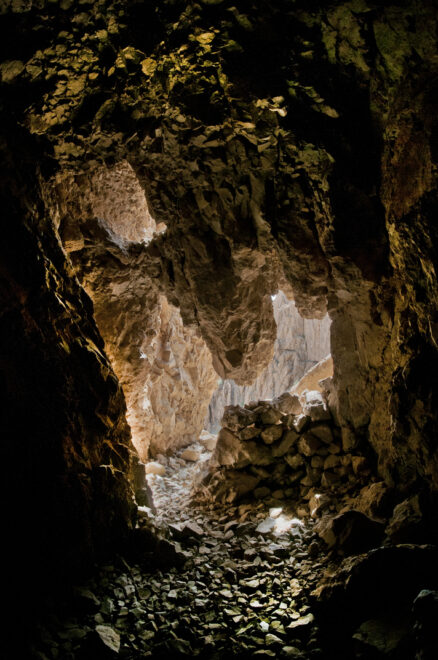
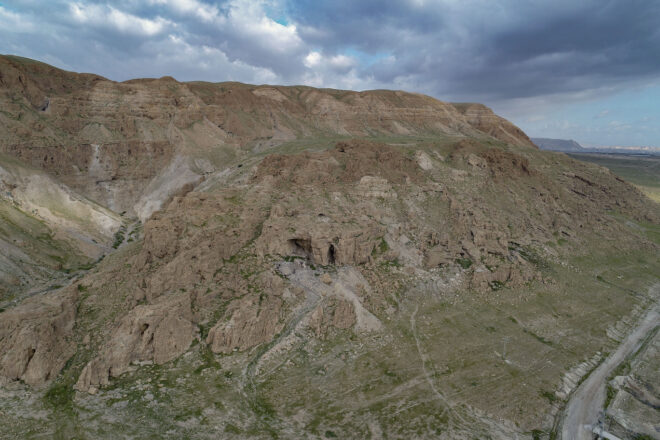
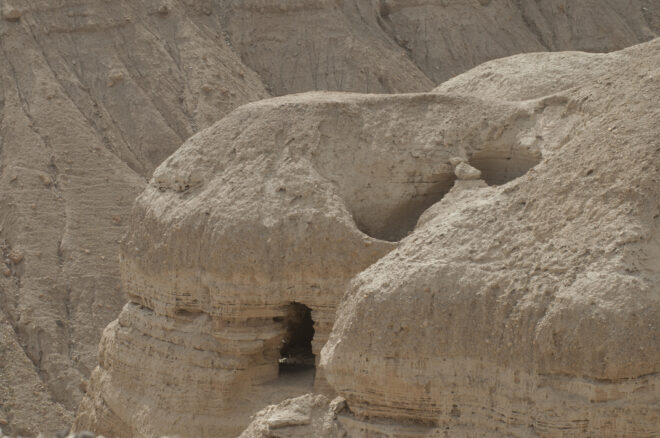
Inside the Qumran Cave

The Dead Sea Scrolls found in the Qumran cave in Israel is the strongest evidence for the Jewish religion and its history and many scroll fragments contain ancient copies of the Bible. Where were the scrolls produced and copied, and what can their origins reveal about centers of learning, scribal culture, and the transmission of knowledge in ancient Judea?

What all the parts mean is still largely one giant mystery. There are thousands of fragments but now a new European study will use artificial intelligence to answer old questions about who wrote them and what it all means.

Dead Sea Scrolls, AI Dead Sea Scrolls, artificial intelligence archaeology, Qumran caves, Israel Antiquities Authority, Professor Mladen Popović, ERC Advanced Grant, ancient manuscripts, Hebrew Bible, parchment scrolls, scribes, paleography, codicology, ancient Judea, archaeological research, machine learning, chemical analysis, biblical archaeology, Dead Sea Scroll fragments, Qumran, Israel
Qumran Cave where the scrolls were found or hidden?

The new project goes beyond handwriting. Researchers will analyze the chemical composition of parchment, papyrus, and ink. While AI won’t be able to tell us, “This scroll was definitely written in Jerusalem in 35 BCE,” it can estimate probabilities based on the evidence.

The plan is to create massive amounts of data that can be available to historians, archaeologists, linguists, and conservators who can interpret the results and decide whether they make historical sense.

The new AI project called Tracing Scribes and Scrolls, brings together researchers from the University of Groningen in Holland, the Israel Antiquities Authority, and leading laboratories and research institutions across Europe.

By combining state-of-the-art chemical analysis, artificial intelligence, paleography, and codicology, the research aims to reconstruct the geographical and cultural contexts in which the scrolls were produced.

The Dead Sea Scrolls are currently under the guardianship of the Israel Antiquities Authority in Jerusalem, and they are one of the most significant archaeological discoveries of the twentieth century.

Dead Sea Scrolls, AI Dead Sea Scrolls, artificial intelligence archaeology, Qumran caves, Israel Antiquities Authority, Professor Mladen Popović, ERC Advanced Grant, ancient manuscripts, Hebrew Bible, parchment scrolls, scribes, paleography, codicology, ancient Judea, archaeological research, machine learning, chemical analysis, biblical archaeology, Dead Sea Scroll fragments, Qumran, Israel
Qumran Cave

They include the earliest known manuscripts of many books of the Hebrew Bible, together with a remarkable collection of Jewish literary works dating from the late Second Temple period of Jewish life.

Despite decades of research, the precise locations where many of the scrolls were manufactured, prepared, and copied remain unknown.

Were some of the scrolls written at Qumran by a Jewish community living in seclusion there? Were others brought from additional centers of scribal activity in Judea, from Jerusalem, and hidden in the caves in times of danger and peril? Or were the caves also a library, or as a kind of ancient genizah, a place where Jews buried old holy books and literature? These questions stand at the heart of the new project.

Dead Sea Scrolls, AI Dead Sea Scrolls, artificial intelligence archaeology, Qumran caves, Israel Antiquities Authority, Professor Mladen Popović, ERC Advanced Grant, ancient manuscripts, Hebrew Bible, parchment scrolls, scribes, paleography, codicology, ancient Judea, archaeological research, machine learning, chemical analysis, biblical archaeology, Dead Sea Scroll fragments, Qumran, Israel
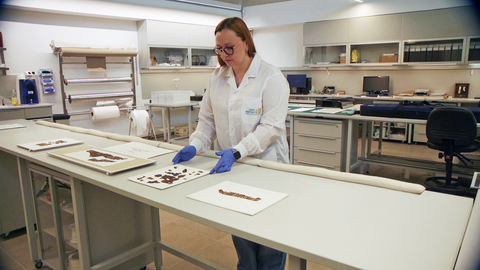
Analyzing the Dead Sea Scroll fragments

Professor Popović, one of the world’s leading authorities on the Dead Sea Scrolls, will lead a multidisciplinary team of historians, archaeologists, material scientists, chemists, and artificial intelligence specialists over the next five years.

The team will analyze approximately 250 samples from the Authority’s Dead Sea Scrolls collection, including parchment, papyrus, and ink. For the first time, papyri from Egypt will be examined alongside papyri from Qumran and other Judean Desert sites, allowing researchers to compare their chemical signatures directly.

These analyses are expected to help identify the material “fingerprints” of the scrolls, reveal the provenance of raw materials, identify production practices, and uncover connections between different centers of scribal activity.

Dead Sea Scrolls, AI Dead Sea Scrolls, artificial intelligence archaeology, Qumran caves, Israel Antiquities Authority, Professor Mladen Popović, ERC Advanced Grant, ancient manuscripts, Hebrew Bible, parchment scrolls, scribes, paleography, codicology, ancient Judea, archaeological research, machine learning, chemical analysis, biblical archaeology, Dead Sea Scroll fragments, Qumran, Israel
Intact pieces of the manucripts

Complementary approaches will enable researchers to develop an unprecedented model for mapping the more than 25,000 Dead Sea Scroll fragments preserved by Israel.

The project aims to place individual manuscripts and scribes within their geographical and chronological contexts while identifying centers of writing, learning, literary production, and knowledge transmission in ancient Judea.

According to Professor Mladen Popović of the University of Groningen, Principal Investigator of the project

The project builds on Professor Popović’s previous ERC-funded project, The Hands That Wrote the Bible, which pioneered the use of artificial intelligence to identify individual scribes responsible for copying the Dead Sea Scrolls. Tracing Scribes and Scrolls expands this work by moving beyond the identification of scribal hands to investigate where scribes worked, the materials they used, and the broader cultural and intellectual networks in which the manuscripts were created and circulated.

“By combining advanced laboratory analysis with the study of ancient handwriting and the remarkable advances in artificial intelligence made in recent years, we are now able to address questions that were previously beyond our reach: who copied these manuscripts, where they were produced, how knowledge circulated, and the role these texts played within the society of their time, said Ilit Cohen-Ofri of the Israel Antiquities Authority in a press release they sent to Green Prophet.

Who is working on the Dead Sea Scrools on the AI project?

There is University of Pisa (Ilaria Degano), the University of Naples Federico II (Leila Birolo), and the University of Southern Denmark in Odense (Kaare Rasmussen and Frank Kjeldsen). At the University of Groningen, Dr. Maruf Dhali will play a central role in developing and implementing the artificial intelligence methods that will integrate the project’s chemical data and identify patterns of provenance and scribal affiliation.

The project also includes collaborations with the Egyptian Museums in Berlin and Turin, as well as KU Leuven, as part of a comparative study of papyri from Egypt and the Judean Desert.

90% of Americans worry about microplastics

chewing gum pieces, microplastics in gum, synthetic gum, natural gum, saliva with microplastics, plastic particles in saliva, chewing gum research, microplastic contamination, UCLA research on gum, microplastics released from gum, gum base made from plastic, plastic in everyday products, environmental impact of gum, lab research on chewing gum, microplastics from synthetic products, plastic pollution and health risks, people chewing gum with plastic particles
Dollar Store toys emit dangerous toxins and microplastics

Will you buy a laundry filter so microplastics won’t go to the sea?

Ocean Conservancy released results from a survey of Americans’ attitudes toward ocean plastic pollution and microplastics. The polling was on a nationally representative sample of 1,010 U.S. adults 18 years of age and older. The results revealed a sharp spike in awareness of microplastics since 2023, and large majorities of Americans across the political spectrum are both concerned about the impacts of microplastics and support policies aimed at addressing plastic pollution.

Microplastics are emitted from plastic teeth aligners, they are in our toothbrushes, bubble gum, and in plastic bottled drinking water.

What they found:

  • Microplastics are a growing conversation and concern for Americans: since 2023, awareness of microplastics has jumped 32%.
  • Nearly 9 in 10 Americans are concerned about the impacts of microplastics; over 6 in 10 are “very” concerned.
  • 8 in 10 (81%) Americans support requiring microplastic fiber (also known as plastic microfiber) filters on all new washing machines made in the U.S.

“As a scientist, I am deeply concerned about the impacts of microplastics, and our polling shows that the vast majority of Americans share my concerns,” said Ocean Conservancy’s Director of Plastics Science Dr. Britta Baechler, who has studied plastic pollution for over a decade, including researching microplastics in shellfish and edible proteins, as well as published award-winning peer-reviewed research on the deadliness of plastic ingestion to marine life.

“Microplastics are entering the ocean and environment at an alarming rate, and we simply cannot keep looking the other way – our health, our children’s health, and the health of our planet are at stake.”

It’s true. I went for a dip in the sea last week in Jaffa and a sea of microplastics washed over me. I had to leave.

In animals, ingestion of microplastics has been shown to reduce food consumption, reduce energy for growth, alter gene expression, and block digestive tracts. Microplastic fibers – the most common type of microplastics reported in environmental samples – represent over 90% of microplastics ingested by marine life. Also found throughout the human body, microplastic fibers have been found in the human heart, placenta and other organs.

Some people like biohacker Bryan Johnson are using saunas to get them out of their bodies and testicles. Some companies have sperm testing kits to test for motility and dare we say plastic exposure.
Stop buying cheap plastic clothing

soft babaa sweater
Sweaters by Babaa use real, natural wool for a sweater than won’t shed microplastics to the environment or your body. They run a small business and it’s an ethics you can probably trust more than H&M

Studies have found that more than one-third of all microplastics in the ocean come from synthetic textiles like clothing. Microplastic fibers are generated across the full lifecycle of clothing, from their manufacture to normal wear and laundering, and in large numbers. For example, up to 18 million microfibers are released from a single load of laundry. Washing machine filters are a proven solution to this problem, capturing up to 90% of microfibers from each load of laundry, preventing them from moving downstream into waterways and the ocean.

“Once in the ocean, microplastics are nearly impossible to remove, so preventing them from reaching the environment in the first place is key,” said Ocean Conservancy’s Director of Plastics Policy Dr. Anja Brandon, an environmental engineer by training who has helped draft landmark state and national legislation regulating plastic pollution in recent years.

“Washing machine filters are a cheap and effective solution we can start using now to address one of the biggest sources of microplastics in the environment. Requiring these filters on new washing machines is a common sense approach that the vast majority of Americans across the political spectrum support.”

The results of this polling coincide with the launch of Ocean Conservancy’s campaign “Not Safe For Wash” to advocate for tackling microplastic fiber pollution by requiring filters on washing machines.

In 2026 alone, five states had washing machine filter legislation under consideration, and in 2025, the Fighting Fibers Act was reintroduced in Congress (originally introduced in 2024).

Understanding Food Production: Karl Studer on the Urban-Rural Knowledge Gap

0
Karl Studer
Karl Studer

Karl Studer occupies an unusual position in American business. As President of Quanta Services, he oversees electrical infrastructure operations across the United States, Canada, and Australia, managing thousands of employees and multibillion-dollar projects. Yet when he returns to his hometown of Rupert, Idaho, he steps into an entirely different role: active cattle rancher and farmer, managing operations that produce the beef and crops most Americans consume daily.

This dual perspective has given Studer uncommon insight into one of America’s most significant but overlooked challenges: the widening distance between everyday consumers and the realities of agriculture. Welcoming guests from many walks of life to his ranch has shown him how much of daily food production now sits outside the direct experience of most Americans, with implications for policy, economics, and the long-term viability of American food production.
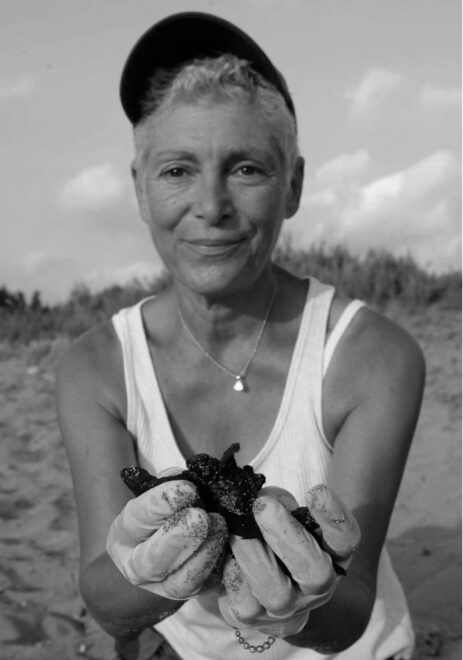

The contrast between these two worlds exposes a cultural divide that threatens not just agricultural literacy, but the sustainability of the family farming operations that have traditionally anchored rural American communities. For Studer, who navigates both spheres daily, bridging this gap has become more than an academic concern. It is essential to preserving knowledge and systems that society depends upon but increasingly has fewer chances to observe firsthand.

Sharing the Ranch with Guests from All Walks of Life

Studer regularly welcomes guests from a wide range of backgrounds to his ranch and dairy operations in Idaho. Many are accomplished in their own fields, whether business, infrastructure, or other industries, yet the basic mechanics of food production often sit outside their day-to-day frame of reference. That is not a reflection on the visitors themselves so much as a sign of how far modern professional life has drifted from the land.

Studer observes that many guests are surprised by what actually goes into getting milk to the table or producing the beef and crops most households rely on. The steps involved, the labor, the timing, and the economics tend to be unfamiliar even to people who manage sophisticated operations in their professional lives. Hosting visitors at the ranch and dairy consistently reveals that professional accomplishment in other fields does not translate into familiarity with agricultural production.

The gap extends beyond typical urban-rural stereotypes. Even among people who work in industries adjacent to agriculture, such as the energy infrastructure that powers irrigation systems or the transportation networks that move crops to market, practical knowledge of farming and ranching has largely disappeared. It reflects broader demographic shifts that have concentrated Americans in metropolitan areas while reducing direct contact with agricultural operations.

Studer, who grew up in rural Idaho, knew a different relationship with food production. In the world he was raised in, having meat and potatoes on the table from your own land was what prosperity looked like. For Americans in urban areas, that fundamental connection to food sources has been severed, and the implications extend well beyond individual knowledge gaps.

When consumers do not understand the economics, labor requirements, and challenges of food production, they are less equipped to make informed decisions about agricultural policy, trade agreements, or land use regulations. The disconnect shapes everything from zoning debates to international trade policy, with urban majorities often unaware of how their decisions impact rural communities.

The challenge extends to the next generation. While Studer’s children developed motor skills, responsibility, and work ethic through daily ranch responsibilities, many children in urban and suburban areas grow up without encountering agricultural animals, planting, harvesting, or understanding the daily rhythms that govern food production. The skills and values transmitted through agricultural work, such as problem-solving, mechanical aptitude, long-term thinking, and connection to natural cycles, are increasingly absent from how Americans raise children. This represents not just a loss of agricultural knowledge, but a broader shift in how young people develop practical capabilities.

The Economic Sustainability Challenge

The knowledge gap Studer observes among visitors to his operation reflects a deeper structural challenge in American agriculture: the rapid aging of the farming population and the near-impossibility of new entrants joining the field. In his view, there are few people in their forties actively building agricultural operations today. Meanwhile, farmers in their sixties and seventies are retiring, and the economics make it nearly impossible to pass these operations to the next generation without substantial outside income supporting them.

The mathematics tell the story. Agricultural operations that once supported a single family now require scales roughly three times as large, while land values have increased roughly fivefold. Studer describes the barrier to entry as almost impossible, with operations needing to be significantly larger than a generation ago and worth substantially more, creating a challenging economic equation for succession.

This reality creates an intergenerational challenge. Parents who spent their lives building agricultural operations often cannot transfer them to their children without those children having substantial non-agricultural income. For young people without family connections to agriculture, entering farming or ranching independently has become financially unfeasible. The capital requirements, land costs, and equipment expenses place agricultural entrepreneurship beyond reach for most potential entrants.

Meanwhile, economic pressures facing existing operations continue intensifying. Commodity prices have stagnated or declined while input costs have multiplied. Core commodity prices have not kept pace with the rising costs of equipment, supplies, and land, producing thin margins and leaving operations vulnerable to market disruptions or weather challenges.

Policy decisions made far from farm country can compound these challenges for operators like Karl Studer. Trade policies and tariff negotiations that receive minimal media attention in urban centers can significantly impact rural economies. When policymakers and voters do not understand agricultural economics, they are more likely to support measures that sound reasonable in theory but create unintended consequences in practice.

The consolidation trend adds complexity. As family operations face economic pressures, some are absorbed by larger agricultural corporations while others convert to different uses. In Idaho and Western states, purchasers from high-cost-of-living areas sometimes acquire farms and ranches for non-agricultural purposes. Studer sees this as reducing actual agricultural production and decreasing the number of families deriving livelihoods from farming, while being careful to note that it represents complex economic forces rather than simple criticism.

The trajectory appears challenging. Looking two decades ahead, the sustainability of family farming operations faces significant questions. Without interventions, whether through policy adjustments, innovative financing models, or cultural shifts that revalue agricultural work, the industry faces structural challenges that could reshape American food production substantially.

Bridging the Understanding Gap

The urban-rural divide in understanding food production represents more than an educational gap. It is a knowledge discontinuity with implications for policy formation, economic development, and societal resilience. When most citizens lack direct connection to food production, agriculture becomes abstracted or invisible. Policy debates about agricultural subsidies, water rights, and land use occur without meaningful input from people who understand practical realities.

Studer’s observations at his ranch reveal how extensive this disconnect has become. Accomplished guests who manage sophisticated budgets and complex supply chains in their professional lives arrive at the operation and encounter processes unfamiliar to their experience. Many express genuine interest in the complexity and labor agricultural operations require. The reaction is not a criticism of these visitors. It reflects how completely urban and rural experiences have diverged.

The challenge extends beyond individual knowledge to systemic preparedness. Societies where most citizens do not understand food production face vulnerabilities when agricultural crises emerge, whether from climate disruption, disease outbreaks, or supply chain interruptions. The COVID-19 pandemic briefly exposed these vulnerabilities when processing facilities faced disruptions, though for most Americans the lesson proved temporary.

For Studer, who navigates both worlds daily, the divide creates urgency. His career journey has exposed him to decision-makers and influencers who shape policy and public opinion, while his agricultural work grounds him in the realities those decisions affect. Bridging this gap, helping guests from varied backgrounds understand food production realities and what threatens future sustainability, has become part of his broader mission.

The visits he hosts at the ranch serve this purpose. These experiences expose guests to agricultural realities they have never encountered, planting seeds of understanding even if they do not transform participants into farmers. At minimum, they create awareness that food production involves substantially more complexity than supermarket logistics suggest.

Building Sustainable Understanding

Studer’s perspective, informed by dual roles in corporate leadership and agricultural production, suggests that reconnecting Americans with food production realities is not merely nostalgic. It is about equipping citizens to understand fundamental systems society depends upon, and creating conditions where future generations can choose agricultural careers without facing insurmountable economic barriers.

The challenge requires both cultural and economic approaches. Culturally, Americans need more exposure to agricultural realities, not through sanitized tourism, but through genuine understanding of the work, economics, and challenges involved. Economically, policy adjustments might help make agricultural entry more feasible for younger generations without existing family operations.

Karl Studer continues expanding his operations with an eye toward multi-generational sustainability. In his view, growth is not pursued for its own sake, but to create opportunities for the next generation and to allow something meaningful to be passed on. His approach combines business development with legacy planning, attempting to build operations large enough to sustain multiple families while passing on values and capabilities that farming and ranching develop.

The urban-rural divide in understanding food production will not close quickly. It results from decades of economic and demographic shifts that concentrated Americans in metropolitan areas while reducing the farming population to less than two percent of the country. But for Studer, addressing this divide matters, not just for agricultural policy, but for maintaining knowledge and capabilities that have sustained society for generations.

When guests leave the ranch with a new understanding of food production realities, they carry that knowledge back to boardrooms, policy discussions, and personal conversations. It is a modest contribution to bridging a significant divide. And for Karl Studer, who has spent his career building infrastructure and connections, building understanding between urban and rural America represents a natural extension of his work.

The question is whether sufficient Americans will gain this understanding before the generational transition in agriculture reaches critical thresholds. For now, one ranch in Idaho continues hosting visitors of all types and backgrounds, one conversation and visit at a time, working to narrow a gap that affects both rural livelihoods and urban food security. The work continues because the alternative, allowing this knowledge discontinuity to widen further, carries risks that extend far beyond agriculture itself.

Tigris River oil spill highlights Iraq’s environmental oversight and our addiction to oil

0


International companies including BP, TotalEnergies, Eni, PetroChina, CNPC, ExxonMobil, Shell and Lukoil are participants in developing Iraq’s petroleum sector alongside Iraq’s state-owned oil companies.

A video shared by Iraqi academic Jasim Al-Mashhadani (@jasim.alhasimi) shows oil entering the Tigris River, one of the world’s most historically significant waterways. Al-Mashhadani said the footage was captured by one of his students studying petroleum refining and used the incident to highlight the importance of rapid environmental response. We already reported how oil pollution in Iraq’a city of Basrah is 1200% higher than what it should be. And that children are dying from cancer at unprecedented rates.

Euphrates river, Qadisiyah, Baghdad, Iraq
Euphrates River, Qadisiyah, Baghdad, Iraq

In his post, Al-Mashhadani noted that several technologies are routinely used worldwide to contain oil spills in rivers and lakes, including floating oil booms, skimmers, sorbent materials, bioremediation using microorganisms, and chemical dispersants. The effectiveness of these methods, he wrote, depends largely on how quickly authorities respond, the type of oil involved, water conditions and whether the necessary equipment is available. We are asking how did the oil get there in the first place?

Are these technologies available in Iraq, and are they being deployed effectively?

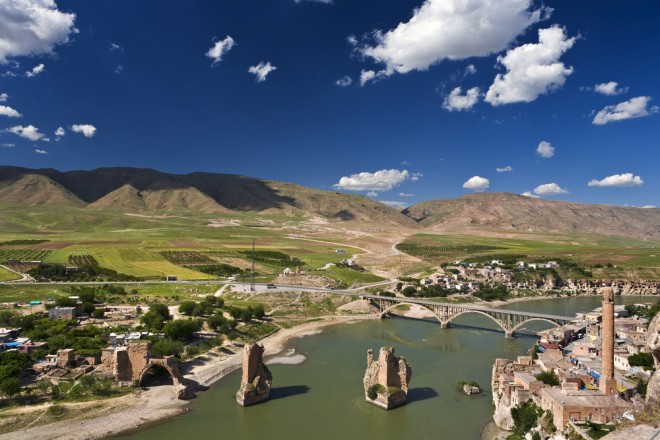
The Tigris River in Turkey

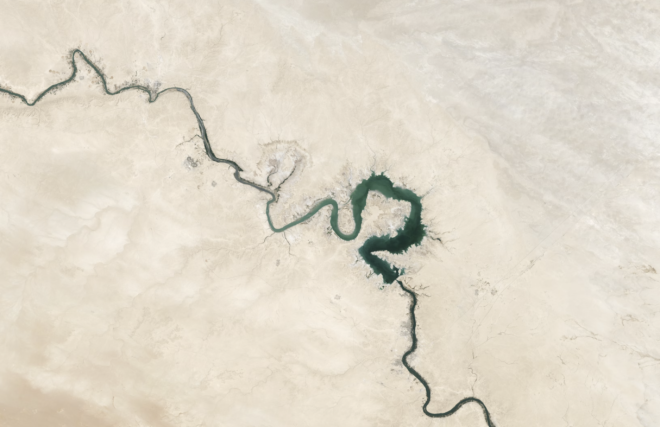
The Tigris is not simply another river. Rising in Turkey and flowing through Iraq before joining the Euphrates, it has supported human civilization for thousands of years. Iraq, once ancient Mesopotamia, often described as the cradle of civilization, developed between these rivers. Today the Tigris remains a critical source of drinking water, irrigation and fisheries for millions of Iraqis.

Mudhif, An ancient Iraqi marsh hut showcased in Dubai
Mudhif, an ancient Iraqi marsh hut showcased in Dubai

Iraq is one of the world’s largest oil producers, with production concentrated around the giant oil fields of southern Iraq. International companies operating there include BP, TotalEnergies, Eni, PetroChina, CNPC, ExxonMobil, Shell and Lukoil which have all participated in developing Iraq’s petroleum sector alongside Iraq’s state-owned oil companies. They have also contributed to the extreme rates of leukemia now being reported anecdotally around areas such as Basrah. My contact in Iraq says she can’t give her real name or report this to the authorities as it could endanger her work and her life.

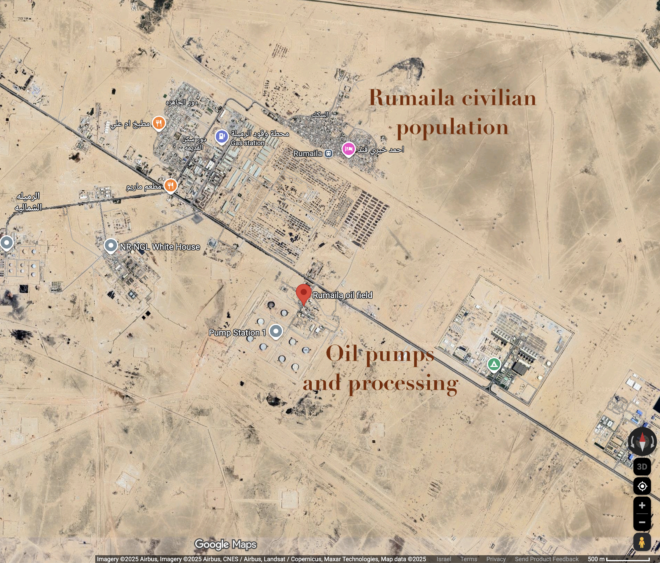
Rumaila oil field houses a population of x, it's a half hour drive to Basra
Rumaila oil field, a source of oil pollution leaking into drinking water in Basra and the region

Now that oil is flowing freely again oil exports generate the overwhelming majority of Iraq’s government revenue (over $100 Billion annually), environmental groups of which there are few there, have repeatedly called for stronger monitoring of spills, wastewater discharges and industrial pollution associated with oil production and transport. They are more or less powerless as oil companies extract and pollute on repeat.

My source there says that companies such as BP and Exxon only move senior Western executives to the Basrah area only after they are near retirement age due to the liability issue of exposing them to high levels of petrochemicals. She has documents and sources to prove.

Not every oil slick originates from a producing oil field, we should note. Spills can result from pipeline accidents and sabotage, transport accidents, illegal dumping, refinery operations or other industrial activity. Determining responsibility requires investigation. In 2014 for instance, a massive oil spill in Israel caused extensive damage in the Negev. In Israel locals are allowed to report on it, fight against it in the courts and speak to the media. In oil producing nations such as Iraq, Iran, Saudi Arabia, Kuwait, locals and workers at these sites are not allowed to speak with the media.

When released hydrocarbons entering freshwater systems can threaten aquatic ecosystems, drinking water supplies and agriculture if not rapidly contained.

Continuing concern in Basra

This is not the first time Green Prophet has examined Iraq’s environmental challenges.

In 2025, Green Prophet reported on concerns raised by physicians, researchers and residents in Basra regarding pollution, oil production and increasing rates of cancer and leukemia. Although researchers continue to study the causes of these illnesses, Basra has become one of the regions most frequently cited in discussions about environmental health impacts associated with decades of intensive oil development, industrial pollution and water contamination.

Since publishing that story, Green Prophet has remained in contact with an environmental activist in Basra who operates a local environmental NGO. For her safety, we are withholding her identity because she fears repercussions for speaking publicly about environmental conditions.

Last month she shared a personal update.

“If you remember the person we spoke about who had leukemia when we were in Istanbul, he passed away after two weeks,” she wrote.

She was referring to her cousi, and told me that 50% of her cousins in Iraq have cancer.

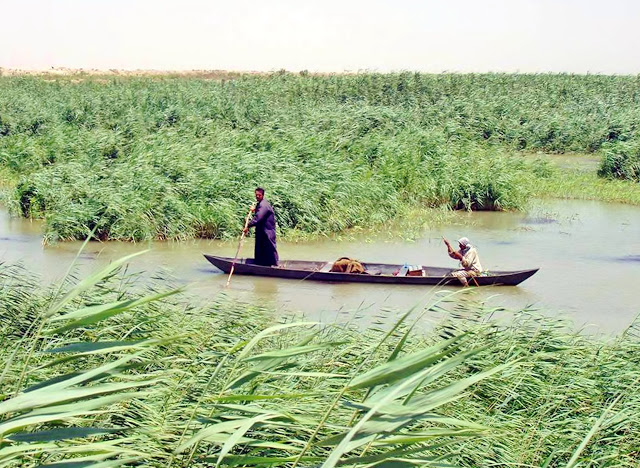
Iraq marsh people know how to live with water. New research from Iraq shows us how to reclaim the earth from the desert.
Iraq marsh people know how to live with water. But what if it is full of oil?

Personal accounts such as hers illustrate why many Iraqi families continue to seek greater transparency regarding pollution and public health. If we want our government to stop selling plastic plates or straws, it makes no sense when kids are dying at the source, in Basra.

Protecting the Tigris River, and its people, animals and plants, requires rapid reporting, transparent investigations, effective spill response and continued investment in environmental monitoring. For a river that has sustained civilizations for millennia, preventing pollution remains as important today as ever.

Doctor-Led Direct Hair Transplant: What Surgeon Involvement Means for Outcomes

0
natural hair transplant, natural hair transplant results, natural-looking hair transplant, hair transplant, hair restoration, hair restoration surgery, FUE hair transplant, FUT hair transplant, hair transplant before and after, hair transplant recovery, hair transplant clinic, hairline restoration, receding hairline treatment, male pattern baldness, female hair loss, alopecia treatment, scalp surgery, hair grafts, cosmetic surgery, regenerative medicine
Regenerative medicine may be able to grow back hair naturally. Until then, there are hair transplants.

Hair restoration is often discussed through technology: FUE, DHI, Sapphire blades, implanter pens, microscopes, and regenerative add-ons. Technology matters, but it is not the whole story. In a procedure that changes a person’s appearance for years, the more important question is who is planning, designing, and supervising the work.

Doctor-led direct hair transplant is not just a premium phrase. It points to an important issue in the global hair transplant market: the difference between medical decision-making and assembly-line procedures.

Why surgeon involvement matters

A hair transplant may look like a cosmetic service, but it is still surgery. It involves local anaesthesia, extraction of living follicles, handling delicate tissue, creating recipient sites, and planning a result that should age naturally. The surgeon’s involvement affects diagnosis, candidacy, donor management, hairline design, complication handling, and long-term planning.

The risk of a technician-heavy model is not that technicians are unimportant. Skilled teams are essential. The risk appears when a patient never receives proper medical assessment, when hairlines are drawn like templates, when too many grafts are harvested, or when the person responsible for outcomes is not present for the most critical decisions. 

The donor area is a limited resource

Sustainable thinking applies to the body too. Donor hair is not infinite. A clinic that overharvests in one aggressive session may create short-term density at the front but leave the back and sides visibly depleted. If hair loss progresses later, the patient may have fewer options for repair.

A doctor-led plan should consider the safe donor area, future hair loss, age, family history, hair characteristics, and whether surgery should be staged. In other words, it should avoid using tomorrow’s resources for today’s dramatic photo.

Natural design is medical and artistic

green man red beard
There is also such.a thing as beard transplants

A natural hairline is not simply low or dense. It follows facial proportions, age, hair direction, temple shape, and the way hair naturally grows in irregular micro-patterns. Too-straight hairlines, incorrect angles, or dense packing in the wrong zone can make even a technically successful transplant look artificial.

Surgeon involvement matters here because design is not a decorative step. It determines where each graft should go and how the final result will be perceived. A conservative, age-appropriate hairline may be more responsible than a dramatic low line, especially for younger patients.

Direct implantation and precision

Direct hair transplant methods, often discussed alongside DHI-style implantation, focus on controlled placement of grafts using specialised tools. This can be helpful in hairline work or areas where angle and direction are critical. However, the tool itself does not replace judgment. Precision only helps when the plan is correct.

A pen, blade, or punch is only as good as the person deciding how and where to use it. That is why patients should look beyond technique names and ask about medical supervision.

A less wasteful approach to aesthetics

Green living is often associated with food, energy, and materials, but the same mindset can be applied to personal care. Avoiding unnecessary procedures, choosing qualified providers, protecting natural tissue, and reducing the need for corrective surgery are all forms of responsible decision-making.

In hair restoration, a poor procedure can lead to emotional stress, financial loss, scarring, donor depletion, and revision surgery. A thoughtful first plan is not only safer. It is less wasteful.

For readers comparing clinic philosophies, Kibo Clinics offers a useful example of the language patients should look for: natural, age-appropriate hairline, preserved donor density, surgeon-led procedure, and honest advice. Those principles matter more than a glossy before-and-after gallery alone.

Questions patients should ask

hair type routine
Look for natural, paraben-free hair care products to strengthen hair natuurally

Who diagnoses my hair loss? Who designs the hairline? Who decides how many grafts are safe? Who performs the extraction? Who creates recipient sites? Who manages complications if they occur? How will the plan change if my hair loss progresses?

If answers are vague, rushed, or focused only on discounts and graft counts, that is a warning sign. A responsible clinic should be willing to explain why a plan is suitable and where its limits are.

The takeaway

Doctor-led hair transplant care is not about dismissing technology or team support. It is about making sure technology serves a medically sound plan. The best outcomes come from restraint, diagnosis, donor conservation, and natural design. In hair restoration, the most sustainable result is one that does not need to be hidden, explained, or repaired later.

Data centers in Space? Sophia Space and Apex plan on busing them in

Sophia Space is creating data centers for Space

There’s so much hype about data centers in Space and so much skepticism, so is it possible? Sophia Space out of Pasadena is partnering with Apex to to find out by building and launching satellites compute modules into LEO (low Earth orbit). In practical terms this the first practical step towards data centers in space by first building edge AI in space, the kind of AI that computes where it us and doesn’t rely on a data center somewhere else.

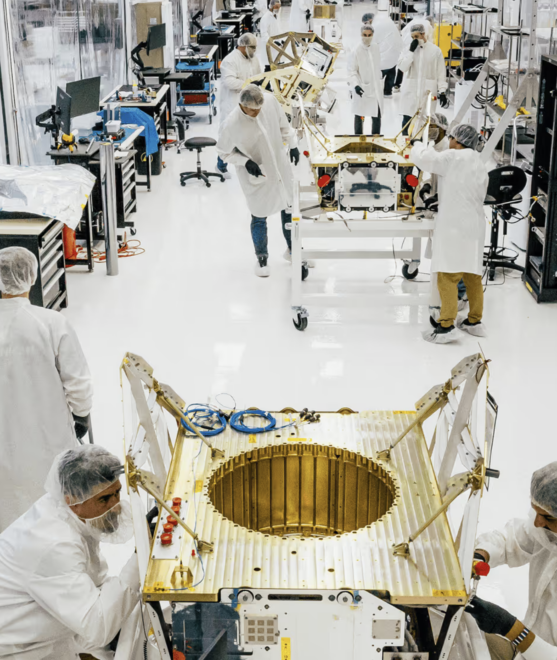
Apex Space factory floor; they make space busses
Apex is making buses for Space; about 200 by the end of 2026

One of the major barriers to building data centers in Space is that the processing units and other electronics required to run them all produce heat. That heat needs to be dissipated in order to keep them from overheating. Since space is a vacuum that means the only kind of cooling available is radiative cooling. And radiative of cooling requires a certain amount of surface area to be effective, which can impose limits the practicality of building compute at the scales required.

Sophia Space tiles
Sophia Space tiles

That’s why Sophia builds space-hardened TILEs (Thermal Integrated LEO Edge), sets of modular compute blades armored against the radiation of space, cooled with passive radiative cooling. Each blade is a NVIDIA edge compute module and the microcontroller unit (MCU) that manages it and interfaces with sensor options, sandwiched between solar panels on one side and radiators on the other side. And each TILE itself is designed to be clustered with other TILEs onboard a satellite bus.

Teaming up with Apex who make satellite buses, makes it possible to test in-orbit compute. Each Apex bus is an intentionally-generic chasis that Sophia’s compute gets slapped onto.

Apex bills their buses as productized, which means that they’re intended to be produced and deployed at scale.

Related: AI centers are triggering panic in the US

Scale allows for the amount of compute that AI companies are talking about needing to offset the environmental impact and land costs of terrestrial data centers. Data centers are not the only application, Apex and Sophia can partner with other New Space companies to build reliable customized satellite systems. Even individually, they have enough processing power to do work onboard without relying on systems on the ground. By using the MCU to integrate sensors, that allows for a wide range of applications such as atmospheric pollution monitoring, imaging, and climate research.

Often satellites are a bit more bespoke, yet to build a constellation (like Starlink) or a fleet of satellites (which data centers in space will need) is where scale production comes in, which is what data centers in space will be. Data centers require a massive amount of compute, more than an individual satellite.

spacex starlink from space, satellite
SpaceX has deployed satellites to run Starlink

SpaceX has deployed satellites to run a Starlink bus potentially allows for mass deployment the way Starlink launches are essentially a rack of satellites that release sequentially, another necessity for a data center in space since instead of one massive facility like terrestrial data centers it will likely be a mesh network using laser communication.

A train of Starlink satellites

Mesh networks are increasingly the most important topology in space and drones. There’s a disturbing report about the pilot that was rescued from Iran, describing the eerie coordination of Iranian drones on a mesh network coordinated like a school of fish.

Topologies are the way that a network of devices is connected and the way those connections are arranged in relation to each device. Mesh networks allow each device to directly communicate with any device around it and pass information through its neighbors. That allows both for redundancy and for reconfiguration.

A less-disturbing visual than the story about Iranian drones is watching a drone show, like China’s recent Guinness Record 22,580 drone record-breaking performance:

Similarly the World Cup has a drone scoreboard, Yoga Day had a drone show in India, and increasingly drone shows are common whether at concerts, sporting events, holidays, and probably coming to a b’mitzvah near you.

The big difference between military drones & satellites in comparison is that drone shows can be preprogrammed like voxels (3D pixels) in a 3D animation, whereas military drone swarms use edge AI for distributed computing to coordinate in real time. Satellites would still be preprogrammed while also using distributed computing for any manoeuvring and updates.

While the physics makes data centers in Space, Sophia and Apex have partnered to prove that modular scalable edge computing in orbit is possible. Their mission launches in 2027 and Sophia is not the only company aiming to build compute in the increasingly-busy orbital environment. Whether their approach allows for distributed data centers in space, edge computing will be vital to real-time navigation of the crowded space in orbit in ordee to avoid space trash and accidental collisions.

Top image: Avalanche Technologies, a company making data centers for Space

Mona Khalil, Orange House Project founder, sea turtle protector killed in Lebanon

0
Mona Khalil sea turtle conservationist

Some historians might describe Israel as being caught in a forever war in Lebanon. What will that means for lands of northern Israel and southern Lebanon? The terrorist organization Hezbollah has been continually attacking the north and Israel has been waging a dedicated counter attack into Lebanon. Caught between the IDF and Hezbollah, both Israelis and Lebanese face displacement from their homes, disruption of their lives, and destruction.

Mona Khalil, Mona Khalil Lebanon, Mona Khalil turtle conservationist, Orange House Project, sea turtles, green turtles, loggerhead turtles, Mansouri Beach, Tyre Lebanon, marine conservation, wildlife conservation, biodiversity, environmental activist, ecotourism, Mediterranean sea turtles, Lebanon environment, conservationist killed, Israel Lebanon conflict, environmental defenders, coastal ecology, nature conservation, endangered turtles, Lebanon wildlife, ecological impact of war, conservation in conflict zones, Green Prophet
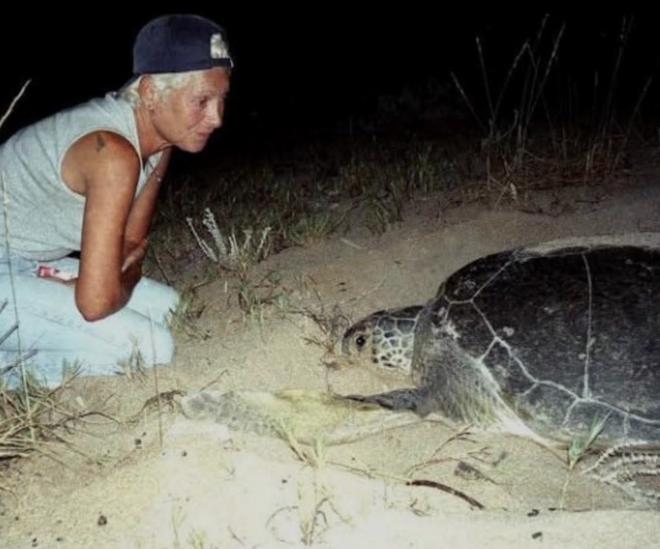
Mona Khalil with her beloved sea turtles

Related: a green jihad – when Nasrallah told the Hezbollah to plant trees at the border

Rockets and drones from Hezbollah, tunnels dug towards Israel, tunnels dug into Lebanon and under houses and Lebanon filled with weaponry, even trees planted to provide cover. In response, there have been incendiary attacks flung using medieval trebuchets constructed by IDF soldiers with math, physics, and time to spare. The IDF has had no choice except to target both homes and underground tunnels in order to prevent attacks being staged from them.

Environmentalists have gotten caught in the crossfire, with turtle conservationist Mona Khalil being killed in a recent strike on the area of Mansouri, her home village just south of the city of Tyre.

Mona Khalil in 2004 in Lebanon. Photo by Joseph Barrak/AFP/Getty Images

She founded the Orange House Project with her partner Habiba Khalil, an ecotourism bed and breakfast that the couple used to help monitor and protect green turtles and loggerhead turtles. She created a niche that even the local Hezbollah government had to respect.

Related: Meet Mona’s Israeli counterpart Yaniv Levy who discusses the impacts of war on sea turtles

ecological impact of war, conservation in conflict zones, Green Prophet
Orange House Project

Though there are increasing calls for a stop to fighting in Lebanon, that seems unlikely as of yet. Perhaps out of “davka”/spite in response, the defense minister of Israel has called for what may remain a miles-wide buffer zone within Lebanon in order to make it more difficult for Hezbollah to attack northern Israel. As extreme a solution as that might be, it’s undeniable that war has made life in the area increasingly unlivable since the 1982 war in Lebanon that cost all parties dearly.

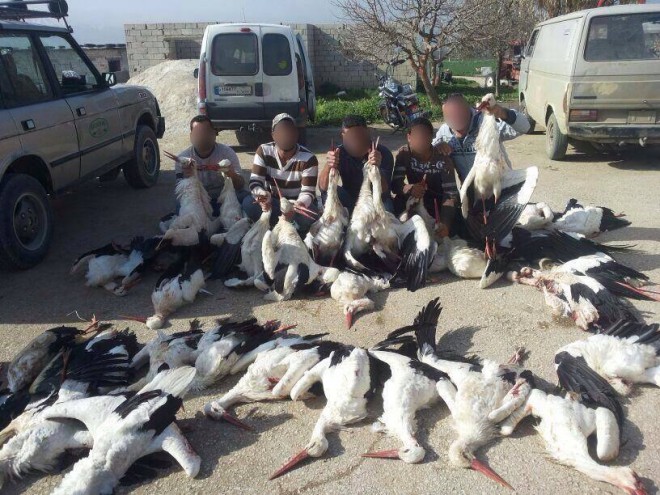
Birds have also been impacted according to the Society for the Protection of Nature in Lebanon with raptors moving north and towards the Bekaa Valley that the Alma Research & Education Center has identified as a major Hezbollah logistics center with a full military infrastructure and long-range weaponry. Owls have been impacted, and the crane population has been drastically impacted. Poaching remains a problem as neither Lebanon, Hezbollah, or the UN Peacekeeping mission has stopped it.

Related: Dynamite fishing in Lebanon

illegal bird hunting lebanon
Illegal bird hunting in Lebanon (from the archives, date unknown)

Also in the Bekaa Valley is home to the International Center for Agricultural Research in the Dry Areas (ICARDA), which had been relocated from Syria in 2012 due to the civil war. By colocating with ICARDA in the Bekaa Valley, Hezbollah endangers scientists doing biodiversity work and the seeds banked at ICARDA in addition to the wildlife taking refuge in the valley due to the war. Intergenerational knowledge is also in danger of being lost forever.

seed bank ICARDA lebanon and morocco
A seed bank in Lebanon, run by ICARDA

Even with the possibility of a ceasefire, the prolonged use of greenwashing and using civilians as cover only deepens the likelihood of ecological harm. In peace time a lack of environmental responsibility means poachers, overfishing, and even tourism will continue to threaten flora and fauna in Lebanon.

In Northern Israel, the Society for the Protection of Nature in Israel (SPNI) has been assessing the heavy damage in the Golan, Hula Valley, Galilee Panhandle, Upper Galilee, and Western Galilee. Both the attacks on Northern Israel and the IDF’s response have damaged delicate wetlands and the wildlife corridors that animals depend on.

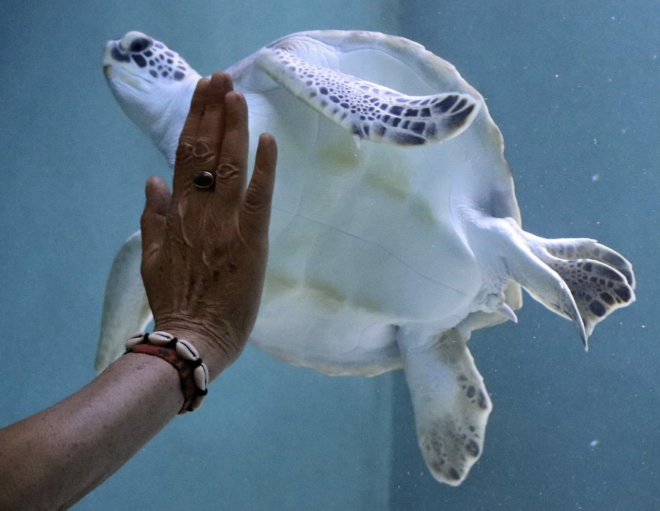
Mona Khalil's hand with her sea turtle
Mona Khalil’s hand with her sea turtle

Any end to an endless war also needs to end the exploitation of the land and life on it, otherwise the war hasn’t ended so much as turned against the very ecosystem that sustains us all regardless of nationality or ideology.

6 Ways Landlords Can Improve Cash Flow from Eco Rentals

0
treehouse home in the woods, rental
One way to cover the mortgage is to build a sustainable home that screams AirBNB. Rent on peak holidays, brag about its eco-creds and crash at your parents.

Every successful rental property relies on strong cash flow. When you generate consistent income, you have more flexibility to cover expenses, pay for repairs, and expand your portfolio. The good news is you don’t need to perform major renovations to improve your cash flow. In many cases, small changes in how you operate and advertise your home can increase revenue and reduce your costs. The following strategies can help.

  1. Partner with a professional property manager

An experienced property manager can help you improve your cash flow by keeping vacancies low, streamlining operations, and handling business efficiently. A property manager will understand the local market and fill empty units fast. The less time your property sits vacant, the more money you keep. The same property manager can boast about your sustainable add-ons such as energy efficient appliances, and solar panels that heat the hot tub.

Property managers implement effective rent collection strategies that encourage on-time payments and protect your cash flow. Most use automated systems that allow tenants to pay rent online for convenience. And your property manager can advise you on the easiest platforms to use.

One of the ways property managers keep vacancy rates low is through monitoring lease expirations and starting renewal conversations early. This helps keep units occupied and revenue flowing no matter if you are renting short term or longer. 

Where maintenance is concerned, property managers maintain relationships with local vendors and contractors. A leaky boiler? A sauna that doesn’t reach full heat capacity? This makes it easier to schedule appointments before small issues turn into big problems.

Barrel sauna, panoramic window, serene beauty, lush forest, precision-crafted, cylindrical design, nature integration, wellness experience, unobstructed view, tranquil ambiance, rustic charm, modern functionality, charming retreat, contemporary luxury, natural splendor, rejuvenating journey, heart of the forest, sauna escape, forest sanctuary, soothing warmth, panoramic serenity.
Adding healthy features like a sauna to your rental listing can boost desirability and rates
  1. Review rental rates regularly

Many landlords get stuck in the trap of charging below-market rent so they don’t have to deal with tenants who may be hard to handle. This is an easy way to lose money. By staying on top of local pricing trends, you’ll keep your rents competitive while protecting your income.

Check out comparable properties in the area to verify current market conditions before pricing your property. If you need to increase the rent to match the current market, make small, predictable increases over time rather than throwing out a large increase at once.

If there’s a strong demand in your area, that might support higher rent or shorter rental terms. However, make sure your pricing reflects the value you provide before setting higher prices. You might want to make upgrades that improve tenant comfort and convenience before implementing a higher rental rate. 

  1. Reduce vacancies

Vacancies are the biggest threat to your cash flow. Every day a unit sits empty is lost revenue you’ll never get back. While you can’t avoid all vacancies, you can limit their duration by advertising units as soon as you know the current tenant is moving out. The average turnover can eliminate weeks of income, assuming you are renting for months or ideally years, so prioritizing vacancy reduction is one of the most effective ways to protect your cash flow. 

  1. Prioritize tenant retention

Keeping your best tenants will cost less than finding new ones. The easiest way to keep your tenants is to be a good landlord. Respond fast to maintenance requests and get repairs done quickly and professionally. A tenant who feels taken care of is more likely to renew their lease.

wood fired floating sauna, Sweden, rental property, sustainable housing, eco-friendly rentals, Airbnb, property management, cash flow, green real estate, solar energy, energy efficiency, vacation rentals, tenant retention, rental income, sustainable living, eco tourism, passive income, property investment, green building, short term rentals, landlord tips, sustainable home, sauna, pet friendly rentals, renewable energy, real estate investing, vacation home rental
I would never move from a rental that lets me use a floating sauna via Stedsans.

Other ways to improve tenant retention include communicating clearly, being responsive to concerns, and offering incentives for lease renewals. It costs less to give someone a discount on rent for renewing their lease than it does to market and re-rent a vacant property.

If your property is pet-friendly, consider building a small fenced-in area for off-leash play and adding dog waste bag stations with trash cans around the property for convenience.

Making life easy and convenient is the ultimate way to make tenants happy. Some people see their pets as family. I have said no to rental properties because I saw right away it would not work with my dog who would need a fenced in yard. If you have a gated community with an entrance gate that requires a magnetic FOB, make it accessible to cars of all heights without forcing tenants to open their doors to reach the magnetic pad.

5. Control your operating expenses

It’s important to increase revenue, but reducing your expenses can also positively impact your cash flow. Start by comparing fees from service providers you use regularly. You might be able to get the same level of service for a little less money. Over time, that can mean significant savings. 

Performing regular inspections is another way to identify issues while they’re still small and avoid costly repairs. Every amount you can save counts toward a more substantial overall improvement in cash flow. Working with local people is also good for the community. They might be around to do small favors as well, if an issue pops up in the middle of the night or during a holiday.

  1. Add more revenue streams

You might have some untapped potential for earning extra income from your property. For example, offering dedicated parking spaces can create more monthly revenue for tenants who want convenience. Many apartment complexes add garages that can also double as storage units for tenants who want a secure place to store their car or keep their belongings nearby. Some homes are able to be rented for events such as weddings and parties. Check your local bylaws. 

A birthday party in the Netherlands. Outdoor parties are great with the weather works in your favor.
A birthday party in the Netherlands.

If you own an apartment complex with several units and don’t offer in-unit washers and dryers, adding a laundry room can generate additional income with a minimal upfront investment. It also makes the renters happy.

Build stronger cash flow for long-term success

Improving your cash flow involves increasing revenue and managing expenses. By applying the tips outlined in this article, you can strengthen your property’s financial performance and create reliable cash flow that supports your long-term growth.


Dior’s Summer 2027 show promises sustainability. Do we believe them?

0
Dior Summer 2027, Jonathan Anderson, sustainable fashion, luxury fashion, circular economy, digital product passport, Paris Fashion Week, Dior menswear, recycled textiles, eco design
Dior Summer 2027

Luxury fashion loves a good reinvention story. This week in Paris, Dior unveiled its Summer 2027 menswear collection under the creative direction of Jonathan Anderson, drawing celebrities, fashion editors, and global attention to the historic Musée Nissim de Camondo. Among the conversation surrounding the collection was a familiar theme: sustainability. The words regenerative are often dropped into conversation.

Fashion houses increasingly speak the language of traceability, circular design, recycled materials, and transparency. None are leading the conversation like Stella McCartney. Still even by promoting great ideas such as leather made from mushrooms, these idealistic third party suppliers have a hard time succeeding like Pinatex (makes textiles from pineapples) which recently filed for bankruptcy.

Dior Summer 2027, Jonathan Anderson, sustainable fashion, luxury fashion, circular economy, digital product passport, Paris Fashion Week, Dior menswear, recycled textiles, eco design
Dior Summer 2027

Dior is no exception to the potential greenwashing. The French luxury giant has invested in sustainability initiatives that include digital product passports, supply chain tracing tools, responsible sourcing programs, and efforts to extend the life cycle of materials and products. Yet the bigger question remains: can luxury fashion ever be truly sustainable? Look at how easily PETA exposed the problems of unethical wool in New Zealand.

Dior Summer 2027, Jonathan Anderson, sustainable fashion, luxury fashion, circular economy, digital product passport, Paris Fashion Week, Dior menswear, recycled textiles, eco designDior Summer 2027The fashion industry is responsible for an estimated 10% of global carbon emissions, according to the United Nations Environment Programme. While fast fashion from companies such as Shein receives much of the criticism, luxury brands are not immune from scrutiny. Global supply chains, international fashion weeks, exotic materials that few of us can afford, and a business model built on constant seasonal renewal all come with environmental costs.


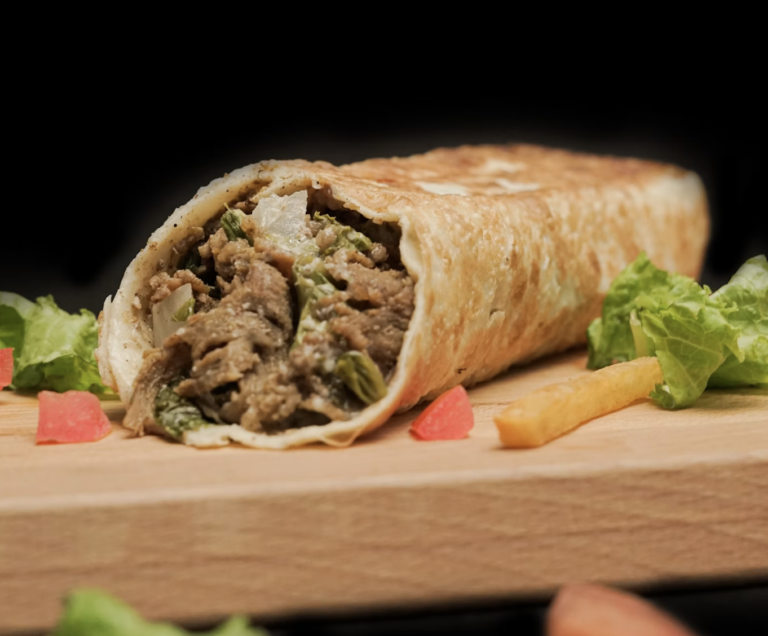
Dior Summer 2027, Jonathan Anderson, sustainable fashion, luxury fashion, circular economy, digital product passport, Paris Fashion Week, Dior menswear, recycled textiles, eco design
Dior Summer 2027

Dior’s embrace of digital product passports offers one possible path forward. These systems allow consumers to scan a code and learn more about a garment’s origins, materials, manufacturing process, and potentially its environmental footprint. The approach aligns with upcoming European regulations that aim to improve transparency and encourage more sustainable consumption. Reminds us of the Butterfly Mark.

The technology could eventually make it harder for brands to hide behind vague sustainability claims. The Consumers may gain access to information about where fibers originated, how products were manufactured, and what options exist for repair, resale, or recycling.

Dior Summer 2027, Jonathan Anderson, sustainable fashion, luxury fashion, circular economy, digital product passport, Paris Fashion Week, Dior menswear, recycled textiles, eco design
Dior Summer 2027


But transparency alone does not solve fashion’s environmental challenges: A perfectly traceable garment can still consume large amounts of energy, water, transportation resources, and raw materials. Sustainability depends not only on knowing where something came from but also on reducing overall consumption and designing products that last.

Is your shawarma wrapped in forever chemicals? The hidden microplastics in street feed

0
Shawarma and plastics
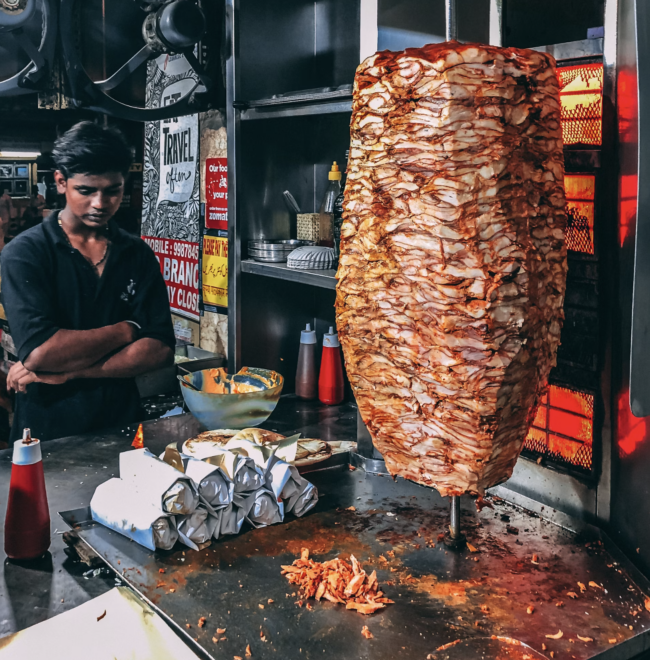
Shawarma on the spit

Shawarma is one of the world’s greatest street foods. Whether you are grabbing a late-night chicken shawarma in Berlin (you can also make it vegan!), a lamb wrap in Amman, or a beef shawarma sandwich in Toronto, the experience is nearly universal: fresh meat shaved from a rotating spit, sheep tail fat on top drizzling down, vegetables, tahini, pickles and warm pita wrapped tightly in paper and handed over with a smile.

But what if that plastic wrapper is adding an ingredient you never ordered? Scientists and environmental advocates are increasingly concerned about chemicals and microplastics that can migrate from food packaging into the food we eat. Microplastics are in orthodontics aligners, toothbrushes, bubble gum, plastic bottles and drinking water.

Shawarma like many kids of street meat, is often served hot, greasy and wrapped tightly for convenience in plastic so it doesn’t drip and it is one of the foods most exposed to this problem.

The concern centers on PFAS, sometimes called “forever chemicals.” They are leaking out of yoga pants and are probably being served with every burger and shwarma you consume. Looks like plastic but is moisture resistant? You are probably eating PFASs.

These substances have been used for decades to make paper and cardboard resistant to grease and moisture. They are found in most fast-food wrappers, takeout containers and food packaging around the world. Because they break down very slowly, PFAS can accumulate in the environment and potentially in the human body.

shawarma, shawarma recipe, chicken shawarma, beef shawarma, lamb shawarma, shawarma wrap, shawarma sandwich, Middle Eastern food, street food, Mediterranean cuisine, pita bread, tahini sauce, food packaging, PFAS, forever chemicals, microplastics, plastic pollution, sustainable food, environmental health, takeout food, fast food packaging, reusable containers, plastic-free living, food safety, healthy eating, green living, eco-friendly packaging, human health, toxins in food, Green Prophet
A meat meal in your hand with PFAS

When hot, oily food comes into contact with treated paper, there is concern that some of these chemicals can migrate into the meal itself. Researchers have found PFAS contamination in a variety of food packaging materials, prompting regulators in several countries and U.S. states to restrict their use. If you know how to read technical reports start here (links to the FDA).

Then there is the growing issue of microplastics. Tiny plastic particles have now been detected in human blood, placentas, lungs, hearts and reproductive organs. Scientists are still working to understand the long-term health impacts, but the evidence suggests that food packaging, synthetic clothing such as Lululemon yoga pants and plastic bottles are among the major sources of exposure.

Yoga pants and microplastics

Shawarma itself is not the problem. We repeat – eat it, but only modestly as meat contributes to climate woes and climate anxiety. Read the story on Weston Higginbotham. The ingredients in shawarma are often simple and wholesome, and we make it at home sometimes for our boy who loves meat. The problem may be the disposable culture that surrounds modern fast food.

A traditional shawarma meal served on a ceramic plate with metal cutlery generates almost no packaging waste. A takeaway shawarma can involve a grease-resistant wrapper, plastic bag, plastic fork, plastic cup and plastic lid. Multiply that by millions of meals served every day across the Middle East, Europe and North America, and the environmental footprint becomes difficult to ignore.

Consumers who want to reduce exposure can take simple steps. Eat in and ask for a plate, rather than taking food away when possible. Bring a reusable container for takeaway orders. Support restaurants that use PFAS-free packaging and compostable materials.

And want a recipe for a great shawarma you can make at home?

Ingredients

2 pounds of chicken or turkey
50 to 100 grams of sheep tail fait (or beef fat)
1 teaspoon of cinammon
3 tablespoons of shawarma spice (see below for recipe)
3 tablespoons of olive oil
Salt and pepper to taste

Marinate turkey or chicken in the fridge with spices for an hour or overnight if possible. If you don’t have time, that works too. Chop up the chicken or turkey in strips or cutlets and layer all together in a loaf tin. You want the meat to be about 2 inches thick as it goes it. Add the aliya sheep tail fat on top. Bake uncovered for about 30 minutes to 40 minutes at 400 degrees F. Remove from over and let sit for 15 minutes before slicing in thin as you can shavings. Serve in pita with tehini (link to recipe).

Shawarma Spice Mix

Turmeric lowers blood pressure
Turmeric and a medley of spices lowered blood pressure in a study

Mix it up and seal in a dark jar for later use.

1/4 tsp cardamom (or cloves)
1 tsp ground coriander
1 1/2 tsp ground turmeric
1/2 tsp ground ginger
2 tsp smoked paprika
2 Tbsp ground cumin
1/8 tsp cayenne pepper

Self-repairing contact lenses and desalination membranes that fix themselves?

0
Scratches in this new contact lens material (left) repair themselves almost completely after one hour of UV light exposure (right).
Lenses that self-heal. Scratches in this new contact lens material (left) repair themselves almost completely after one hour of UV light exposure (right).

My 20s were spent dealing with contact lenses. First with monthlies that dried my eyes, then dailies that I would flush down the drain. But daily contact use is a lot of plastic and microplastics. Can there be a more sustainable way?

Contact lenses are a great vision correction option for many (I now enjoy the effects of a laser treatment), but if one of them gets damaged, there is little to do other than throw it away. This is challenging for people with speciality lenses and of course those working on their plastic footprint.

A team reporting in the journal Applied Polymer Materials has a solution: special polymer hydrogels and UV light. Scratches on lenses made from their new material were easily repaired with an hour of UV light exposure. This demonstration is a first step toward the next generation of contact lenses.

How do these lenses self-repair?

Commonly used “soft contacts” are made from hydrogels: porous, water-filled networks of polymers. Hydrogel lenses can be scratched or become cloudy from normal wear and tear or from dust and debris. Currently, there are no methods for repairing a contact lens once it’s damaged, which can be annoying and expensive.

Researchers Jung-Hyun Choi and Byoung-Ki Cho of Korea wanted to develop a self-healing hydrogel material for repairable contact lenses.

Previously, the researchers created a hydrogel that repaired itself after being heated for several hours; however, this was not ideal for contact lenses because extended heating causes the delicate lens to dry out. So, this time they used UV light to initiate a self-healing chemical reaction at room temperature.

Choi and Cho built the hydrogel using a disulfide cross-linker and methacrylate polymer. Then they coated it with a different polymer to help prevent bacterial growth and surface scratches. When a damaged hydrogel was exposed to UV light (365 nanometers in wavelength) at room temperature for one hour, the energy from the light induced a process known as disulfide exchange.

How the lenses self-repair
How the lenses self-repair. Supplied by researchers

Here, existing sulfur-to-sulfur bonds break and form new bonds with other sulfur atoms, slowly knitting the hydrogel back together. In tests, this healing process was highly efficient, resulting in a near-seamless lens. And, according to Cho, the repair process can be repeated and could even be conducted using at-home UV lamps, such as those used as cleaning devices or for curing gel nail polish.

In addition, a lens formed from the coated hydrogel had mechanical properties, including water retention, similar to those expected for soft contacts. The specialized anti-scratch coating even prevented scratches from fine-grit sandpaper, dropping in transparency only by about 2% after abrasion.

Before these lenses can be found on store shelves, they’ll need to go through additional stability testing and regulatory approval. But the researchers hope that this work could lead to contact lenses that are more robust.

Other sustainable applications?

For sustainability advocates, the real promise may not be in contact lenses at all. The same chemistry could eventually find its way into water infrastructure, solar energy systems, healthcare products, and consumer goods.

Imagine solar panel coatings that repair scratches caused by desert sandstorms, extending the lifespan of renewable energy installations. Imagine filtration systems in drought-prone regions that can regenerate rather than be replaced. Even modest improvements in durability can have a profound environmental impact when applied at scale.

The greenest products are those you can repair before replacing.


Should we be worried about ebola?

0
"Health workers carefully don full personal protective equipment at the Evangelical Medical Center, one of the key facilities leading the frontline response to a deadly Ebola outbreak in the region."
“Health workers carefully don full personal protective equipment at the Evangelical Medical Center, one of the key facilities leading the frontline response to a deadly Ebola outbreak in the region.”

A new Ebola outbreak in the Democratic Republic of the Congo (DRC) is raising concerns among public health experts, not because it is likely to become another COVID-19-style pandemic, but because this particular strain of the virus is proving difficult to fight.

The outbreak involves the Bundibugyo strain of Ebola, a variant for which there are currently no validated vaccines or proven treatments.

The funeral practices in this area of the DRC are very much centered around the touch of a dead body, including the washing of the body and funerals with an open casket

“My main concern about this outbreak is that there aren’t any medical countermeasures established for this strain,” says Jonathon Gass, assistant professor of Public Health and Community Medicine at Tufts University School of Medicine in the United States in a press release issued by the school.

“There hasn’t been a whole lot of therapeutic drug development for the Bundibugyo strain as compared to the Zaire Ebola strain, which is the deadliest strain but also has a vaccine that has been validated and proven to be quite effective,” Gass says.

Without a vaccine, healthcare workers can provide only supportive care: “All we can provide patients suffering with this infection is supportive care, which is basically the provision of fluids, oxygen, and pain treatment,” he says.

Why this ebola outbreak is different

The outbreak is unfolding in one of the most difficult places in the world to contain a deadly disease.

“The Eastern border of the DRC is an incredibly remote area, unreachable by car, which makes it hard to govern,” says Daniele Lantagne, research professor at Tufts University’s Feinstein International Center.

“That, combined with a history of extractive colonialism in the region, disease spillover potential from people living in forested areas consuming wild animal meat, recent losses of resources from other countries, and civil unrest in the area, all make this an incredibly hard outbreak to track and treat.”

Ebola spreads only through direct contact with bodily fluids such as blood, vomit and feces. Unlike COVID-19, it is not an airborne virus.

“The virus thrives in warm bodily fluids, and in the late stages of the disease and after death are when the body’s viral load will be the highest,” Lantagne says.

The disease often begins with symptoms that resemble malaria or other tropical illnesses, leading to delays in diagnosis.

“The close contact with patients at this stage of the disease, and initial misdiagnoses of other fever-presenting illnesses like malaria, is why so many healthcare workers get infected,” she says.

Funeral traditions create challenges for ebola

Merveille Kavira Luneghe , GPJ Democratic Republic of Congo Priest Kasereka Nzandu, wearing a white robe, recites prayers while a crowd of mourners gathers at a burial site in Lubero territory.
Merveille Kavira Luneghe , GPJ Democratic Republic of Congo; Priest Kasereka Nzandu, wearing a white robe, recites prayers while a crowd of mourners gathers at a burial site in Lubero territory, 2023. Via Global Press Journal. 

One of the biggest challenges in controlling Ebola outbreaks has historically been preventing transmission from deceased victims. This Global Press Journal article discusses how difficult is has been to change the traditions.

“The funeral practices in this area of the DRC are very much centered around the touch of a dead body, including the washing of the body and funerals with an open casket,” Lantagne says.

International responders, including the Red Cross, promote safe and dignified burials in which family members can view the deceased but cannot touch the body: “These restrictions are not going over well,” Lantagne says. “Think about how your family, your culture wants to honor your body after death, and suddenly a healthcare worker says no.”

She says tensions around burial practices have contributed to attacks on Ebola treatment centers during previous outbreaks. Experts say stopping the outbreak will require more than medical interventions. It will require trust.

“It doesn’t matter what the network is, whether it’s a religious leader, a nurse, a club,” Lantagne says. “Whatever local networks there are, they need to be activated to push fact-based scientific information through.”

Communities need information about treatment centers, contact tracing and temporary changes to funeral practices. According to Lantagne, only about 30% of cases are currently being contact traced.

“Right now only about 30% of cases are being contact traced, which means the DRC outbreak is very unmanaged and it’s expected to get a lot bigger,” she says.

If she could deliver one message to communities affected by the outbreak, it would be simple: “Ebola is real, it’s incredibly scary, and people die without treatment,” she says. “The only chance of survival will be if someone is brought to an Ebola treatment unit—and it’s still only a 50% chance of survival.”

What is Ebola exactly?

Ebola is classified as a viral hemorrhagic fever. Symptoms can appear anywhere from two to 21 days after exposure. Patients often begin with fever and weakness before developing vomiting, diarrhea and, in severe cases, internal bleeding. (Can ebola move to the Middle East is a question we asked in the past).

“People fall sick very, very fast, and then the hemorrhaging begins,” Gass says. “That’s why people succumb to the infection quite quickly.”

Carrying away a deceased person from ebola

Gass does not believe Americans or people outside the DRC region should panic.

Although the outbreak will be difficult to control locally, he says the risk of it becoming a global pandemic remains low because Ebola spreads through direct contact with bodily fluids rather than through the air.

“The transmission occurs through bodily secretions, through blood, saliva, urine, or feces, and can occur in a number of ways, both direct and indirect,” Gass says.

That exposure can occur through hunting infected animals or potentially through contaminated fruit.

“If an infected bat takes a bite out of a piece of fruit, or urinates or defecates onto a piece of fruit, which is then consumed by a human, that human would be exposed,” he says.