
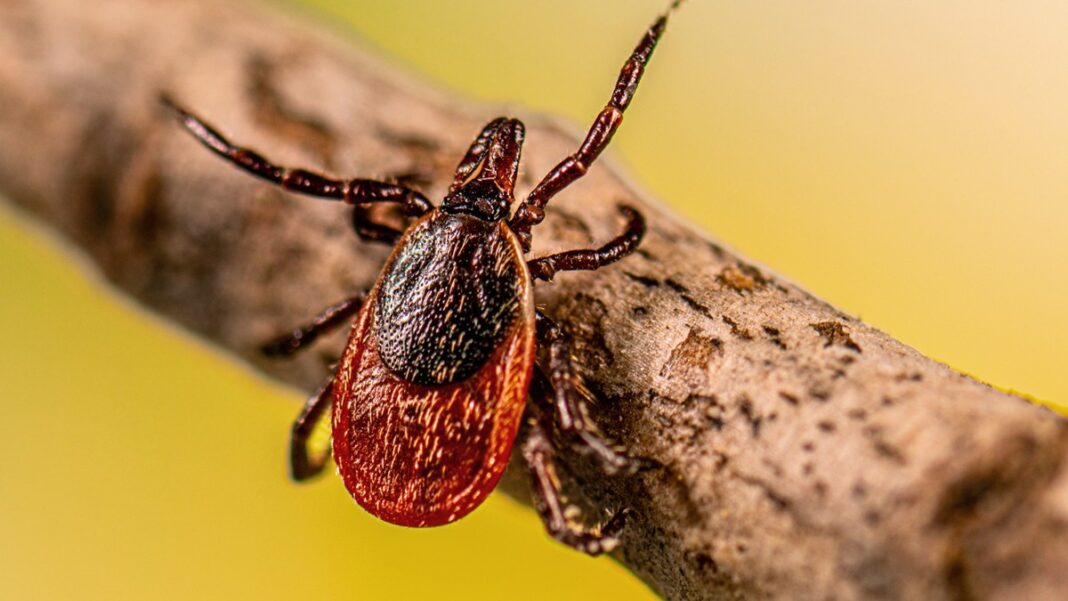
Ticks bite humans for warming the planet

white dog, mediterranean girl
We’ve ticked off the ticks. A small rise in temperatures and ticks prefer humans over dogs

Ticks carry nasty diseases like lyme disease and the bacteria causing the deadly disease Rocky Mountain spotted fever, with variants of this disease found all over the world, including the Mediterranean and Middle East.

As the world warms from climate change, researchers find that the ticks that normally feed on dogs, actually prefer humans, when temperatures rise. This is sign that climate change could expand and intensify human disease risks, according to a new study out of the University of California, Davis School of Veterinary Medicine. 

“Our work indicates that when the weather gets hot, we should be much more vigilant for infections of Rocky Mountain spotted fever in humans,” said veterinarian Laura Backus, who led the study: “We found that when temperatures rose from about 74 to 100 degrees Fahrenheit, brown dog ticks that carry the disease were 2.5 times more likely to prefer humans over dogs.”

Cases of Rocky Mountain spotted fever and related diseases, collectively known as spotted fever rickettsiosis, have risen dramatically over the last 20 years.

Rickettsia conorii, a variant of the disease, is responsible for Mediterranean spotted fever in the Middle East and parts of Africa and Europe, including in Tunisia, Libya, Israel, Sardinia-Italy, Portugal and Algeria.

The brown dog tick which goes by a Latin name Rhipicephalus sanguineus is the main vector for R. conorii, which is responsible for Mediterranean spotted fever in the Middle East.

In addition to ticks, rickettsiae diseases can also be transmitted by fleas.

Spotted fever rickettsiosis is treatable with antibiotics if detected in the first week of infection, but once an infection takes hold, the fatality rate for spotted fever rickettsiosis victims can exceed 20%. Complications can include damaged blood vessels; inflammation of the heart, lungs or brain; and kidney failure. And we thought Covid was bad? 

Backus said there have been indications from earlier work that brown dog ticks, which are found throughout the world, may be more aggressive toward humans in hot weather.

And scientists warn that climate change is greatly expanding areas of the country experiencing multiple days when temperatures top 100 degrees Fahrenheit, or about 38 degrees Celsius. Backus and her colleagues at UC-Davis wanted to gain more definitive insights into how rising temperatures might elevate the risk of tick-borne infections.

Girl grad student in a box
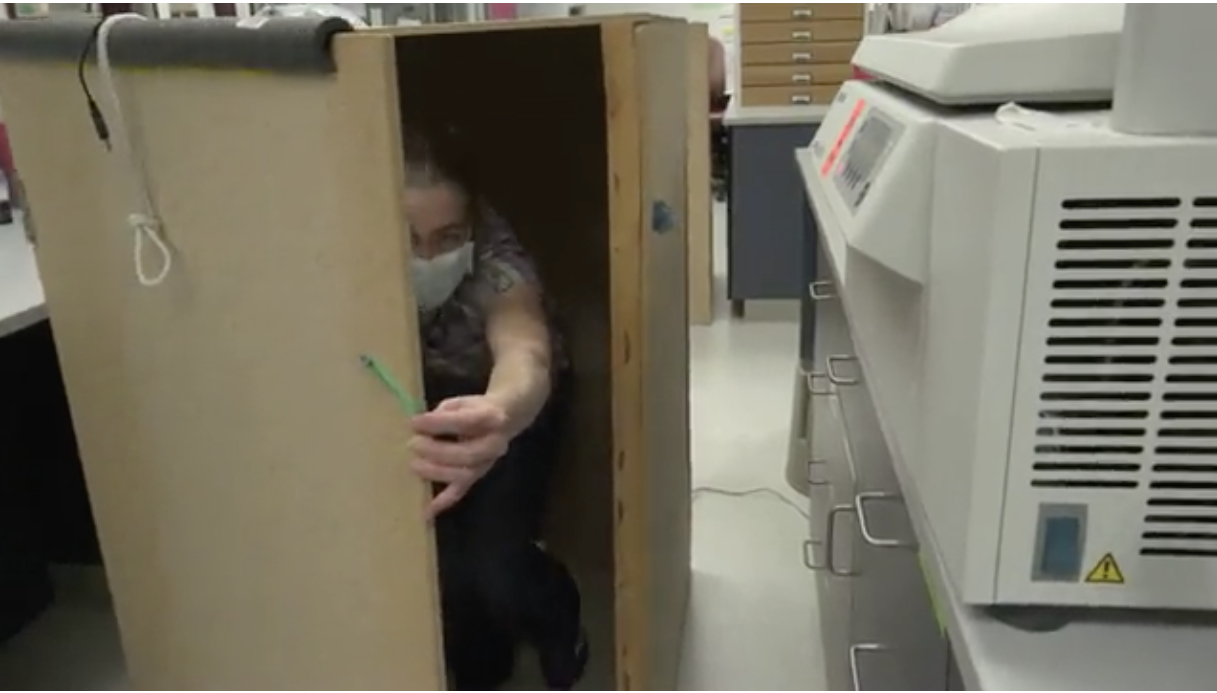
ticks humans global warming box experiment

For their experiment, they constructed two large wooden boxes measuring about 3 feet tall and 2 feet wide, which were then connected to each other by a clear plastic tube. They conducted a series of tests that involved putting a human in one box, a dog in the other and ticks in the clear plastic tube between them.
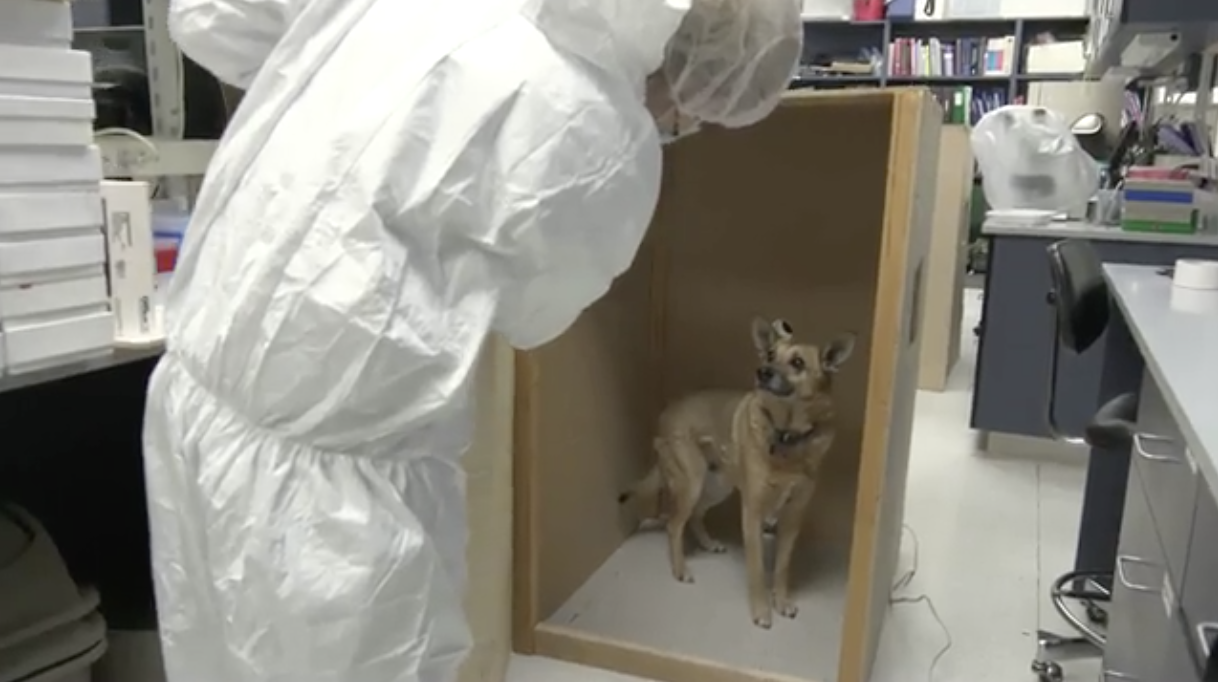
ticks humans global warming box experiment

The researchers then observed, over 20-minute intervals, whether the ticks, which seek out hosts to feed on based on smell, preferred dogs or grad student humans –first at temperatures of around 74 degrees Fahrenheit (23.3 degrees Celsius) and then at 100 degrees Fahrenheit (37.8 degrees Celsius).

Backus said that at the higher temperature, one type of brown dog tick, known as the tropical lineage tick, was especially decisive in shifting its preferences from dogs to humans. 

“We believe that this decreased preference for dogs–combined with a slight increase in preference for humans–suggests that hot temperatures may also elevate risks of Rocky Mountain spotted fever in areas where the temperate ticks are more common,” Backus said.

Does climate change worry you? Some things you can do today: 
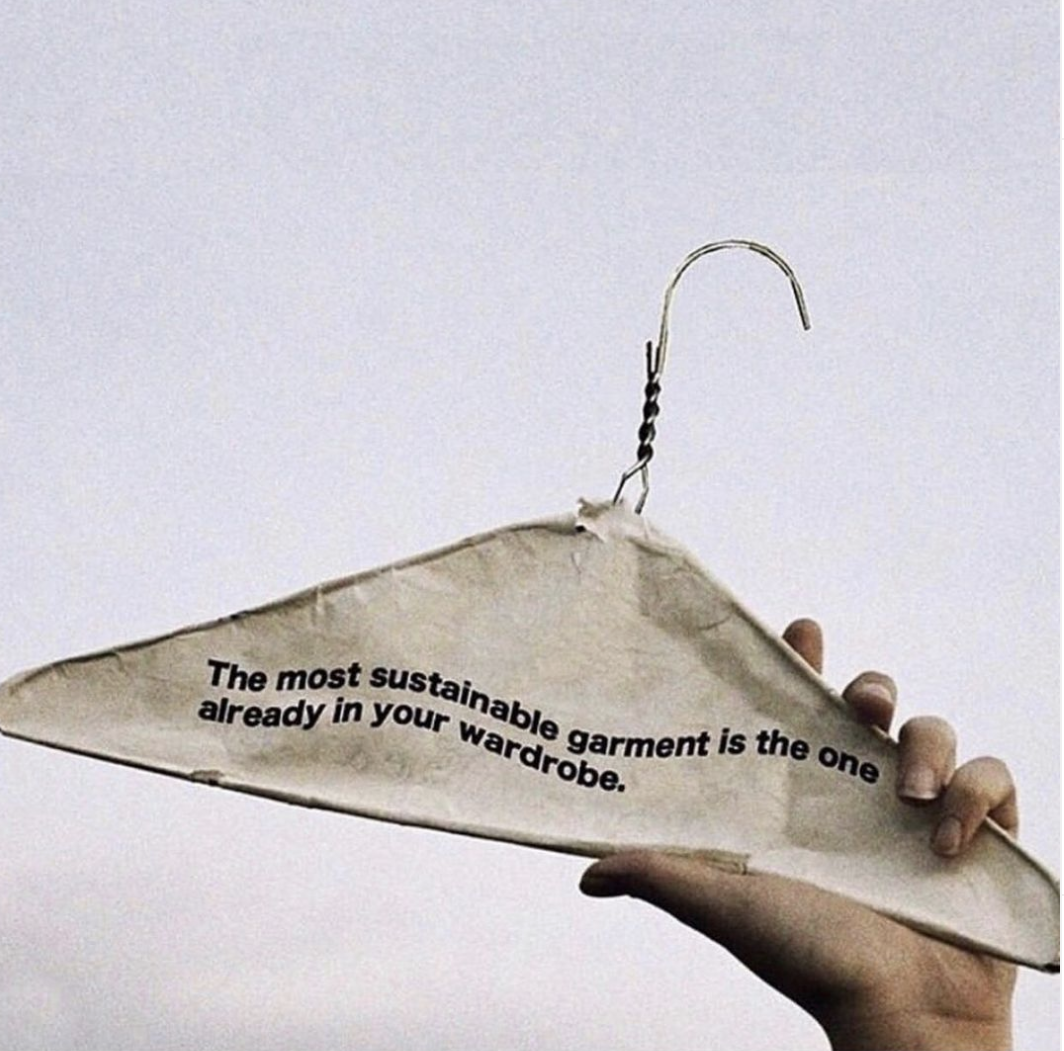
the most sustainable clothes are the ones in your wardrobe
The most sustainable clothes are the ones in your wardrobe via @J_creativestudio
Karin Kloosterman
Karin Kloostermanhttp://www.greenprophet.com
Karin Kloosterman is an award-winning journalist, innovation strategist, and founder of Green Prophet, one of the Middle East’s pioneering sustainability platforms. She has ranked in the Top 10 of Verizon innovation competitions, participated in NASA-linked challenges, and spoken worldwide on climate, food security, and future resilience. With an IoT technology patent, features in Canada’s National Post, and leadership inside teams building next-generation agricultural and planetary systems — including Mars-farming concepts — Karin operates at the intersection of storytelling, science, and systems change. She doesn’t report on the future – she helps design it. Reach out directly to [email protected]

Read More

TRENDING

Weston Higginbotham found dead in a Kyoto forest: is climate anxiety part of the story?

In some ways, Weston has become a symbol of a generation wrestling with environmental and technological anxiety. Friends and family described him as deeply concerned about environmental issues. Reports also noted that he questioned the growing role of artificial intelligence in daily life, even reportedly disagreeing with his mother about her use of AI.

Billie Eilish’s Mom Takes the Stage at Hollywood Climate Summit — But Does Hollywood Still Care About Climate Change?

Hollywood once promised to help save the planet. Leonardo DiCaprio warned of climate catastrophe from awards stages. Celebrities flew to climate conferences. Studios pledged greener productions. Streaming platforms rushed to commission environmental documentaries. But in 2026, with the aftermath of wildfires, heatwaves and floods becoming routine, a question lingers: Does Hollywood still care about climate change?

Can Scientists Predict Coral Bleaching Before It Happens?

Now researchers at the Woods Hole Oceanographic Institution (WHOI) in the US say they have developed a way to predict coral bleaching five to six months before it occurs, potentially giving reef managers enough time to intervene and save vulnerable corals.

10 Amazing Facts About the Sidr Tree

Most people in the West have never heard of the Sidr tree. That's strange when you think about it. This tough, thorny desert tree has fed people, bees, birds, and camels for thousands of years. It appears in Islamic tradition. Its honey sells for astonishing prices.

5 projects to help kickstart your company’s sustainability journey 

True progress happens when environmental ambition meets action. Decarbonizing efficiently is possible for any business in any sector, but actually getting started can sometimes feel daunting.   The trick? It’s to start small and build momentum. Here are five potential projects to help you get started.  

Locals From Rishon Fight IKEA

Big Box stores are a pretty new concept in Israel, and thank God that not every Israeli city wants them in their backyard. A word from someone who has see the beautiful farmland around her hometown Newmarket, Ontario stripped and converted into vulgar strip malls of big box shops: they have no place in a healthy and sustainable town or city.

The Jewish National Fund Meets An Inconvenient Truth

According to the JNF, it has transformed thousands of acres of barren land into green forests in Israel. They state that each person emits about 23 tons of carbon per year, estimating that each tree planted can absorb one ton of carbon in its lifetime. That's a whole lot of trees you'd need to be planting. Could so many fit in Israel?

How to quiet noise from construction in your office

Streets need to be resurfaced in New York but the humming and grinding noise is unsettling. Noise is environmental pollution. 

EarthX and a blueprint for sustainable investing

Trammell S. Crow, a Dallas-based businessman and father of four, is focusing his efforts on impact investing, and media that focuses on saving the planet through EarthX.

Mining Afghanistan’s Mineral Discoveries Similar to Avatar

Now that American forces in Afghanistan are commemorating the longest period of any war that America has been involved in, including the 1965-73 Vietnam War, the recent discoveries of large and extremely valuable mineral and metal deposits may finally bring to light a reason to continue the presence of US fighting forces in this war torn and backward country.

From Pilot Plant to Global Stage: How Aduro Clean Technologies’ 2026 Expansion Signals a Turning Point for Chemical Recycling Investors Like Yazan Al Homsi

The company's Next Generation Process (NGP) Pilot Plant in London, Ontario, has officially moved into initial operating campaigns, generating the kind of structured, repeatable data that separates laboratory promise from commercial viability.

Nobul’s Regan McGee on Shareholder Value: “Complacency Is the Silent Killer” 

Why the governance framework designed to protect shareholders so...

Should You Invest in the Private Market?

startustartup Unlike public stock exchanges, which offer daily trading, strict...

Popular Categories