
Stella McCartney Returns to H&M — But Should We Trust the Wool?

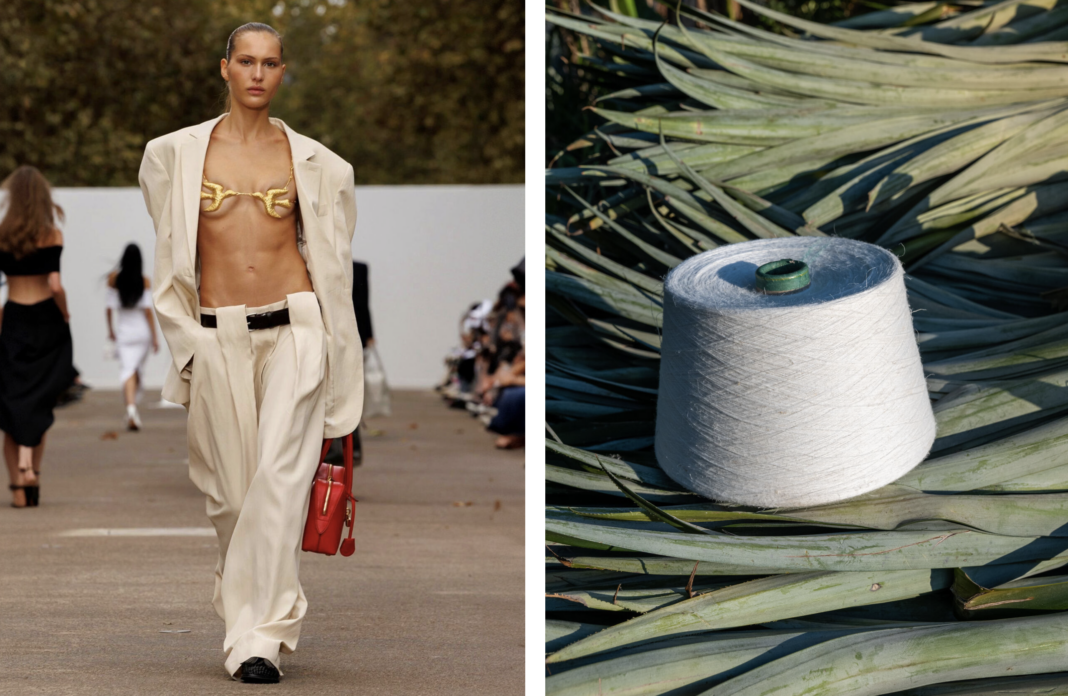
Sustainable wool by Stella McCartney

Stella McCartney is back at H&M, and the fashion world is swooning again. But behind the tailored jackets, cherry prints and recycled glass beads is a harder question: should we still trust wool when it comes wrapped in ethical language?

The new Stella McCartney x H&M collection is being sold as a sustainability story. Organic cotton, recycled metals, plant-based coatings and certified materials all appear in the marketing. It is thoughtful by fast-fashion standards. But then there is the wool.

According to data from tutoring marketplace Wiingy, while entire categories of white-collar work — from copywriting to entry-level software development — have shown sustained four-year declines in learner demand, craft-based industries like wool and fiber arts have remained largely insulated from the same pressure.

So who is going to be the next sheep farming and shearer? Who will rise up to be the next Stella McCartney.
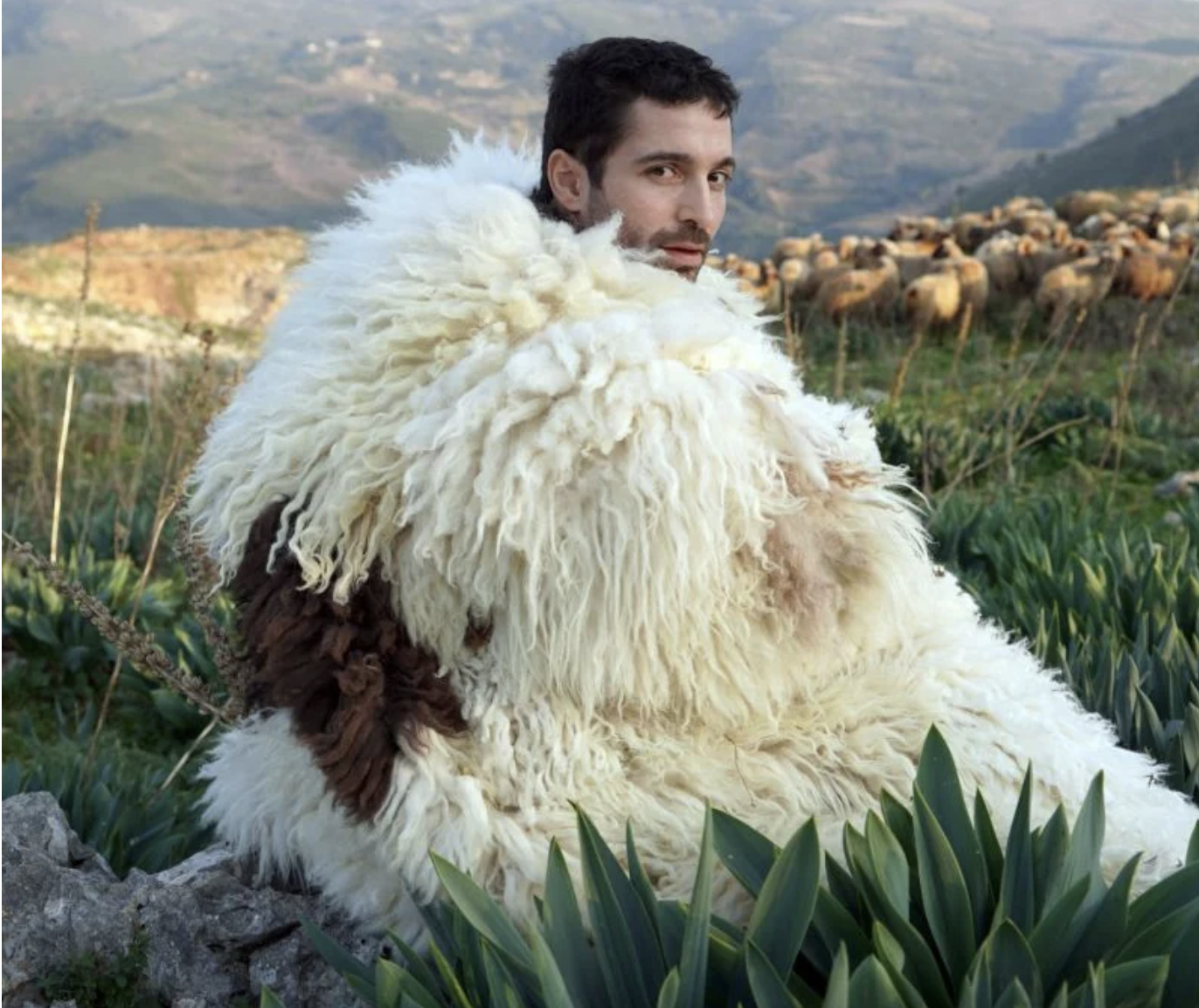
Adrian Pepe wearing sheep wool
Adrian Pepe wearing sheep wool in Lebanon

That makes wool fascinating right now. It is ancient, tactile and stubbornly physical. AI can write ad copy and generate fashion campaigns in seconds, but it cannot shear a sheep gently, sort fleece by touch, or spin fiber into yarn. Wool remains tied to animals, land and human hands.

But this is also where the romance gets complicated.

Several key pieces in the Stella McCartney x H&M collection — including the double-breasted blazer, matching trousers and wool car coat, are made with wool certified to the Responsible Wool Standard, or RWS. The standard is administered by Textile Exchange and is designed to verify animal welfare, land management and social responsibility.

On the surface, that sounds reassuring. Consumers see the certification and imagine sheep grazing peacefully under blue skies. But investigations suggest the reality can be much more troubling.

In reporting by Green Prophet, The New Zealand Merino Company, now known as Zentera, quietly removed the phrase “world’s leading ethical wool brand” from its website after an undercover investigation by PETA Asia-Pacific into farms within its certified supply chain. Zentera now describes its wool more cautiously as being “grown with care.”

PETA investigators say they documented shearers kicking, beating and roughly handling sheep on farms producing certified wool. Some animals were reportedly left with wounds stitched without pain relief. The findings have prompted renewed scrutiny of the wool industry’s ethical claims.

The problem is not limited to one company. Critics argue that many certification programs rely on announced audits, giving farms advance notice before inspectors arrive. Procedures such as tail docking and castration may still be allowed, and enforcement standards vary.

Even when certification improves conditions, it does not guarantee a cruelty-free product. Nor does it answer the broader environmental questions surrounding wool production, including methane emissions, land use and water consumption.

soft babaa sweater
Sweaters by Babaa use real, natural wool for a sweater than won’t shed microplastics to the environment or your body. They run a small business and it’s an ethics you can probably trust more than H&M

That does not mean every wool garment is unethical. Some farms undoubtedly treat animals better and manage land more responsibly than others. Certifications can help move the industry in the right direction. But they should not be treated as a final verdict.

Wool may be one of the rare industries that survives the AI age because it belongs to the body before it belongs to the market. It is touch, weather, grass, lanolin, sweat and skill. It carries the memory of shepherding and textile traditions thousands of years old.

Sheep Inc RFD chip
Sheep Inc sweaters come with a chip to trace your sheep who gave you its comfy wool

Yet wool is also a business, and businesses are skilled at storytelling.

The Stella McCartney x H&M collaboration is more than a fashion event. It is a test of whether sustainability labels still mean something in an era when consumers are increasingly skeptical and artificial intelligence is stripping value from so much knowledge work.

Read More

TRENDING

Regenerative Wool or Greenwashing? Zentera Responds to Critics

Zentera responds to questions about ZQ wool, animal welfare, regenerative farming, ethical fashion and the fallout from PETA's New Zealand investigation.

PETA pressures H&M to ban mohair again after new farm abuse investigation

Remember PETA? The group of animal activists that threw...

Pinatex bio-materials files for bankruptcy

Piñatex was among the earliest widely publicized plant-based leather alternatives and played a significant role in raising awareness of agricultural waste valorization within fashion supply chains.

Luxury meets the textile waste stream with Coach – Bank & Vogue

A new collaboration between luxury brand Coach and textile reuse pioneer Bank & Vogue attempts to stitch those two worlds together: high fashion and the global textile waste stream.

Seaweed fashion brands can source from Saudi Arabian sea

From Red Sea seaweed to runway-ready fabric, Saudi Arabia is quietly reshaping fashion’s material future. KAUST scientists, designers, and textile innovators are proving that sustainability can begin in local ecosystems. As seaweed becomes wearable, fashion is learning to grow not from fields — but from tides.

Yerukim Forms a New Green Economy Where the Money is Really Green

The Yerukim members who pick up the recyclables get to keep the monetary reward, the public earns "green" bills that can be used in shops, and business owners get to be associated with environmentalism.

Choosing Riyadh over Dubai? What Investors Should Know

Saudi Arabia is deploying capital at unmatched scale to catalyze tourism and advanced industry while rewiring its power-and-water backbone. The investable frontier is widening—especially in renewables, grid storage, water efficiency/desal retrofits, and hospitality operating platforms. Prudent investors will insist on phased delivery, enforceable KPIs (energy, water, biodiversity), and RHQ/zone compliance—while pricing political-economy and reputational risks alongside growth upside.

Sell your cooking oil for biodiesel money

Want to make money on old french fry oil? Sell it.

Qatar Alternative Energy Summit Pairs Investors And Innovators

Alternative energy investors and innovators can meet n' greet in Doha, Qatar March 16 and 17.

Here’s How To Implement The Four Pillars Of Employee Engagement

If you throw a party for your work team and they are vegans, don't make it a barbecue. Know the sustainability values of your team to boost moral and retain good people.

Locals From Rishon Fight IKEA

Big Box stores are a pretty new concept in Israel, and thank God that not every Israeli city wants them in their backyard. A word from someone who has see the beautiful farmland around her hometown Newmarket, Ontario stripped and converted into vulgar strip malls of big box shops: they have no place in a healthy and sustainable town or city.

The Jewish National Fund Meets An Inconvenient Truth

According to the JNF, it has transformed thousands of acres of barren land into green forests in Israel. They state that each person emits about 23 tons of carbon per year, estimating that each tree planted can absorb one ton of carbon in its lifetime. That's a whole lot of trees you'd need to be planting. Could so many fit in Israel?

How to quiet noise from construction in your office

Streets need to be resurfaced in New York but the humming and grinding noise is unsettling. Noise is environmental pollution. 

Popular Categories