
Some historians might describe Israel as being caught in a forever war in Lebanon. What will that means for lands of northern Israel and southern Lebanon? The terrorist organization Hezbollah has been continually attacking the north and Israel has been waging a dedicated counter attack into Lebanon. Caught between the IDF and Hezbollah, both Israelis and Lebanese face displacement from their homes, disruption of their lives, and destruction.
Related: a green jihad – when Nasrallah told the Hezbollah to plant trees at the border
Rockets and drones from Hezbollah, tunnels dug towards Israel, tunnels dug into Lebanon and under houses and Lebanon filled with weaponry, even trees planted to provide cover. In response, there have been incendiary attacks flung using medieval trebuchets constructed by IDF soldiers with math, physics, and time to spare. The IDF has had no choice except to target both homes and underground tunnels in order to prevent attacks being staged from them.
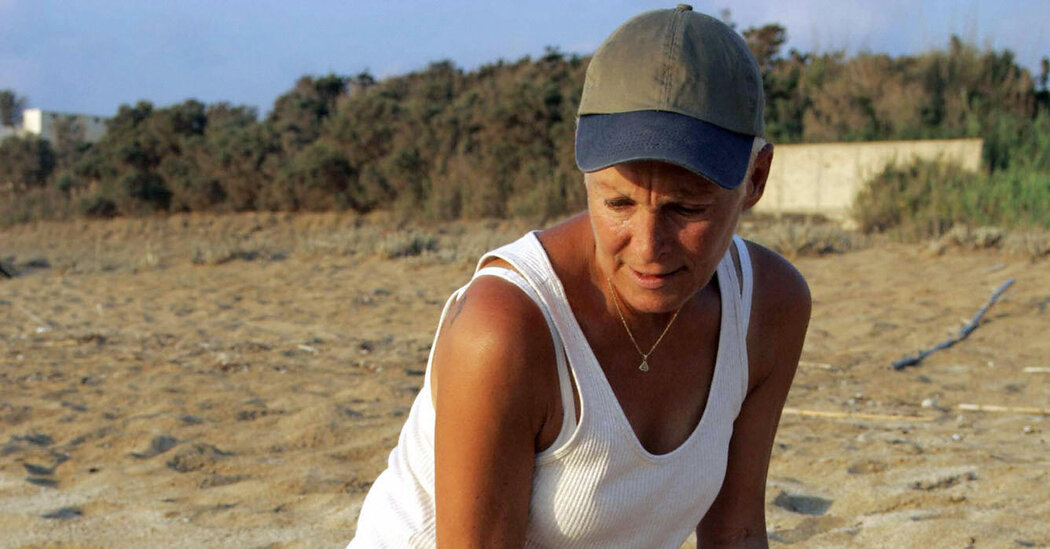
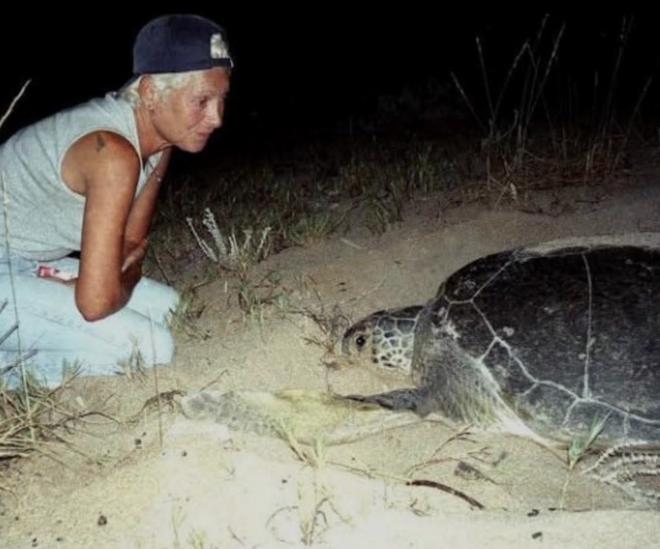
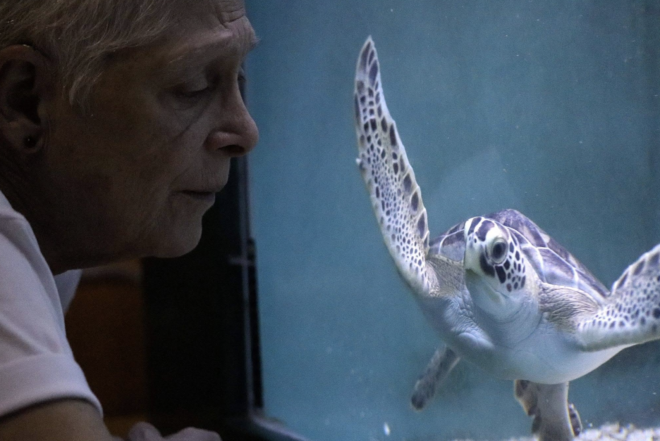
Environmentalists have gotten caught in the crossfire, with turtle conservationist Mona Khalil being killed in a recent strike on the area of Mansouri, her home village just south of the city of Tyre.
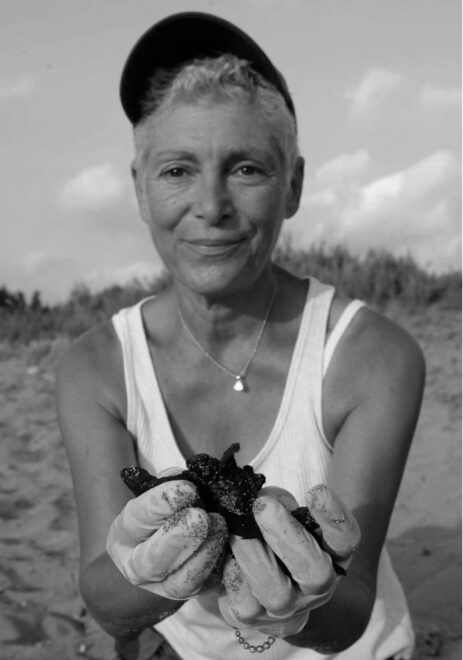
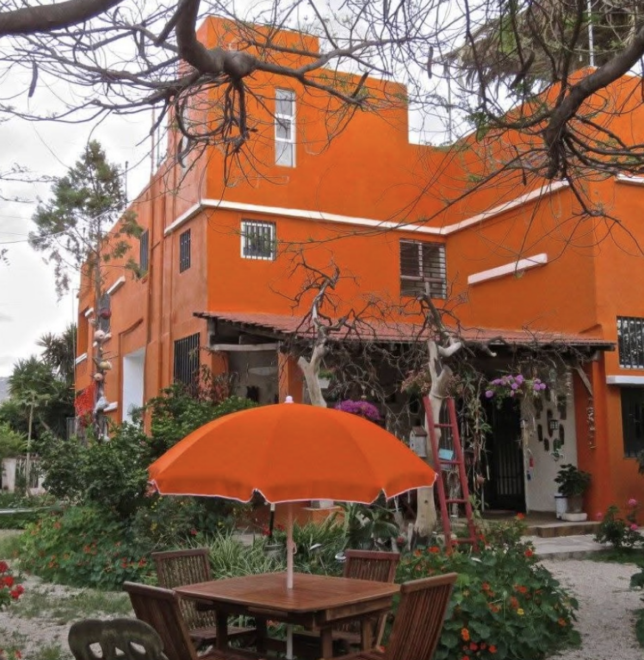
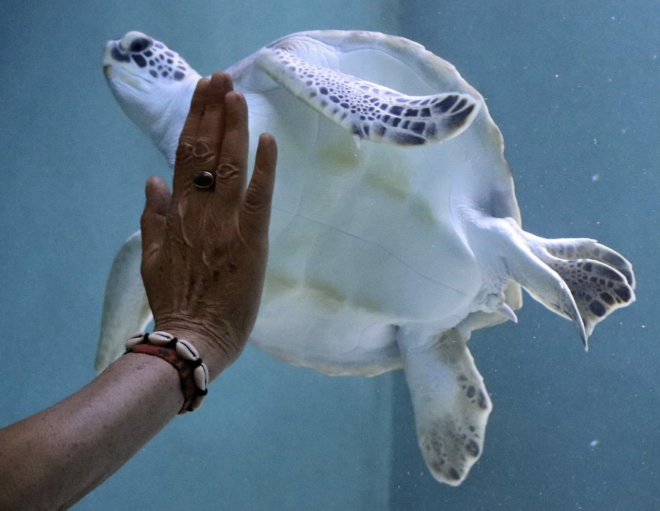
She founded the Orange House Project with her partner Habiba Khalil, an ecotourism bed and breakfast that the couple used to help monitor and protect green turtles and loggerhead turtles. She created a niche that even the local Hezbollah government had to respect.
Related: Meet Mona’s Israeli counterpart Yaniv Levy who discusses the impacts of war on sea turtles
Though there are increasing calls for a stop to fighting in Lebanon, that seems unlikely as of yet. Perhaps out of “davka”/spite in response, the defense minister of Israel has called for what may remain a miles-wide buffer zone within Lebanon in order to make it more difficult for Hezbollah to attack northern Israel. As extreme a solution as that might be, it’s undeniable that war has made life in the area increasingly unlivable since the 1982 war in Lebanon that cost all parties dearly.
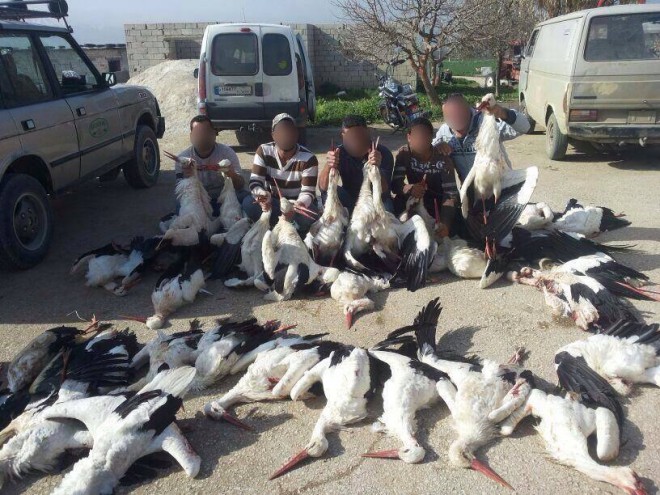
Birds have also been impacted according to the Society for the Protection of Nature in Lebanon with raptors moving north and towards the Bekaa Valley that the Alma Research & Education Center has identified as a major Hezbollah logistics center with a full military infrastructure and long-range weaponry. Owls have been impacted, and the crane population has been drastically impacted. Poaching remains a problem as neither Lebanon, Hezbollah, or the UN Peacekeeping mission has stopped it.
Related: Dynamite fishing in Lebanon
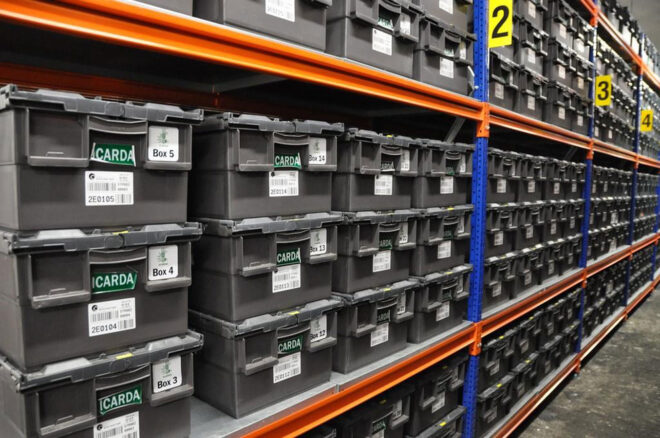
Also in the Bekaa Valley is home to the International Center for Agricultural Research in the Dry Areas (ICARDA), which had been relocated from Syria in 2012 due to the civil war. By colocating with ICARDA in the Bekaa Valley, Hezbollah endangers scientists doing biodiversity work and the seeds banked at ICARDA in addition to the wildlife taking refuge in the valley due to the war. Intergenerational knowledge is also in danger of being lost forever.
Even with the possibility of a ceasefire, the prolonged use of greenwashing and using civilians as cover only deepens the likelihood of ecological harm. In peace time a lack of environmental responsibility means poachers, overfishing, and even tourism will continue to threaten flora and fauna in Lebanon.
In Northern Israel, the Society for the Protection of Nature in Israel (SPNI) has been assessing the heavy damage in the Golan, Hula Valley, Galilee Panhandle, Upper Galilee, and Western Galilee. Both the attacks on Northern Israel and the IDF’s response have damaged delicate wetlands and the wildlife corridors that animals depend on.
Any end to an endless war also needs to end the exploitation of the land and life on it, otherwise the war hasn’t ended so much as turned against the very ecosystem that sustains us all regardless of nationality or ideology.