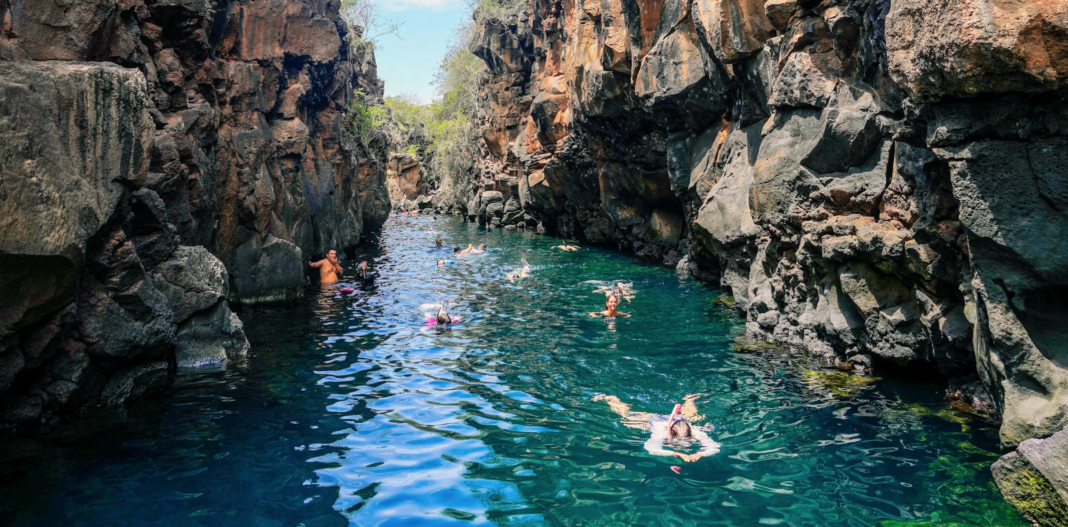

The Galápagos Islands, located about 800 miles off the coast of Ecuador in the Pacific Ocean, are globally renowned as a UNESCO World Heritage Site and for their extraordinary yet fragile biodiversity, shaped by ocean currents and their isolation from the South American mainland. They are outposts of evolution, like the Seychelles Islands, and the Aldabra Atoll specifically.
A new study has found evidence of marine pollution around the Galápagos Islands, even in protected areas far from human activity. This means offenders are polluting without being caught, or pollution is drifting to the world’s most fragile places.
In recent years the islands have faced increasing pressure from human activity, threatening their unique ecosystems. While marine pollution has become a growing global concern, scientists knew little about the presence and distribution of pollutants within the islands’ protected marine environments, which are considered largely pristine because of their limited human presence.
Related: Is Qatar paying UNESCO to turn a blind eye to Seychelles development
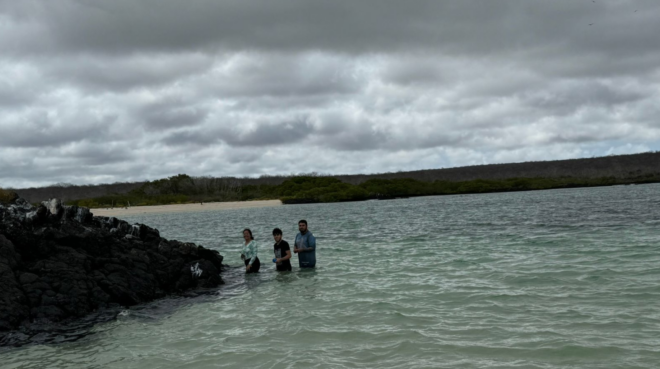
Water samples were collected from six sites influenced by ports, tourism, and other human activities, as well as four protected “pristine” sites closed to tourism and human access.
Using chemical analyses researchers identified a wide range of man-made contaminants, including petroleum-derived hydrocarbons, pharmaceuticals, personal care products such as sunscreen, pesticides, industrial chemicals such as plasticizers and flame retardants, synthetic hormones from pharmaceuticals, and UV filters commonly found in cosmetics. These pollutants were detected at concentrations ranging from 1 to 100 ppm.
Related: This sunscreen feeds coral reefs
Perhaps most strikingly, the researchers detected the UV filter 4-MBC (4-methylbenzylidene camphor) at two pristine sites with no direct human activity. Its presence suggests that ocean currents are transporting pollutants far beyond their original sources.
Previous research has shown that pharmaceutical compounds accumulate in marine organisms such as shellfish and reef-building corals. Other studies have demonstrated that UV-filter chemicals can disrupt hormone systems in wildlife, affecting reproduction, growth, and metabolism.
Although many marine ecosystems are naturally resilient, these contaminants are capable of spreading across great distances, from coastal sediments to the open ocean—posing a significant threat to marine life.
“There is an urgent need for monitoring and strategic management of this iconic region,” warns Ariel Kushmaro, a researcher in the study from Ben Gurion University. The findings were published in the journal Regional Studies in Marine Science.
Poor wastewater treatment, inadequate solid waste management, and direct discharge of untreated sewage into coastal waters contribute to the release of toxic compounds into the marine environment, the researchers note.
Ocean currents then carry dissolved chemicals and plastic waste from distant locations, including the South American mainland. Large industrial fishing fleets operating near the marine reserve add further environmental pressure through chemical pollution and plastic debris.
“These substances—including pharmaceuticals, antibiotics, and personal care products such as those identified in our study—are known for their persistence and their potential to bioaccumulate. They can undergo complex transformations that may further increase their toxicity in marine ecosystems,” said Kushmaro.
Earlier studies in the Galápagos have already documented the accumulation of heavy metals such as mercury and cadmium in commercially important fish species, with some exceeding the maximum concentrations considered safe for human consumption. The discovery of synthetic chemical pollutants in areas without known sources of contamination raises additional concerns because of their potential toxicity to aquatic wildlife.
“The international community must unite to help protect the Galápagos Islands,” concluded Dr. Valeria Ochoa-Herrera of Universidad San Francisco de Quito. “Beyond their extraordinary biological and scenic value, the health of these ecosystems has implications for the entire planet.”