
Every successful rental property relies on strong cash flow. When you generate consistent income, you have more flexibility to cover expenses, pay for repairs, and expand your portfolio. The good news is you don’t need to perform major renovations to improve your cash flow. In many cases, small changes in how you operate and advertise your home can increase revenue and reduce your costs. The following strategies can help.
- Partner with a professional property manager
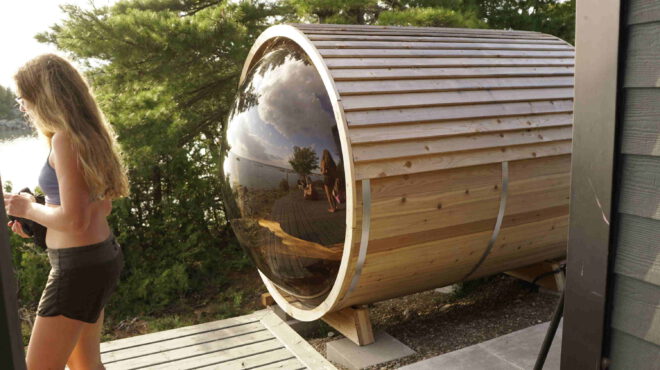
An experienced property manager can help you improve your cash flow by keeping vacancies low, streamlining operations, and handling business efficiently. A property manager will understand the local market and fill empty units fast. The less time your property sits vacant, the more money you keep. The same property manager can boast about your sustainable add-ons such as energy efficient appliances, and solar panels that heat the hot tub.
Property managers implement effective rent collection strategies that encourage on-time payments and protect your cash flow. Most use automated systems that allow tenants to pay rent online for convenience. And your property manager can advise you on the easiest platforms to use.
One of the ways property managers keep vacancy rates low is through monitoring lease expirations and starting renewal conversations early. This helps keep units occupied and revenue flowing no matter if you are renting short term or longer.
Where maintenance is concerned, property managers maintain relationships with local vendors and contractors. A leaky boiler? A sauna that doesn’t reach full heat capacity? This makes it easier to schedule appointments before small issues turn into big problems.
- Review rental rates regularly
Many landlords get stuck in the trap of charging below-market rent so they don’t have to deal with tenants who may be hard to handle. This is an easy way to lose money. By staying on top of local pricing trends, you’ll keep your rents competitive while protecting your income.
Check out comparable properties in the area to verify current market conditions before pricing your property. If you need to increase the rent to match the current market, make small, predictable increases over time rather than throwing out a large increase at once.
If there’s a strong demand in your area, that might support higher rent or shorter rental terms. However, make sure your pricing reflects the value you provide before setting higher prices. You might want to make upgrades that improve tenant comfort and convenience before implementing a higher rental rate.
- Reduce vacancies
Vacancies are the biggest threat to your cash flow. Every day a unit sits empty is lost revenue you’ll never get back. While you can’t avoid all vacancies, you can limit their duration by advertising units as soon as you know the current tenant is moving out. The average turnover can eliminate weeks of income, assuming you are renting for months or ideally years, so prioritizing vacancy reduction is one of the most effective ways to protect your cash flow.
- Prioritize tenant retention
Keeping your best tenants will cost less than finding new ones. The easiest way to keep your tenants is to be a good landlord. Respond fast to maintenance requests and get repairs done quickly and professionally. A tenant who feels taken care of is more likely to renew their lease.

Other ways to improve tenant retention include communicating clearly, being responsive to concerns, and offering incentives for lease renewals. It costs less to give someone a discount on rent for renewing their lease than it does to market and re-rent a vacant property.
If your property is pet-friendly, consider building a small fenced-in area for off-leash play and adding dog waste bag stations with trash cans around the property for convenience.
Making life easy and convenient is the ultimate way to make tenants happy. Some people see their pets as family. I have said no to rental properties because I saw right away it would not work with my dog who would need a fenced in yard. If you have a gated community with an entrance gate that requires a magnetic FOB, make it accessible to cars of all heights without forcing tenants to open their doors to reach the magnetic pad.
5. Control your operating expenses
It’s important to increase revenue, but reducing your expenses can also positively impact your cash flow. Start by comparing fees from service providers you use regularly. You might be able to get the same level of service for a little less money. Over time, that can mean significant savings.
Performing regular inspections is another way to identify issues while they’re still small and avoid costly repairs. Every amount you can save counts toward a more substantial overall improvement in cash flow. Working with local people is also good for the community. They might be around to do small favors as well, if an issue pops up in the middle of the night or during a holiday.
- Add more revenue streams
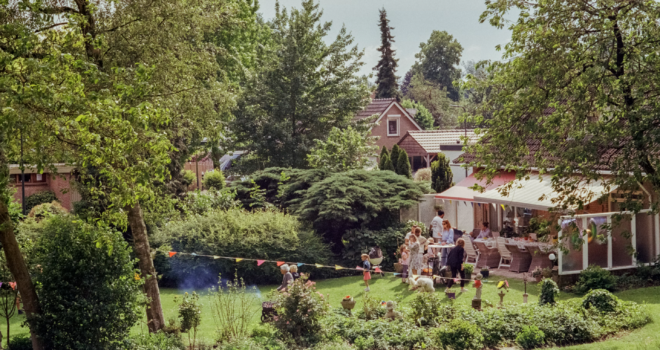
You might have some untapped potential for earning extra income from your property. For example, offering dedicated parking spaces can create more monthly revenue for tenants who want convenience. Many apartment complexes add garages that can also double as storage units for tenants who want a secure place to store their car or keep their belongings nearby. Some homes are able to be rented for events such as weddings and parties. Check your local bylaws.
If you own an apartment complex with several units and don’t offer in-unit washers and dryers, adding a laundry room can generate additional income with a minimal upfront investment. It also makes the renters happy.
Build stronger cash flow for long-term success
Improving your cash flow involves increasing revenue and managing expenses. By applying the tips outlined in this article, you can strengthen your property’s financial performance and create reliable cash flow that supports your long-term growth.