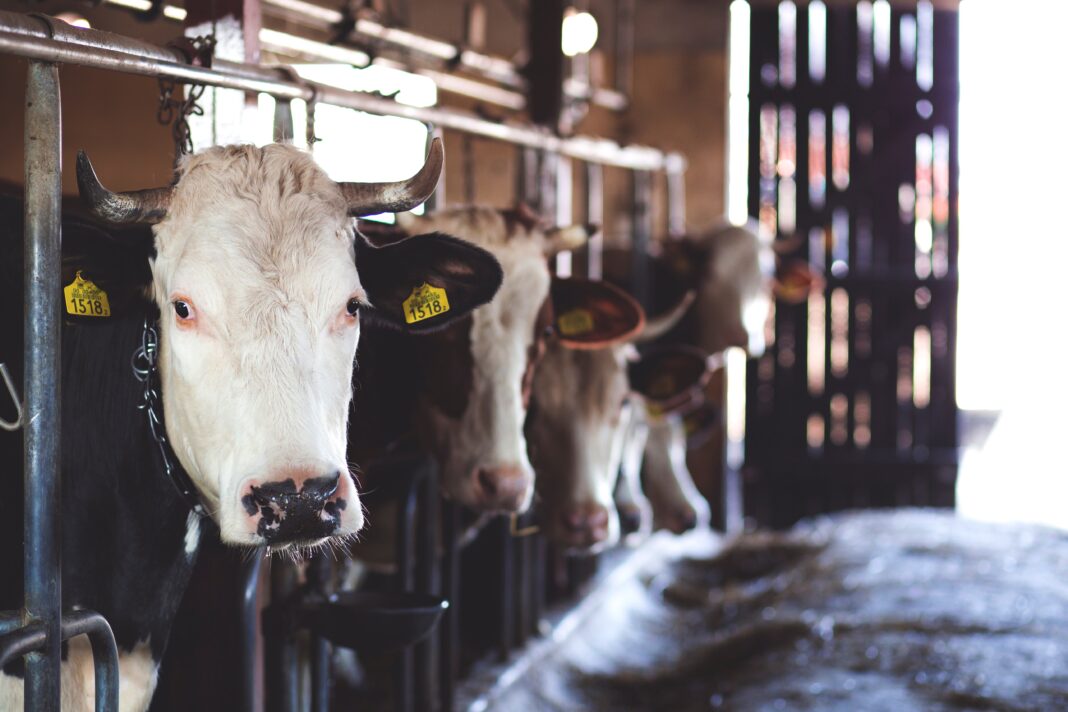
International companies including BP, TotalEnergies, Eni, PetroChina, CNPC, ExxonMobil, Shell and Lukoil are participants in developing Iraq’s petroleum sector alongside Iraq’s state-owned oil companies.
A video shared by Iraqi academic Jasim Al-Mashhadani (@jasim.alhasimi) shows oil entering the Tigris River, one of the world’s most historically significant waterways. Al-Mashhadani said the footage was captured by one of his students studying petroleum refining and used the incident to highlight the importance of rapid environmental response. We already reported how oil pollution in Iraq’a city of Basrah is 1200% higher than what it should be. And that children are dying from cancer at unprecedented rates.
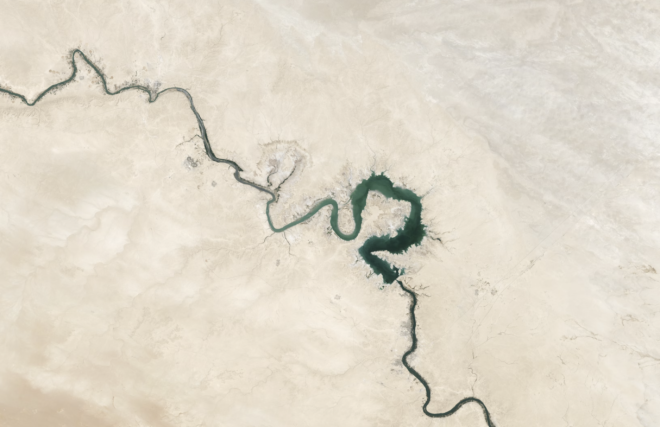
In his post, Al-Mashhadani noted that several technologies are routinely used worldwide to contain oil spills in rivers and lakes, including floating oil booms, skimmers, sorbent materials, bioremediation using microorganisms, and chemical dispersants. The effectiveness of these methods, he wrote, depends largely on how quickly authorities respond, the type of oil involved, water conditions and whether the necessary equipment is available. We are asking how did the oil get there in the first place?
Are these technologies available in Iraq, and are they being deployed effectively?
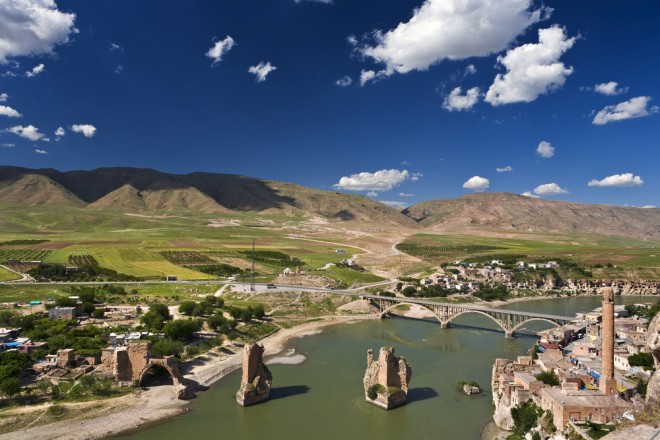
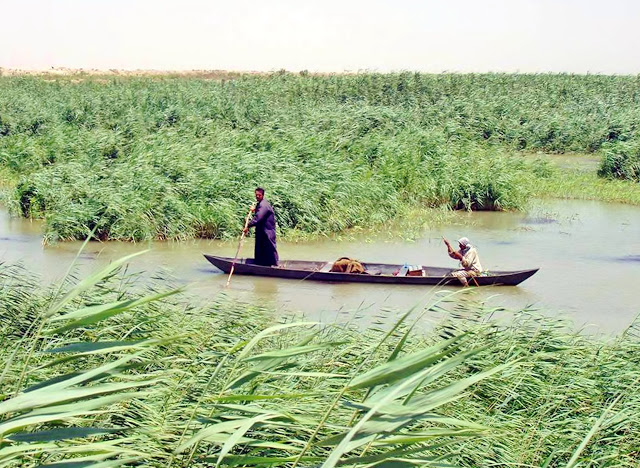
The Tigris is not simply another river. Rising in Turkey and flowing through Iraq before joining the Euphrates, it has supported human civilization for thousands of years. Iraq, once ancient Mesopotamia, often described as the cradle of civilization, developed between these rivers. Today the Tigris remains a critical source of drinking water, irrigation and fisheries for millions of Iraqis.

Iraq is one of the world’s largest oil producers, with production concentrated around the giant oil fields of southern Iraq. International companies operating there include BP, TotalEnergies, Eni, PetroChina, CNPC, ExxonMobil, Shell and Lukoil which have all participated in developing Iraq’s petroleum sector alongside Iraq’s state-owned oil companies. They have also contributed to the extreme rates of leukemia now being reported anecdotally around areas such as Basrah. My contact in Iraq says she can’t give her real name or report this to the authorities as it could endanger her work and her life.
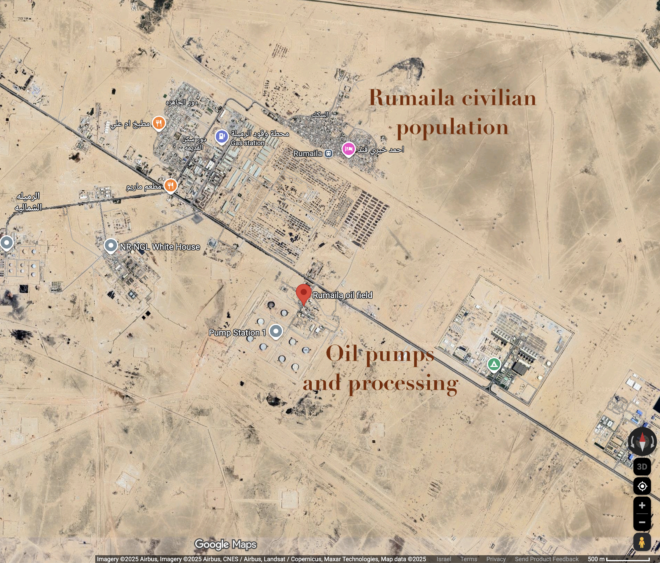
Now that oil is flowing freely again oil exports generate the overwhelming majority of Iraq’s government revenue (over $100 Billion annually), environmental groups of which there are few there, have repeatedly called for stronger monitoring of spills, wastewater discharges and industrial pollution associated with oil production and transport. They are more or less powerless as oil companies extract and pollute on repeat.
My source there says that companies such as BP and Exxon only move senior Western executives to the Basrah area only after they are near retirement age due to the liability issue of exposing them to high levels of petrochemicals. She has documents and sources to prove.
Not every oil slick originates from a producing oil field, we should note. Spills can result from pipeline accidents and sabotage, transport accidents, illegal dumping, refinery operations or other industrial activity. Determining responsibility requires investigation. In 2014 for instance, a massive oil spill in Israel caused extensive damage in the Negev. In Israel locals are allowed to report on it, fight against it in the courts and speak to the media. In oil producing nations such as Iraq, Iran, Saudi Arabia, Kuwait, locals and workers at these sites are not allowed to speak with the media.
When released hydrocarbons entering freshwater systems can threaten aquatic ecosystems, drinking water supplies and agriculture if not rapidly contained.
Continuing concern in Basra
This is not the first time Green Prophet has examined Iraq’s environmental challenges.
In 2025, Green Prophet reported on concerns raised by physicians, researchers and residents in Basra regarding pollution, oil production and increasing rates of cancer and leukemia. Although researchers continue to study the causes of these illnesses, Basra has become one of the regions most frequently cited in discussions about environmental health impacts associated with decades of intensive oil development, industrial pollution and water contamination.
Since publishing that story, Green Prophet has remained in contact with an environmental activist in Basra who operates a local environmental NGO. For her safety, we are withholding her identity because she fears repercussions for speaking publicly about environmental conditions.
Last month she shared a personal update.
“If you remember the person we spoke about who had leukemia when we were in Istanbul, he passed away after two weeks,” she wrote.
She was referring to her cousi, and told me that 50% of her cousins in Iraq have cancer.
Personal accounts such as hers illustrate why many Iraqi families continue to seek greater transparency regarding pollution and public health. If we want our government to stop selling plastic plates or straws, it makes no sense when kids are dying at the source, in Basra.
Protecting the Tigris River, and its people, animals and plants, requires rapid reporting, transparent investigations, effective spill response and continued investment in environmental monitoring. For a river that has sustained civilizations for millennia, preventing pollution remains as important today as ever.