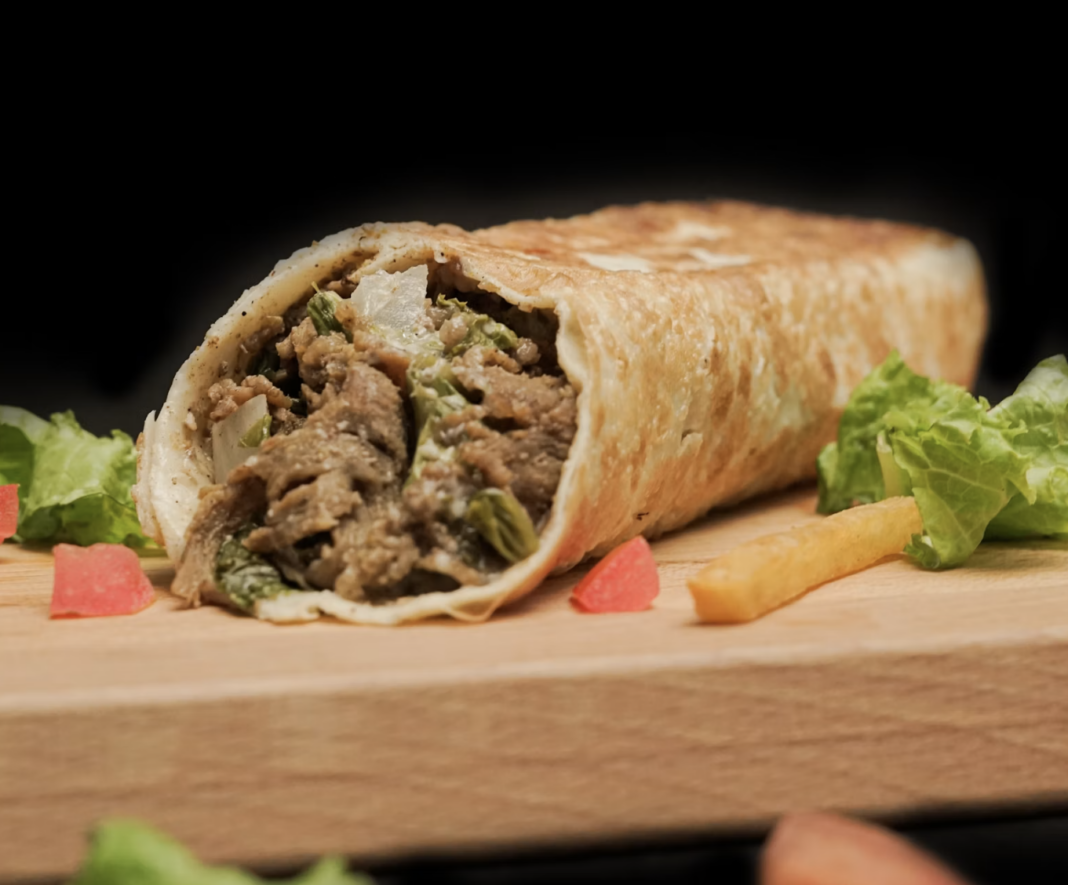

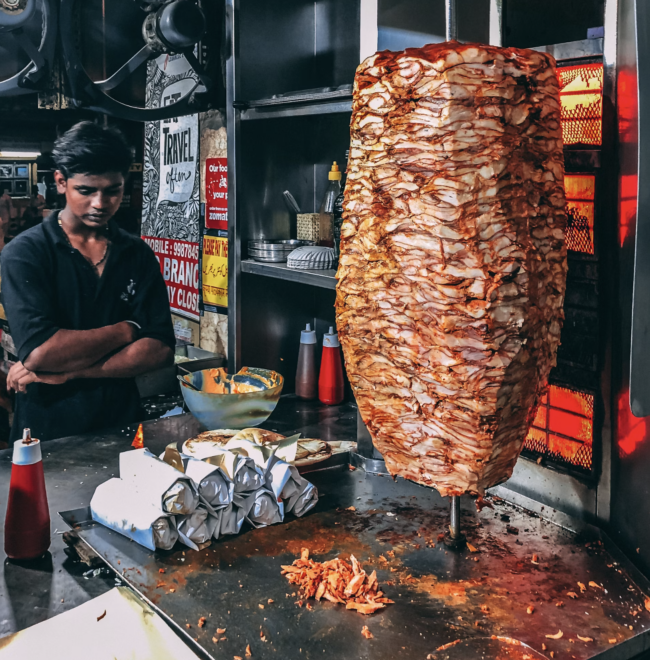
Shawarma is one of the world’s greatest street foods. Whether you are grabbing a late-night chicken shawarma in Berlin (you can also make it vegan!), a lamb wrap in Amman, or a beef shawarma sandwich in Toronto, the experience is nearly universal: fresh meat shaved from a rotating spit, sheep tail fat on top drizzling down, vegetables, tahini, pickles and warm pita wrapped tightly in paper and handed over with a smile.
But what if that plastic wrapper is adding an ingredient you never ordered? Scientists and environmental advocates are increasingly concerned about chemicals and microplastics that can migrate from food packaging into the food we eat. Microplastics are in orthodontics aligners, toothbrushes, bubble gum, plastic bottles and drinking water.
Shawarma like many kids of street meat, is often served hot, greasy and wrapped tightly for convenience in plastic so it doesn’t drip and it is one of the foods most exposed to this problem.
The concern centers on PFAS, sometimes called “forever chemicals.” They are leaking out of yoga pants and are probably being served with every burger and shwarma you consume. Looks like plastic but is moisture resistant? You are probably eating PFASs.
These substances have been used for decades to make paper and cardboard resistant to grease and moisture. They are found in most fast-food wrappers, takeout containers and food packaging around the world. Because they break down very slowly, PFAS can accumulate in the environment and potentially in the human body.
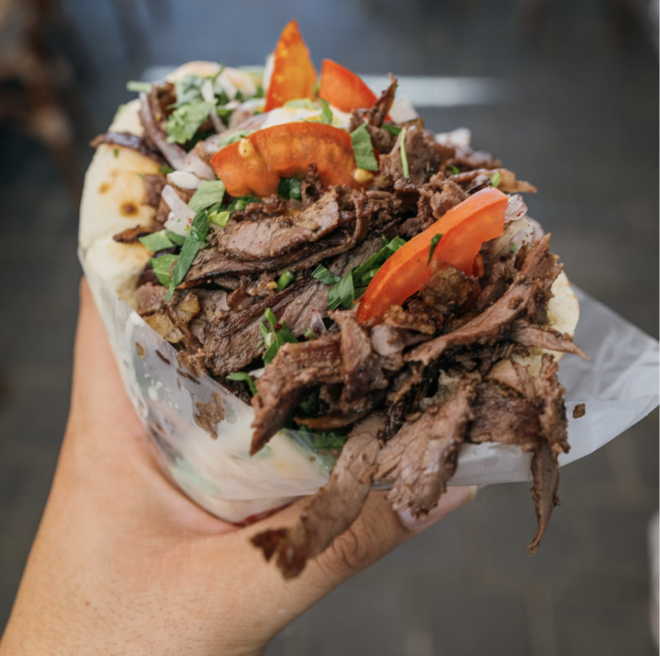
When hot, oily food comes into contact with treated paper, there is concern that some of these chemicals can migrate into the meal itself. Researchers have found PFAS contamination in a variety of food packaging materials, prompting regulators in several countries and U.S. states to restrict their use. If you know how to read technical reports start here (links to the FDA).
Then there is the growing issue of microplastics. Tiny plastic particles have now been detected in human blood, placentas, lungs, hearts and reproductive organs. Scientists are still working to understand the long-term health impacts, but the evidence suggests that food packaging, synthetic clothing such as Lululemon yoga pants and plastic bottles are among the major sources of exposure.

Shawarma itself is not the problem. We repeat – eat it, but only modestly as meat contributes to climate woes and climate anxiety. Read the story on Weston Higginbotham. The ingredients in shawarma are often simple and wholesome, and we make it at home sometimes for our boy who loves meat. The problem may be the disposable culture that surrounds modern fast food.
A traditional shawarma meal served on a ceramic plate with metal cutlery generates almost no packaging waste. A takeaway shawarma can involve a grease-resistant wrapper, plastic bag, plastic fork, plastic cup and plastic lid. Multiply that by millions of meals served every day across the Middle East, Europe and North America, and the environmental footprint becomes difficult to ignore.
Consumers who want to reduce exposure can take simple steps. Eat in and ask for a plate, rather than taking food away when possible. Bring a reusable container for takeaway orders. Support restaurants that use PFAS-free packaging and compostable materials.
And want a recipe for a great shawarma you can make at home?
Ingredients
2 pounds of chicken or turkey
50 to 100 grams of sheep tail fait (or beef fat)
1 teaspoon of cinammon
3 tablespoons of shawarma spice (see below for recipe)
3 tablespoons of olive oil
Salt and pepper to taste
Marinate turkey or chicken in the fridge with spices for an hour or overnight if possible. If you don’t have time, that works too. Chop up the chicken or turkey in strips or cutlets and layer all together in a loaf tin. You want the meat to be about 2 inches thick as it goes it. Add the aliya sheep tail fat on top. Bake uncovered for about 30 minutes to 40 minutes at 400 degrees F. Remove from over and let sit for 15 minutes before slicing in thin as you can shavings. Serve in pita with tehini (link to recipe).
Shawarma Spice Mix
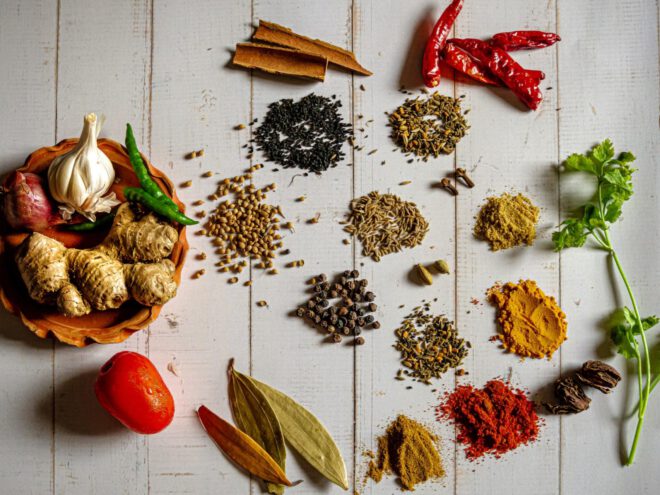
Mix it up and seal in a dark jar for later use.
1/4 tsp cardamom (or cloves)
1 tsp ground coriander
1 1/2 tsp ground turmeric
1/2 tsp ground ginger
2 tsp smoked paprika
2 Tbsp ground cumin
1/8 tsp cayenne pepper