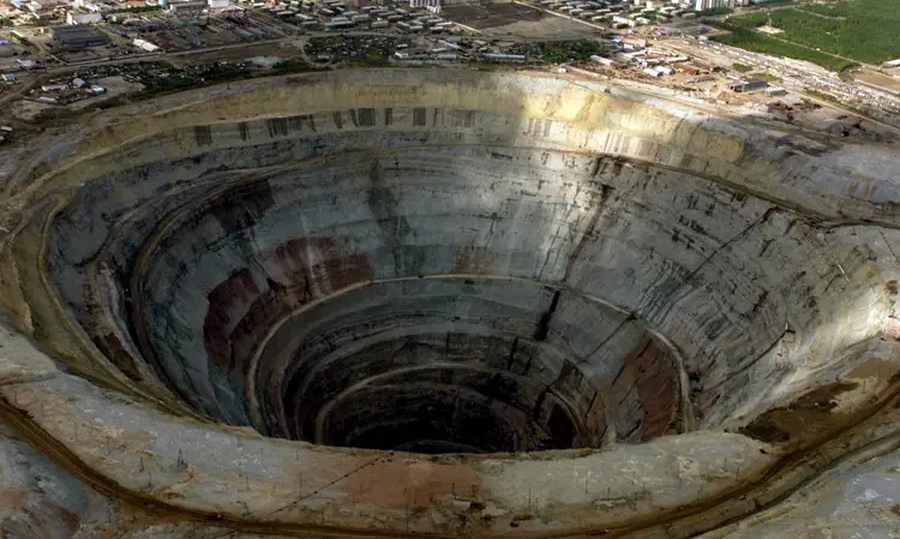

Does Russia need new oil projects? Their government certainly seems to think so and they are planning a “superdeep” drilling expedition in the Arctic driven by a theory that is generally rejected.
The abiogenic petroleum origin hypothesis, also called the abiotic oil theory, is the idea that oil and natural gas are formed deep within the Earth’s mantle through non-biological chemical processes, rather than from the remains of ancient plants, algae, and microorganisms.
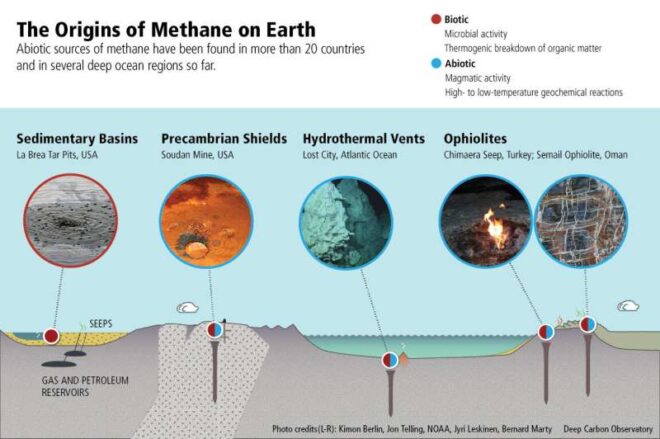
Despite the abiogenic petroleum origin hypothesis widely being rejected in favor of biogenic processes, Russia intends to spend money and cause environmental harm while likely accomplishing nothing.
This inability to adapt reflects the same mindset as Russia’s continuing dedication to invading Ukraine despite growing evidence that Ukraine will succeed in evicting the Russian invasion. Russia’s invasion has caused an incredible amount of damage to the lands, flora, and fauna of Ukraine in addition to the harm it causes humans, infrastructure, and the economy. The mass deployment of fiber optic drones threatens environmental harm potentially including, “potential release of microplastics from degraded cables, contamination from hazardous chemicals such as PFAS, risks to wildlife from physical entanglement” according to the British Ornithologists’ Union.
Russia has cause for concern, since 1991 its population has declined by about four million people from 149.4 million to 145.4 million in 2023. By 2025 the Russian population had declined even further to 143.9 million with the fertility rate declining from 1.8 in 2015 to 1.5 in 2025, well below the minimum replacement rate of 2.1 that is necessary to avoid population decline. The war continues to deplete the Russian population further, despite Russian officials trying very hard to increase the fertility rate that Russians officially pegged at 1.41 in late 2025, similar to EU rates.
The United States and world are in no danger of peak oil, the fringe belief that oil production would peak and lead to a decline where we’d be living in a Mad Max movie unless we transitioned to environmental utopianism. Russia might hit a peak due to its own inability to sustain oil production, especially as Ukrainian drone strikes create fuel shortages within Russia itself.
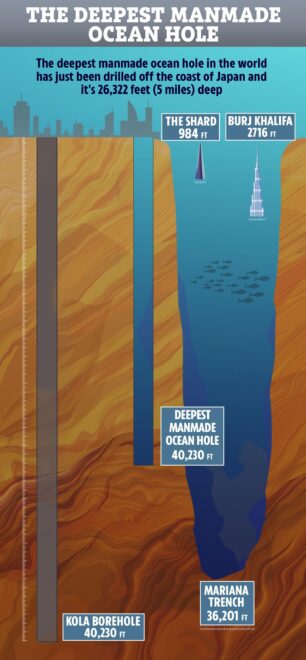
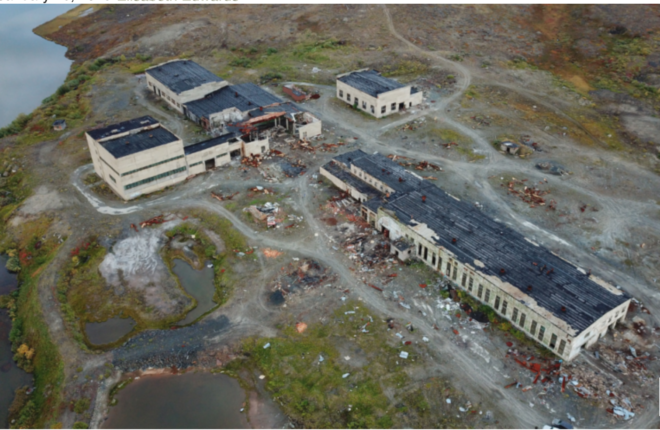
It’s possible that Russia may run out of money to drill before finishing the project, just as they did with the Kola Superdeep Borehole project in the 1980s. Deeper than the Mariana Trench, Russians believed they could reach Earth’s mantle to tap into its endless heat, estimated to be about as hot as the sun.
The question of abiotic oil becomes moot when the reality is that not only is there oil in excess, renewable energy is stronger than ever and the Iran War only incentivized further investments in renewables, especially as part of China’s ongoing strategy, cashing in after the US absence at COP30.
Related: China and Russia building nuclear power plant on the moon
Even if Russia manages to drill deep enough, even if it hits oil, it’s questionable that it will be able to restore China’s confidence since China has already begun building an alternative Caspian rail route to bypass Russia and the Gulf. As Russian influence and power projection in Africa shrinks, China’s need for critical minerals to fuel its renewable energy dominance grows, creating projects more likely to yield what Russia’s outdated efforts lack the ability to do in a country rapidly losing its fertility and just as rapidly embracing a chauvinistic doomsday mindset whose LARPing at success and virility belie the collapse of a Russian gilded age.