

A new study from the Icahn School of Medicine at Mount Sinai in New York offers a striking insight into how the environments we are born into can quietly shape our brains years later. By analyzing naturally shed baby teeth, the ones tucked under pillows for the tooth fairy, researchers have reconstructed a detailed timeline of exposure to environmental metals during pregnancy and early infancy. What they found reads like a forensic map of vulnerability.
The study, published in Science Advances, followed children from the PROGRESS birth cohort in Mexico City, tracking them from the womb into adolescence. Using a laser-based technique, scientists were able to read the chemical composition of baby teeth much like tree rings: each layer revealing exposure to metals such as lead, manganese, zinc, and magnesium at specific developmental stages.
This approach allowed researchers to pinpoint not just what children were exposed to, but when, and timing, it turns out, is everything.
Two critical windows emerged as especially sensitive: the first between weeks 4 and 8 after birth, and the second between weeks 32 and 42. During these narrow periods, higher exposure to metal mixtures correlated with measurable differences in later brain structure, connectivity, and behavior.
Adolescents who had higher exposures during these windows showed increased symptoms linked to anxiety, attention challenges, and mood disorders.
Many of the metals studied—such as manganese, zinc, magnesium, and lead—are commonly encountered through food, drinking water, and the built environment.
“This study shows that when exposure happens matters just as much as what the exposure is,” said senior author Megan K. Horton, PhD, MPH, Professor, Environmental Medicine, Icahn School of Medicine at Mount Sinai. “Our findings shift prevention from broad early-life exposure concerns to protecting children during specific high-risk windows.”
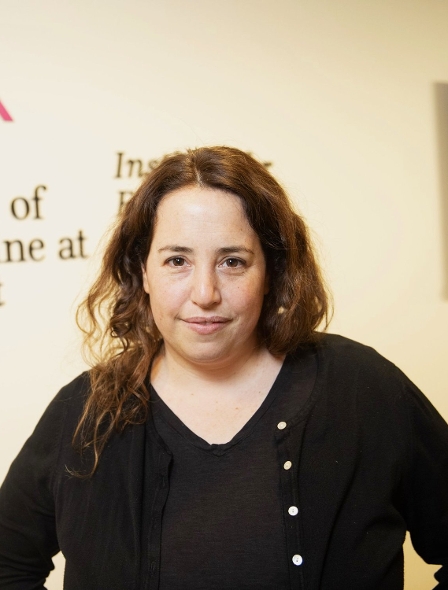
Lead author Elza Rechtman, PhD, Assistant Professor, Environmental Medicine, Icahn School of Medicine at Mount Sinai, emphasized the broader environmental significance: “What surprised us most was how precisely these vulnerable windows emerged. Exposures occurring during just a few critical weeks—especially in early infancy—were linked to measurable differences in brain structure, connectivity, and behavior more than a decade later. These findings highlight how environmental policies that reduce metal exposure during pregnancy and infancy could have lifelong benefits for brain health.”
“The results suggest that environmental regulations and public health policies may need to focus more specifically on protecting pregnant people and infants from metal exposure in food, water, and housing,” added Dr. Arora.
This isn’t about a single toxin causing harm, the researchers note. Instead, it’s about a complex cocktail of everyday exposures: heavy metals found in food such as fish, water, and pesticides from the urban environments interacting with a developing brain at precisely the wrong moment. About 4% of children in the study showed behavioral scores in the clinical range, suggesting real-world implications for mental health.

Brain imaging backed this up. MRI scans revealed that early exposure was linked to changes in how different brain regions communicate, subtly rewiring that may only become visible years later in behavior or emotional regulation.
For researchers, this marks a shift toward what they call “precision environmental health.” Instead of broadly warning about early-life exposure, the goal is now to identify, and protect, the specific developmental windows when the brain is most at risk. It’s a more targeted, and potentially more actionable, way to think about prevention.

The researchers noted that simple steps that may help reduce exposure include:
- Ensuring safe drinking water
- Careful food preparation and sourcing
- Reducing exposure to known environmental metal sources
The implications ripple outward. For families, it reinforces the importance of reducing exposure to contaminants in water, food, and housing, especially during pregnancy and infancy. For clinicians, it suggests that environmental history should be part of how we understand long-term mental health risks. And for policymakers, it raises a sharper question: are current environmental regulations precise enough to protect the most vulnerable moments of human development?
In a warming, industrialized world where environmental exposures are shifting, this kind of research feels necessary. The idea that a few weeks of exposure early in life could echo across a decade reframes how we think about both risk and responsibility. How we help reduce exposure to toxins is another story.
A brief history: Mount Sinai as a Jewish hospital
Mount Sinai Hospital in New York was founded in 1852 by members of the city’s German Jewish community as the “Jews’ Hospital,” created to serve Jewish immigrants who often faced discrimination in existing medical institutions. It quickly became a center not only for care but for medical training and innovation, open to all regardless of background. Over time, it expanded into one of the leading academic medical centers in the United States, shedding its sectarian name but retaining its roots in community care, social justice, and scientific leadership, which are values that continue to shape its research today.