
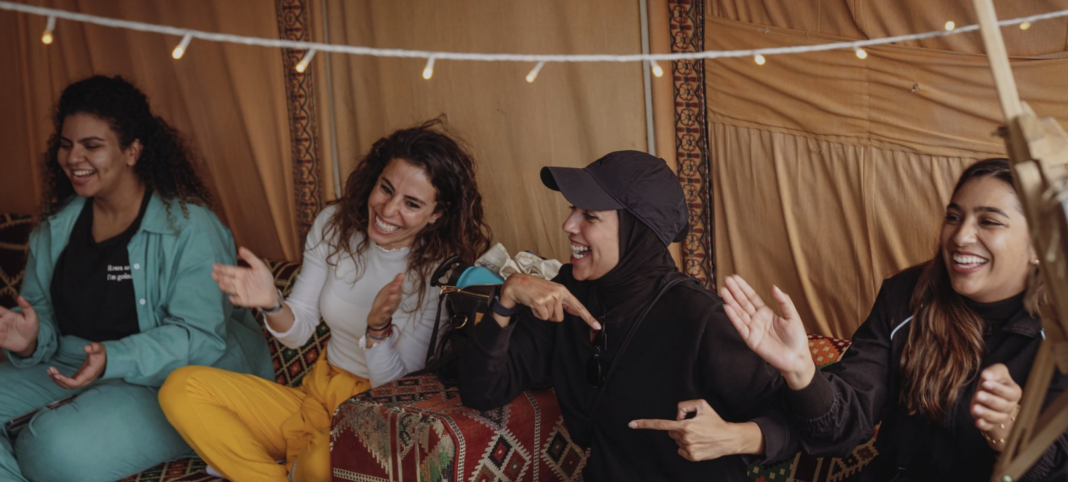

What if building a more sustainable society began not with new technology, but with something as simple as sitting down to eat with strangers? That’s the idea behind AWAKEN Hearth Summit Kuwait 2026, a two-day gathering taking place November 26–27 at the American University of Kuwait. This year’s theme, Finding Hope in Community, explores how art, shared traditions, creativity and human connection can contribute to healthier, more resilient societies.
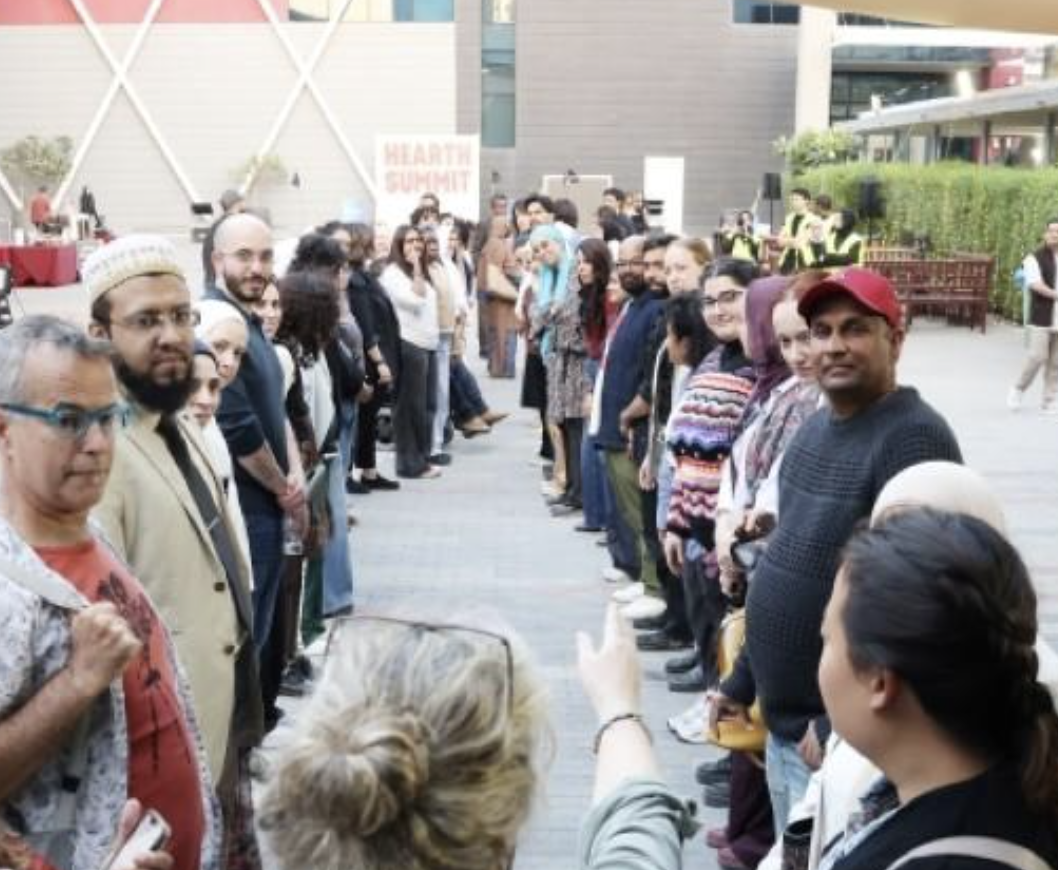
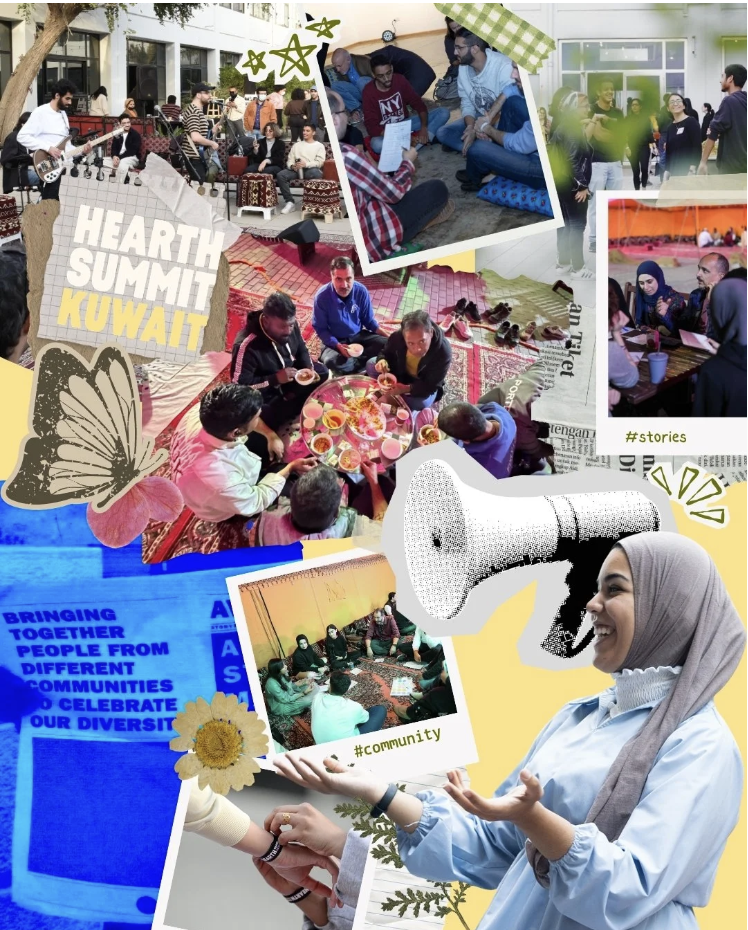
The event brings together the playful, participatory approach of AWAKEN, a community-building initiative by Kuwait-based social development organisation en.v, with the Hearth Summit’s broader emphasis on individual, collective and ecological wellbeing. The program isn’t designed around conventional conference presentations. Instead, participants will be invited to cook, create, play, tell stories, explore their relationship with nature and meet people they might never otherwise encounter.
A gathering built around human connection
The 2026 event follows Kuwait’s first Hearth Summit in December 2025, which brought together more than 200 artists, educators, researchers, community organisers and other participants over three days. Organised by en.v in collaboration with The Wellbeing Project, that inaugural gathering explored ecological belonging, intergenerational healing and the role of art in strengthening communities.
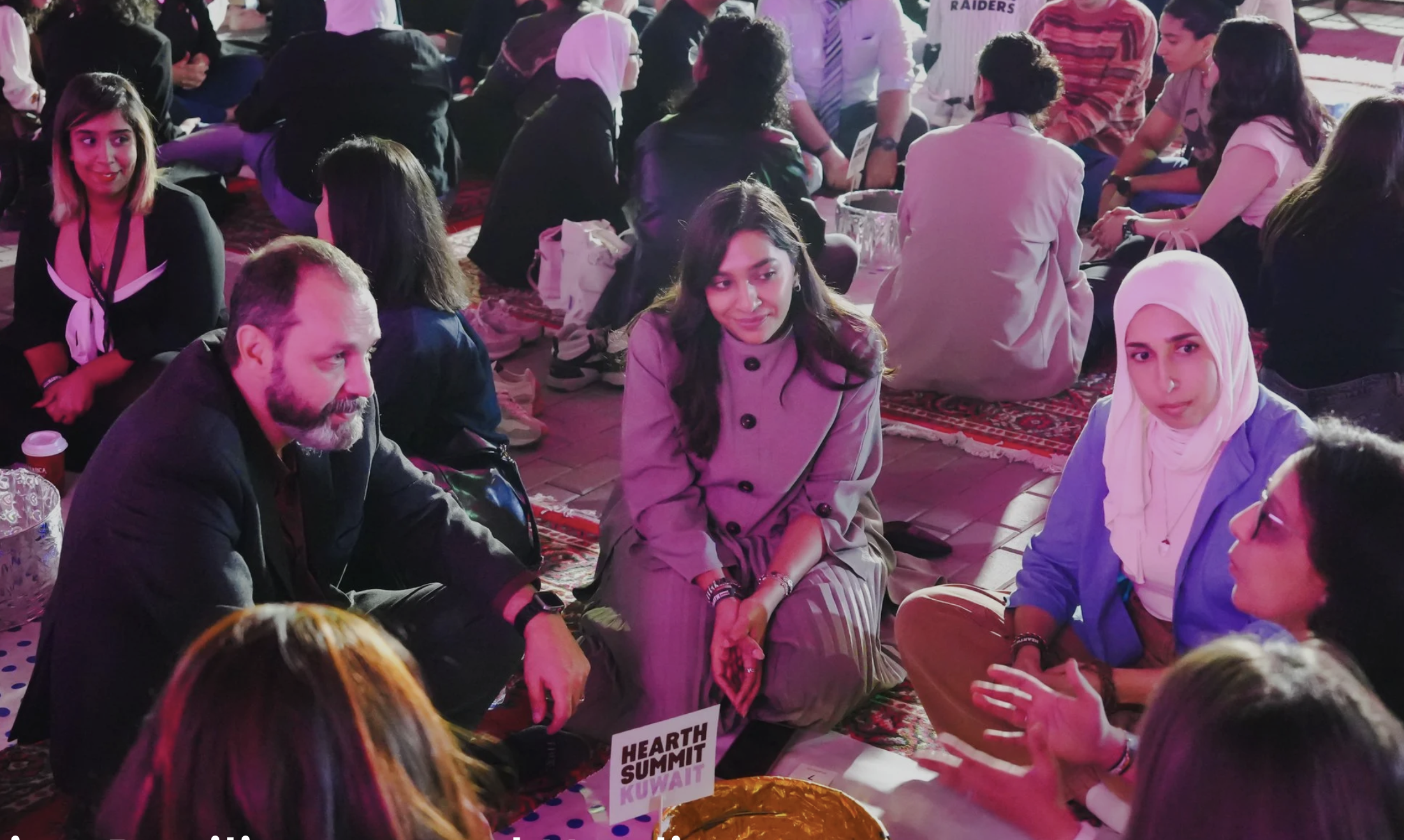
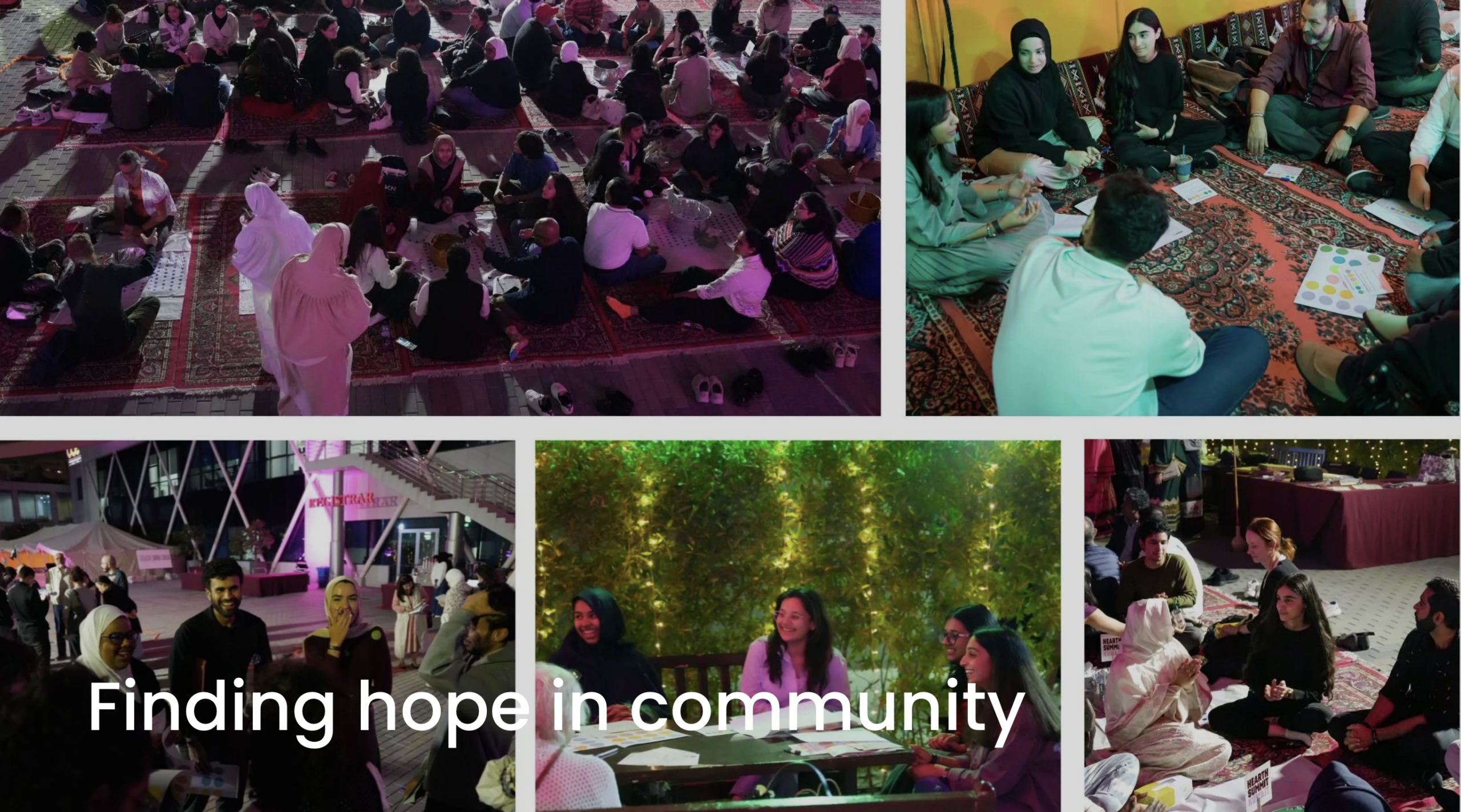
This year’s event will be smaller and more intimate. On November 26, participants will gather for a welcome evening and a communal meal known as Namak, rooted in the tradition of sharing food around a common thaal, or serving platter.
Participants will also join small buddy groups called family circles, which are intended to help strangers form connections throughout the summit. The following day will feature interactive experiences involving art, storytelling, theatre, music, traditional crafts and the natural world. A central idea is that belonging isn’t something people simply discuss. It’s something they create through everyday actions.
Why ecological wellbeing needs community
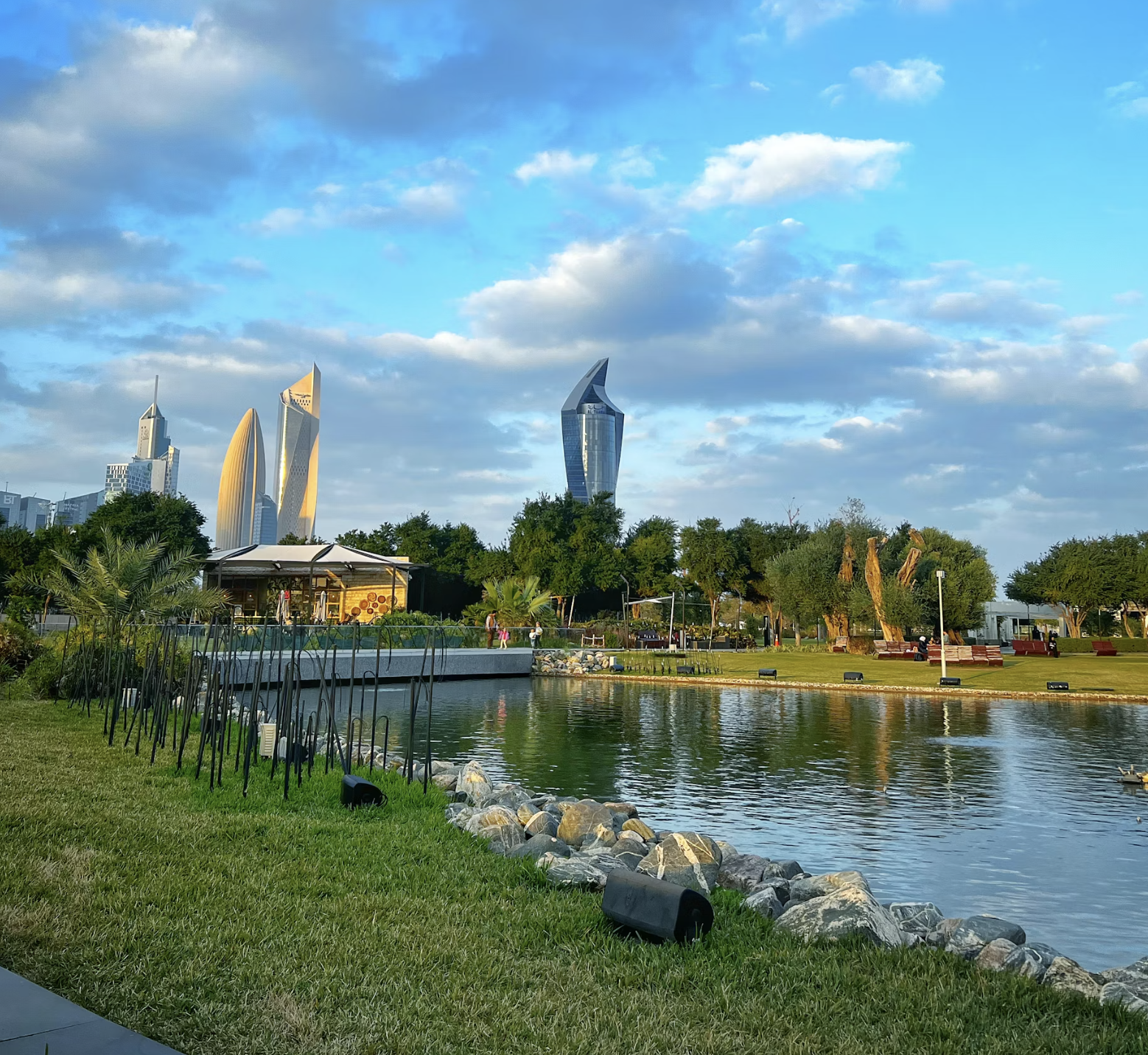
Sustainability is often presented as a question of energy, transportation, food systems and resource consumption. But social relationships also shape how communities respond to environmental challenges.
People who know their neighbours may be better positioned to organise local initiatives, share resources, support vulnerable residents and care for public spaces. AWAKEN explores those connections through community-led activities intended to encourage empathy, participation and understanding across different backgrounds.
The program’s earlier projects have included neighbourhood explorations, participatory design and efforts to document personal experiences of belonging in Kuwait. Its approach reflects a wider interest in social sustainability, where environmental responsibility is connected to inclusion, cultural identity and community resilience.
A traditional craft workshop, for instance, can be an opportunity to preserve knowledge passed between generations. A neighbourhood storytelling project can help residents understand the places they share. Art and play can create opportunities for dialogue that might not happen in a formal meeting. These activities won’t solve Kuwait’s environmental problems on their own. But they may help nurture the relationships that make collective action possible.
Finding hope in Kuwait

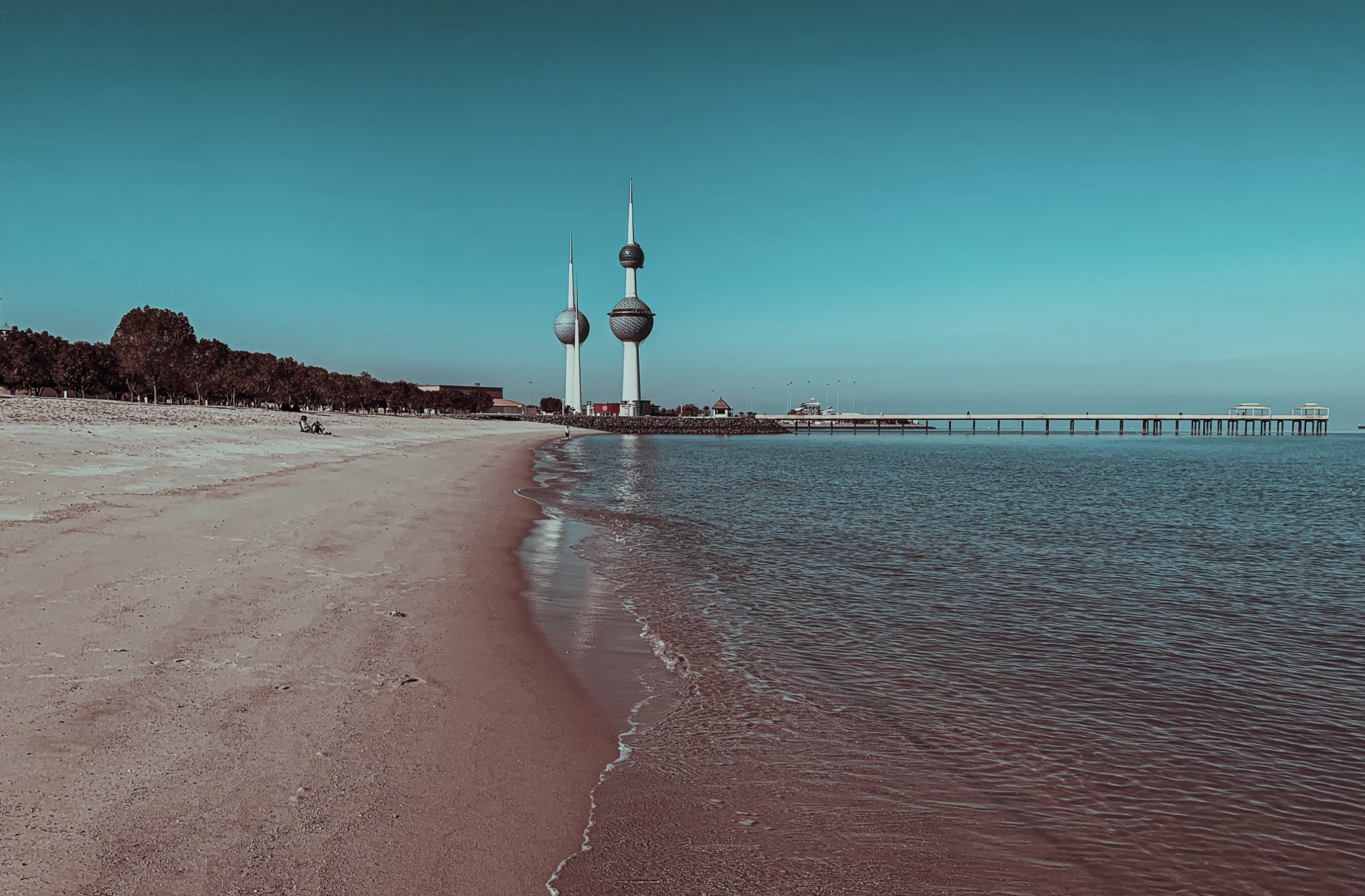
Kuwait faces significant environmental pressures, including extreme summer heat and the challenges of building comfortable public spaces in an arid climate. Against that backdrop, Hearth Summit offers a different way to think about sustainable communities, one that places human connection alongside ecological responsibility.
The organisers describe the event as an opportunity to discover what becomes possible when people make room for care, laughter, creativity and one another. And unlike many international conferences, participation is free.
The organisers are selecting participants through expressions of interest rather than accepting registrations strictly on a first-come, first-served basis. Their aim is to bring together people from different backgrounds and experiences across Kuwait. For a gathering concerned with collective wellbeing, who gets invited to the table may be just as important as what happens once everyone arrives. We wish we could join but traveling to Kuwait could be dangerous if we have Israel stamped in our passport.
Interested participants can express their interest here or learn more through en.v’s event page.
More about the ecological status of Kuwait
Kuwait is one of the Gulf’s wealthiest petrochemical states, with an economy heavily dependent on oil and gas, but it faces enormous environmental challenges. Extreme summer heat, severe water scarcity, air pollution, desertification and growing waste are compounded by high energy consumption and dependence on desalination.
Air conditioning alone accounts for approximately 60% of the country’s electricity use. Kuwait also faces political challenges. It is not a functioning parliamentary democracy: the ruling emir dissolved its elected parliament and suspended key constitutional provisions in May 2024, concentrating political power in the monarchy.
Freedom House classifies Kuwait as “Not Free.” This raises important questions about public participation, accountability and the ability of ordinary citizens to influence environmental policy. Against this backdrop, grassroots initiatives such as AWAKEN and Hearth Summit offer opportunities for communities to build relationships, exchange ideas and explore a more sustainable future. You might meet some similar-minded people there if you are living in Kuwait.


