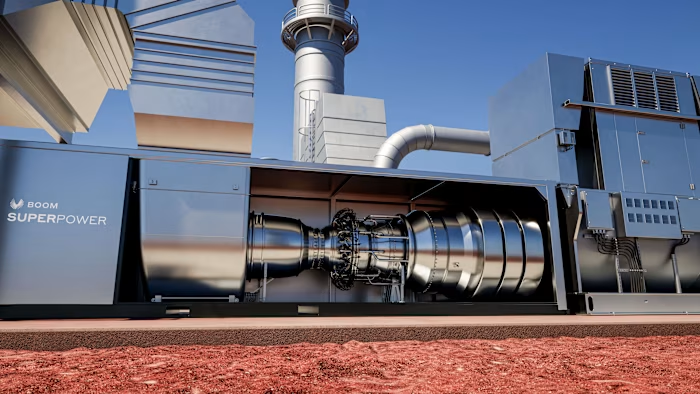

The artificial intelligence revolution has an increasingly dirty (not so) secret. As technology companies race to build enormous data centers, some are turning to retired jet engines to generate electricity because conventional power infrastructure cannot keep up. Old aircraft engines, once used to propel Boeing passenger jets across the world, are being converted into natural gas generators. Instead of flying people across oceans, they are powering the computers behind artificial intelligence.
The trend, reported by The New York Times, raises uncomfortable questions about the environmental cost of AI and whether the world’s technology giants are sacrificing cleaner energy ambitions to expand their operations faster.
Elon Musk’s xAI is already using converted jet engines

Elon Musk’s AI company, xAI, has installed eight converted aircraft turbines in Mississippi to supply electricity to its Colossus 2 data center in Memphis, Tennessee. The generators are supplied by ProEnergy, a Missouri-based company that refurbishes General Electric aircraft engines and converts them to produce electricity using natural gas. Each converted turbine can generate approximately 50 megawatts of electricity. That is enough to power thousands of homes, although actual household equivalents depend on electricity consumption.
The technology itself is relatively straightforward. Engineers remove components designed to create aircraft thrust, modify the combustion system to use something other than jet fuel and connect the rotating machinery to electrical generators. For data center developers, these engines offer something increasingly difficult to obtain: electricity without waiting years for a conventional grid connection. If anyone has ever worked for a renewable energy company to go online you know it can take years of headaches.
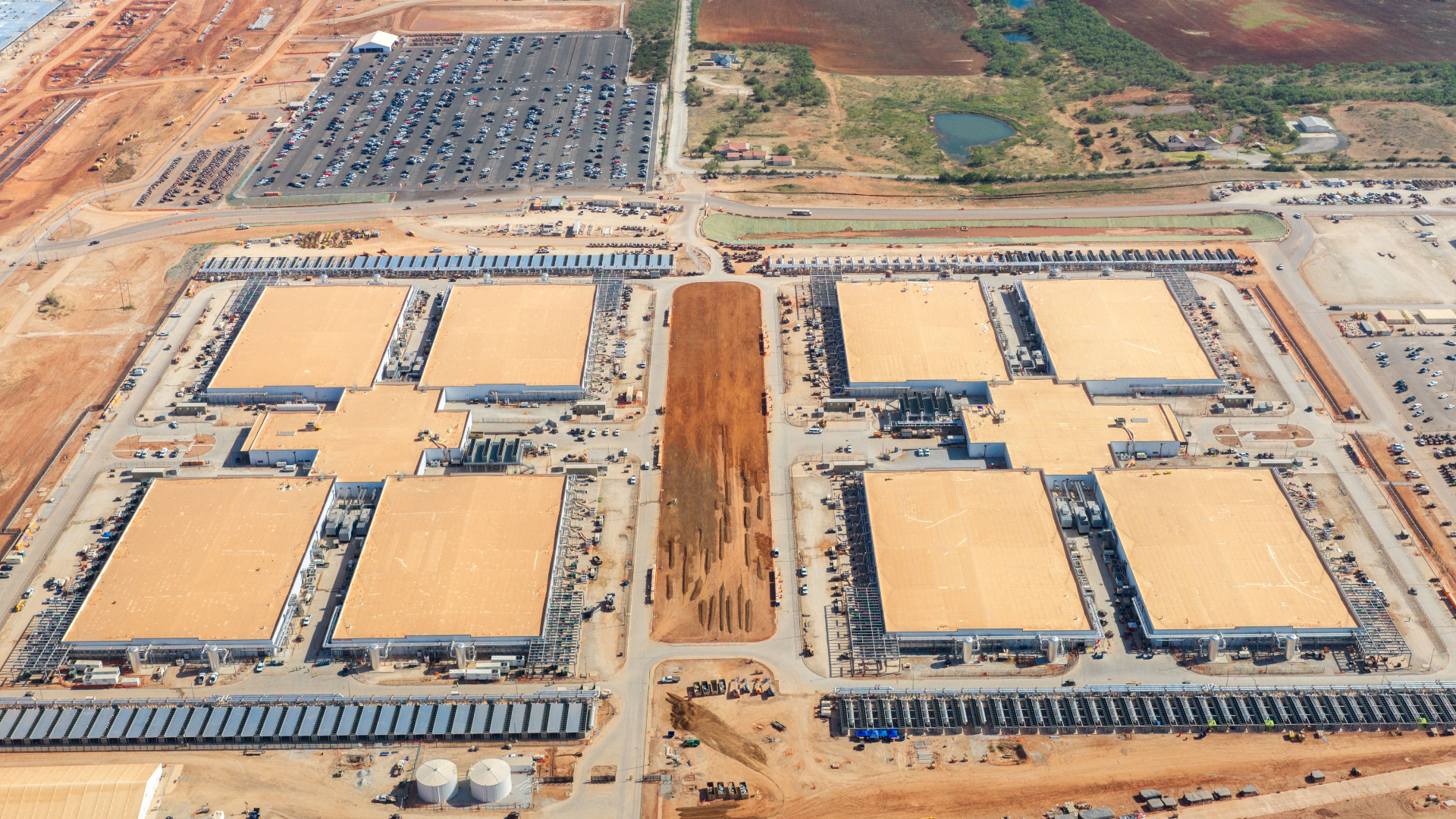
According to figures cited by the International Energy Agency, connecting a 100-megawatt data center to the grid in Northern Virginia can take about seven years. Converted aircraft turbines could allow some facilities to begin operating within approximately two years. For an industry investing billions in AI infrastructure, that difference is enormous.
The problem is that converted aircraft engines can be less efficient and more polluting than modern turbines designed specifically for stationary electricity generation. The environmental consequences are particularly troubling in communities already affected by industrial pollution. So beyond NIMBY – not in my backyard problems that AI servers cause, we now have pollution and carbon emissions.
According to permits examined by The New York Times, the eight converted turbines installed by xAI in Mississippi are authorized to emit carbon monoxide at twice the rate permitted for other turbines at the site. Their permitted emissions limits for volatile organic compounds are also 25% higher. These figures represent regulatory limits rather than independently measured emissions, but they illustrate why environmental groups are concerned.
Carbon monoxide can threaten human health at elevated concentrations, while volatile organic compounds can contribute to ground-level ozone formation and other air quality problems that lead to asthma and lung cancer.
Natural gas also produces carbon dioxide when burned, contributing to climate change. Methane leakage during gas production and transportation adds to its climate impact. Reusing an old aircraft engine might sound like a clever example of recycling, or even upcycling, but repurposing industrial equipment does not automatically make the resulting energy environmentally sustainable.
OpenAI’s Stargate project is also turning to gas turbines
The trend extends beyond Elon Musk. Crusoe, the Denver-based company developing OpenAI’s Stargate data center campus in Abilene, Texas, ordered 13 converted turbine generators from ProEnergy in April 2026. The order represents approximately 650 megawatts of generating capacity, according to the equipment supplier.
Crusoe also pursued an agreement worth $1.25 billion to purchase turbines from Boom Supersonic, the aviation company developing a new generation of supersonic aircraft. That agreement was canceled in September, although Crusoe said it still intended to use gas turbines.
Meanwhile, conventional turbine manufacturers are struggling to meet demand as electricity consumption from data centers grows. The shortage is creating a new business opportunity for companies that can supply large amounts of electricity quickly, even when their equipment is less efficient than newer alternatives.
Is AI becoming an environmental problem?
Artificial intelligence is often promoted as a tool that can help solve environmental problems, from improving renewable energy forecasting to identifying methane leaks and optimizing electricity networks. But the infrastructure required to train and operate AI models consumes enormous amounts of power. It’s like paving paradise to put up an eco train. We reported on that specific problem in Tel Aviv.
Data centers require electricity not only for computer processors but also for cooling equipment, networking systems and supporting infrastructure. As facilities become larger and more concentrated, the pressure on regional electricity networks increases. AI data centers need power, but also as we learned when we were in Helsinki some years ago, data centers need cooling. Putting them under a church or under glaciers as China reportedly is doing can solve another energy problem. In China’s case it is accused for creating floods and landslides.
The Trump administration has encouraged data center developers to produce their own electricity as part of a broader effort to accelerate American AI development. Environmental advocates worry that this approach could encourage a new wave of fossil fuel generators operating near communities without the emissions advantages of modern centralized power plants.
Renewable electricity, energy storage, grid upgrades and more efficient computing infrastructure offer alternative ways to address growing demand. However, deploying these systems at sufficient scale requires planning, investment and time.