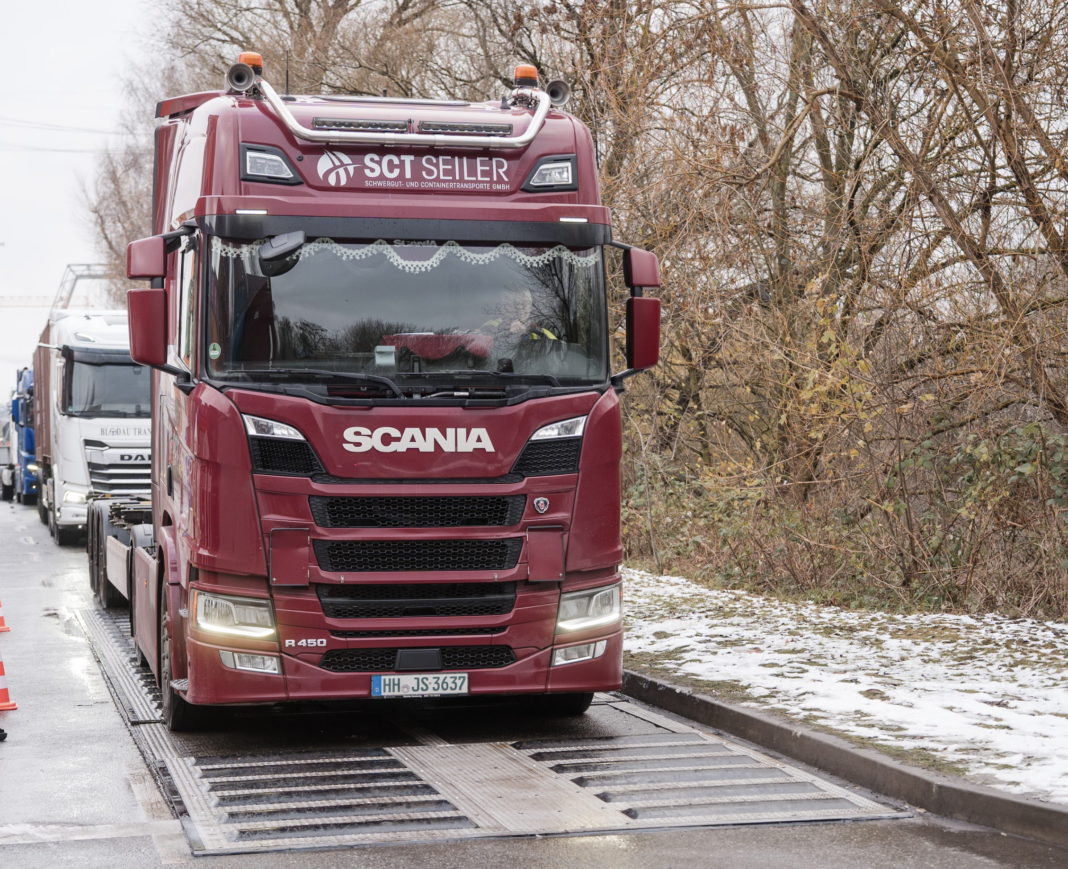

REPS announced a $23.6M equity financing round to scale its Road Energy Production System, a patented “road power plant” that converts vehicle traffic into electrical energy.
For years, Green Prophet has followed the strange, persistent dream of harvesting energy from roads. Back in the early 2010s, Israel experimented with piezoelectric roads in Tel Aviv, when Innowwatech tested whether pressure from passing cars could generate electricity. Then in 2020 a pilot happened with Electreon and Dan Bus company and we haven’t had an update since.
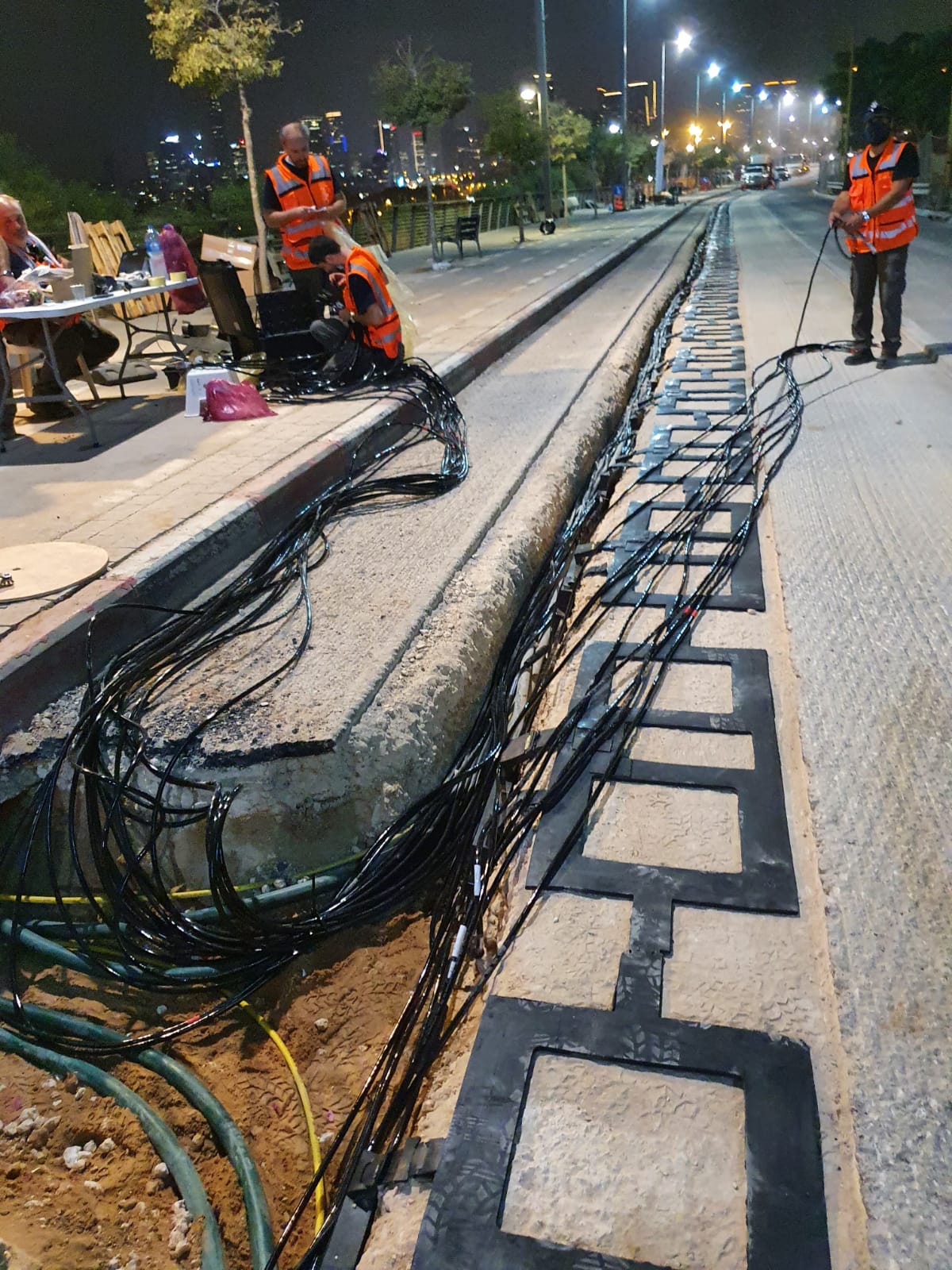
Similar ideas appeared in Italy, California, and South Korea. Most never scaled beyond pilot projects because the technology struggled with durability, efficiency, or economics. There is cost of laying down new infrastructure, stopping traffic, and dealing with snow, rain and intense heat.
Now an Austrian startup called REPS says it has solved part of that equation.
This week the company announced a $23.6 million equity financing round to scale what it calls the Road Energy Production System (REPS), a “road power plant” that captures kinetic energy from vehicles and converts it into electricity.
Unlike solar panels or wind turbines, the system, according to materials the company sent Green Prophet, does not depend on sunshine, cloud cover, or wind speed. Instead it harvests energy already being wasted every day when trucks brake, slow down, or roll through heavy infrastructure zones.
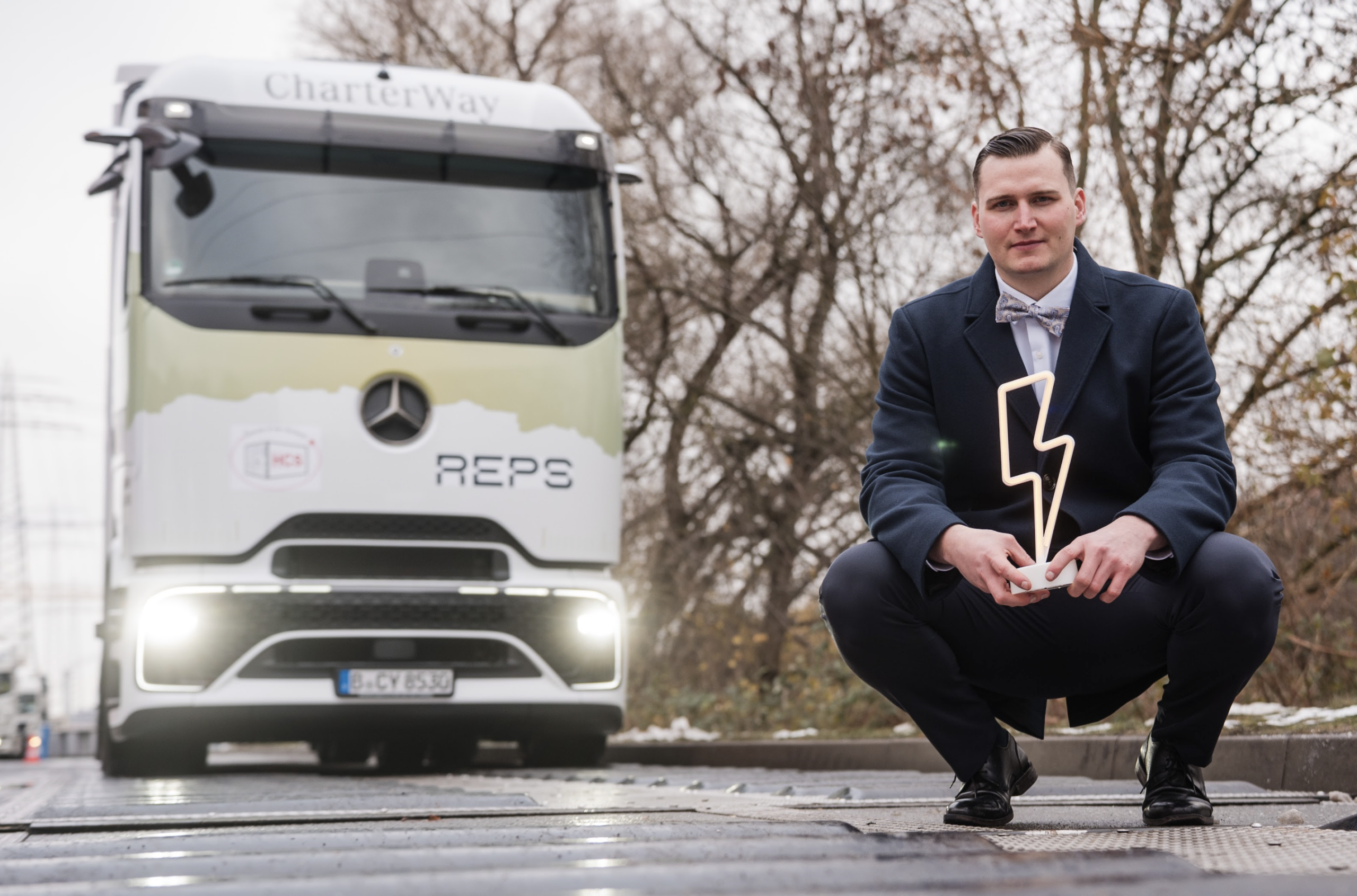
“Roads are everywhere. Traffic is everywhere. What was previously wasted energy can now be transformed into clean electricity through REPS,” said Alfons Huber, founder and CEO of REPS. The old dream of piezoelectric roads is coming true.
Around 15 years ago, Green Prophet covered piezoelectric energy systems embedded beneath roads and sidewalks. The theory was elegant: when vehicles drive over specially designed materials, the pressure creates small electrical charges. Multiply that by thousands of cars a day and suddenly highways become power stations.
Israel was among the early experimenters. Tel Aviv explored pilot systems designed to capture the vibrations and weight of passing traffic. Similar trials emerged in Europe and Asia. The promise was enormous — roads that could light street lamps, power nearby infrastructure, or feed electricity back into the grid.
But the technology faced serious obstacles. Many piezoelectric systems produced only tiny amounts of electricity. Others wore down under heavy truck traffic. Some became too expensive to maintain once exposed to rain, heat, road salt, and constant vibration.
REPS argues that previous attempts failed because the converters themselves were inefficient and fragile. The company says its system “delivers 254x higher efficiency than the next-best alternative currently on the market.”
That is a bold claim, though one that will likely need long-term independent validation as deployments scale.
Hamburg becomes the first test case
The company’s first commercial installation has been running at the Port of Hamburg since November 2025. According to REPS, more than 115,000 trucks have already crossed the system, generating over 6,700 kWh of electricity.
The idea is simple in principle: Instead of laying entirely new roads, REPS installs modular systems directly into existing infrastructure, particularly in places where vehicles already slow down naturally: port entrances, loading areas, logistics hubs, toll areas, curves, or steep approaches.
In other words, the system works best where momentum is already being lost to braking traffic: “Where vehicles have to brake anyway, clean energy is recovered and can be used directly where we need it,” said Justin Karnbach, CEO of Hamburger Container Service GmbH.
That makes ports especially attractive. Heavy trucks create large mechanical forces, traffic patterns are predictable, and energy demand is concentrated nearby.
The bigger story may not be about roads alone: It is about retrofitting infrastructure rather than rebuilding it.
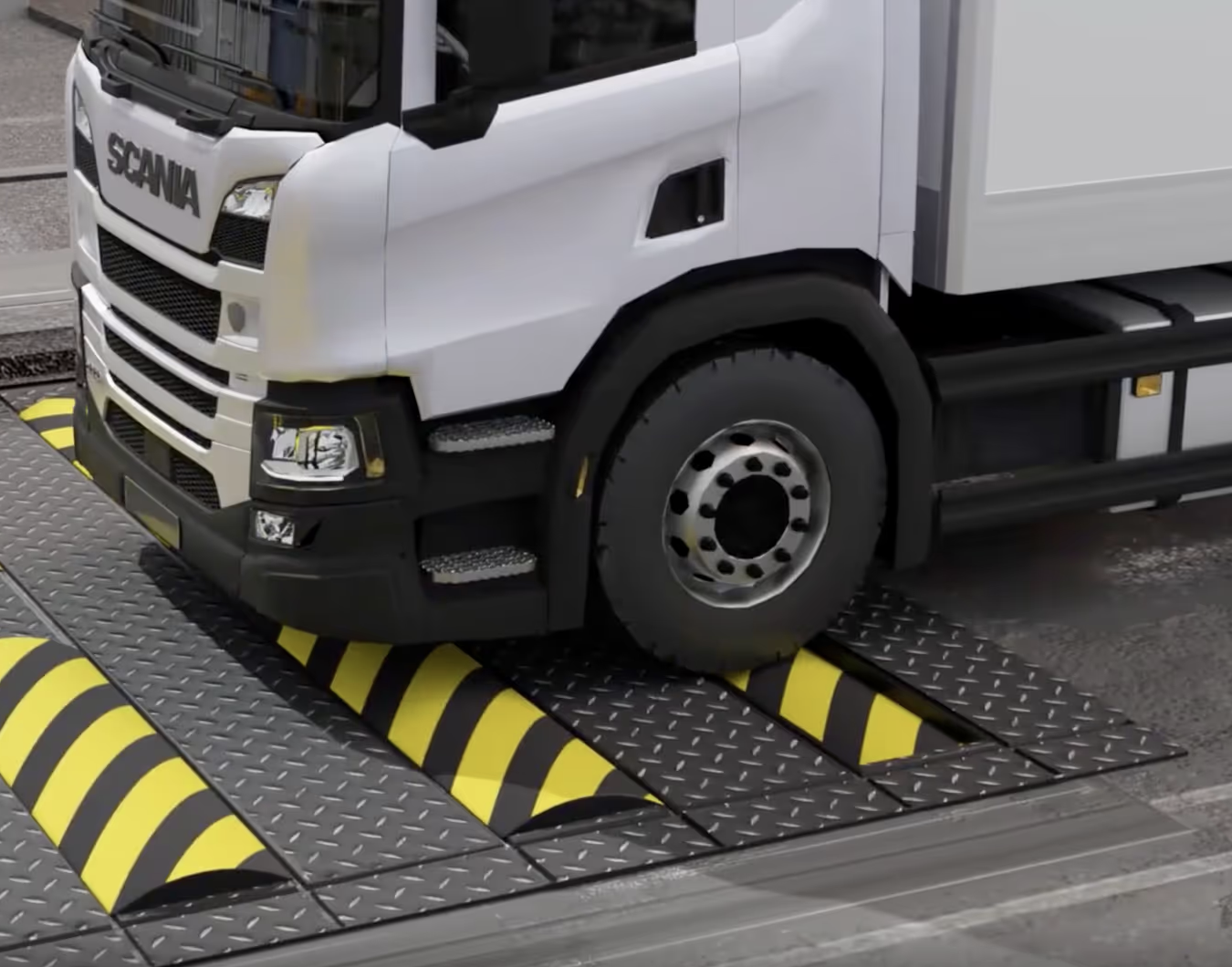
Most cities cannot afford to tear up roads entirely to create futuristic smart infrastructure. But modular systems that can be inserted into existing roads could potentially make energy harvesting more realistic financially.
REPS says a large rollout across Hamburg’s port roads could generate around 10 GWh annually, while a hypothetical deployment across Dubai could recover roughly 3.2 TWh per year.
Those projections remain theoretical for now. But the interest is real. The company says it is already in discussions with more than 90 port-related organizations across Europe, the Middle East, Asia, and North America.
One reason road-energy systems have struggled historically is climate. In northern countries, snow, ice, freeze-thaw cycles, and road salt can destroy delicate infrastructure beneath pavement. Any mechanical system embedded in roads must survive enormous pressure, moisture, corrosion, and temperature swings.
Ports like Hamburg are useful proving grounds precisely because they face harsh winters and heavy industrial traffic simultaneously.
Desert climates present a different challenge. Roads in places like Dubai or Saudi Arabia endure relentless UV radiation and extreme surface temperatures that can soften asphalt and stress electronics. That is why REPS’ emphasis on durability matters almost as much as efficiency. The company says its technology was designed to operate under “heavy traffic conditions for more than 20 years.”
If that proves true, the implications could be significant for Gulf countries already investing heavily in smart-city infrastructure.
Unlike solar farms, which require large land areas and cleaning regimes in dusty environments, road-harvesting systems could potentially piggyback on infrastructure cities already maintain.
Beyond the gold-plated supercar era of Dubai
There is also something symbolically interesting happening here. For years, Gulf car culture often revolved around spectacle: gold-plated Lamborghinis, chrome-wrapped Mercedes-Benz SUVs, fleets of exotic supercars baking beneath Dubai sun with cheetahs riding shotgun.
Now some of the same regions are becoming laboratories for infrastructure-scale sustainability experiments. Instead of merely celebrating traffic, the question becomes: can traffic itself produce value?
That shift mirrors broader changes happening across the Middle East, where governments are investing in energy transition projects, AI-driven infrastructure, desalination technology, and climate adaptation systems.
The road itself may be becoming part of the power grid.
Many road-energy concepts have looked promising in pilot phases only to stall under maintenance costs or real-world economics. But REPS is entering the market at a moment when cities and ports are under pressure to decarbonize rapidly without waiting decades for massive infrastructure rebuilds.
The company believes roads could become decentralized energy assets: “We spent six years developing the technology. Now the scaling phase begins,” said Huber.
Green Prophet has watched these ideas evolve for almost 20 years — from piezoelectric experiments in Tel Aviv to kinetic sidewalks that glow in Europe to now industrial-scale road harvesting in Hamburg.
But for the first time, the road-to-electricity concept appears to be moving beyond the science fair stage and into commercial freight infrastructure.