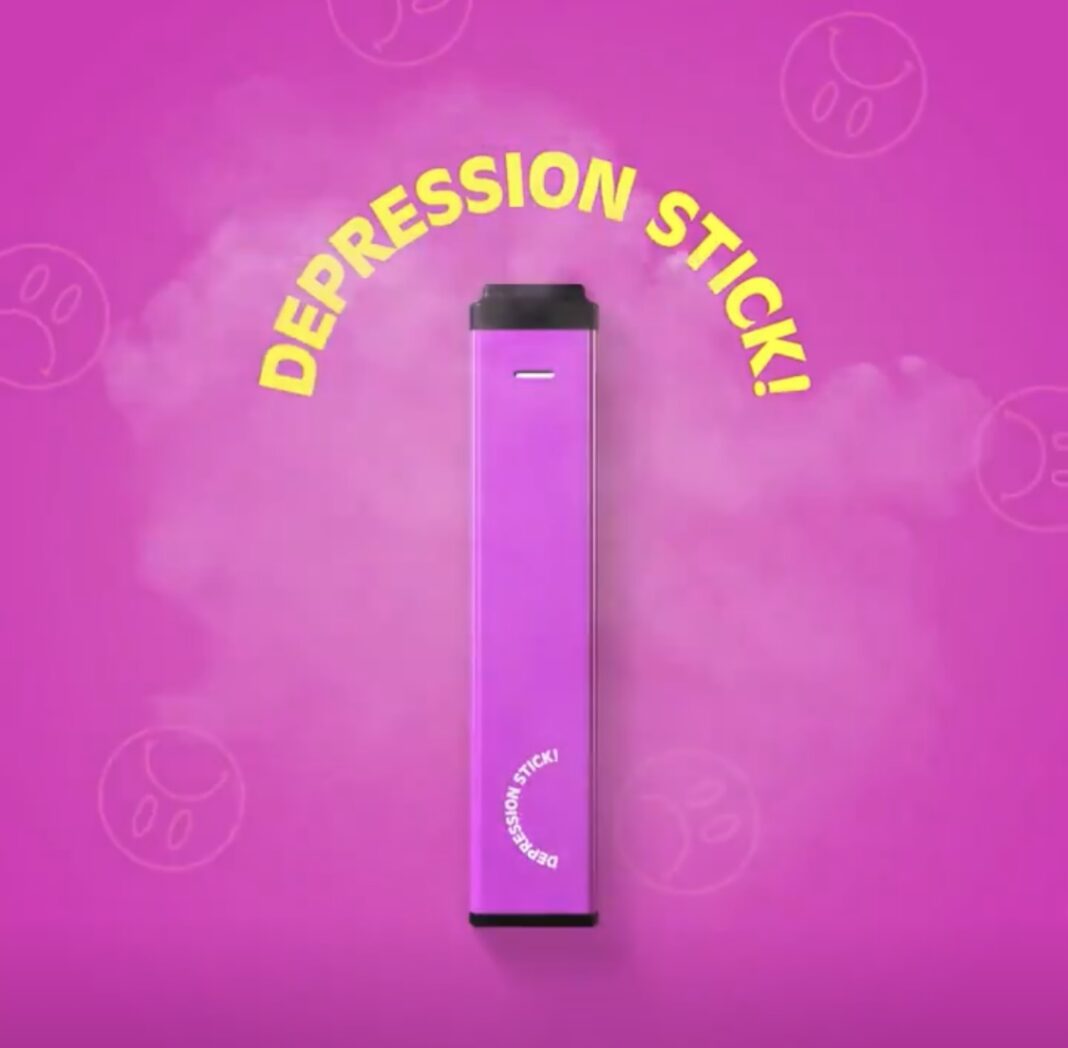

Teens as young as 12 are vaping in schools around the world. Devices are sold in the same places kids buy candy. They’re packaged with cartoon characters, bright colors, and playful branding that makes nicotine look harmless — even fun.
By 2019, youth vaping in the United States had surged to 20%, up from just 8.1% two years earlier. A generation of teens was being pulled into nicotine addiction through design, marketing, and easy access. Public health campaigns were trying to catch up, but they were competing with a fast-moving culture — social media, influencers on IG and Tiktok, and products engineered to appeal to young users.
Then something changed. Researchers from the University of California San Diego found that 2019 marked a rare and dramatic reversal in youth vaping, driven not by one factor, but by a convergence of media forces.
“What we saw in California between 2017–18 and 2019–20 was a rare, dramatic population-level shift in adolescent vaping behavior,” said senior author of the study, Shu-Hong Zhu, PhD, Herbert Wertheim School of Public Health professor. “A convergence of media forces — aggressive public health campaigns and frightening news reports about people being hospitalized with severe lung injuries — appears to have shaken adolescents out of complacency and motivated many of them to quit.”
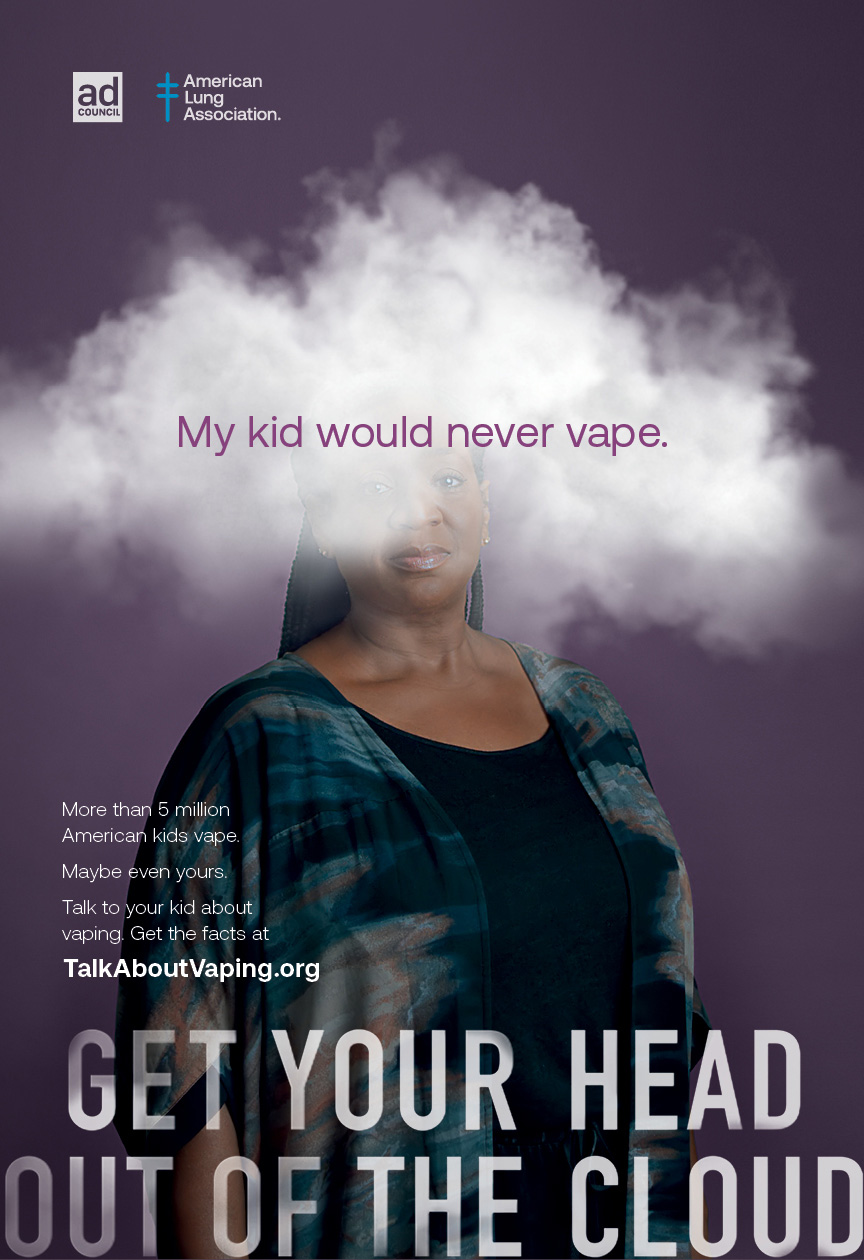
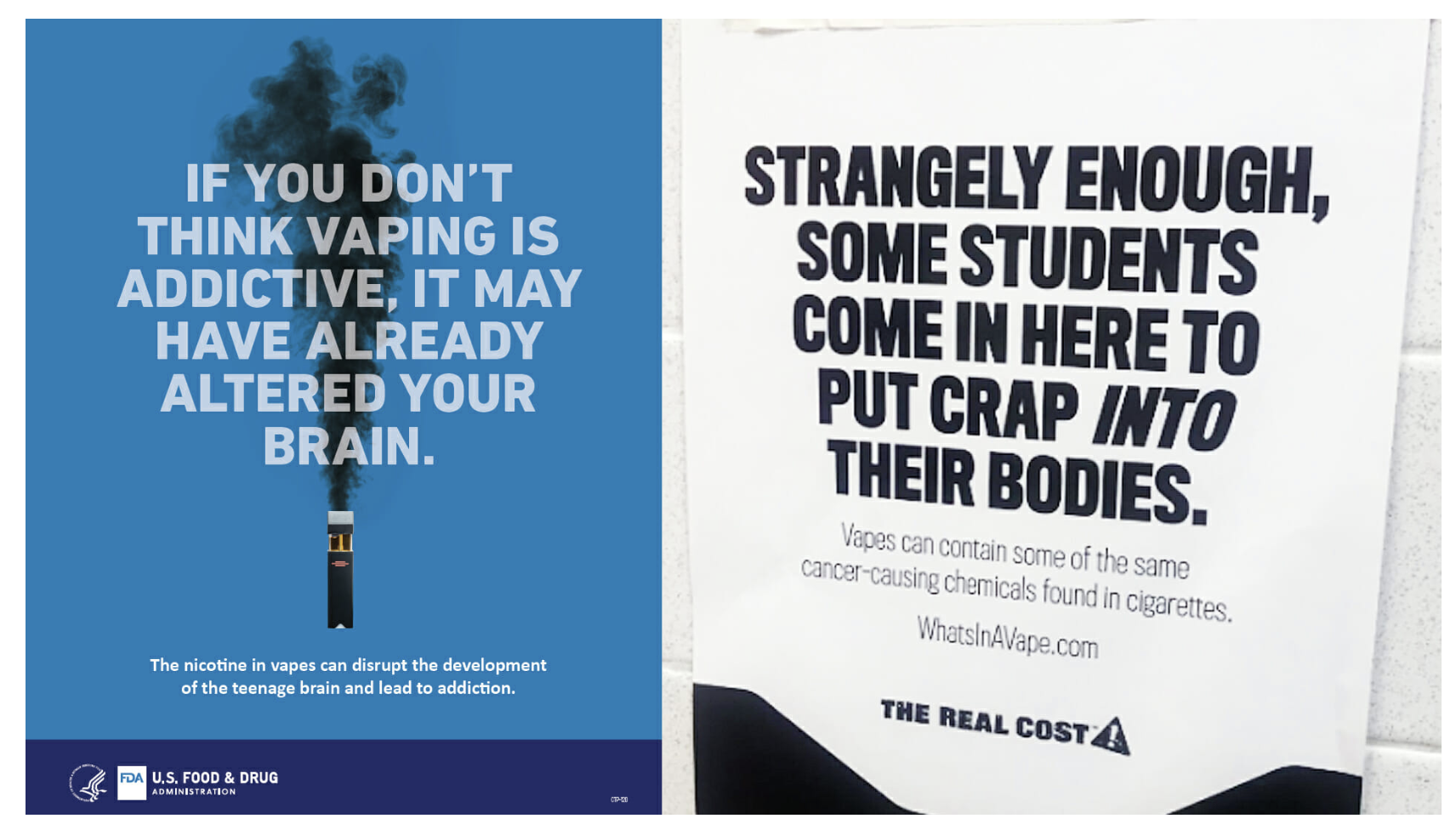
On one side: aggressive anti-vaping campaigns from the FDA, Truth Initiative, and state programs, backed by over $100 million in annual spending. On the other: a public health crisis.
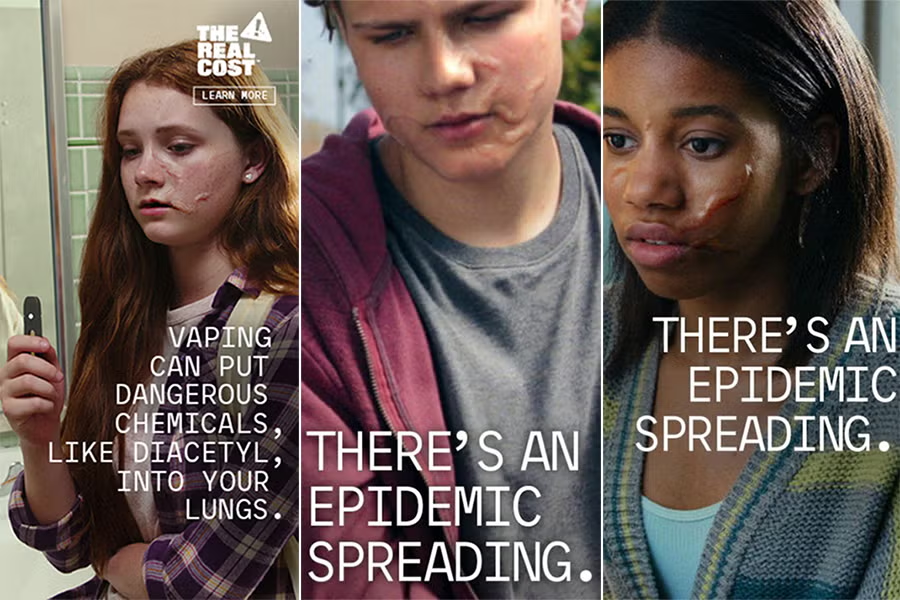
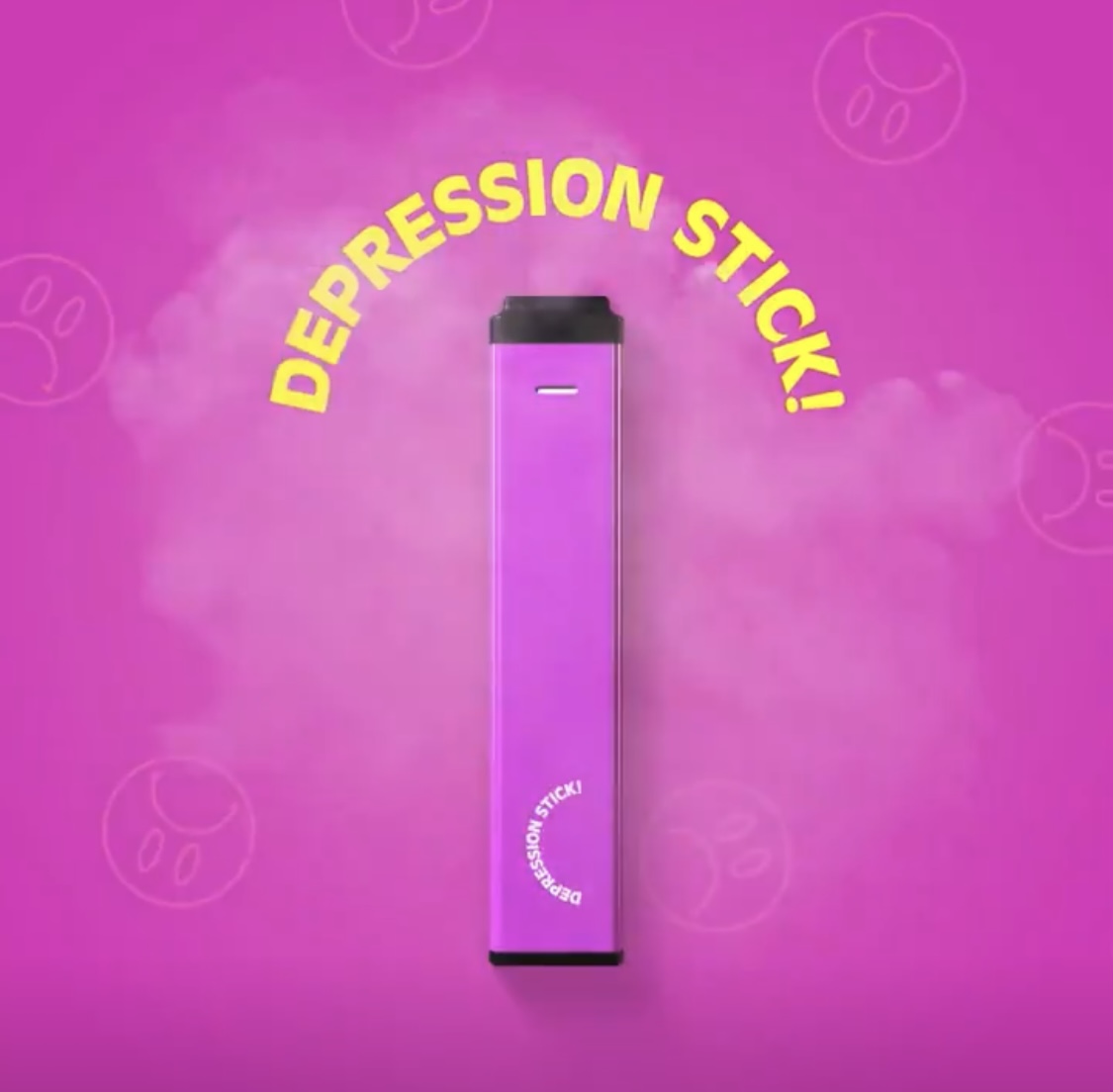
The EVALI outbreak which was a wave of lung injuries linked to vaping led to more than 2,800 hospitalizations and 68 deaths. News coverage was relentless, with nearly 20,000 articles published in less than a year.
Suddenly, vaping didn’t feel abstract. The dangers were real.
Among teen vapers: Quit attempts nearly doubled, from 28.8% to 53.2% Intentions to quit rose from 56.9% to 79.1%
Among teens who had never vaped:Interest in trying vaping dropped significantly
Perhaps most striking: awareness of the EVALI outbreak alone reduced interest in vaping among non-users — even more effectively than expensive advertising campaigns.
In other words, real-world fear, amplified by media, worked. EVALI was later linked primarily to black-market THC vape products, not standard nicotine e-cigarettes. Yet many teens came away believing that all vaping caused lung injury.
“Quit attempt rates on a population level almost never change this dramatically from one period to the next,” said first author Jijiang Wang, PhD, a postdoctoral researcher at the Herbert Wertheim School of Public Health, whose doctoral dissertation as a student in the Joint Doctoral Program in Public Health focused on this topic. “When they do, it tells us something important about what is possible when the media environment shifts.”