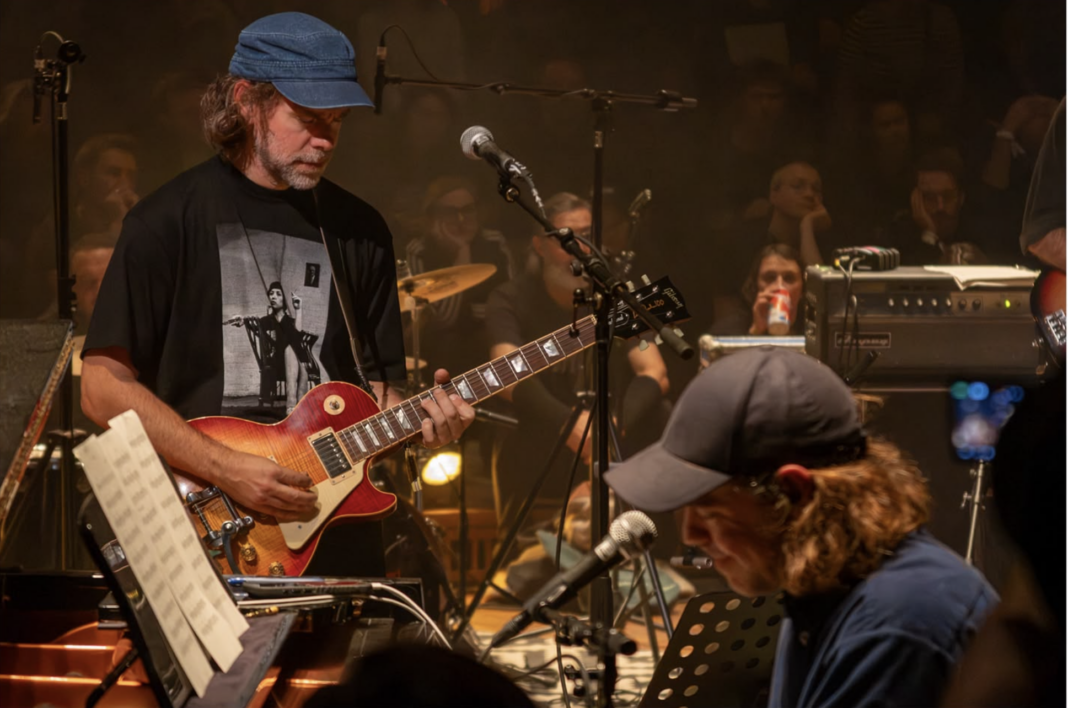

Aaron Dessner says he never planned on becoming one of the world’s most sought-after music producers. So how did a musician from an indie band, The National, end up shaping Taylor Swift, Ed Sheeran and the sound of today’s music? A fly on the Funkhaus wall at Berlin’s PEOPLE festival discovers how two brothers, a sister and their sprawling “family” turn collaboration into a creative revolution.
I tried hard over the years to become a Swiftie, at least for my daughter’s sake, but I couldn’t find any redemption in Taylor Swift’s songs. Instead, my girl was raised on Feist, Aldous Harding, Eartha Kitt and Nina Simone. At the peak of my midlife crisis, she was forced to listen to Fleet Foxes, Bon Iver and a song the algorithm sent me – The System Only Dreams in Total Darkness, by The National, a band from Brooklyn I didn’t know, on manic repeat.
The song became a mantra against demons – and bears – as I sheltered alone with my two kids on hundreds of acres of forest in Canada. Like the song, I was talking to God at night, facing self-imposed exile.
Years later in 2024, one jacket stood out in a Tokyo record shop: it was propped on an altar above Herbie Hancock and Ella Fitzgerald, demanding spiritual devotion from passersby. It was Swift’s The Tortured Poets Department and I chalked it up to a Japanese glitch, along with Kenny G and flavored Kit Kats.
This year, I gave that album a serious listen and declared to my teenager and her art-school friends, captive in my car, “I think I am a Swiftie,” partly to embarrass her, but I’d also heard something in Swift’s songs that I liked. Digging deeper, I found a variable in Swift’s music where a transformation happened. It was Aaron Dessner, the guitarist from The National.
Not long after I got a ping from Michelberger, a boutique hotel in Berlin, that Aaron Dessner and his twin brother Bryce Dessner were creating a collaborative music event with 180 other indie musicians and artists at the Funkhaus in Berlin. It would be a week-long arts residency and festival called PEOPLE.
Cults and the PEOPLE festival share the same marketing challenge
The experiment had taken place in 2016 and 2018, with Bon Iver and Feist among its participants. Now it was returning for what might be a once-in-a-lifetime experience. A hand-selected crew of indie royalty – musicians and artists would work together for a week, without commercial sponsors, record labels, conventional hierarchies or clear rules. At the end of the week, they would put on dozens of shows for an audience flying blind.
Cults and the PEOPLE festival share the same marketing challenge: some experiences are almost impossible to explain from the outside. You have to become part of the community to understand what makes them so compelling. At PEOPLE, the invitation was not to surrender your identity but to bring it into a room among your idols, old stage friends, and strangers to see what music could come from it.
Musicians can get in a rut going on tour doing the same set list over and over again. PEOPLE invited them to do something new.
“If I told you what happened to me last week, you wouldn’t believe me,” said one musician. Richard Reed Parry of Arcade Fire described the peculiar promise of arriving without knowing what you were going to do, “while somehow knowing you might be about to have one of the best experiences of your life.”
I went to Berlin to find out more. With a rare backstage pass for three days I got to be a fly on the Funkhaus walls. My pass, which I privately dubbed “God mode,” allowed me to slip through curtains and trapdoors, wander into recording studios that looked like a Wes Anderson set, and witness musicians putting a song together in a hallway and performing it hours later.
View this post on Instagram
Over those three days, I witnessed the Dessner effect. Any song or arrangement is improved with a Dessner brother, Aaron or Bryce, in the mix.
There were two worlds at the PEOPLE festival, whose public performances took place October 10 and 11 in Berlin. The first could be described as an arts residency, and it had begun six days earlier in the majestic high-ceilinged performance halls and labyrinthine corridors of the Funkhaus, the former Cold War-era radio headquarters of East Berlin. There you’d find greats from the Pitchfork-era indie generation, Lambchop, the Yeah Yeah Yeahs and Kings of Convenience, working alongside choirs, orchestral bands, dancers and legends from the rock world like Gail Ann Dorsey, bassist and vocalist who toured with Bowie and Lenny Kravitz.
There was the wild Russian cellist Anastasia Kobekina who was apparently set free from her orchestra, and Portishead’s Adrian Utley directing guitar harmonies. Some musicians rehearsed in majestic wood-paneled halls, others worked from a boat or in a former car park. Leonard Cohen’s son Adam Cohen strummed a guitar labeled CASSIUS from a sofa in the green room, where musicians came and went for kimchi, coconut water or to meditate.
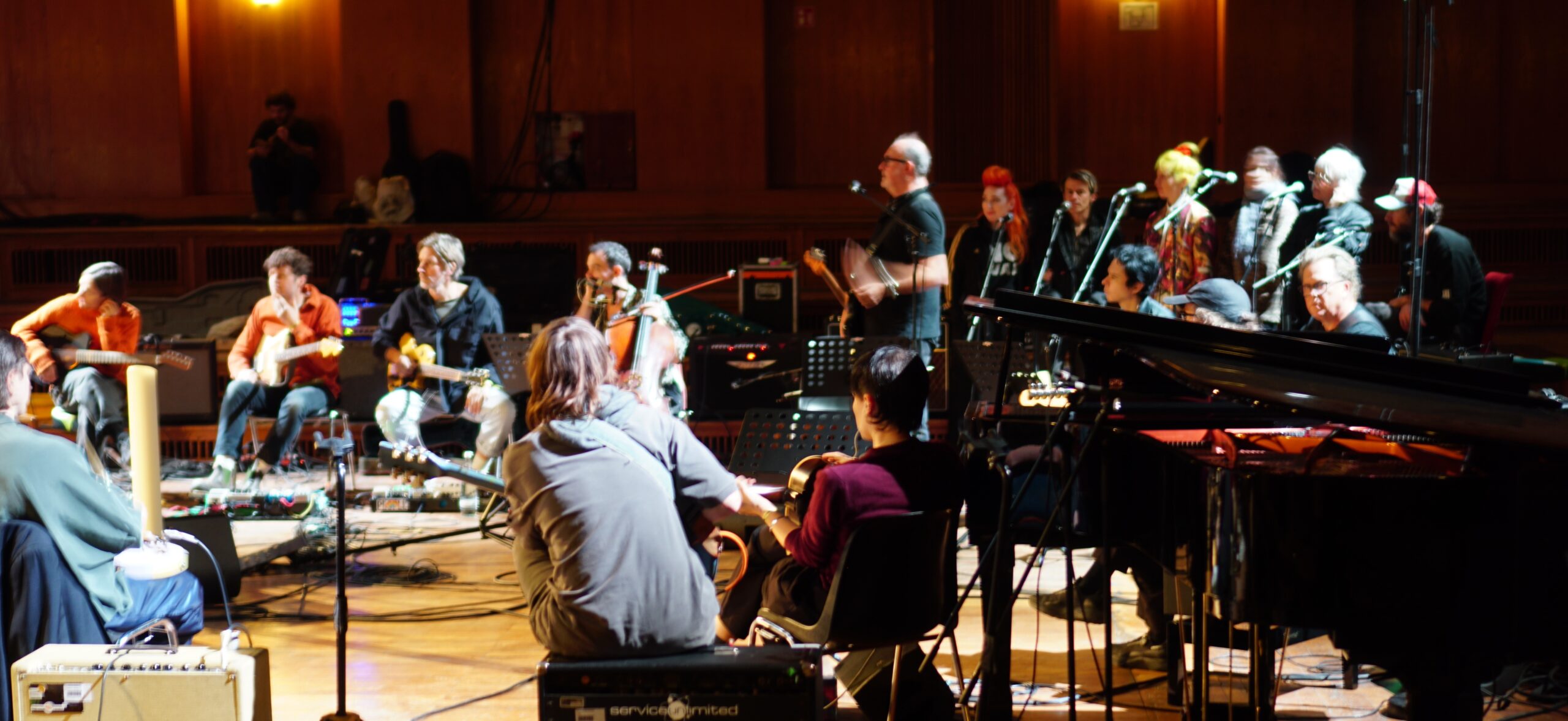
The atmosphere was elite musical retreat meets summer camp, crossed with a creative laboratory, with everyone operating on the assumption that everything that happens could be a “seed” for a new song or project – or moment.
The other world at PEOPLE was when the audience arrived on Saturday and Sunday. Thousands of ticket holders were staggered into groups based on when they arrived, and moved through the sprawling Funkhaus complex, sometimes led through windows, without knowing exactly which musicians or acts they would see. Four daytime performances were followed by access to a large evening show. The identity of each performer or set remained a mystery until the lights came on.
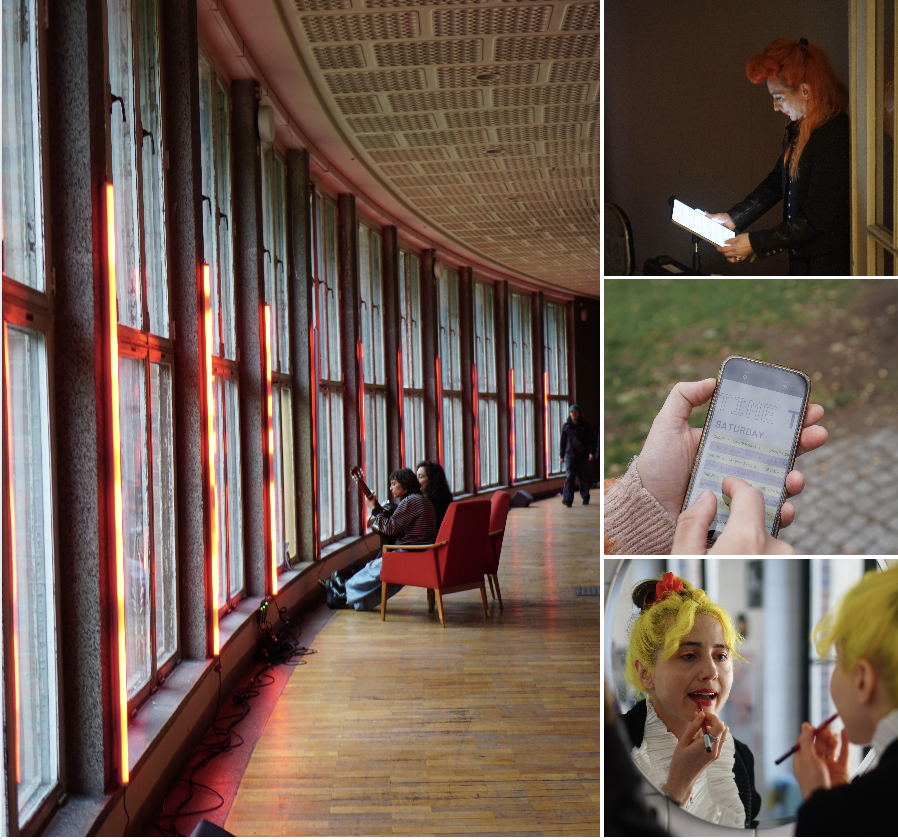
You could be fated to see Ben Howard, Moses Sumney, Casper Clausen and Efterklang, Kings of Convenience, or a choir made from some of the best female vocalists in the world who normally hold their own shows; you might be blindfolded and taken up a candlelit staircase to a secret chamber for a one-on-one performance by the Nigerian singer Tommy Wa or folkstress Lucy Clearwater.
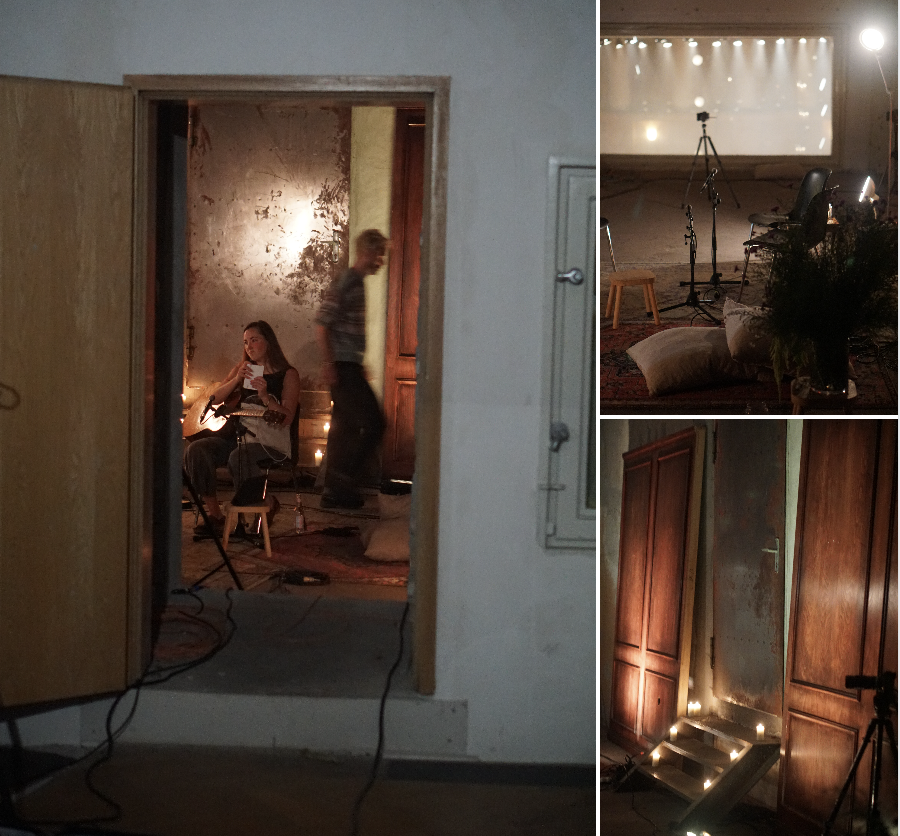
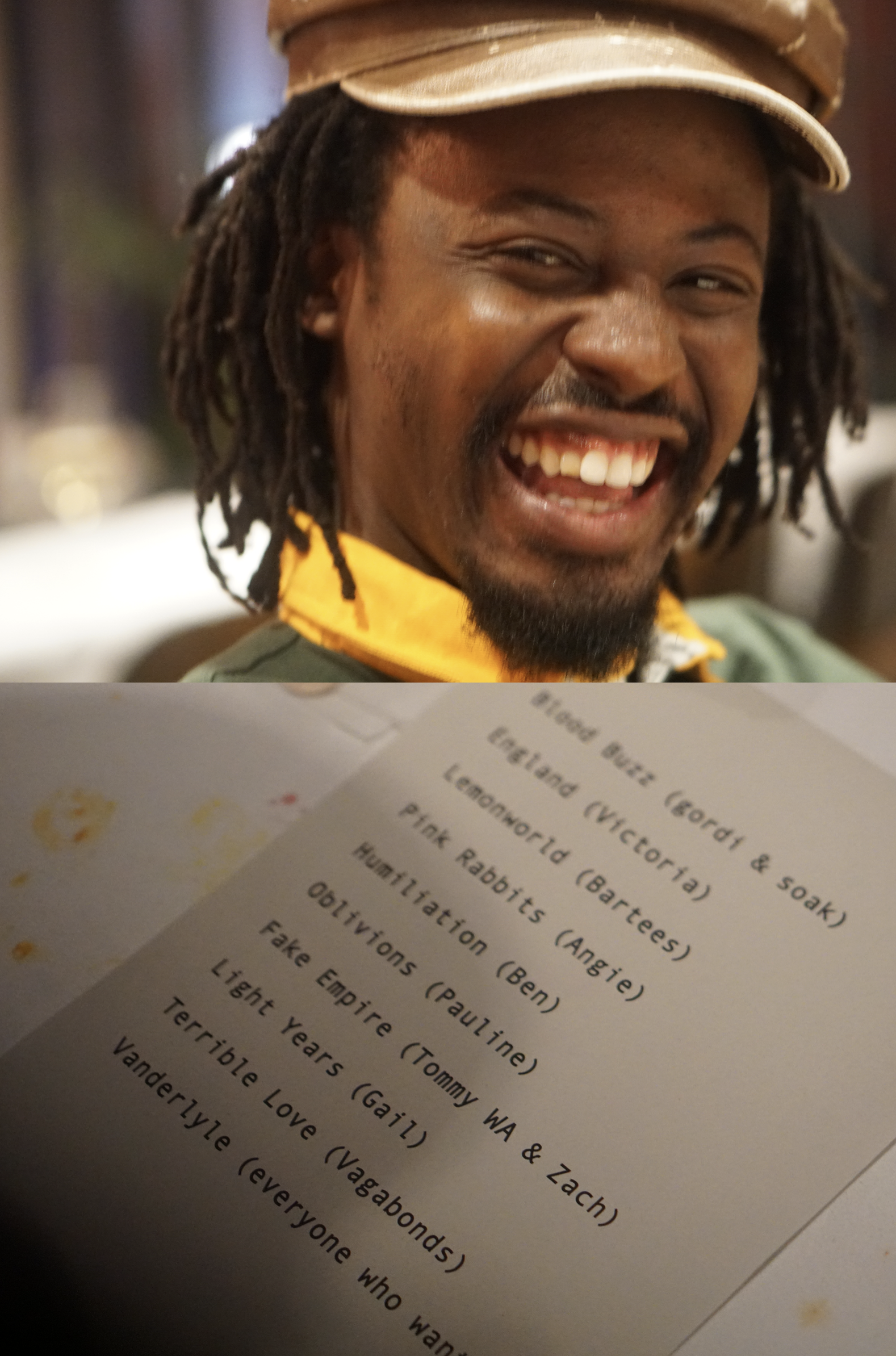
Tommy Wa told me how much fun it had been, particularly when they brought in a choir for his set. He also marveled at the surreal opportunity, as a boy from Nigeria who had grown up listening to The National, to find himself performing with the band onstage. His generation, he told me, “started the cult of listening to The National, Bon Iver.” We were talking moments before he’d get up and sing Fake Empire with The National during the final show of the week, “You wouldn’t know it,” he said, “but everyone [here] is on the wire.”
They appeared to send each other telepathic messages coded in guitar.
The festival’s public-facing experiment was an inversion of normal concert economics. The audience was being asked to trust the taste of the people who had assembled the musicians. What could easily have become a disaster or enormous ego clash was held together by Aaron and Bryce Dessner, the twin brothers from The National, who moved around the Funkhaus like camp counselors, dressed in nearly identical 1950s-style Japanese workwear. Onstage as a support system, they appeared to send each other telepathic messages coded in guitar.
I watched the brothers dip in and out of rehearsals, lead recording sessions and support both famous and unfamiliar artists, build arrangements and quietly step aside when someone else needed to lead.
Aaron has been called a song whisperer, but I think he might be something closer to a guru, as a teacher in building community, paying-it-forward and giving – not the kind who demands devotion. His gift seems to lie in knowing how much structure to provide and when to get out of the way.
There was a recognizable Dessner sound that weekend: repeating guitar arpeggios, sparse piano phrases and the slow accumulation of emotion. At PEOPLE, I watched that principle scale up with the couplings of songstresses who may be the next big thing: Aaron Dessner and Angie McMahon; Bryce Dessner and Pomme.
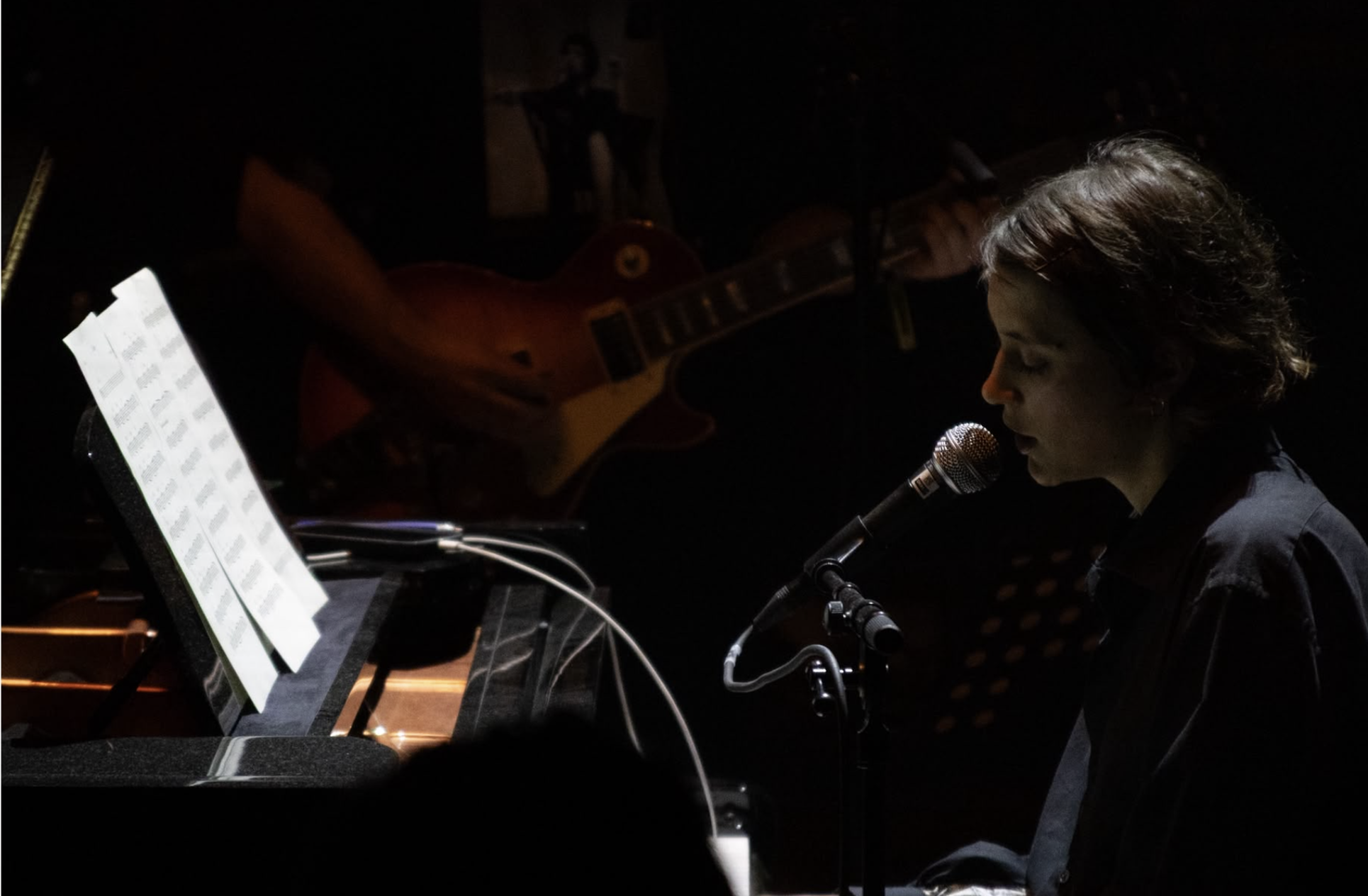
When Pomme sat down at the piano the diminutive French chanteuse lobbed verbal grenades at the audience. One song was about true love and finding your prince, she announced, except that it wasn’t really for her because she was a lesbian. Another was about burning in hell. Bryce nodded approvingly before launching into a dreamy guitar sequence. Pomme announced that she and Bryce had been working on her new album, La Forteresse, following her departure from Universal. Her album is out at the end of November.
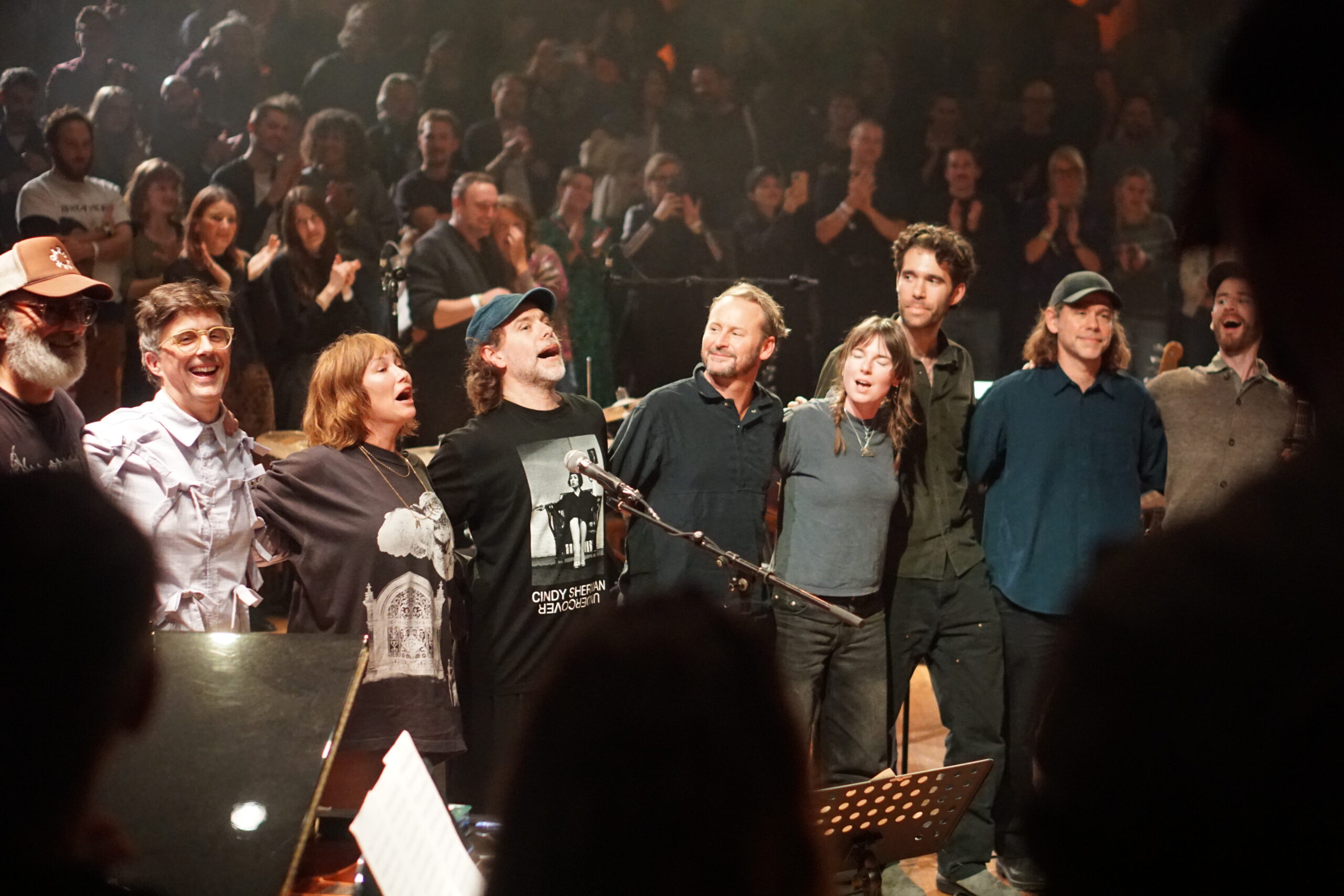
It was the same stage and another show: Aaron was deepening his musical relationship with Australia’s Angie McMahon, whose powerful, heartfelt voice was easy to love. Aaron told the audience that he liked to listen loudly in his car to one of McMahon’s songs about making mistakes. In a funny moment of realizing she’d made a mistake, Angie told the audience her guitar was tuned to the wrong key.
everyone has ended up on this plateau of panic and joy and reverie all at the same time
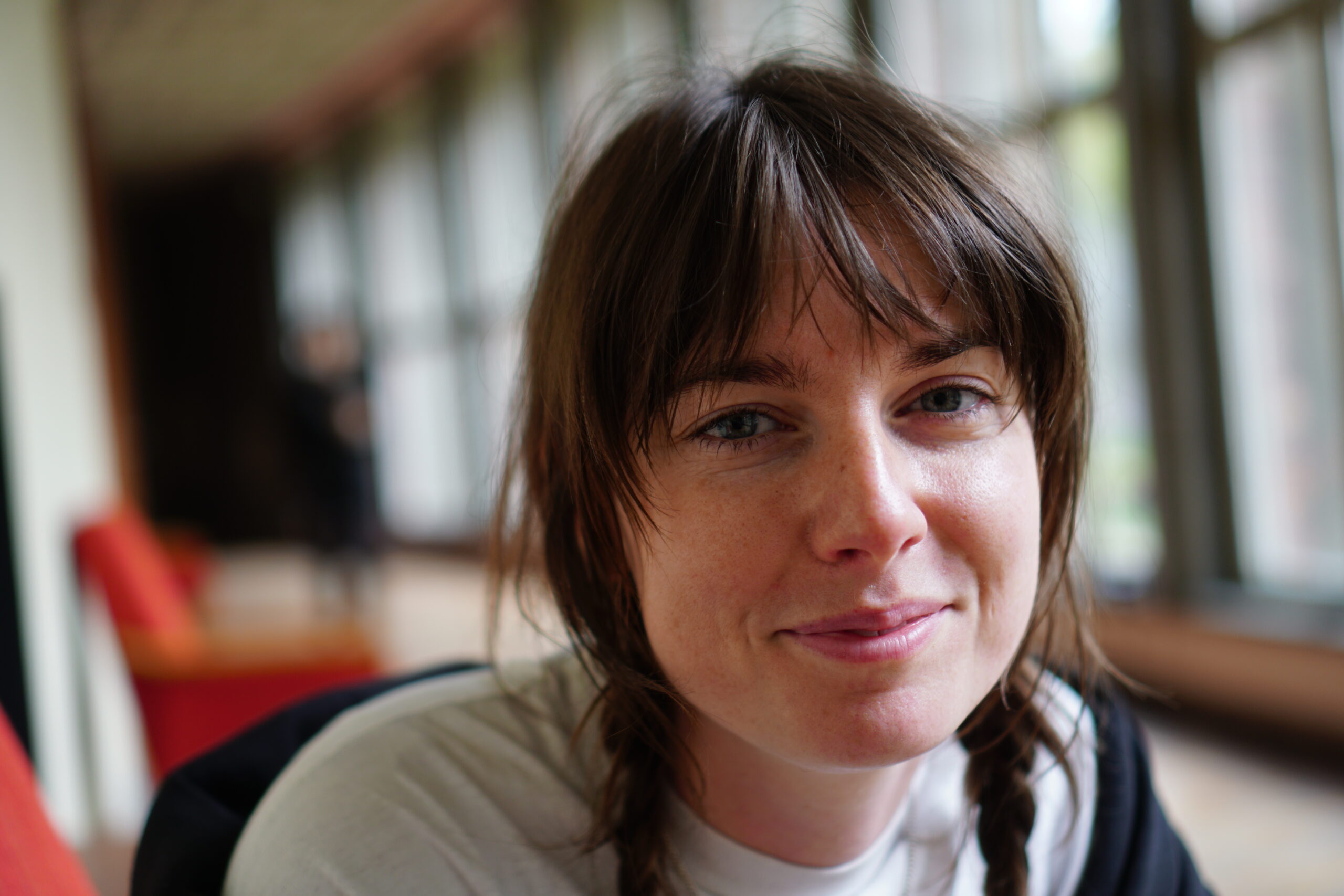
I decided to be a fly that could talk, and asked McMahon about her residency. Standing next to Ben Howard, she told me that she was simply delighted to be listening to him play. “I love hearing you. It makes me feel immediately calm.”
Ben Howard described the experience at PEOPLE as “a bombardment of senses for everyone. Everyone is so full of ideas and information that everyone has ended up on this plateau of panic and joy and reverie all at the same time. And it’s been a great leveler.”
McMahon agreed that musicians like themselves were accustomed to being leaders. They had their own bands, their own songs and set lists, and their own ways of working, but here they were being asked to relinquish some of that control. They could let go.
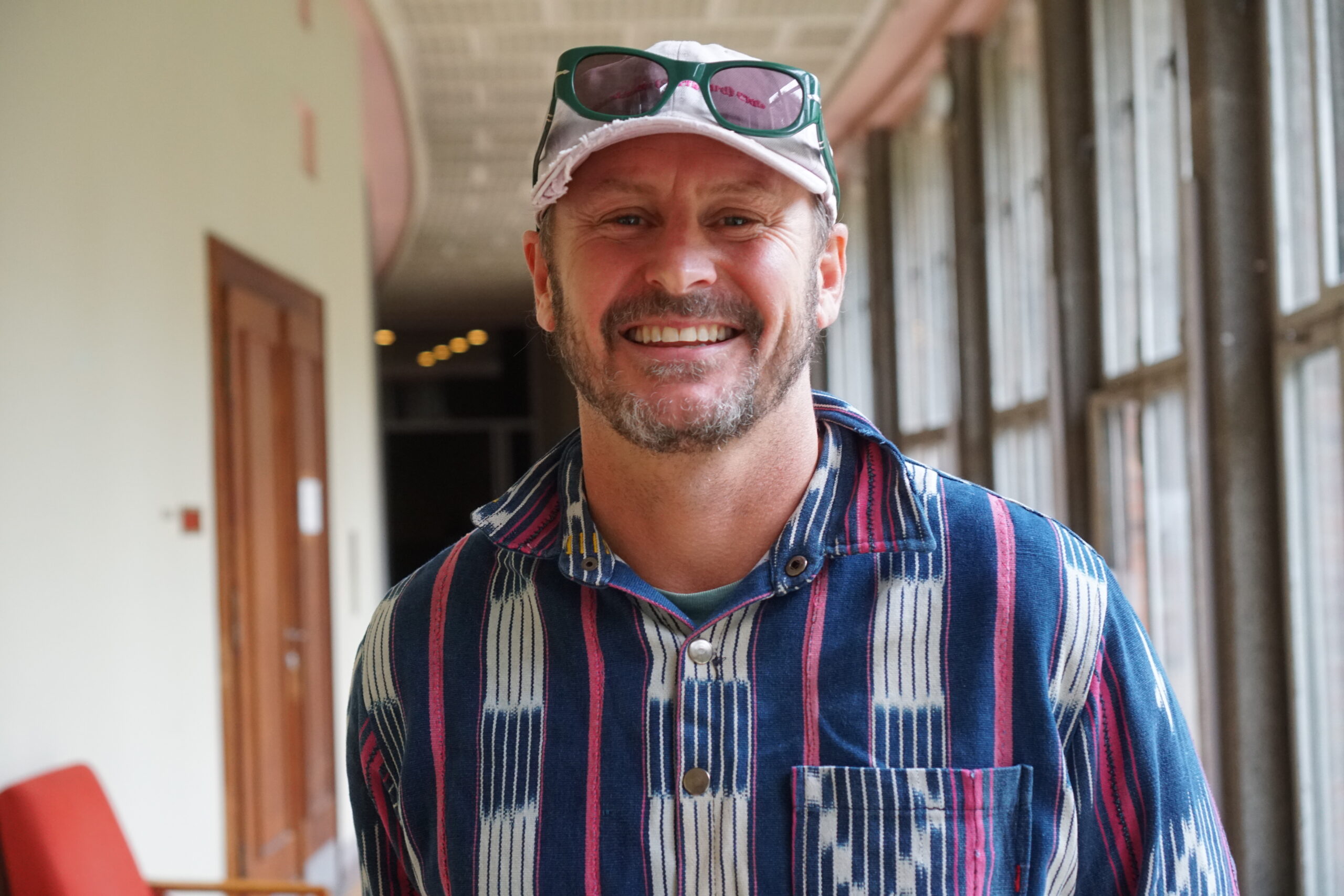
For Howard, the challenge was learning to listen. Playing songs for unfamiliar musicians could be intimidating, especially when everyone involved was so accomplished: “We’re actually all in our little echo chambers and little bubbles and the people we play with,” he said, explaining how unusual it was to be challenged by strangers. What surprised him was how willing everyone had been to listen.
McMahon had come to PEOPLE through Mary Hickson, the woman behind Sounds from a Safe Harbour and who was helping coordinate the event. We never talked but she seemed to operate like a fairy godmother, knowing when to intervene and when to let the musicians loose. She was given the hail of an emperor when the last show ended.
McMahon called the festival “band camp for us in the best possible way” and said it “felt like medicine, a balm in a difficult time” when the climate crisis and so many other problems were weighing on people. “We are so individual a lot of the time and I don’t think that really serves us,” she said.
Even though everyone was acting cool, the musical risks were real, I was assured. I asked Howard what would happen if the tune they were working on wasn’t going to work in front of an audience. “We run away,” he said.
An unsuccessful collaboration, he and Angie said, didn’t necessarily have to become a public performance, and they could mostly back out of commitments if they felt they wanted to.
Howard observed that the format of music festivals rarely changes, which was part of the reason musicians had been willing to drop everything to come to Berlin. In his view, an event that put artists and the creative process first represented a revolution in the format itself.
An extraordinary amount of organized chaos
Behind the scenes, the whole enterprise was running on an improbable combination of German organizational prowess, family and friends volunteering, and seat-of-the-pants improvisation. There were missing cables, monitors and other essential pieces of equipment. With so many musicians moving between studios, rehearsals and performances, the technical crew was continually trying to match the ambitions of the artists with the equipment available.
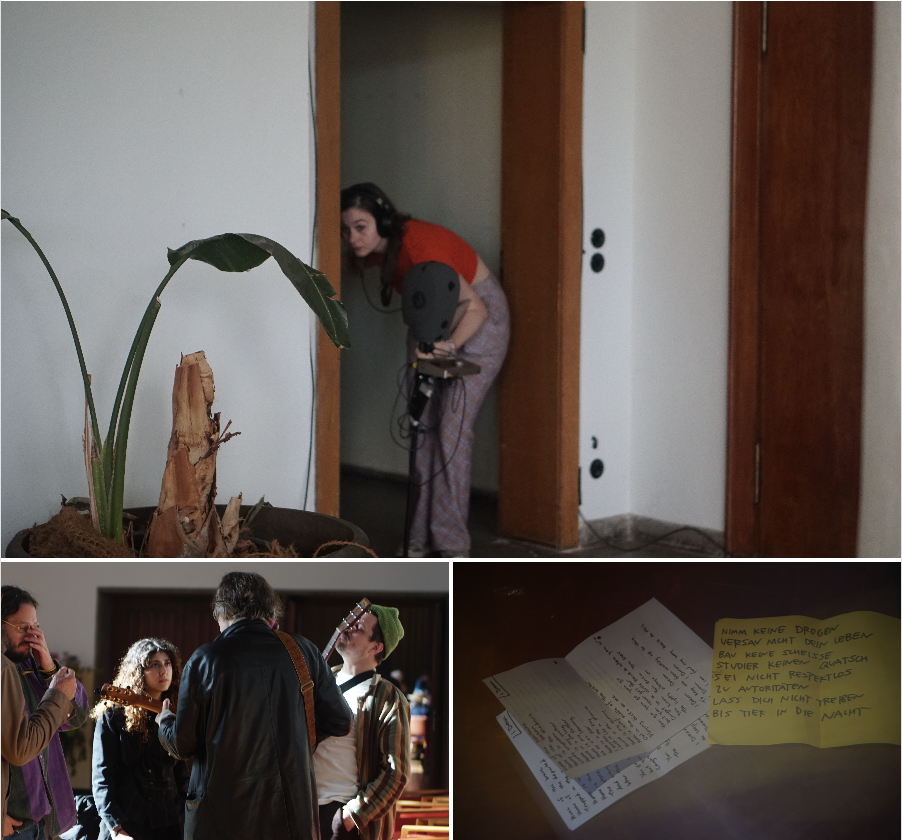
I watched crew members racing through hallways carrying boxes of stuff like the room was on fire, dealing with the practical consequences of an event whose entire artistic philosophy encouraged spontaneity. That may have been one of the festival’s greatest achievements. While the musicians were improvising artistically, the crew was improvising technically, sound crews and documentarians were recording the “making of PEOPLE”, and the audience was experiencing something close to magic.
Adrian Utley understood the artistic side of this bargain particularly well. “I have no problem playing one note in the whole tune if it means something,” he told me.
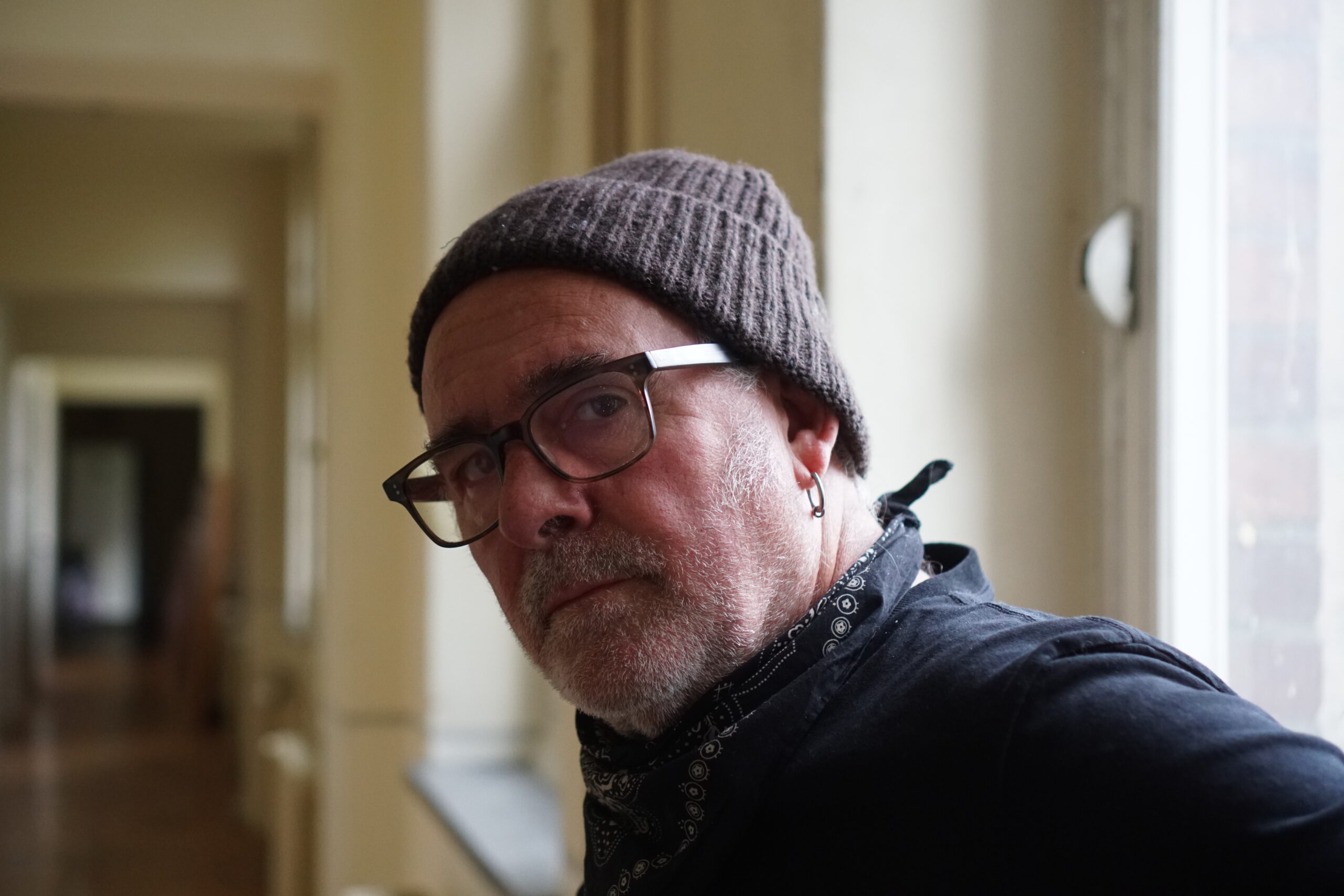
Utley, a guitarist and a co-producer of the 90s trip-hop band Portishead, liked the risk of jumping into musical situations without knowing how they would end, comparing the experience to jumping off a cliff. He said his head was so full of conversations that he would need a week to decompress and process everything.
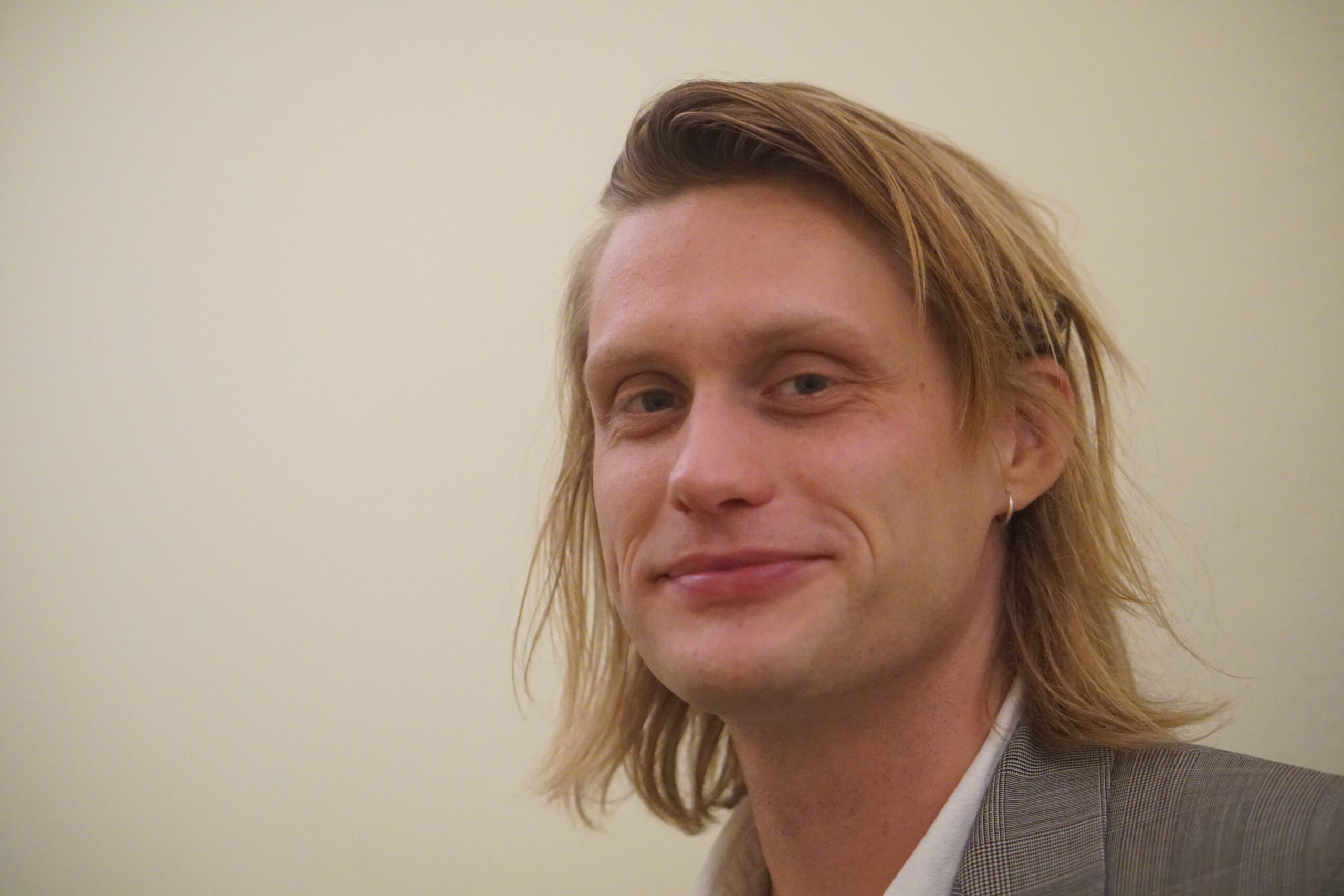
Montreal producer Howard Bilerman was operating an always-open recording room at the Funkhaus, where artists could wander in and record something they’d just written. Tim Tabellion, a local Berlin sound engineer, did the same on analog tape that he’d been rationing.
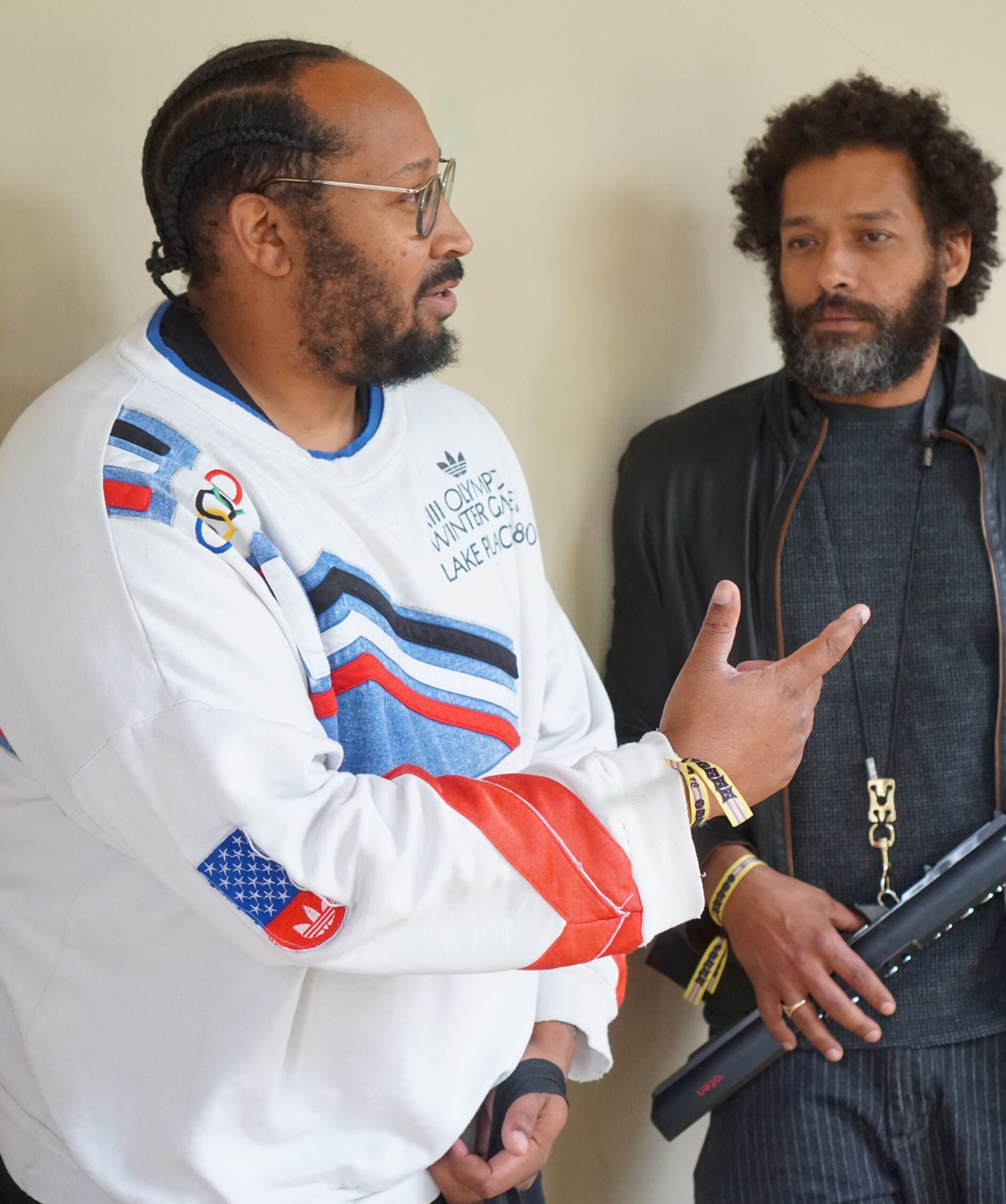
The corridors leading to the Funkhaus studios were like a doctor’s waiting room, except that the patients were waiting to lay down tracks or rehearse a tune. That’s where I met musician and songwriter Bartees Strange, and jazz drummer Makaya McCraven.
Bartees described the week as the best summer camp imaginable. He had attended Interlochen’s music camp in Michigan as a teenager, so he knew something about the format. His friend McCraven decided to try playing the EWI for the week, inviting collaboration on a more spontaneous level than dragging around a drum kit. McCraven liked the “safe space” feeling among the artists.
Howard Bilerman co-runs Montreal’s Hotel2Tango analog recording studio, and he offered every artist at PEOPLE free recording time at his studio in Canada. His daughter, singer and movie maker Svetlana Citta was also participating and had performed a set on a boat. “She sang like an angel,” I overheard someone in the audience say afterward.
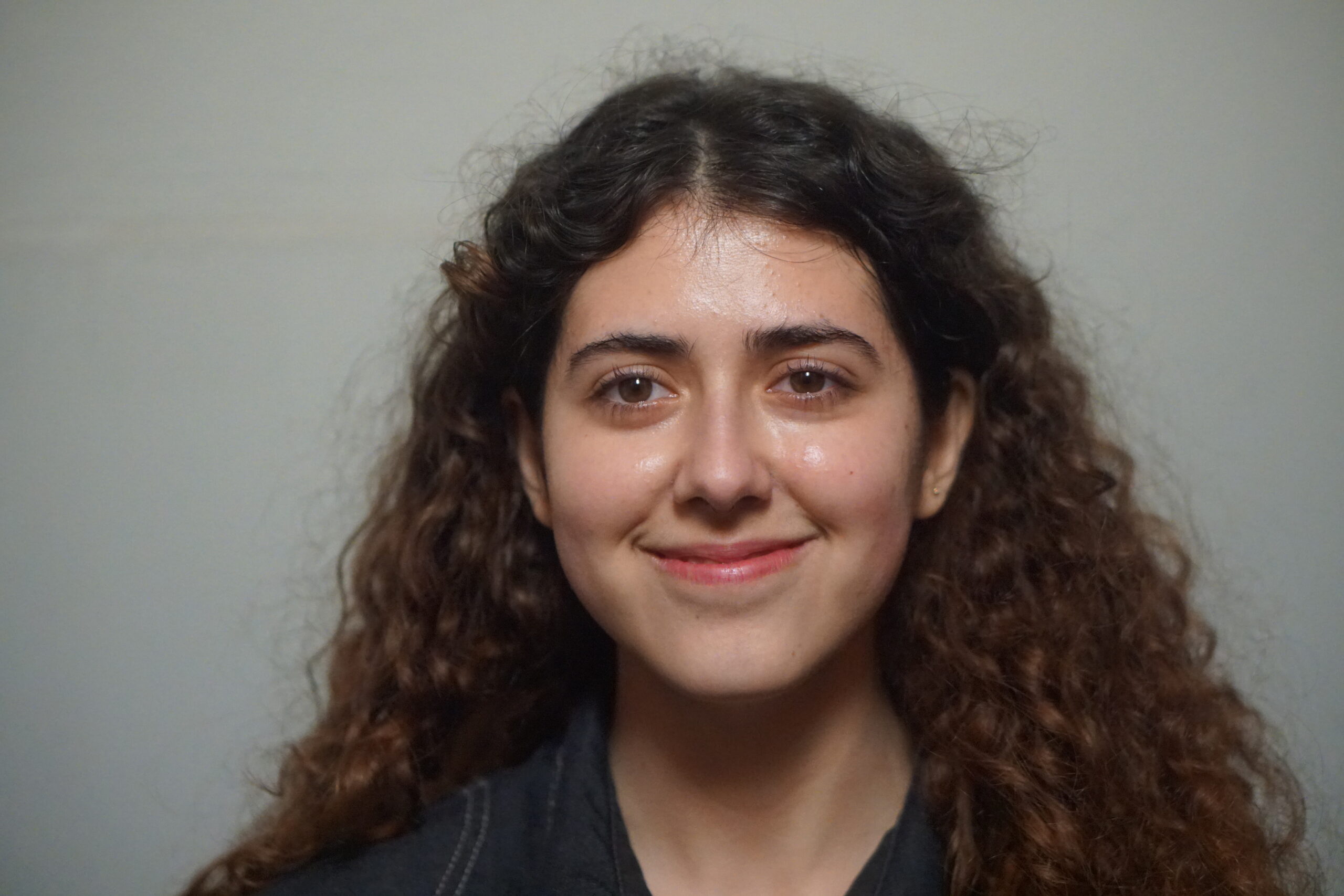
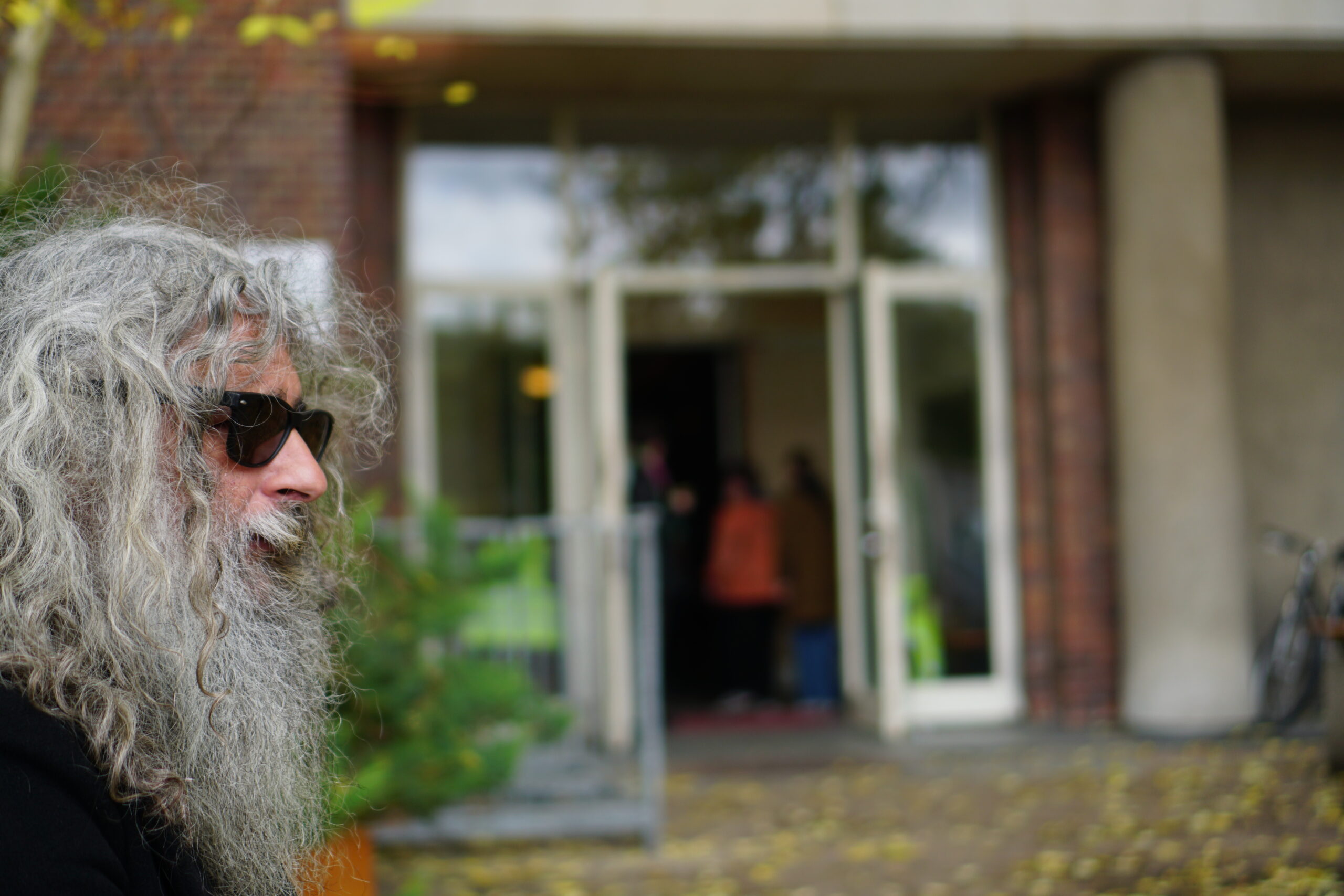
I met Efrim Menuck, the furry Montreal musician from Godspeed You! Black Emperor smoking and sitting on a bench outside. He hadn’t experienced anything quite like PEOPLE before, although he compared the nurturing aspects of it to Montreal’s Phi Centre: “It’s more like playing with friends that I don’t get to see that often,” he said, explaining that his dance card had been full since the first day he arrived.
I also ran into Emil Svanängen who performs as Loney Dear: “I’ve been ambling and rambling around. I am slightly lost as it’s my first festival and I am hoping to crash a few concerts. It’s a daring concept,” he says.
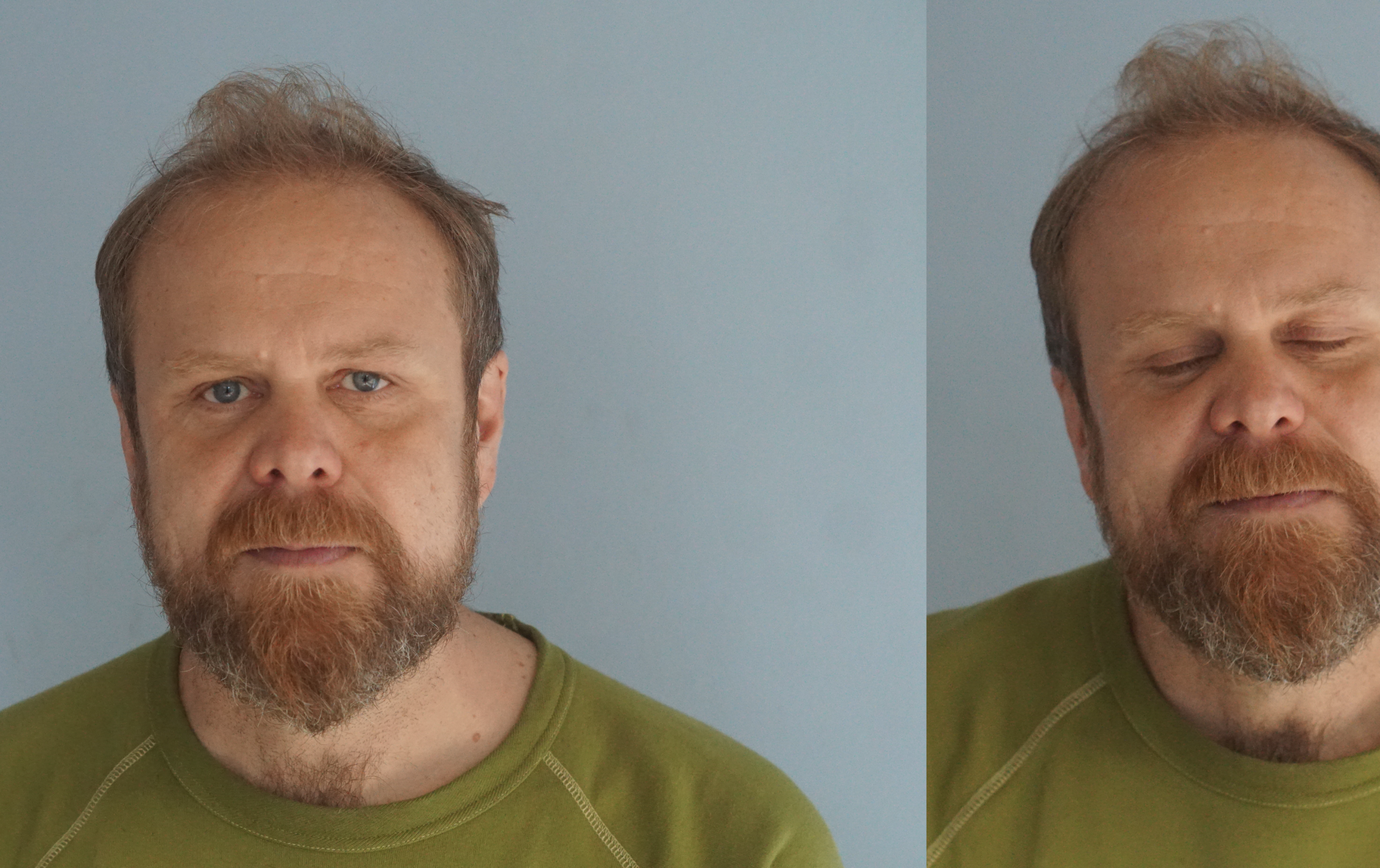
There was also an unusual mix of generations. Bilerman, like the Dessners, was mentoring younger musicians without making a great performance of it. He wanted to warn young hopefuls that one can easily “fumble in obscurity” while navigating what he called the “parasitic” music industry.
“Don’t take quick opportunities but play the long game,” he said, pointing out that contracts signed early in a career could tie musicians to obligations lasting years. He mentioned independent labels such as Jagjaguwar, Transgressive Records, Constellation, Merge Records and the Secretly Group as companies young musicians should know about.
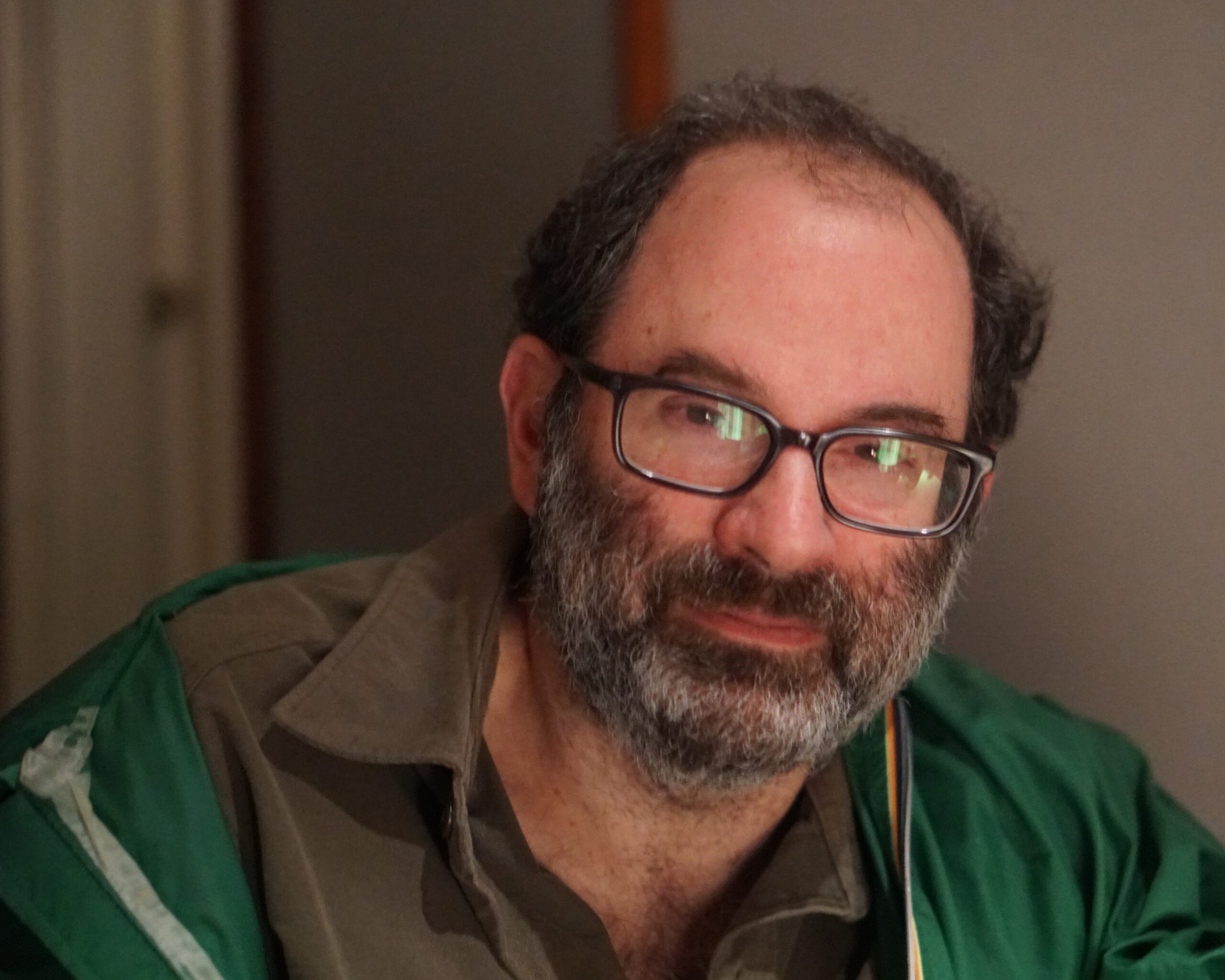
The conversation happened in a strangely preserved recording room which felt like a closet, sealed off from outside sounds and, seemingly, the internet. Bilerman told me about receiving an email from Leonard Cohen asking him to record what would become songs for Cohen’s final album. At first, Bilerman thought the email was a practical joke by Vic Chesnutt, the musician he was recording at the time.
The Michelberger family business
The songwriters, musicians, studio engineers, the Dessners – none of the artists could have created this world alone. There was another family holding it together: Tom and Nadine Michelberger, the couple behind Berlin’s Michelberger Hotel, who provided the physical and emotional infrastructure for this temporary utopia. They said hello to me with bear hugs.
Their world extends beyond hospitality and a Kreuzberg hotel that serves great coffee, exceptional cheese and musical jam nights. There is their farm in the Spreewald Biosphere Reserve, their Fountain of Youth coconut water and a particular enthusiasm for making strangers feel as if they belong.
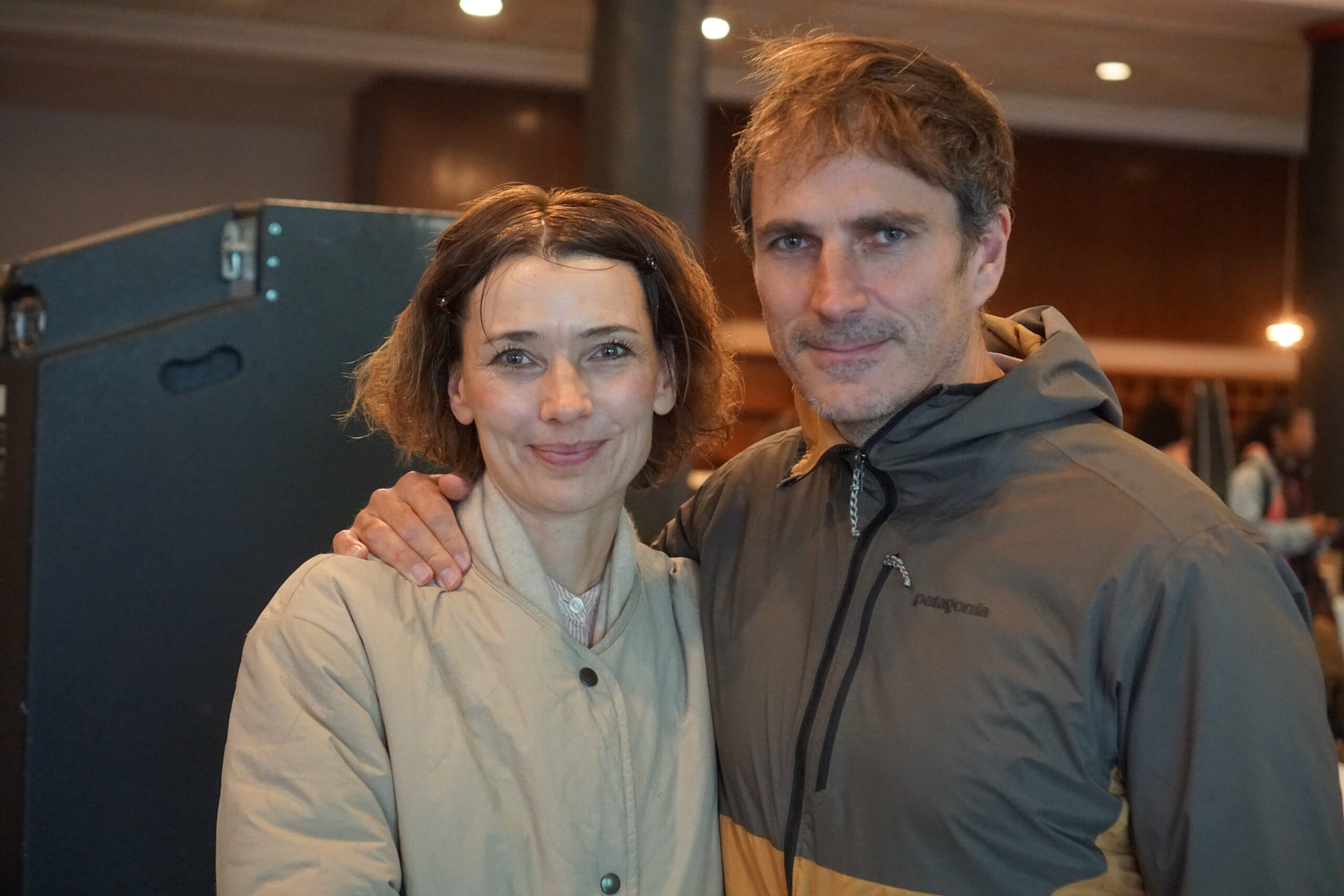
The handsome couple have created their own Xanadu in which music, food, farming, design and community aren’t separate businesses but parts of the same self-healing organism. At PEOPLE the Michelbergers provided the artists the cushion of cozy loft rooms, sourdough bread, courtyard campfires and home cooking. Their communications staff Lukas Freitag was cordial and careful in retelling delightful family stories such as the great apple crumble bake-off last summer between Tom Michelberger’s mom and aunt, and three Michelin-star chefs.
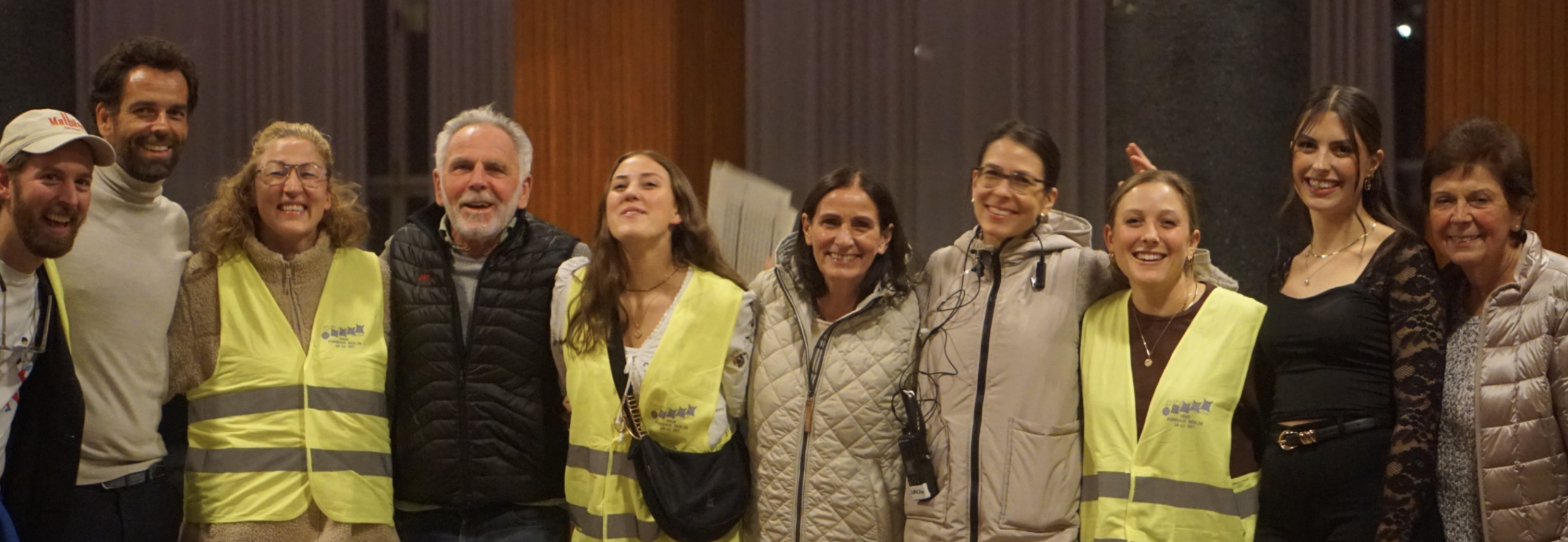
The Michelberger hotel was the cocoon and every day the artists were boated or bused over to the Funkhaus. The Michelbergers hoped to break even on the ticket sales. But it would require a village. Former Michelberger employees returned to volunteer, along with friends, cousins, parents and aunts. Tom’s mother and aunt came to bake enough apple crumble for 300 people in the hotel basement, and siblings, cousins and aunts came to work.
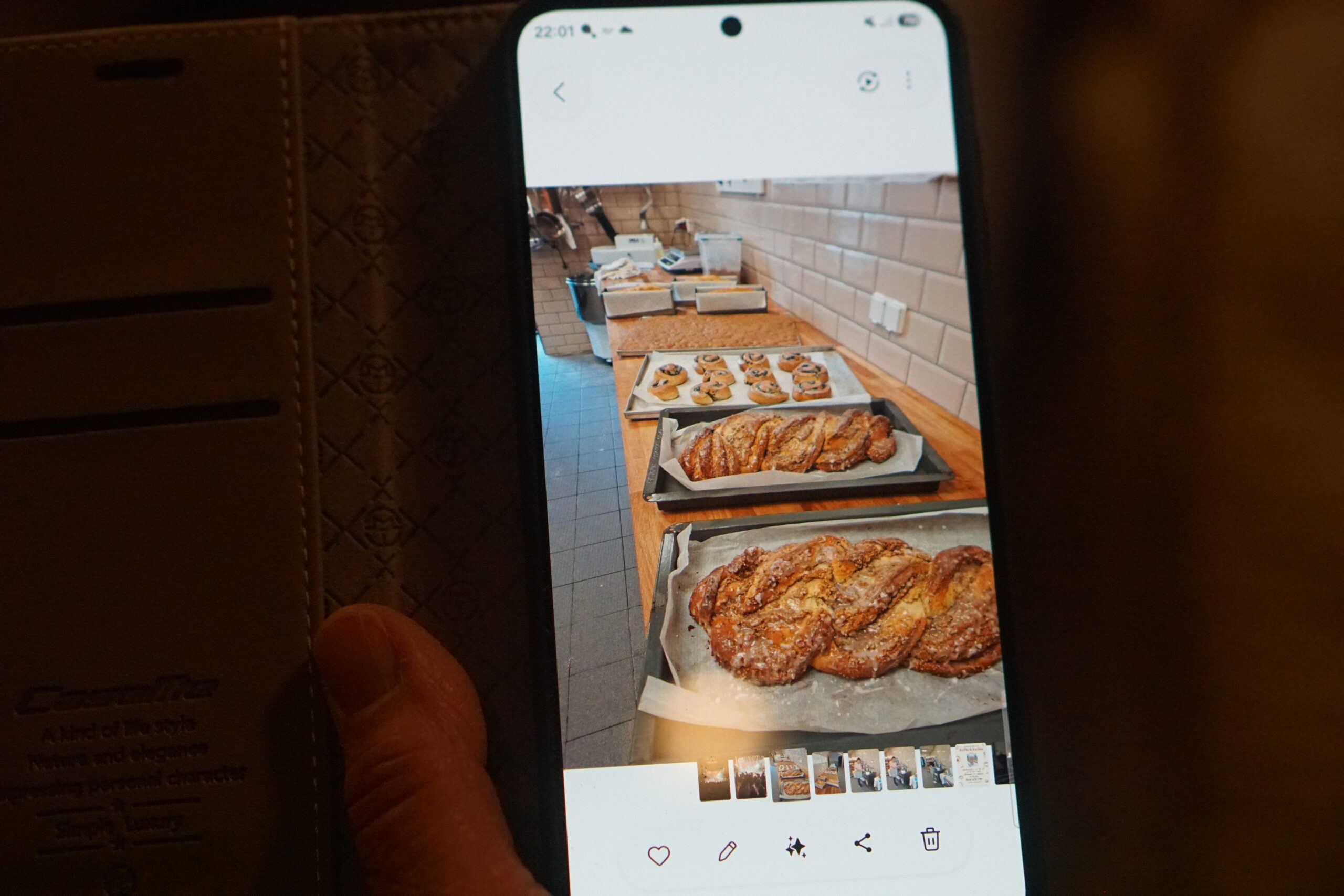
The catering was practically an art installation of its own, with fair-trade blue cheese, kimchi, noodle bowls, bricks of butter, vegan burgers, ginger shots and coconut water. The musicians told me the food was Michelin-star quality.
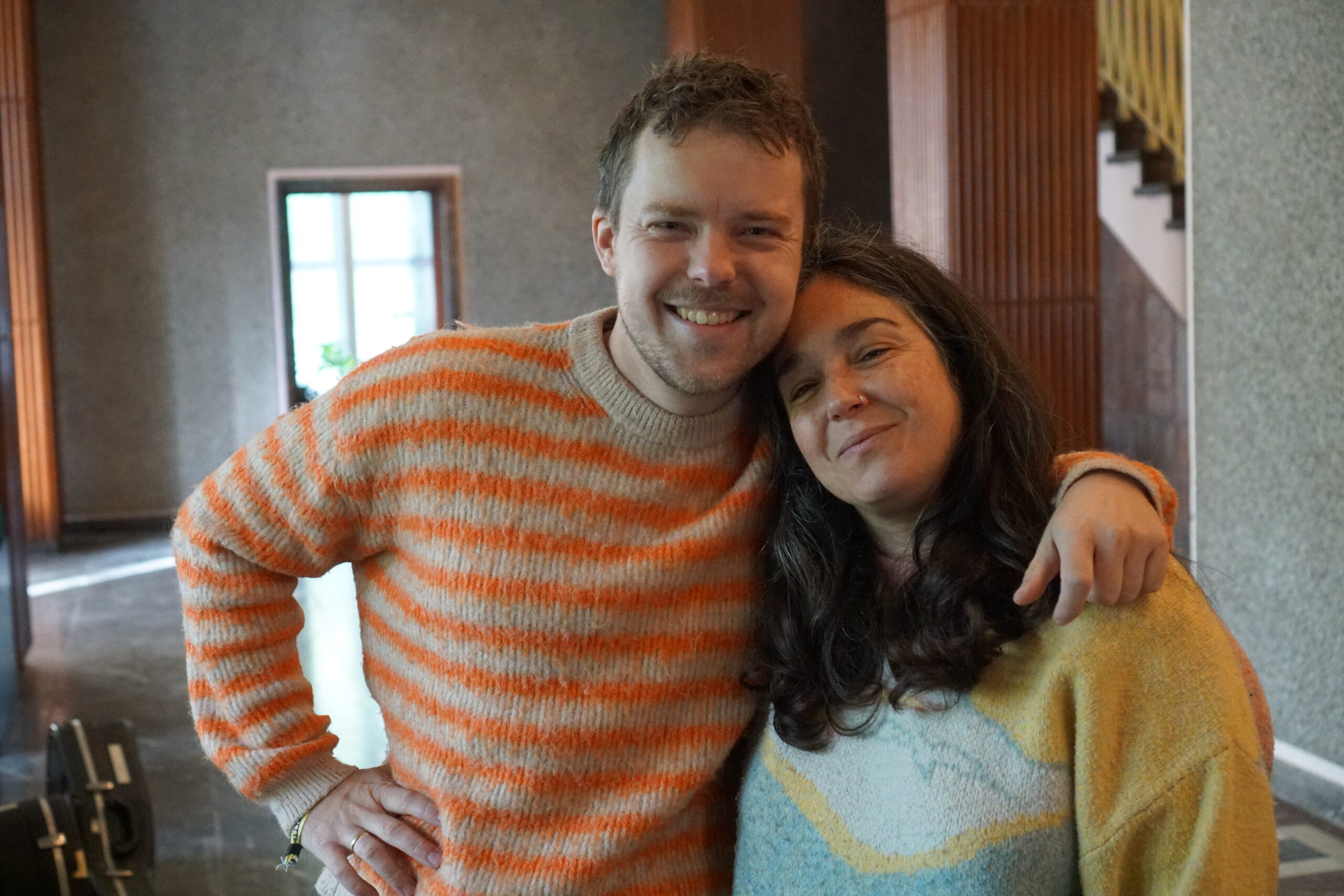
Miriam Millan, the Michelbergers’ social media manager, was crying with happiness over the people, the music, her chance of being part of PEOPLE whenever we met. She attributed the atmosphere to Nadine Michelberger, who had welcomed the musicians with personal crystals, flowers, and Palo Santo smudging.
What does Aaron Dessner think of the Dessner effect? I asked him what it felt like to be the anchor, but he guffawed.
“I think everyone’s contributing,” he said. “It’s such a dream that it’s back.
“Yeah, it’s very heartening to have a chance to come together with no real plan and to see what happens. And everyone plants seeds that they can harvest in the future, and we kind of get out of the machinery of the music industry,” Aaron said.
“You know, lots of things that would not normally happen, or can’t happen, do happen here. And people get to just have fun playing with the symphony radio orchestra, in the building that it was built for. Just amazing.”
Much of HIS PRODUCTION instinct, DESSNER said, developed at PEOPLE years earlier.
Unlike the usual music-industry gatherings, PEOPLE has no obvious pecking order. “There’s none of the usual hierarchies that are so dominant in the industry, and kind of, like, flatten everyone’s potential or something,” Dessner explained. “Everyone feels involved, everyone feels equal, everyone feels open-hearted.”
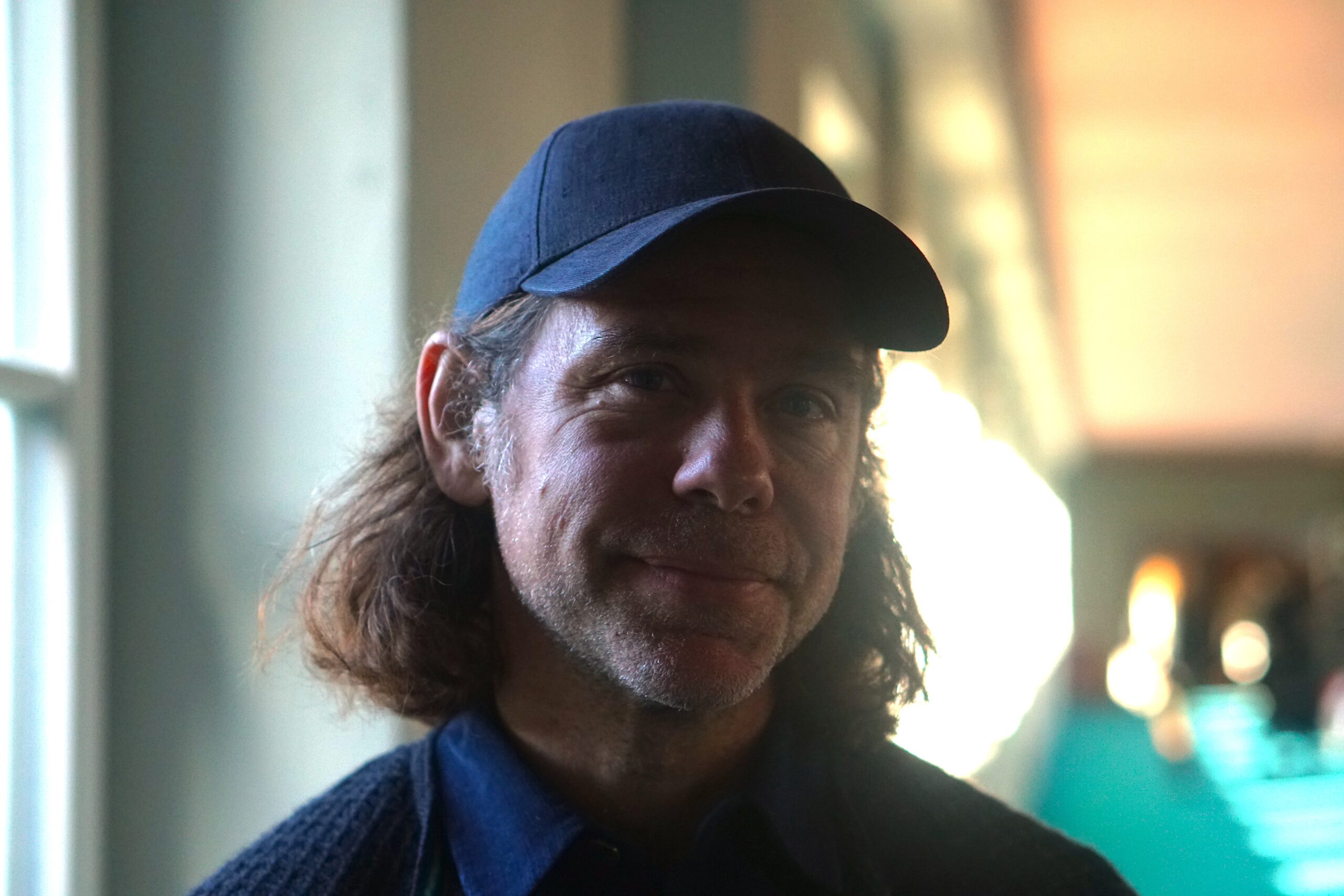
Despite his extraordinary career as a music producer, Dessner said he never deliberately set out to be one. “It just sort of happened, and kind of out of necessity,” he said. Years of collaboration taught him to feel comfortable sitting down with musicians he barely knows and discovering what they might create together. Much of that instinct, he said, developed at PEOPLE years earlier.
This year, he found himself taking a different role. “I feel like I’m mostly listening, or I’m trying to listen more than play, although I’m also playing.”
When I asked what such gatherings give him personally, he connected music-making to his mental health and the freedom to rediscover the original impulse behind creativity. “It encourages sort of, in a sense, just reconnecting with why you make music in the first place.”
Our conversation turned to young musicians navigating social media and artificial intelligence. Dessner acknowledged the pressure on emerging artists to be constantly visible, describing the demand for “360 degrees of existing in an extroverted way online.”
Some musicians thrive in that environment, he said, while others suffer. On AI-generated music, he was far less ambivalent. “I think AI can’t possibly be good for music,” he said. “I think people should just learn to play instruments.”
He allowed that the flood of synthetic music might eventually deepen appreciation for human performance. “It’s kind of amazing, like how human it looks now. It’s just scary that there’s something about it – it’s all sampled from original sources, and it’s kind of boring.
“It’s dystopian. It’s kind of interesting, but also, like, definitely would love to push against it.”
There is also a contradiction worth acknowledging at PEOPLE. A week in Berlin is a luxury, especially for artists with children, financial obligations or little control over their schedules. Who can afford to spend a week making art without being paid, and how does an invitation-only event avoid reproducing the same hierarchies it hopes to dissolve?
PEOPLE was built around trust and friendship, but friendship has its own networks and boundaries and probably that’s a good thing. The reminder here may be for us to build that trust and those friendships so we can illuminate and be illuminated by the community around us.
Leonard Cohen, reincarnated
My backstage access allowed me to wander into rehearsals the public wouldn’t see, including one of the most memorable musical gatherings of the entire festival. This wasn’t a regular cover band. Adam Cohen was arranging a tribute to his father Leonard with a group of musicians he’d selected, including Angie McMahon, Pomme, Ben Howard, Leif Vollebekk, Victoria Canal and the Irish folk duo Ye Vagabonds. Adam’s son Cassius Cohen was on bass.
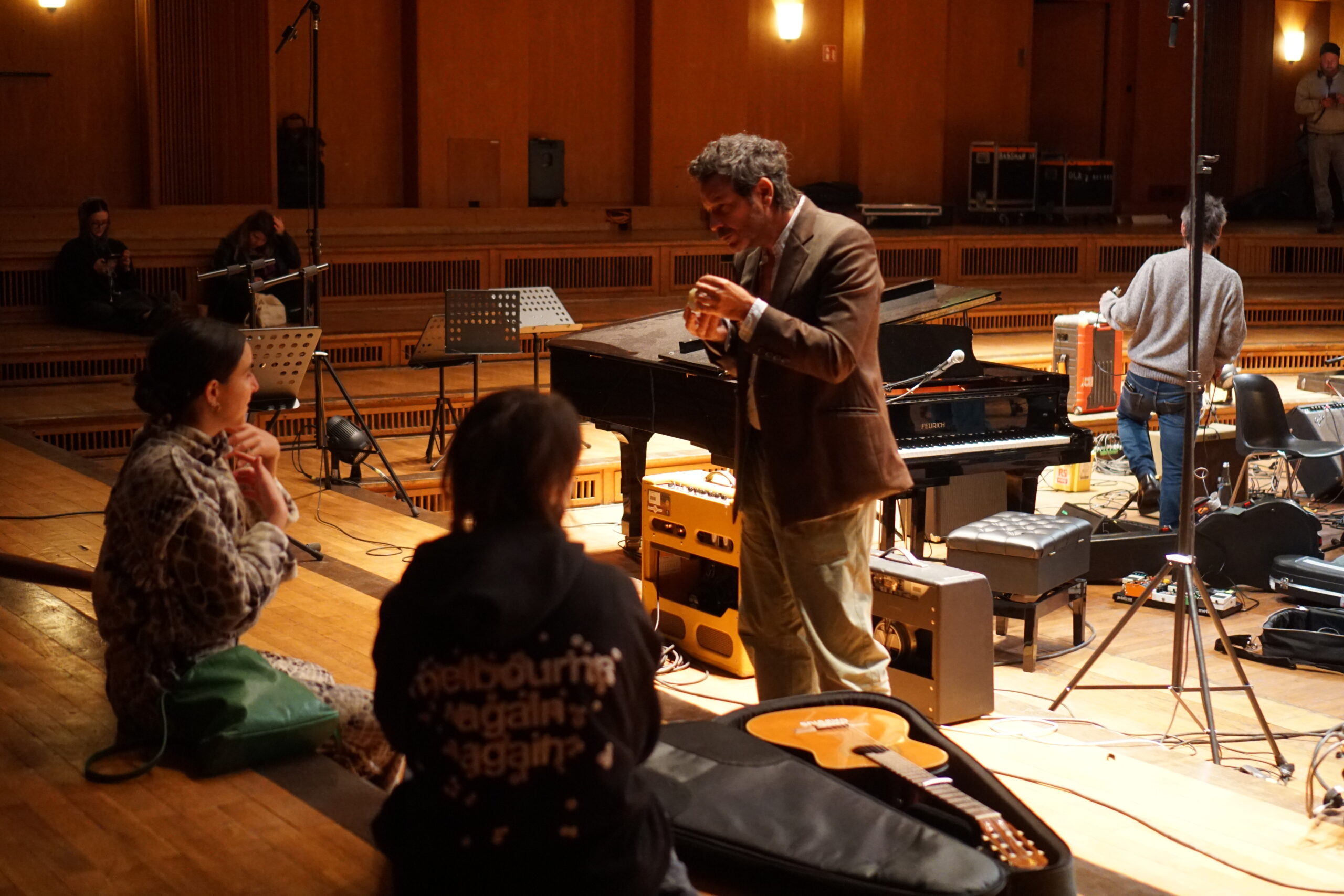
Cassius told me: “It’s an honor to be a part of the Leonard Cohen Tribute Band. It’s special and it’s needed but at the same time ‘following in footsteps’ can be dangerous especially if they are bigger than yours. For me and my life I want to find my own footsteps.
“PEOPLE has been a perfect place to get past that. It’s been one of the best weeks of my life, truly. One of the most judgment-free zones. You can be who you are with no expectations, or judgments, and work with just great, accomplished artists.”
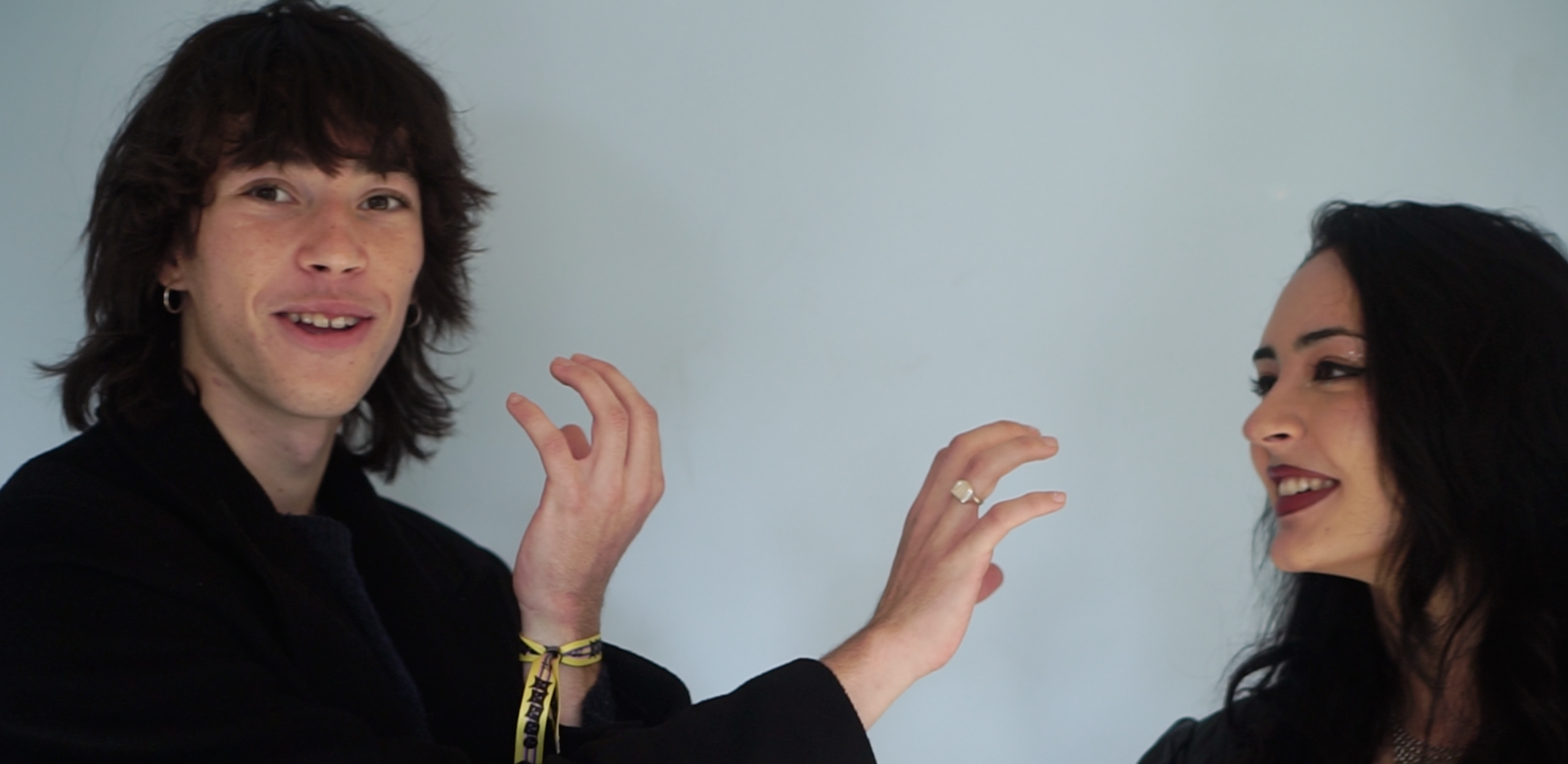
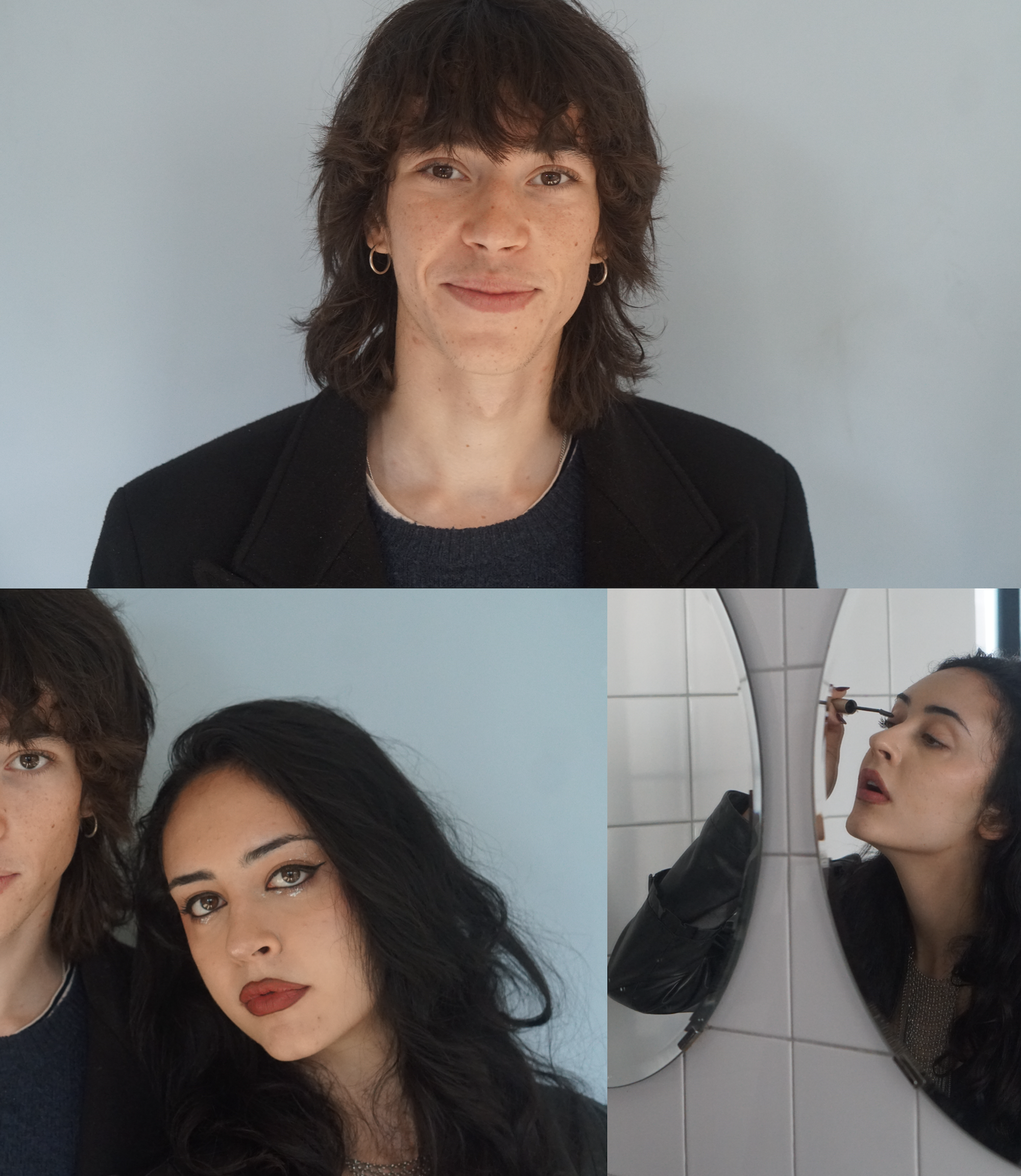
“I’ve been working on a song of mine, with Mavi, recording it. We sang a duet, real old school, just two microphones facing each other.”
Cohen said he was also happy to work with Victoria Canal, “one of the most talented, incredible musicians, and one of the sweetest people I’ve ever met.”
The rehearsal had the intimacy of a family gathering and the intensity of the time limits in a recording session, with Adam Cohen interrupting to offer suggestions and guiding musicians through his father’s songs. Adam has inherited his father’s voice so this wasn’t a regular cover band.
At one point, he turned to Cassius and said, “I think it’s too naked to leave it now. We need to do something.” He told the Ye Vagabonds brothers, Brían and Diarmuid Mac Gloinn, to look at each other rather than the audience. On Dance Me to the End of Love, he asked the performers to end with “a tiny bit of searching.”
McMahon brought her extraordinary voice to Lover, Lover, Lover, while Vollebekk’s interpretation of In My Secret Life was heartbreaking. He was crying into it.
View this post on Instagram
In the hallways, another kind of magic was unfolding. The Sirens, a movable group of women vocalists, rehearsed in a corridor near the canteen. People stopped on their way to eat, and Adam Cohen made a U-turn to listen. The same was true of the many other encounters I witnessed.
Gail Ann Dorsey spoke with me about her career, including why she had turned down an opportunity to work with Prince. She would sing Light Years in the Mixed Tape session with members from The National.
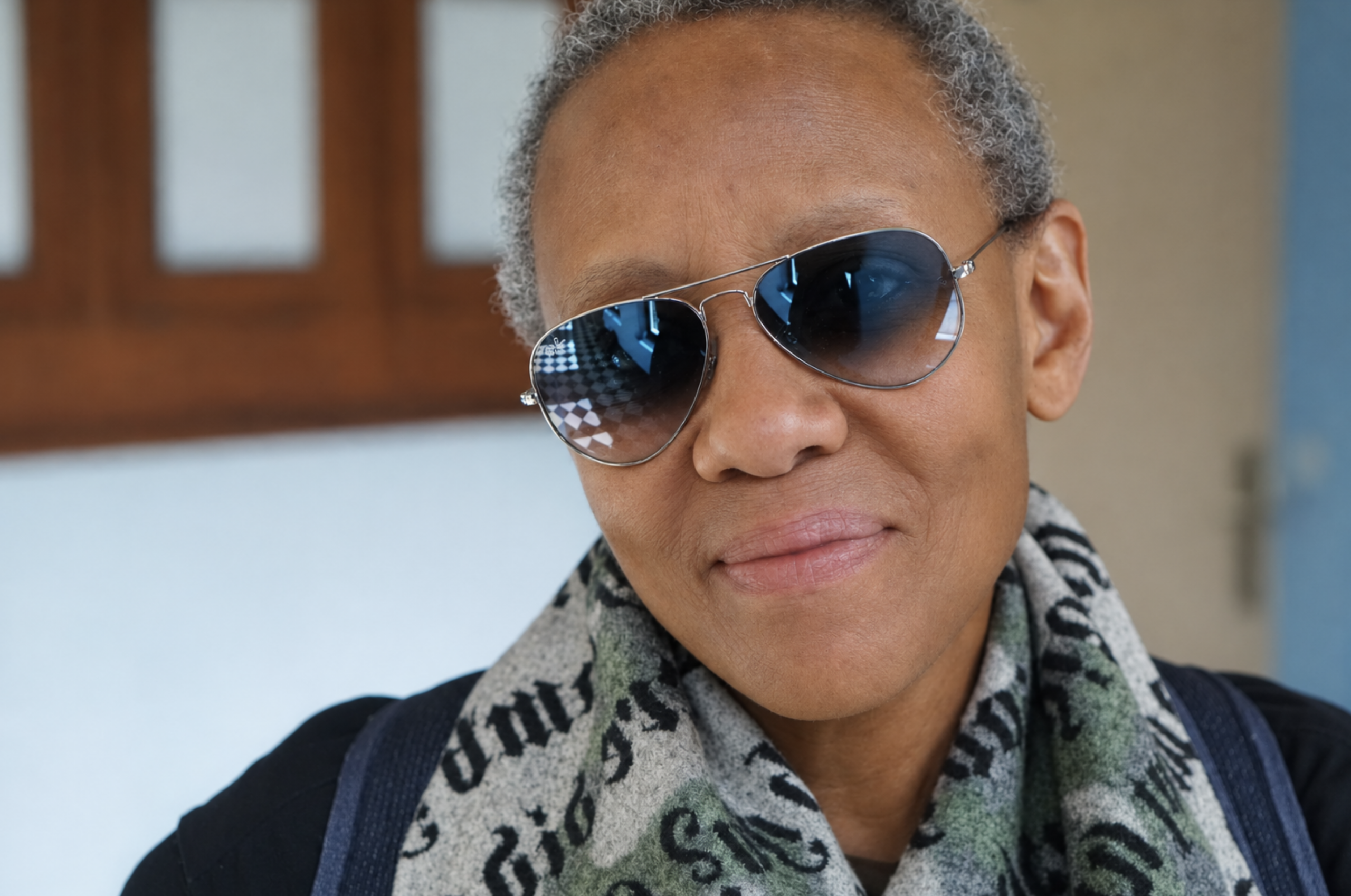
Swedish singer Amanda Bergman talked about her regenerative farm and her relationship with technology. “AI doesn’t care if I am frightened of it or not,” she said while explaining that she allows the animals and nature on her farm to find their own rhythms.
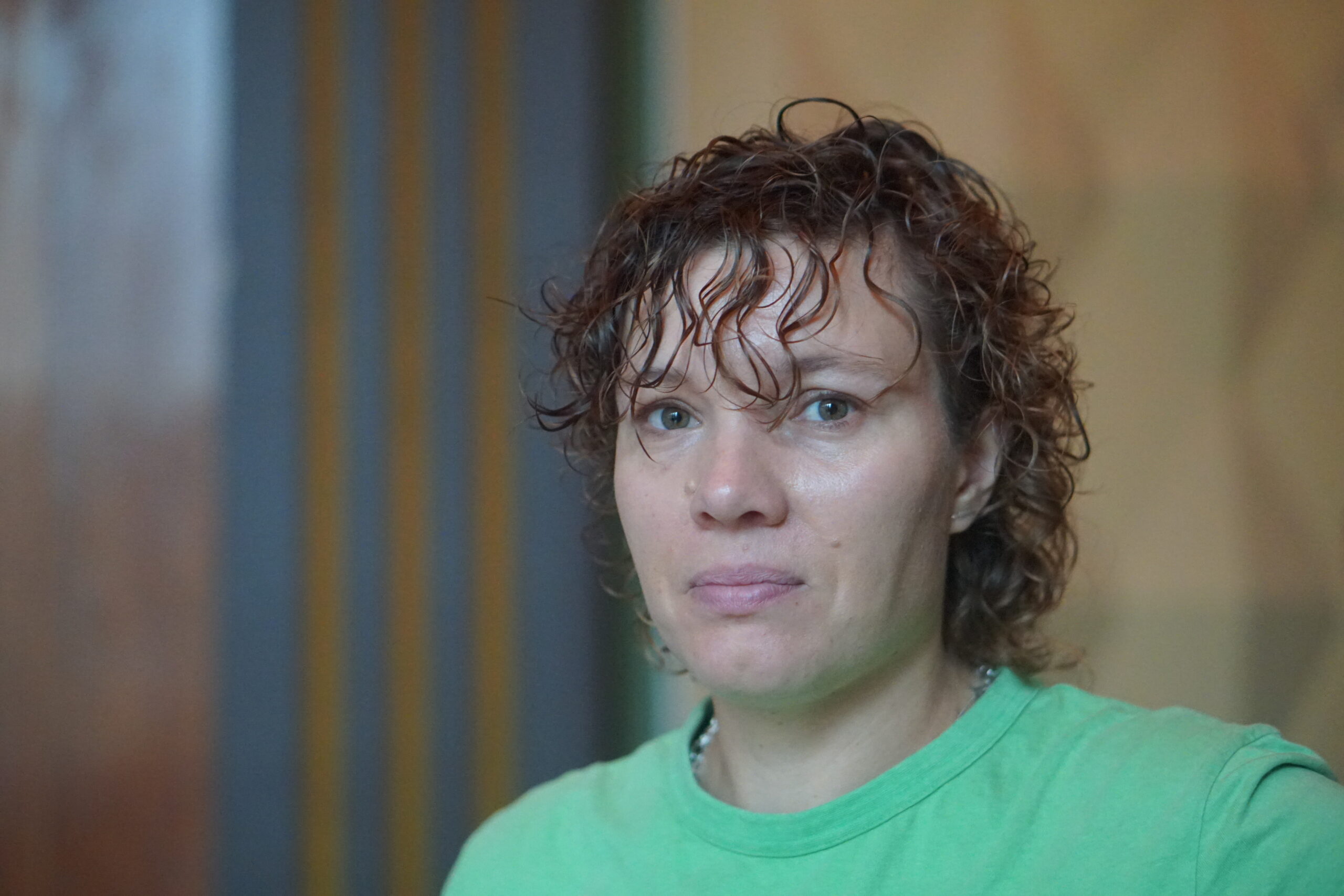
Pomme told me that her sister had done carbon accounting on a previous tour as a school project, helping her understand how the tour bus, equipment and travel could be managed more environmentally responsibly. She will take that learning into her next tour.
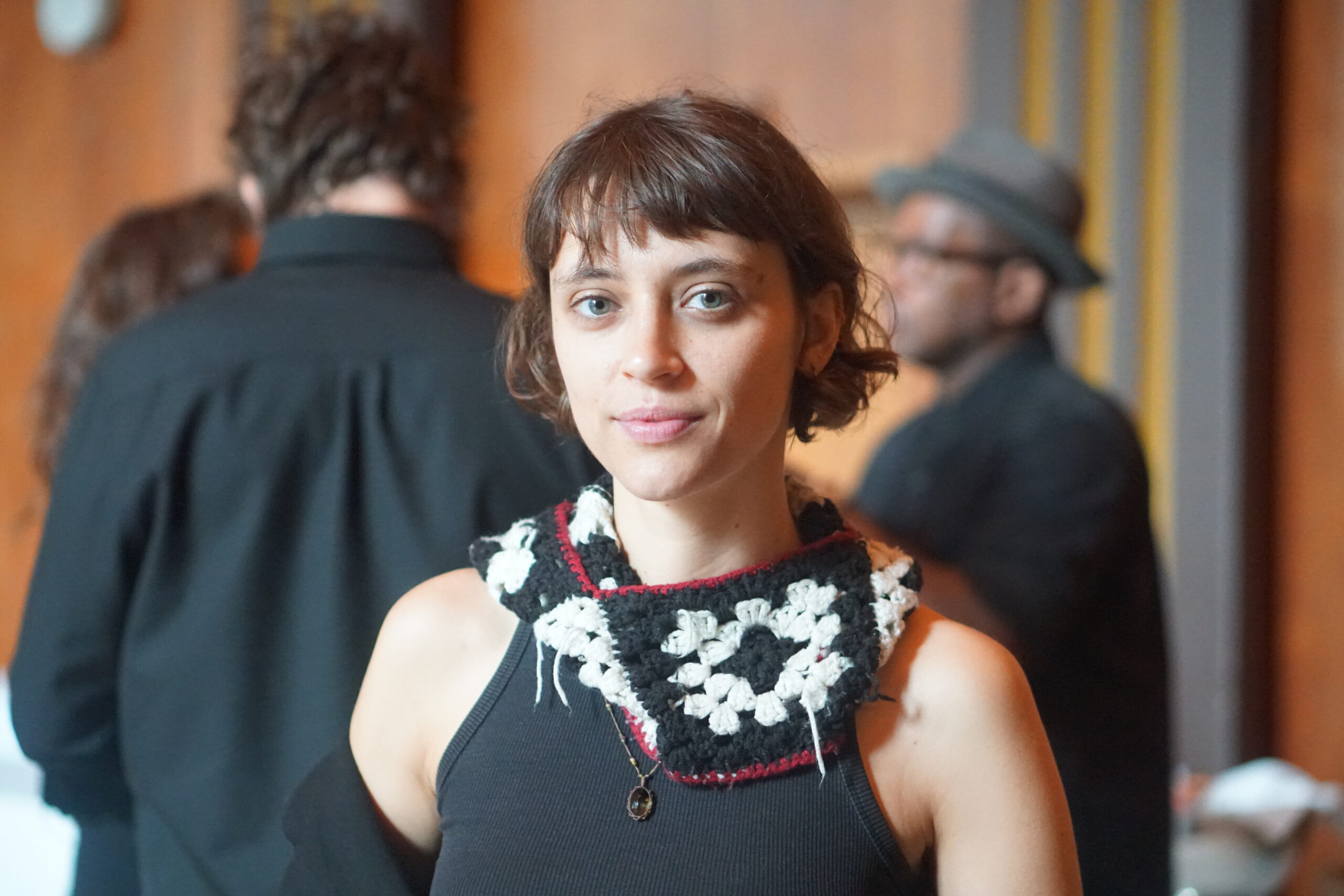
These conversations weren’t part of the festival’s official program, but they revealed something about the people drawn into the PEOPLE orbit. They were thinking about music, but they were whole people who were into climate issues, farming, technology, world conflicts, artistic independence and questions about AI in art.
The music that might never be heard again
One of the paradoxes of PEOPLE is that some of its greatest performances may never be heard again. Songs were being written, rehearsed, performed and recorded almost as quickly as they were imagined, but music rights are complicated, particularly when an improvised ensemble contains artists signed to different labels and publishing arrangements.
Bilerman told me he’d helped compile recordings from a previous PEOPLE festival, only for the collection to be taken offline because of rights complications. For an industry obsessed with content, ownership and monetization, this seemed heretical.
There were no television crews following musicians around during rehearsals, and only a small number of documentarians and photographers had access to the private creative world. Phone use among audiences was discouraged. The musicians, meanwhile, moved freely through the building.
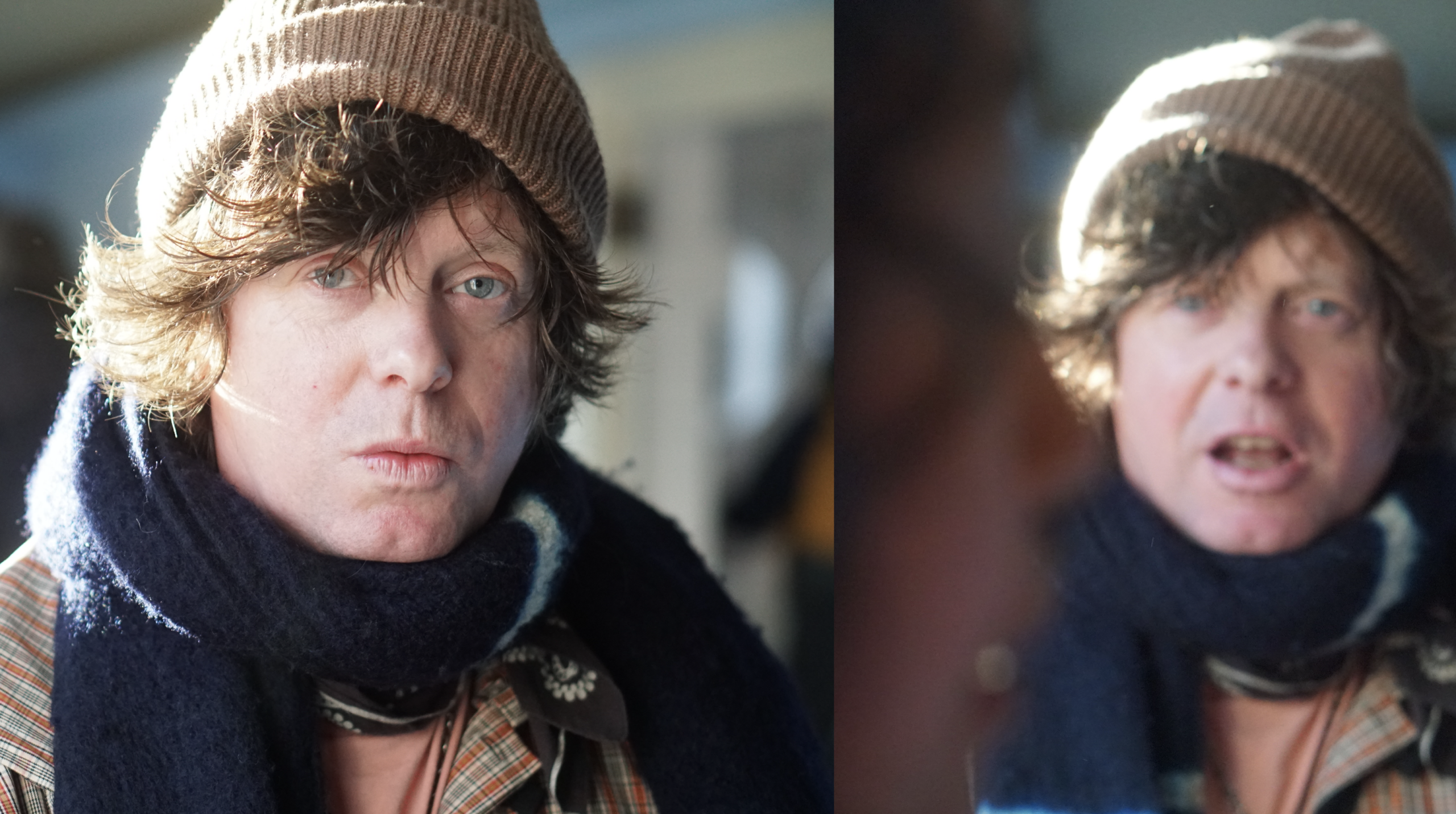
Fionn Regan might be strumming Bruised Hurricane in the hallway wearing an Uzbek chapan. Utley might be drilling his electric guitar with a guitar orchestra in a performance hall, while a group of singers gathered on a staircase to try out something they’d written an hour earlier. There were performances I missed entirely, including Honky Tonk, protest songs and a dozen other shows I would have loved to see.
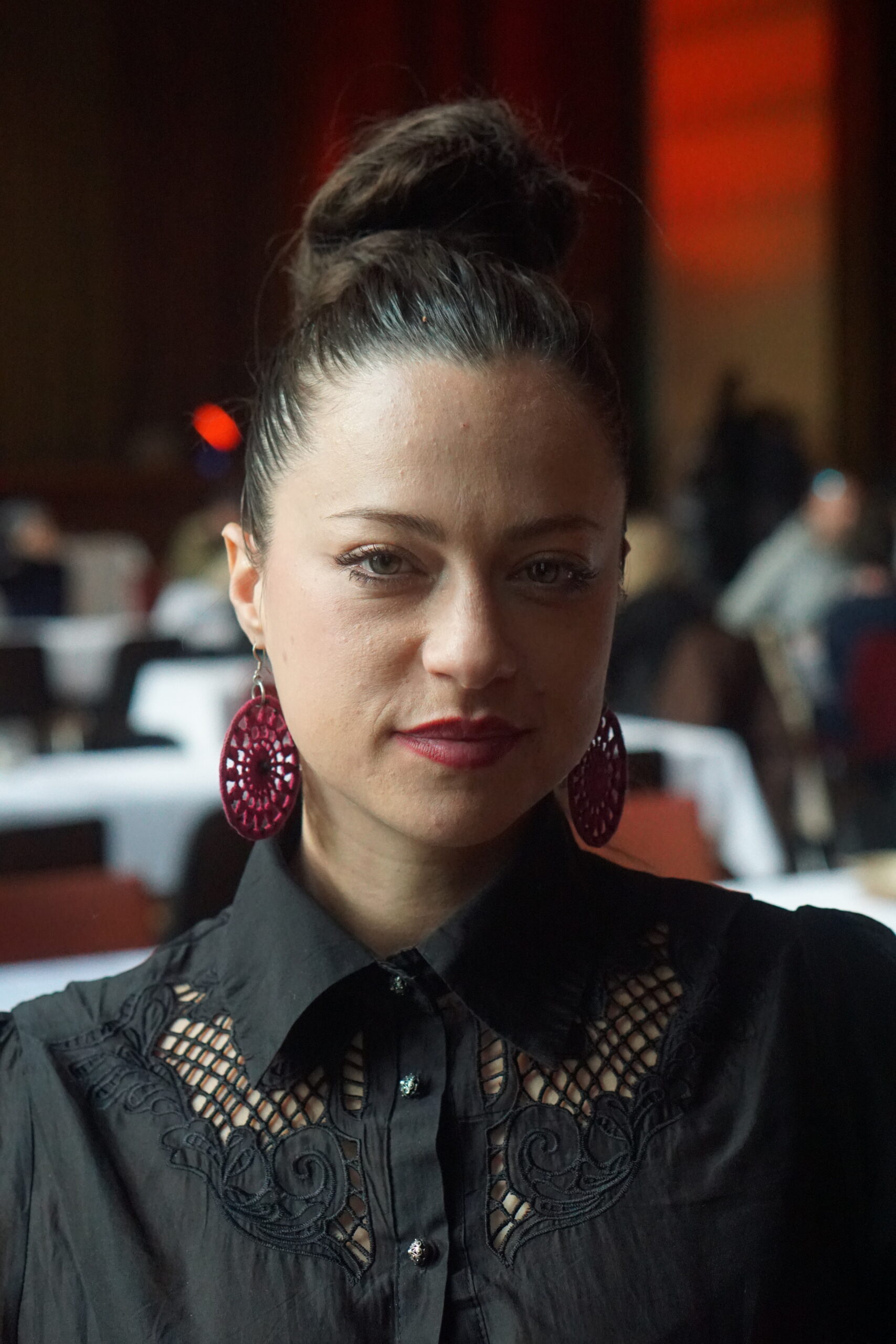
Daniela Pes, the Sardinian singer, delivered a cosmic aria, like an opera singer dying on stage. Every note seemed to take something out of her, as though she were giving the performance her last breath. I caught Berlin’s IUMA speeding off in a minibus after rehearsal to perform Frau, a feminist protest song, at a secondhand clothing store. She was a bit regretful about overbooking, but her family would be there to help. She told me we needed to demolish the patriarchy.
Frau is a protest song: “Because when we stay silent our whole life, nothing will change. And I’m very thankful for feminism, and I’m very thankful that it’s going forward, because there is still a lot of problems in this world, and most women are not free at all. That’s the thing I can do. I’m bringing my voice into the whole universe, and from there try to touch people.”
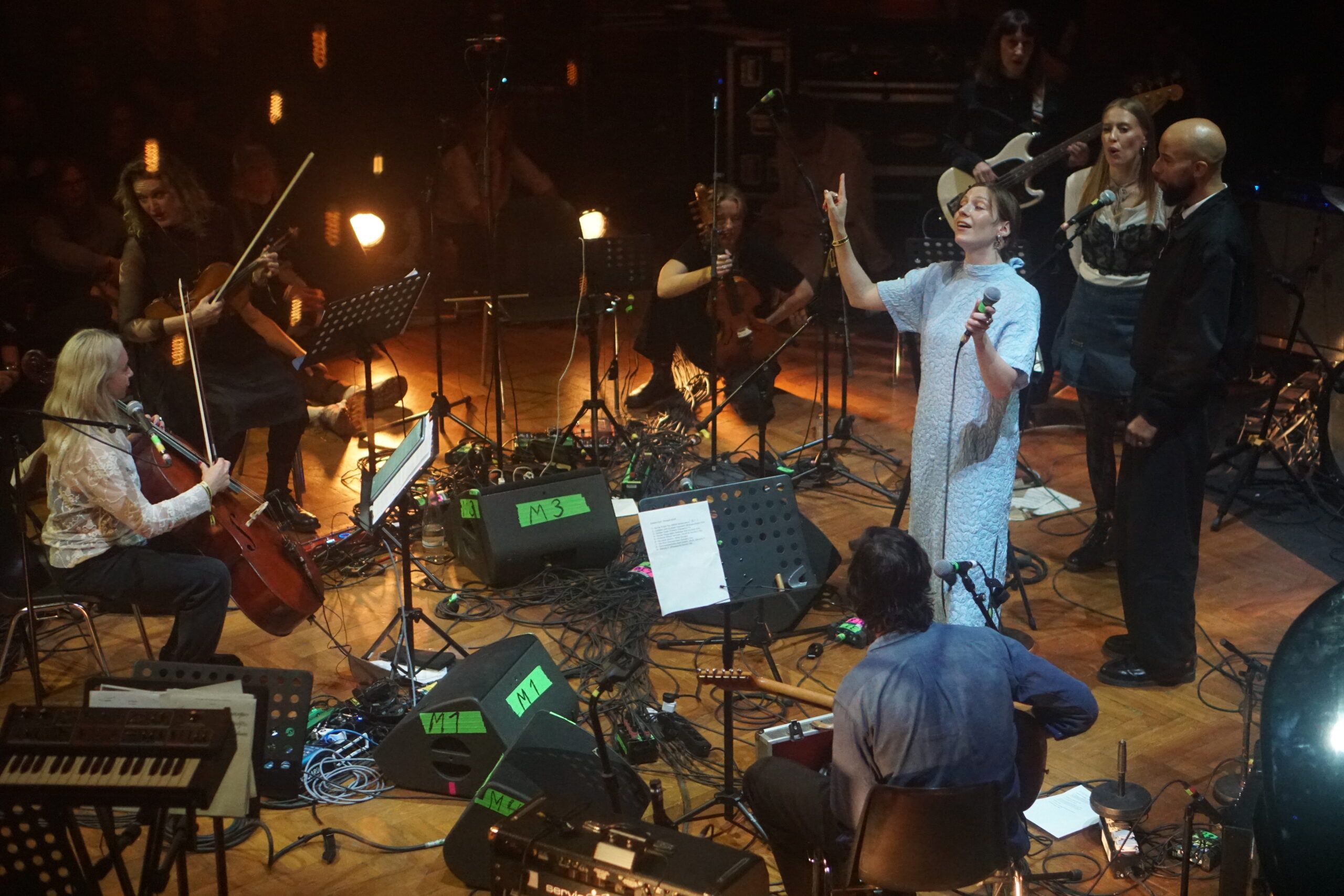
German sweetness was personified in LEA, who performed the song Elefant about her love for her parents that I heard three times during the festival, and once later while shopping at TK Maxx.
The Dessner effect as a popup
The creativity wasn’t confined to the Dessner twins. Their older sister Jessica Dessner, an artist, writer and dancer co-wrote a tune during the festival, danced at the last one, and ran a wonderfully absurd pop-up with Sonya Hofer Lanz, wife of musician Ben Lanz (The National, Beirut, Sufjan Stevens).
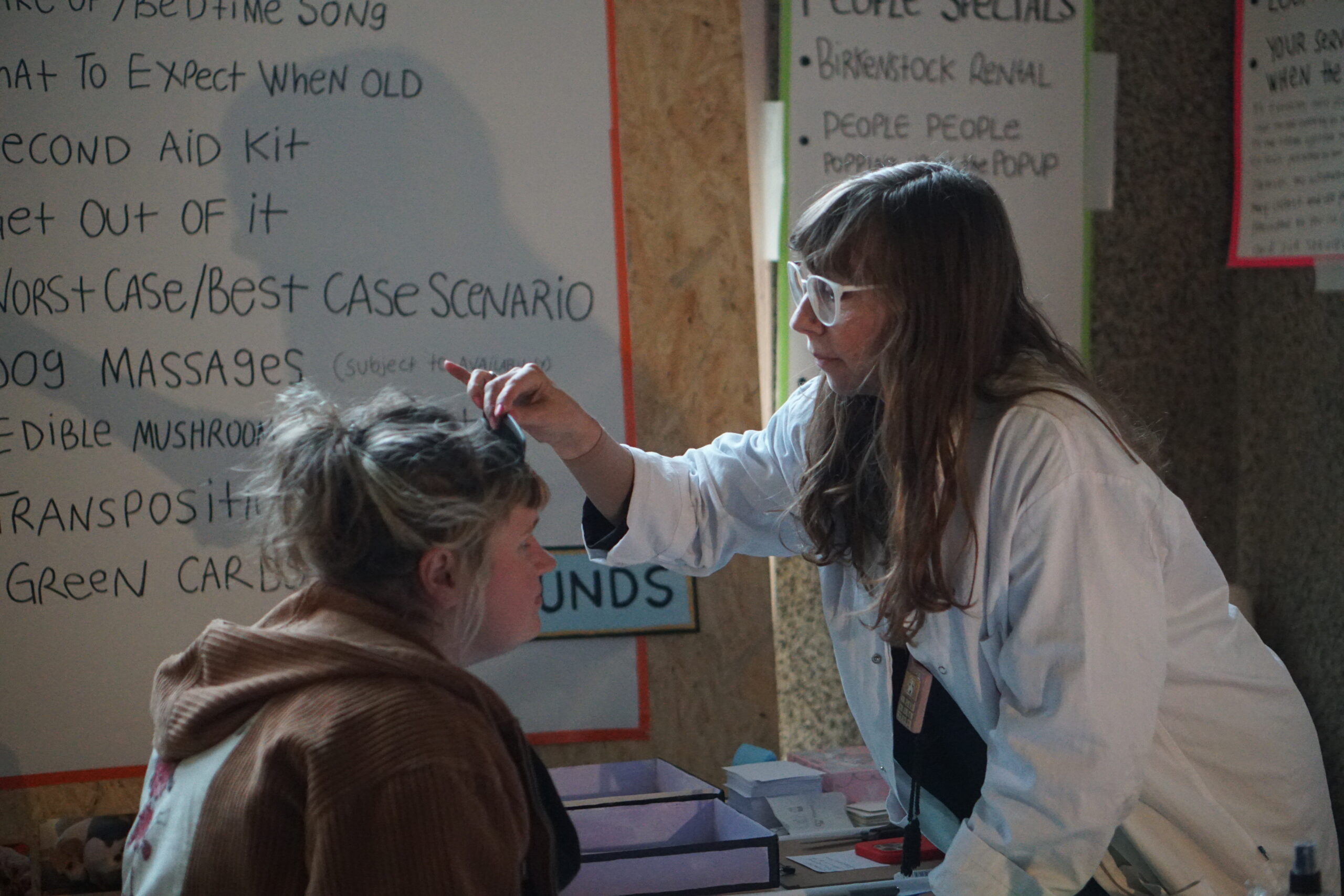
Visitors could get investment advice, learn how to survive a shark attack, have their dogs named, get a “portrait” done by musician Christof van der Ven or get their bangs cut. Someone did, prompting a nearby man to nearly wet himself laughing. Jessica also leapt into action during Angie McMahon’s performance, encouraging thousands of people to dance.
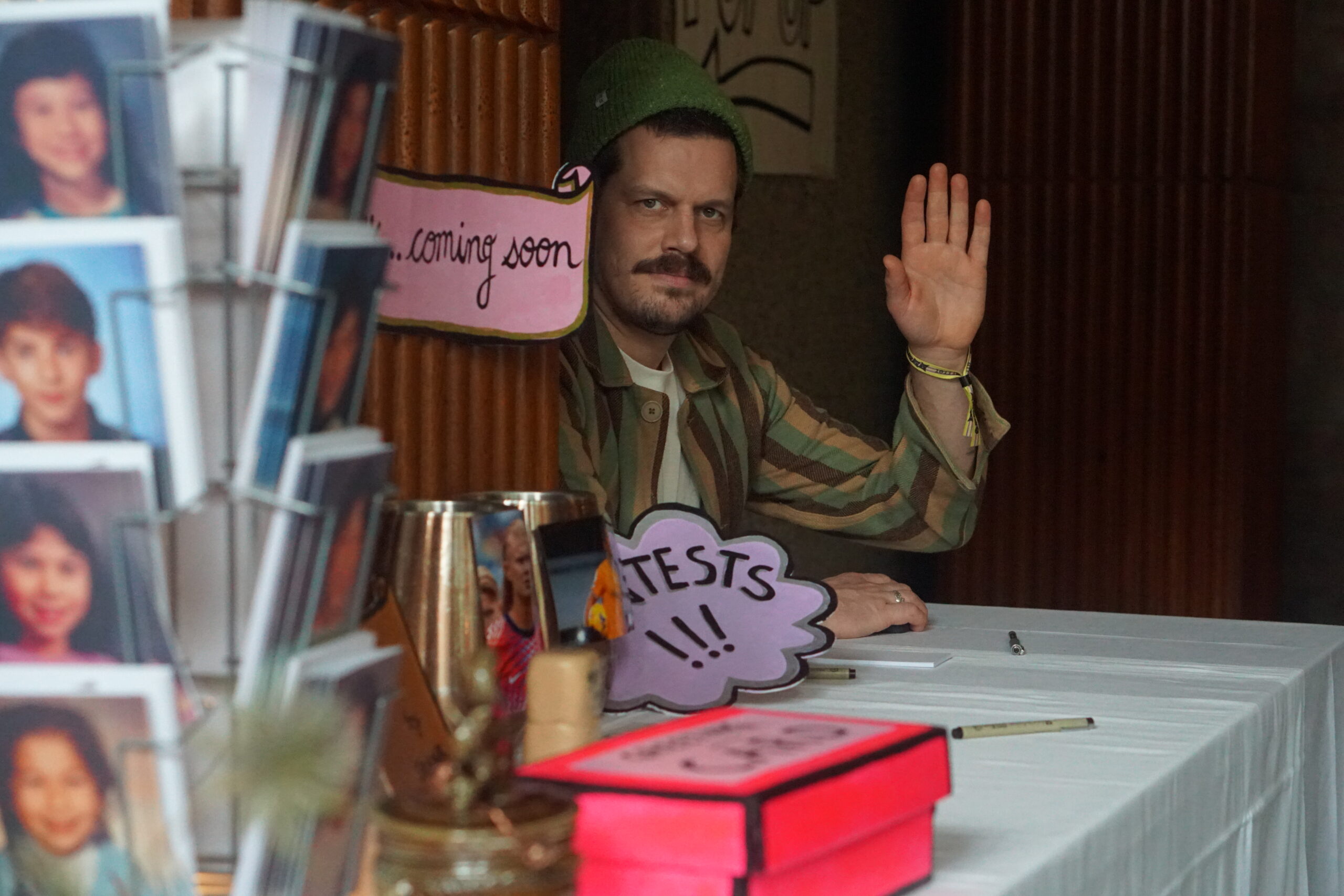
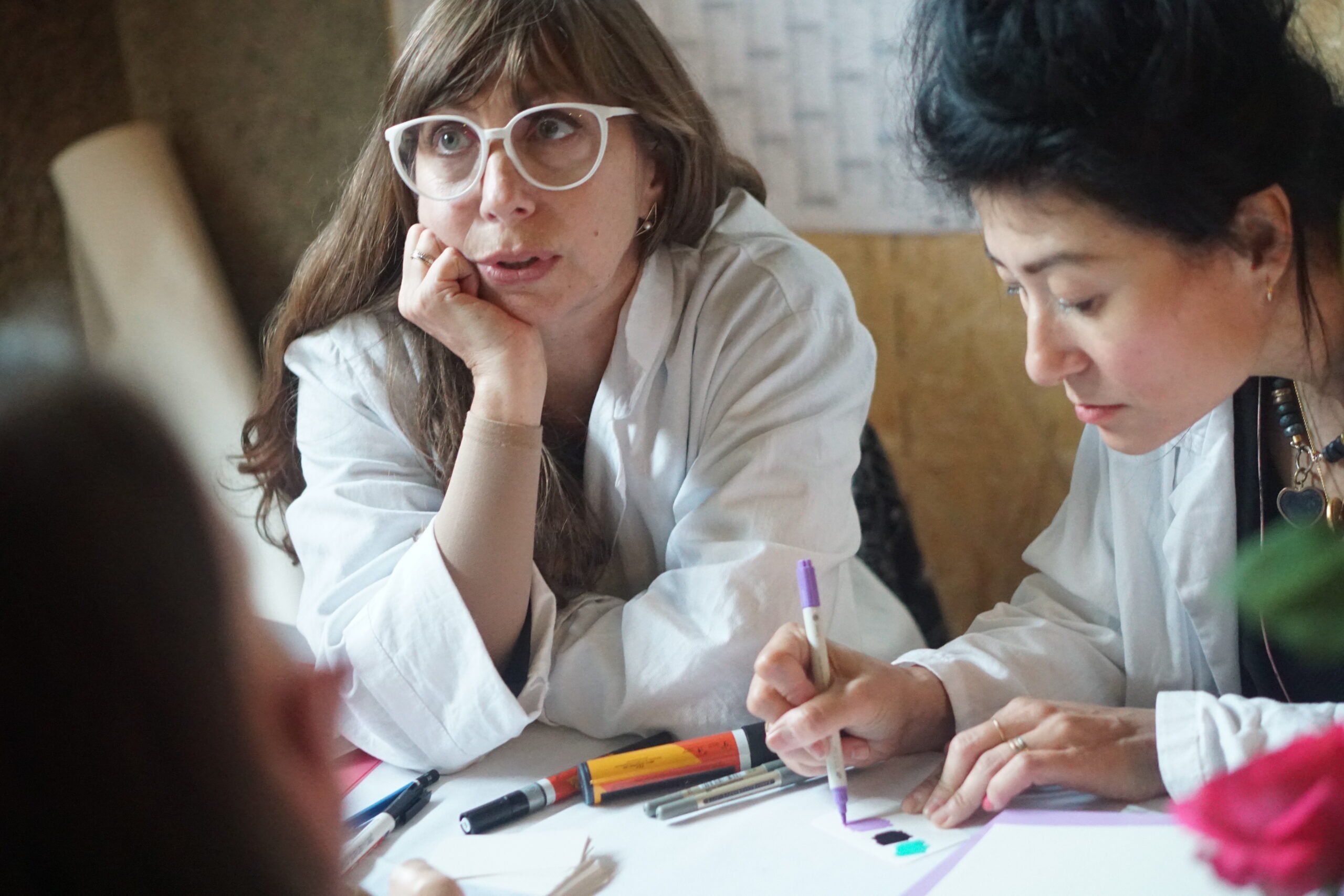
Watching the Dessner siblings, I began to understand the family’s special creative chemistry. The brothers provide a musical center of gravity, while Jessica brings her own wonderfully eccentric energy into their orbit. Each appears to encourage the others. Perhaps that is the real Dessner effect, not a particular chord progression or production technique but something closer to a social method built inside a family. They create enough structure for everyone to feel safe and worthy, then let everyone offer their talents freely. (She invited my daughter to hold a Cat’s Cradle workshop at her popup.)
For all the incredible and surprising music, PEOPLE was not without its disappointments. Experiments like this have risks, and we were warned on the ferryboat coming over by a past participant that it was important to accept disappointment and fully embrace it.
Ben Howard was one of the festival’s biggest draws, and many people had come hoping to see him. According to what I learned backstage, daytime ticket holders were expected to encounter at least one of his performances, although Howard himself didn’t seem aware of that arrangement when we spoke. Later, some Saturday evening ticket holders complained on social media that they’d missed him altogether. They bought access to the evening part only, and Ben Howard didn’t appear.
For people accustomed to buying tickets for a particular artist, the uncertainty could be frustrating. Lea Eitan, a French fashion designer who had attended the previous PEOPLE festivals, understood their frustration: “The fun of it is not to see one particular person but to not know who you’ll see until lights turn on,” she told me.
She loved being surprised by electro, folk, acoustic music or Afrobeat, and by collaborations she could never have anticipated: “I didn’t see Zaho de Sagazan, I don’t think she actually came at all after all, but the list of artists was huge, there were even added artists (Nico Rebscher for example who played the saxophone), so I have no complaints.”
For Eitan, the pleasure was getting close to musicians inside a location that was “so Berlin.” She understood the fear of missing out, but PEOPLE gave her something more interesting than another concert by a familiar artist: the chance to experience the creative process as it unfolded.
There were also artistic risks. What looked like a polished show might have been signed off only the day before, and musicians were sometimes performing material they barely knew. A camera was kicked over during an important show that could never be repeated and documentarian Derrick Belcham was floored that it happened on his watch, “their hopes and dreams were dashed.”
Some artists bowed out of performances, and a famous singer’s child had apparently started but dropped out and left midway through, overheard as “fly” on the bus over to the Funkhaus. Others found themselves working under pressures that might have seemed unreasonable at a conventional festival. Angie McMahon said she appeared relaxed but in fact was over-tired, allowing her to let go.
“The best week of my life,” was a common refrain said by the artists.
The longer I spent inside the Funkhaus, the more the festival began to resemble a spiritual gathering, but not in any formal religious sense. There was something about the sounds, the hum of voices finding harmony, and the temporary suspension of ordinary life. Was it holy?
The National’s Light Years was being rehearsed for a Mixtape session, and its sparse piano and guitar seemed to capture the atmosphere of the week.
Everyone was lighting up in the shadows alone; You could’ve been right there next to me, and I’d have never known
I thought about Om during meditation, repeating a sound until the mind clears and the right things enter. The Dessners were the musical Om – as a repeating guitar arpeggio, a simple piano phrase, a nod in the right direction, a spontaneous concert dance.
At one point, Victoria Canal emerged from a studio and urged me to come to her performance. I was supposed to be somewhere else (Tim Tabellion told me to see IUMA in the next-door studio), but with God mode, I could manage both.
Canal had recently lost her father. In a room with perhaps 50 people, she sang about grief and carrying herself through it. She was crying, the audience cried, I cried. “I will carry myself, I will treasure myself,” she sang and ended her set with a guided meditation and hugs. Canal spoke about sending light beyond the building, out toward the Spree river and eventually to the ocean, an image that seemed to capture the strange collective energy of the festival.
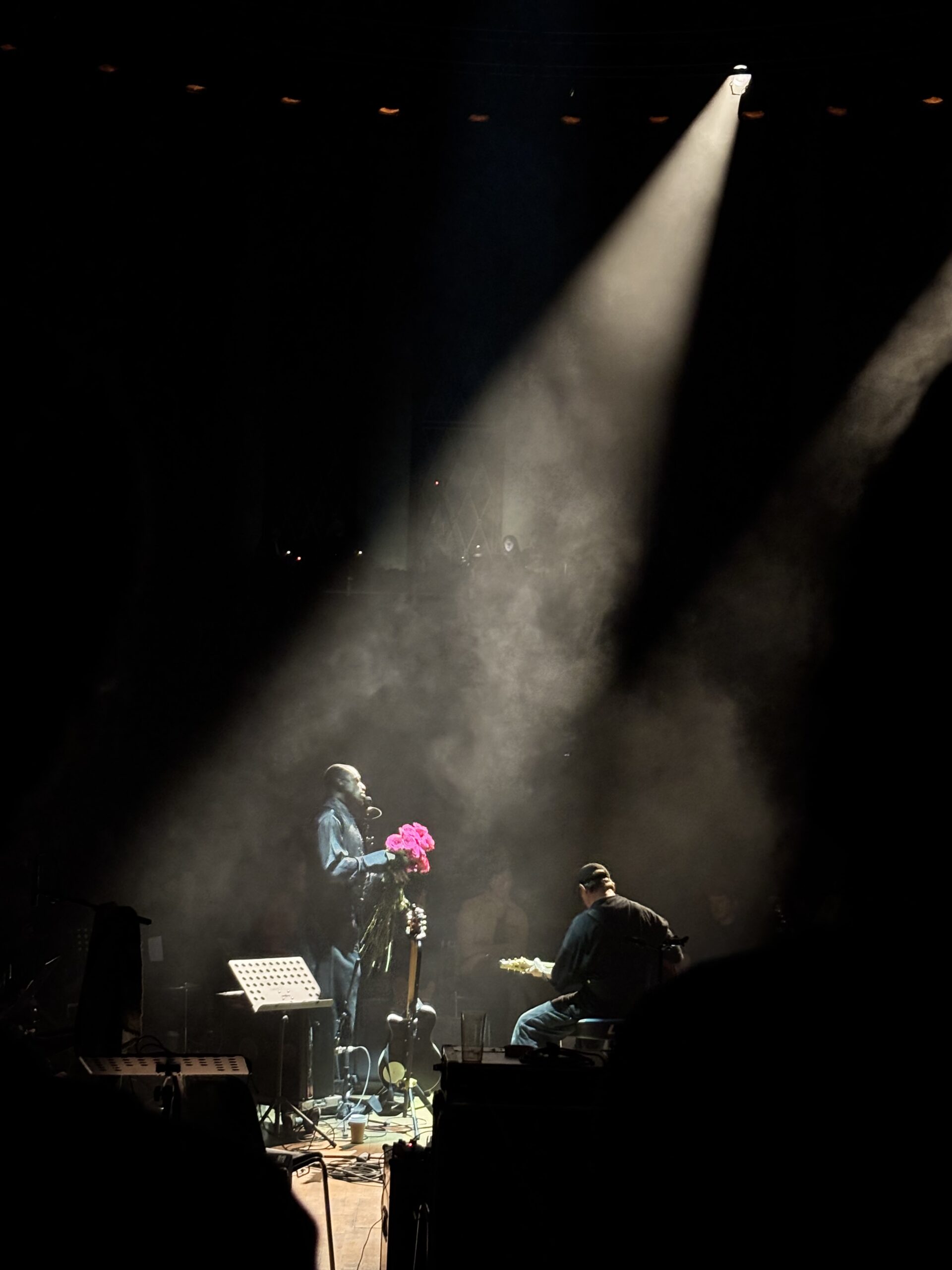
Moses Sumney created another of those moments during a three-song set that culminated in Who Knows Where the Time Goes, the Sandy Denny song famously interpreted by Nina Simone. His sustained falsetto seemed to hold the entire room in a collective breath, while long-stemmed fuchsia roses were handed out. Was this our requiem?
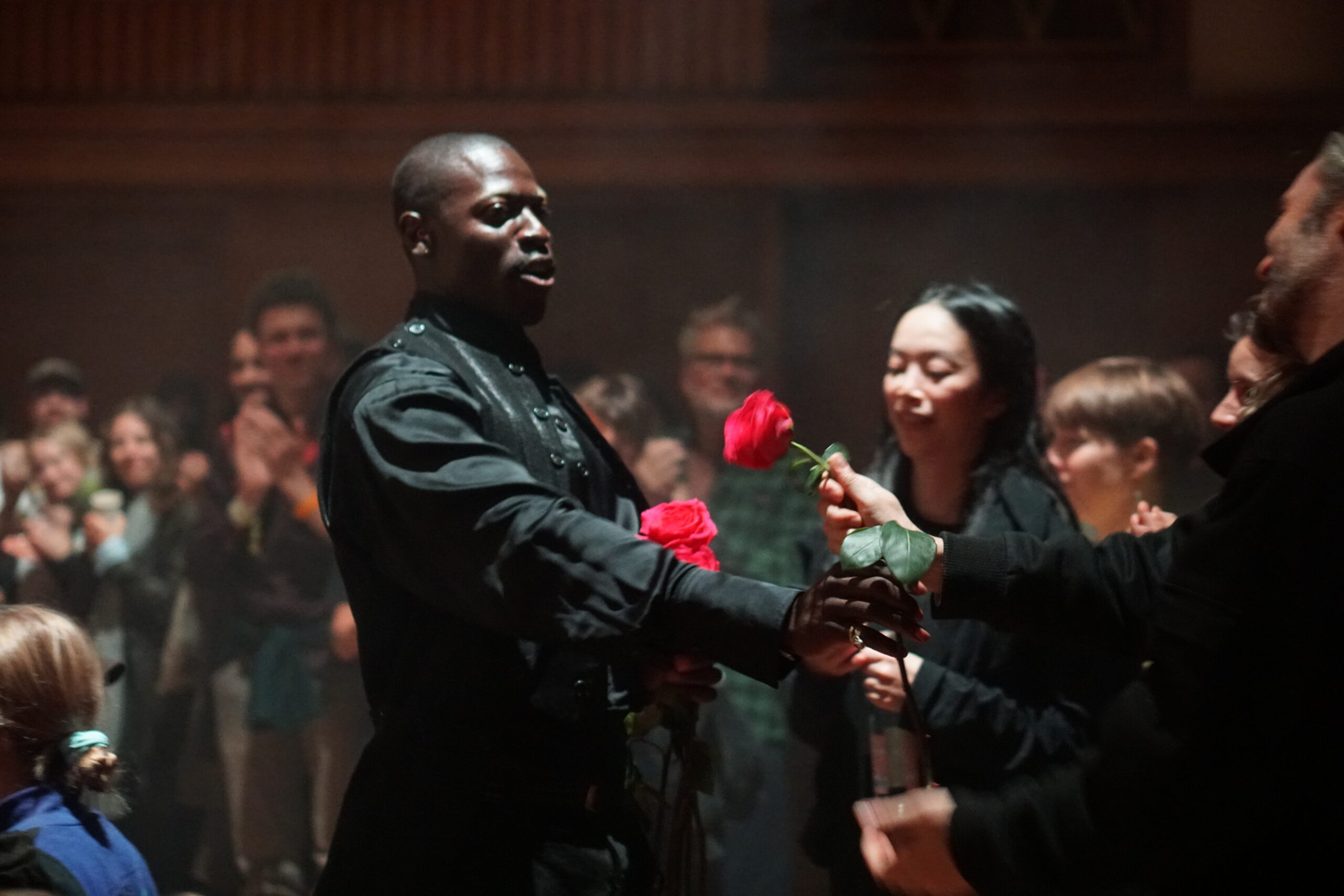
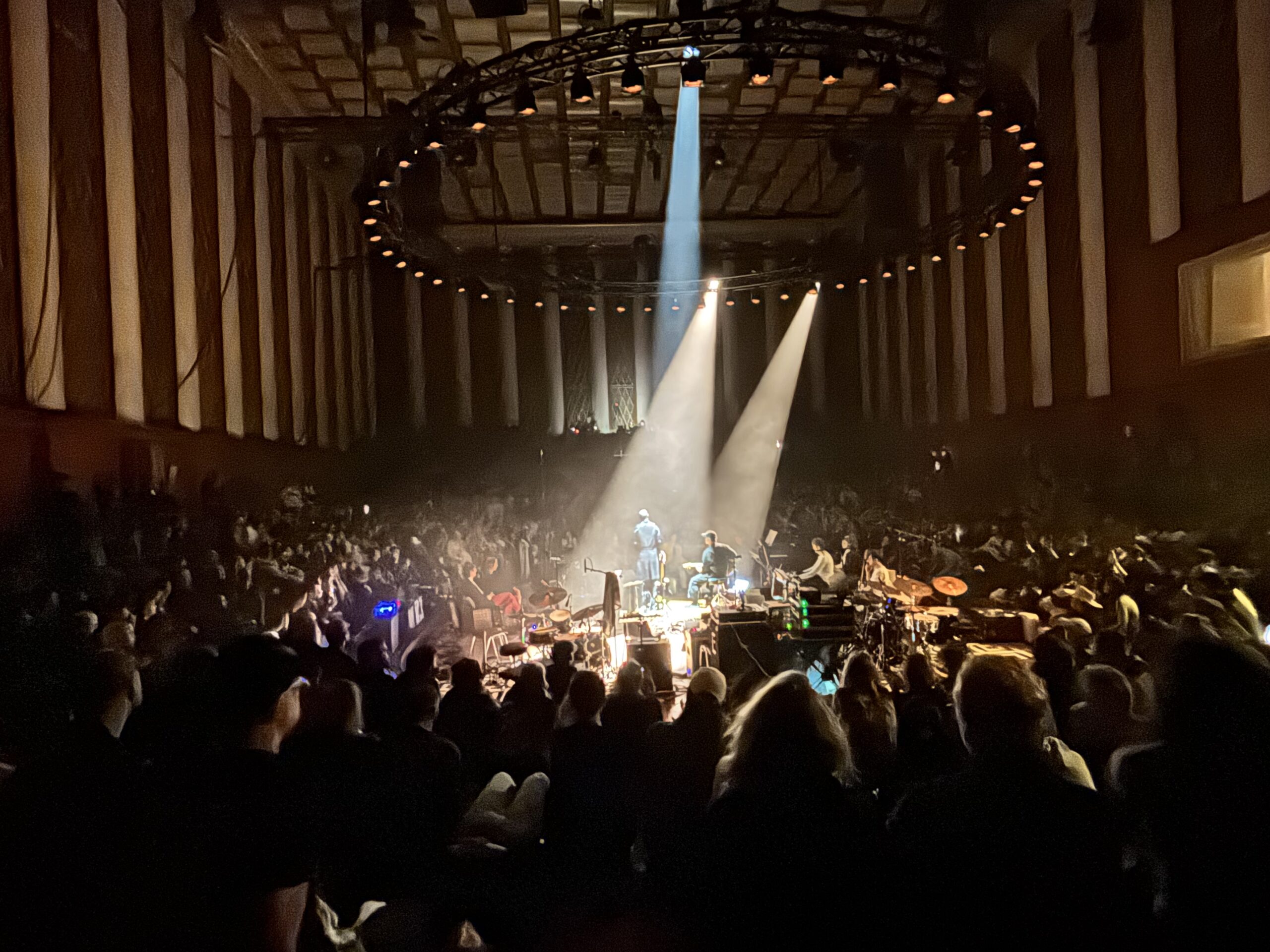
The stage became a monastery for a few fleeting minutes, and the performance seemed to gather everything sad and beautiful about being human into one shared experience. There were so many of those moments that our tear ducts could not keep up.
Bilerman had witnessed similarly powerful moments while recording religious music, including a synagogue choir in Montreal: “It’s not something any faith holds,” he told me. “You feel it when something is holy.”
By the final evening, the line between rehearsal and performance had become wonderfully blurred. The closing National Mixtape performances drew musicians in and out of the backstage green room, where those who weren’t onstage formed an impromptu dance circle.
Someone started it all by banging on some serving trays, while the Basque musician Julen Achiary who was sitting with us jumped up to whomp on a giant drum. Pomme had changed out of her stage costume and was relaxed and dancing. Flower petals from Moses Sumney’s performance were being thrown into the air from a basket onto Woodkid, while the tall Richard Reed Parry from Arcade Fire was clanging bottles together with glee and dancing in what looked like red pajamas.
It felt holy.
View this post on Instagram