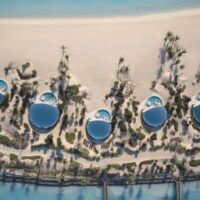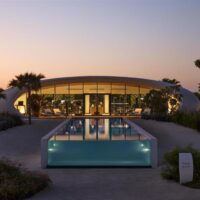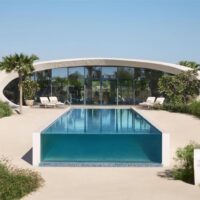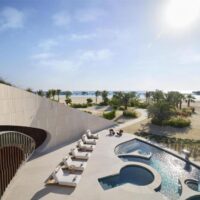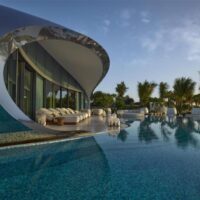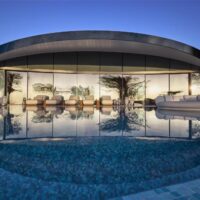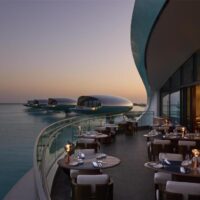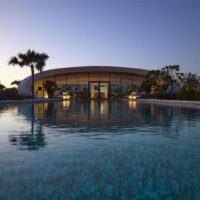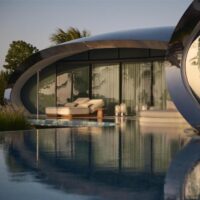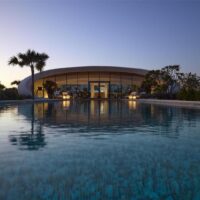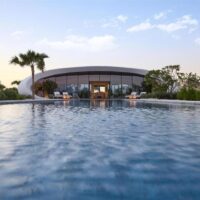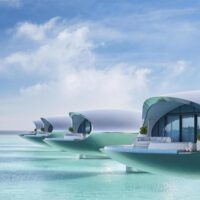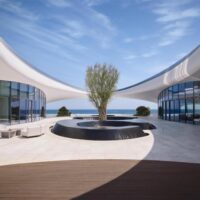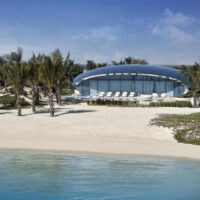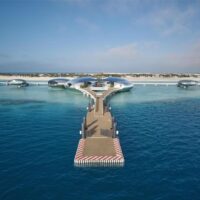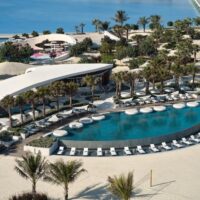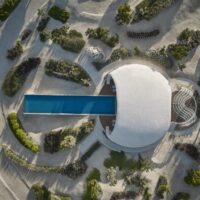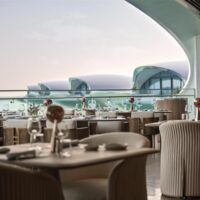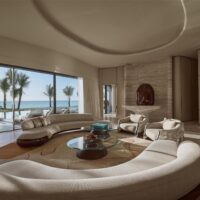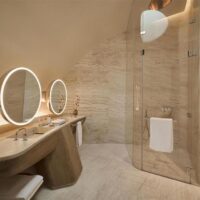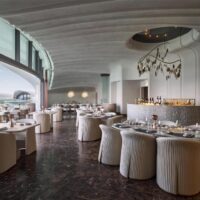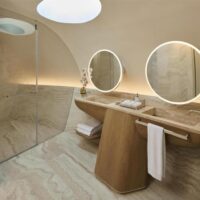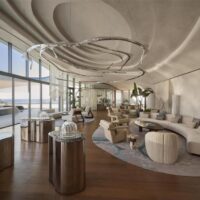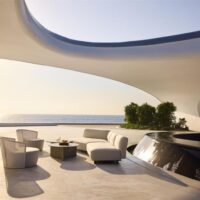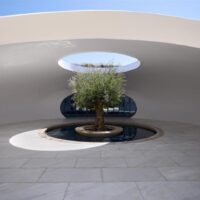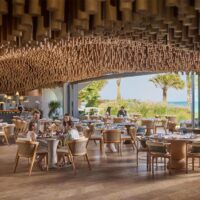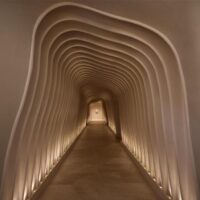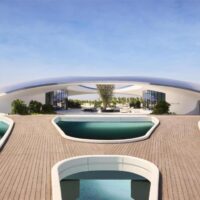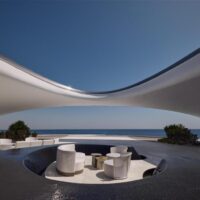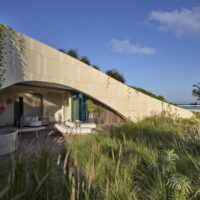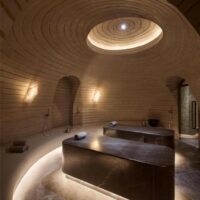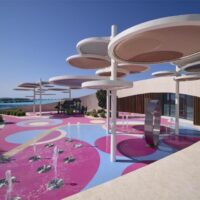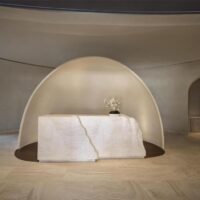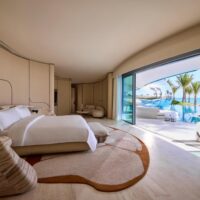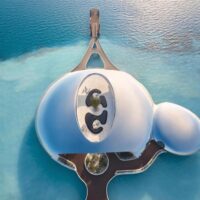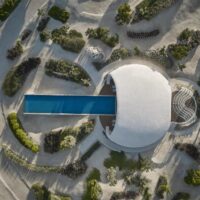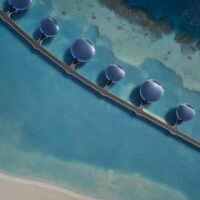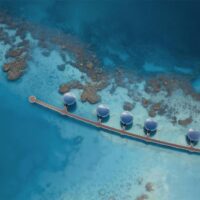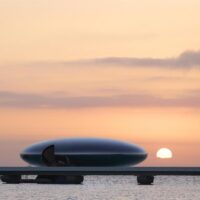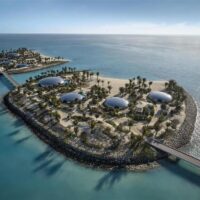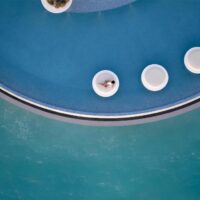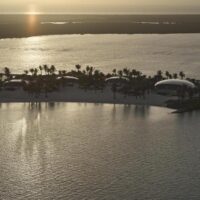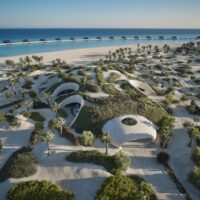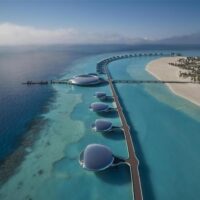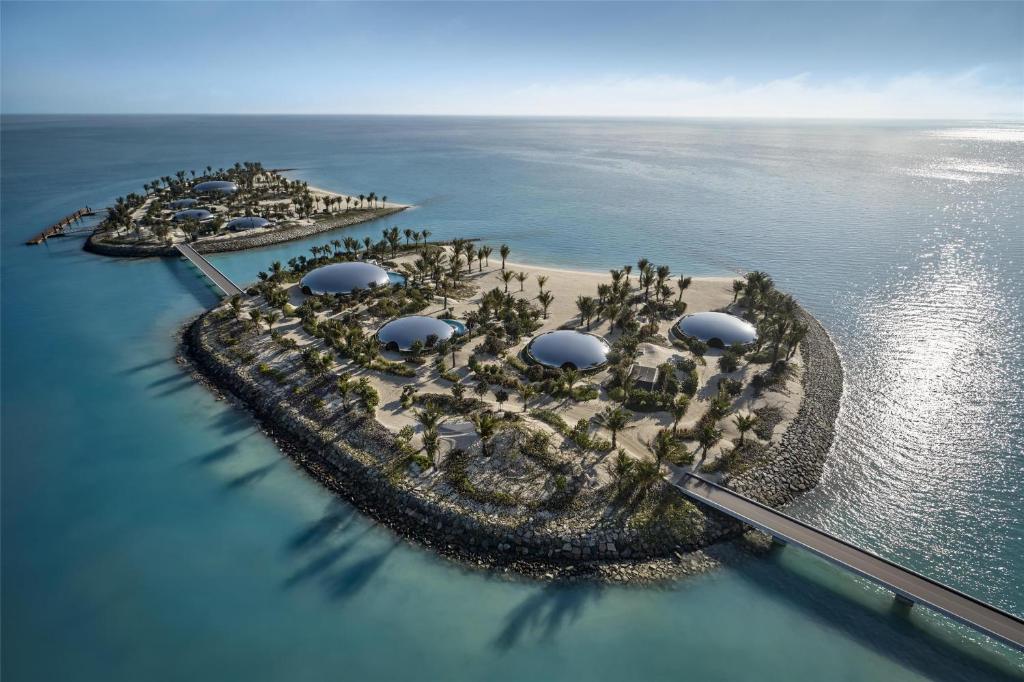

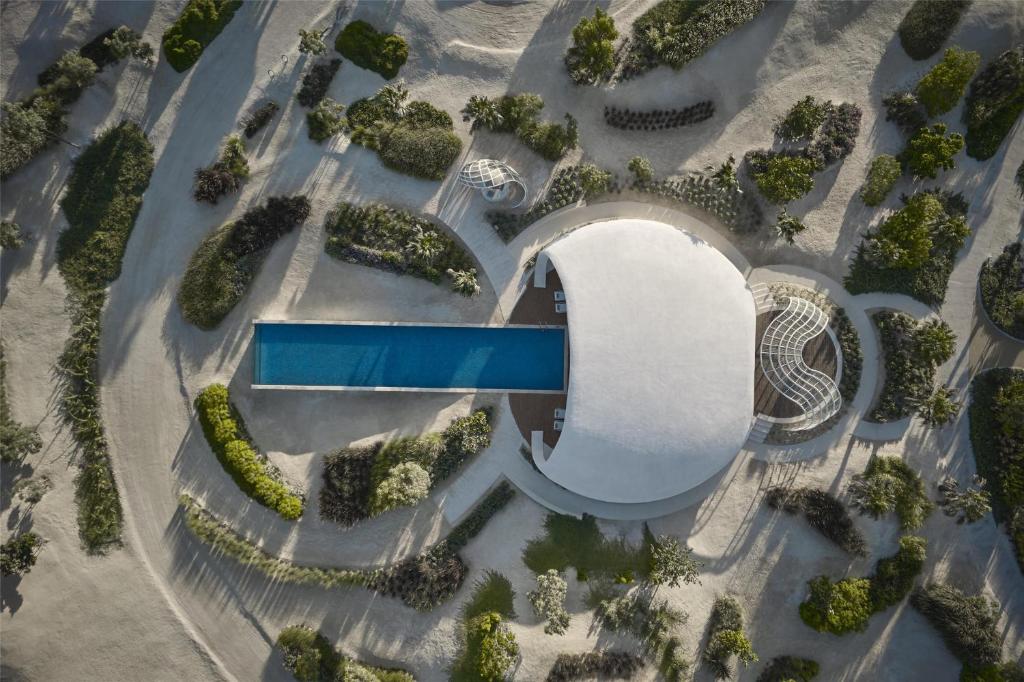
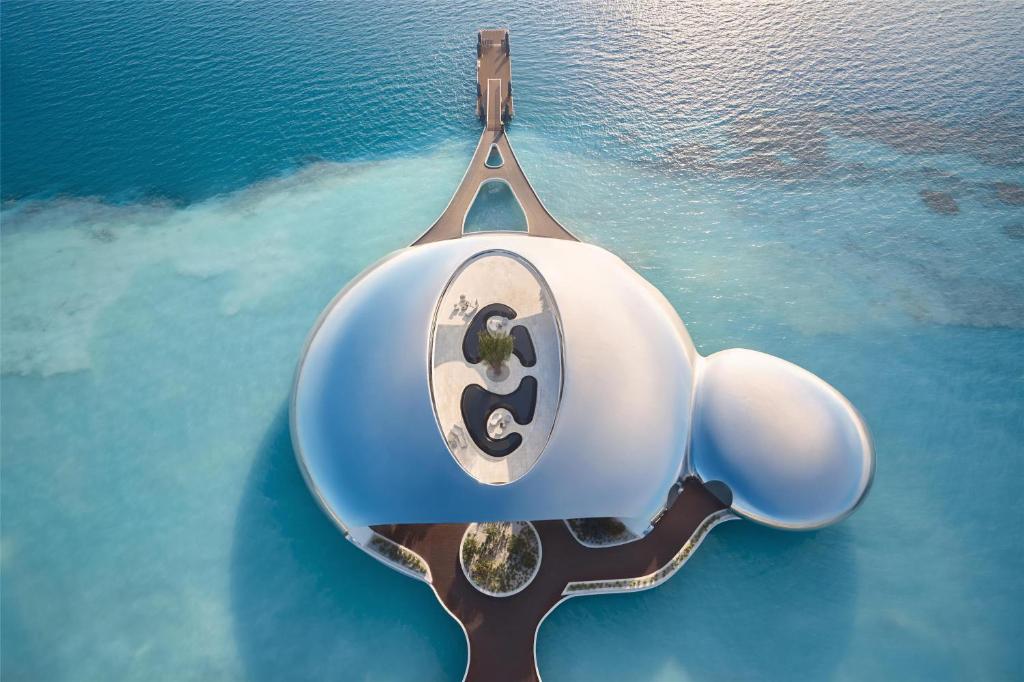
A new breed of luxury has landed on the Red Sea, mirrored pods floating above coral reefs, reflecting sky and sea like something not entirely of this Earth. Energy powered by solar powers, drinking water pulled from the sea using desalination.
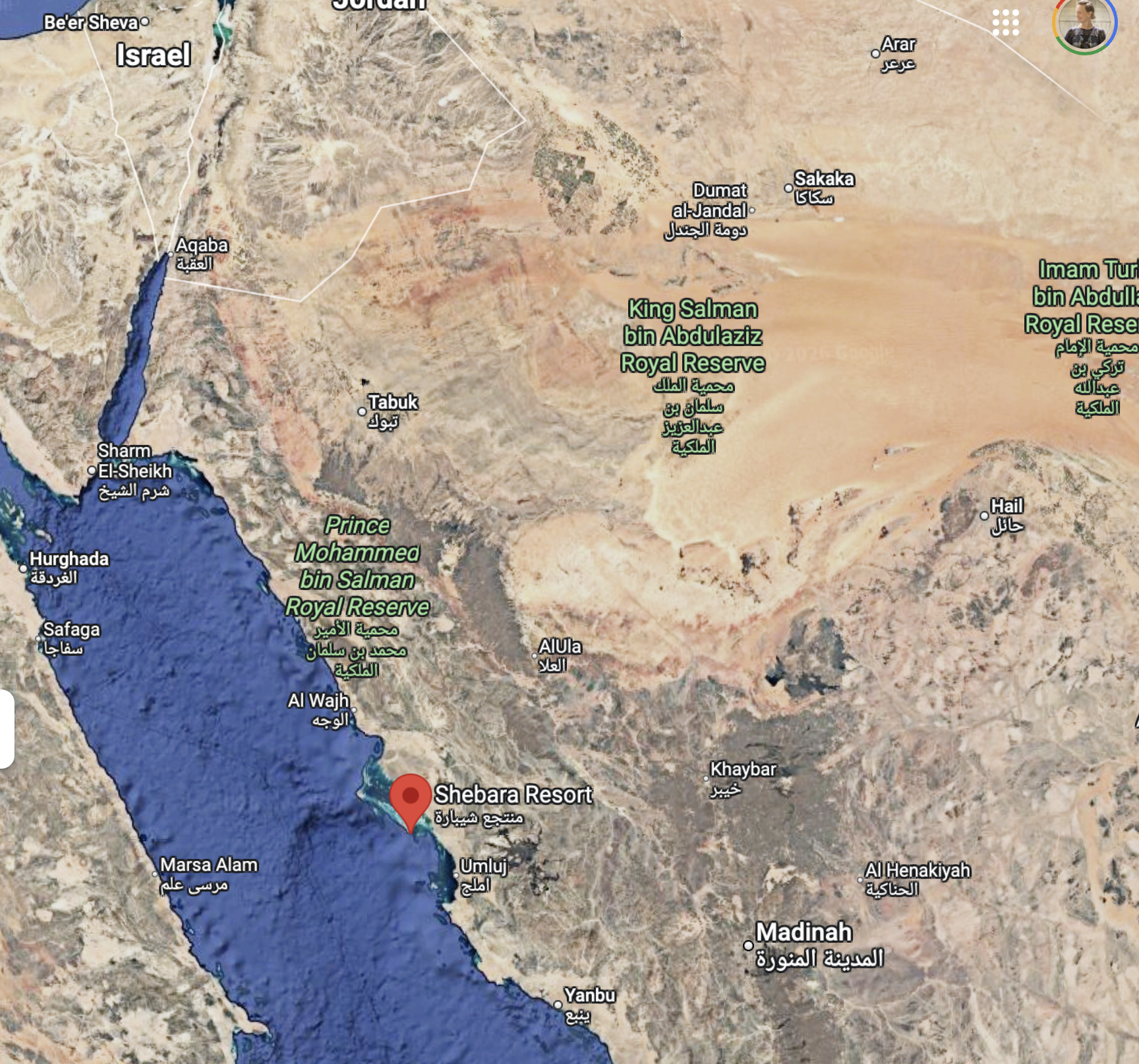
Welcome to Shebara, Saudi Arabia’s newest ultra-luxury resort, part of the Kingdom’s massive Red Sea tourism push. Opened in late 2024 on Sheybarah Island, the 73-villa resort is already being positioned as one of the most exclusive and visually striking hotels in the world. Celebrities, as we noted in the past, have been spotted there.
But is Shebara really sustainable? And is it worth the price, ethically, environmentally, or even financially?
A futuristic resort in a fragile ecosystem
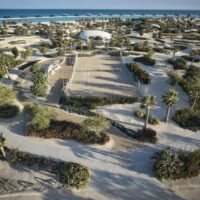
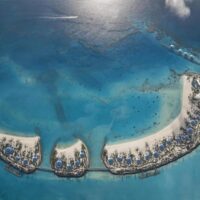
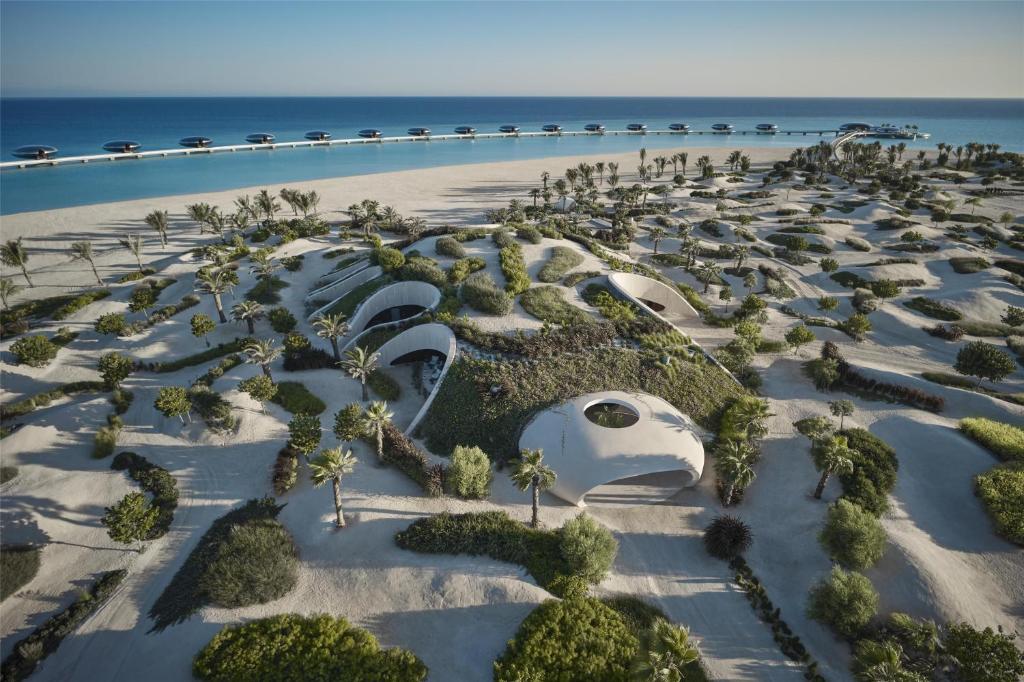
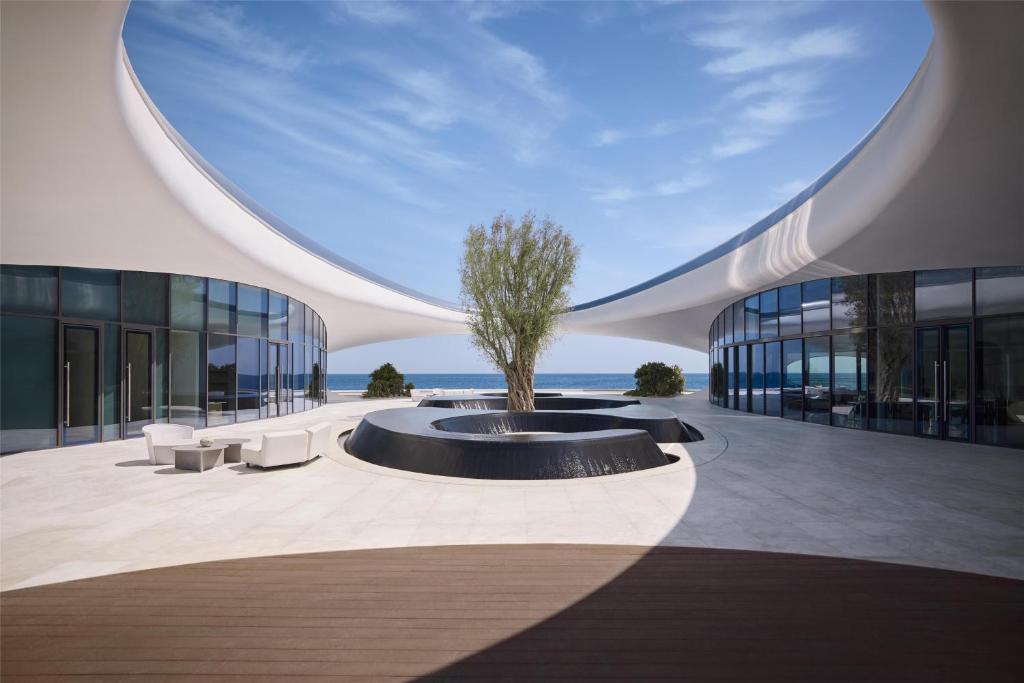
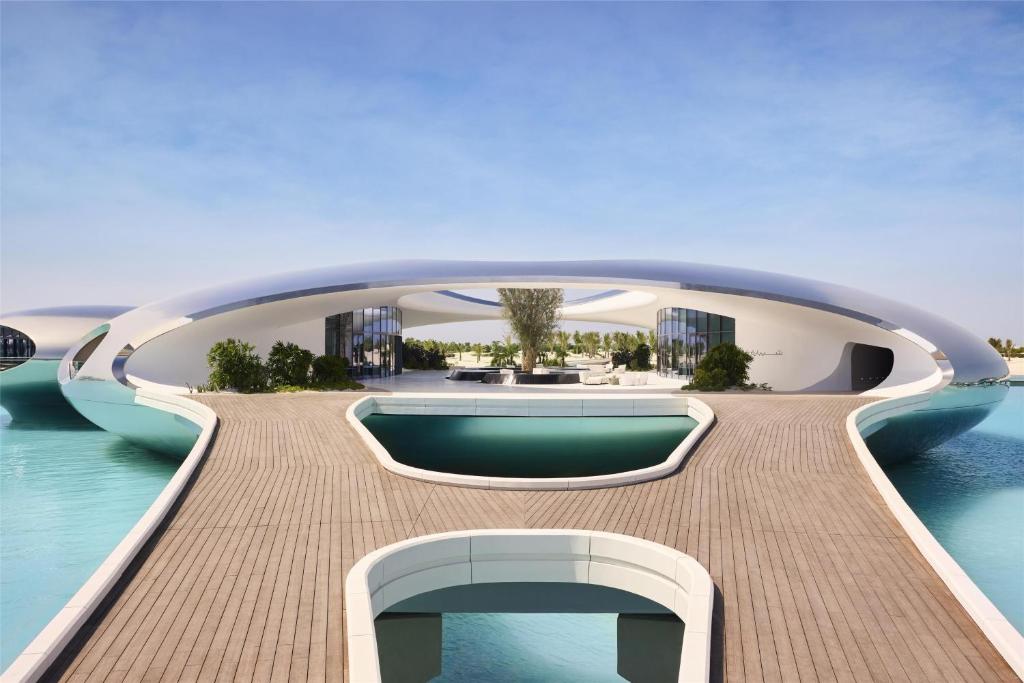
Shebara sits in a pristine archipelago of 90+ islands along Saudi Arabia’s Red Sea coast, an area rich in coral reefs, seagrass, and mangroves. Its design is undeniably dramatic: stainless-steel, orb-like villas that mirror their surroundings, sometimes appearing to disappear into the horizon. Saudi Arabia says tourism here will be capped at one million visitors per year to protect the ecosystem.
That’s the promise, but the reality is harder to measure.
Is Shebara hotel actually sustainable?
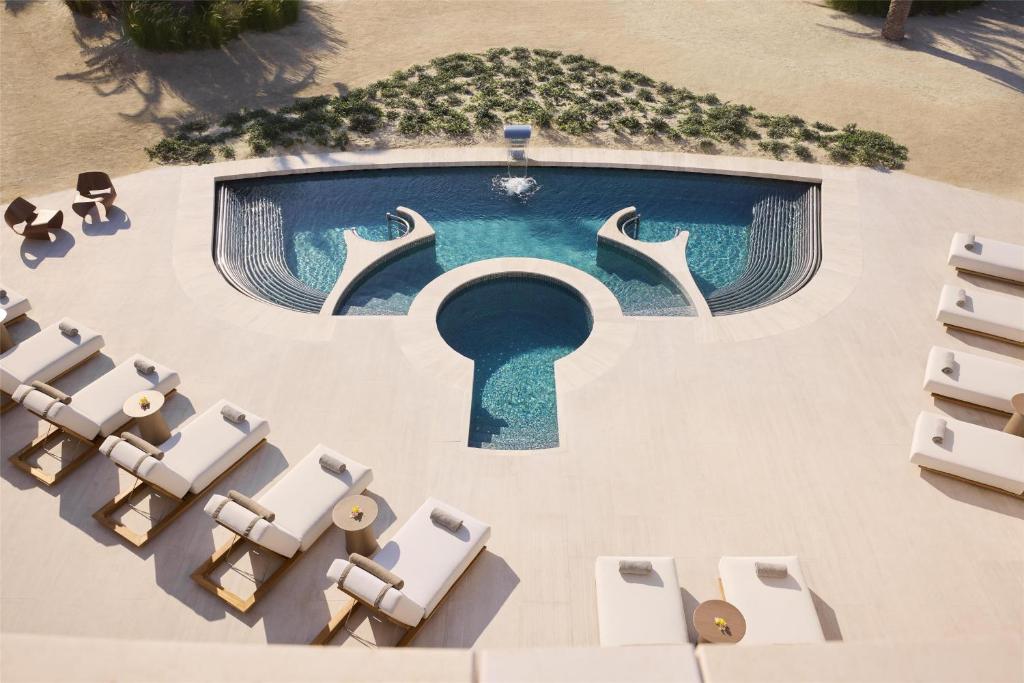
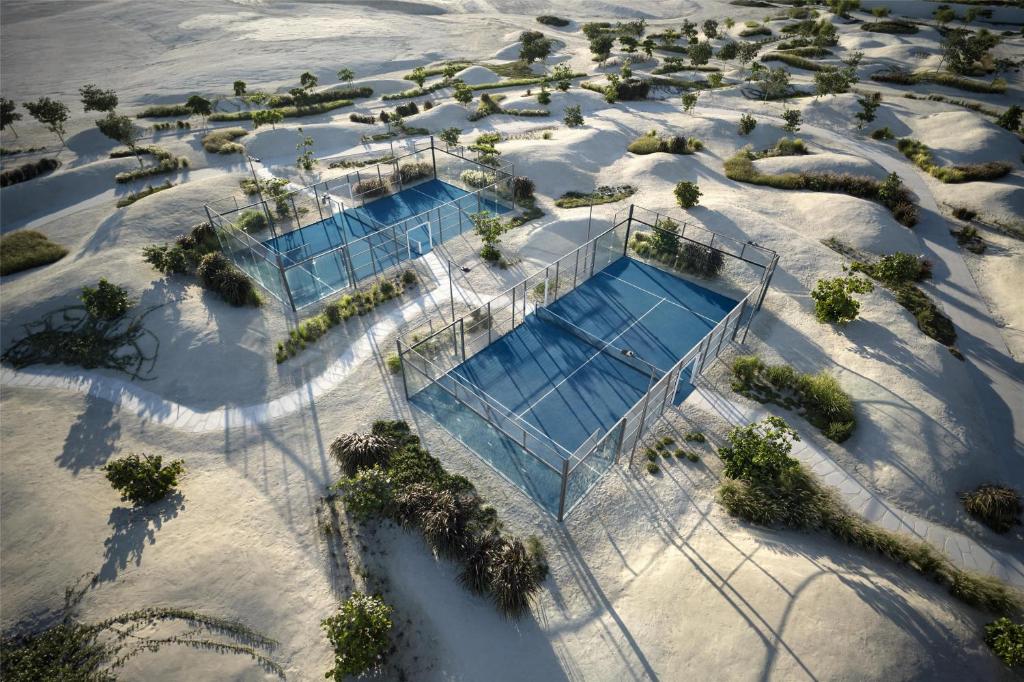
Saudi Arabia markets the Red Sea Project as regenerative tourism, powered by renewable energy and built with minimal ecological impact. But there is no information about third parties who certify these kinds of projects. Common in the Middle East.
And scale matters. Building luxury resorts on previously untouched islands, whether it’s in the Seychelles, or in the Red Sea. This raises familiar questions:
What happens to coral reefs under increased tourism pressure? How “low impact” is construction when villas weighing over 100 tons are shipped and installed offshore? Can high-end travel ever truly be sustainable?
Even online, skepticism is growing. “Seems so consumptive and indulgent… makes me sick,” one Reddit user wrote about the Red Sea resorts.
Another described the destination as “completely deserted,” raising questions about demand versus hype about the place.
At the same time, guest reviews paint a different picture — “amazing staff,” “exceptional experience,” and “beautiful design” as found on Booking.com.
So which is true? Likely both. Celebrity buzz — and quiet luxury can co-exist. So if you have money to indulge in about $2000 a night listed on its booking site, go to Shebara and share your experience with us. Luxury hotels in Thailand cost about $1000 a night, like this one we stayed in – Keemala. While it’s not a sustainable option for weeks on end, a few nights can buy you a good reset with high-quality pillows. If you can find family rooms in high-end resorts, it might be cheaper than renting 2 or 3 rooms to fit the kids.
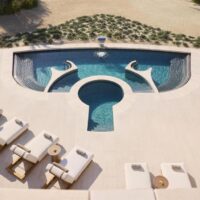
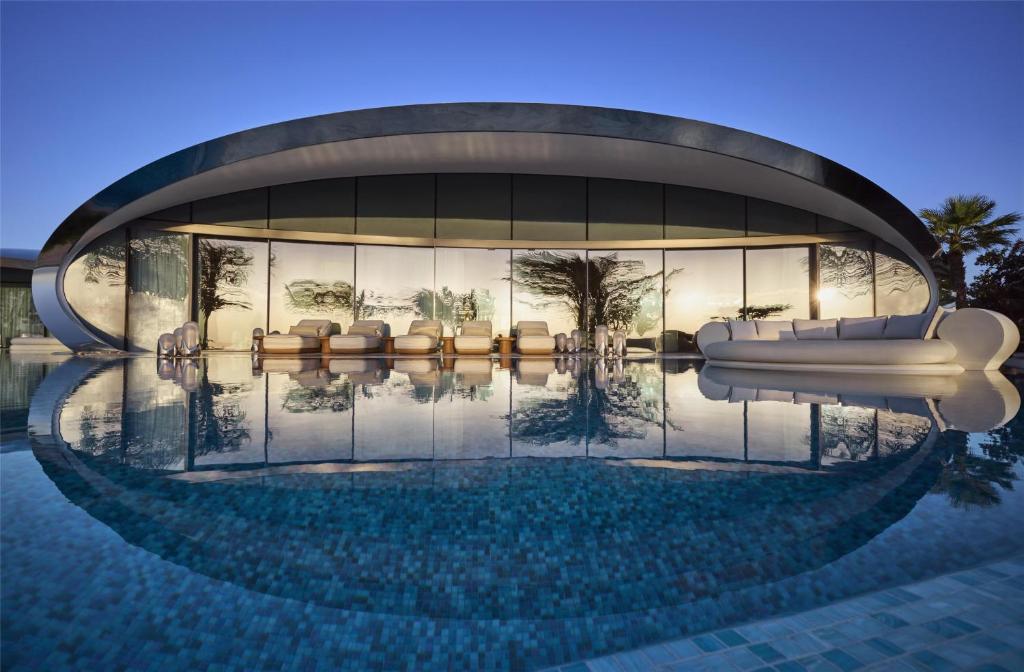
While Shebara isn’t yet flooded with celebrity sightings like Dubai or the Maldives (which has some racist policies in place), it’s clearly being built for that market — an ultra-private selection of villas, overwater pools, and controlled access to a rare island.
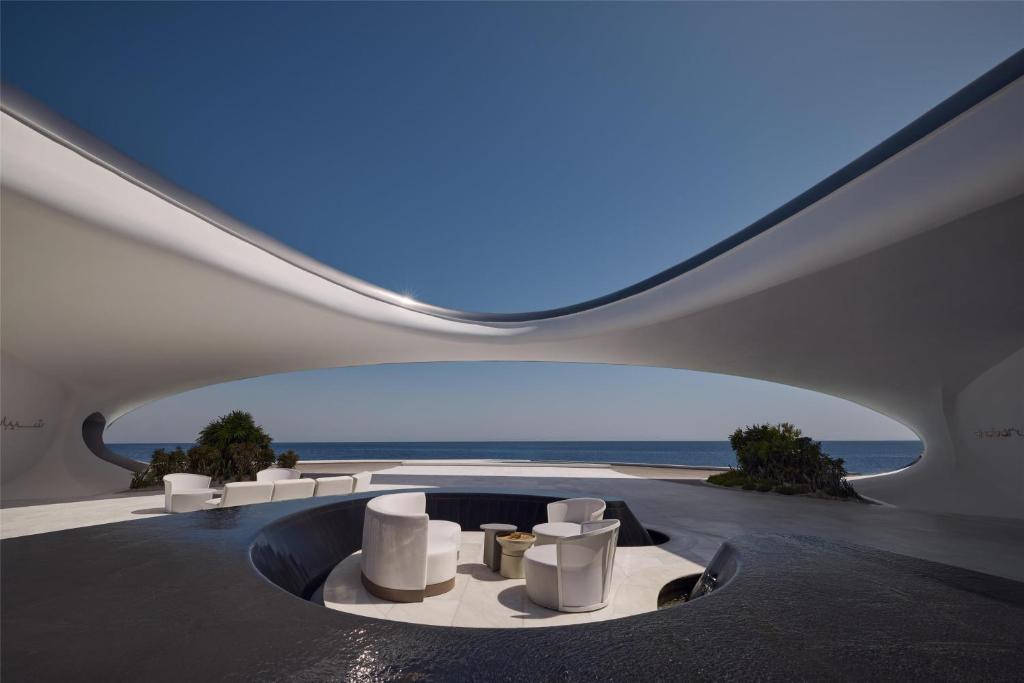
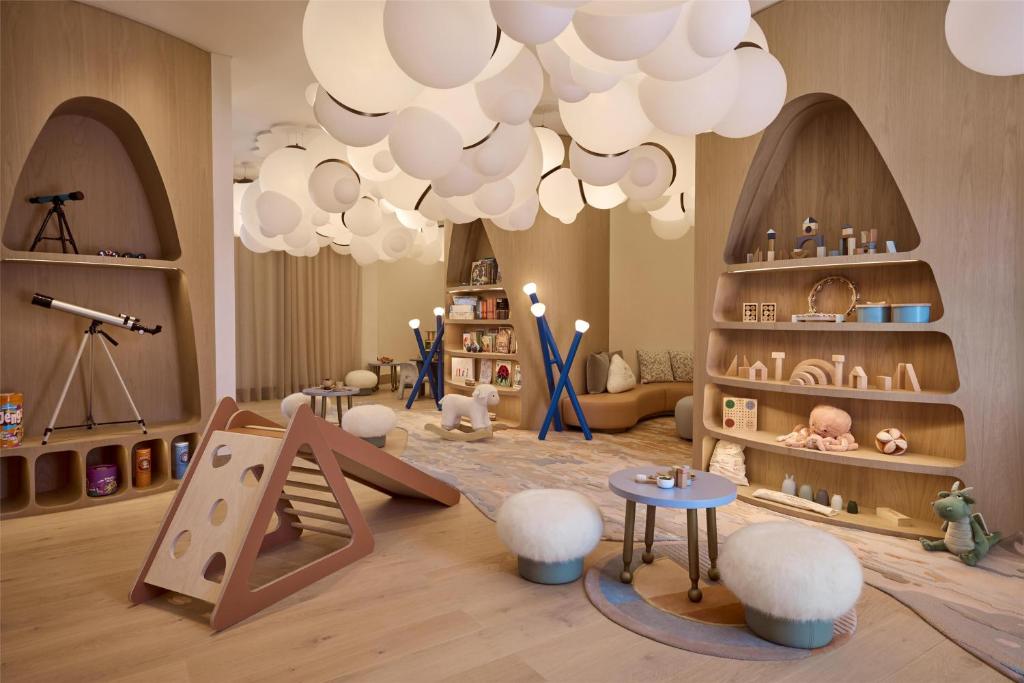
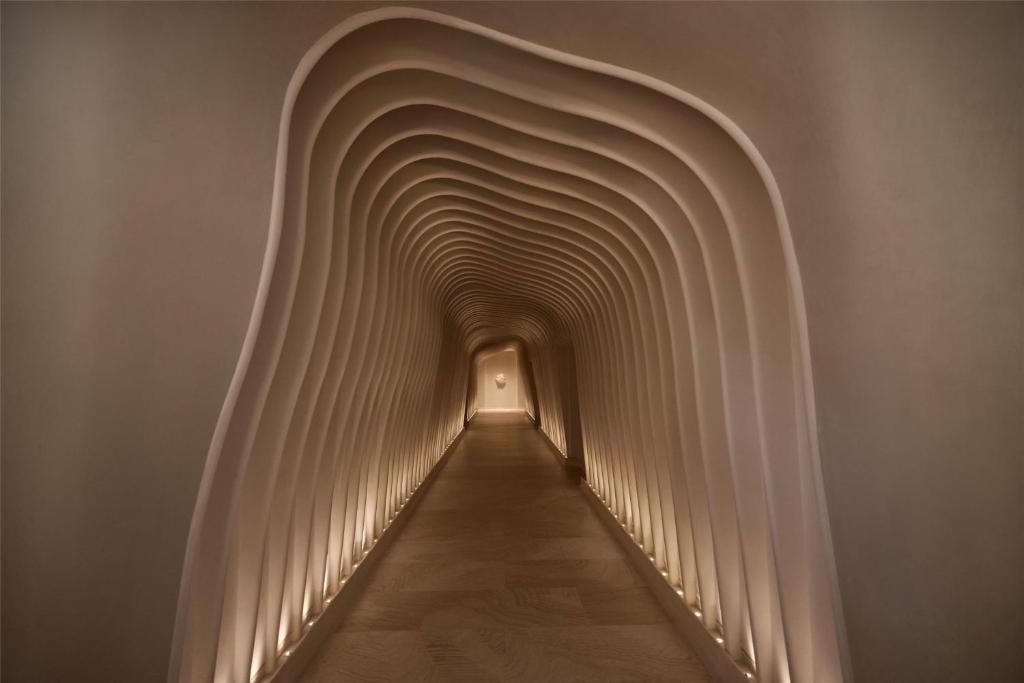
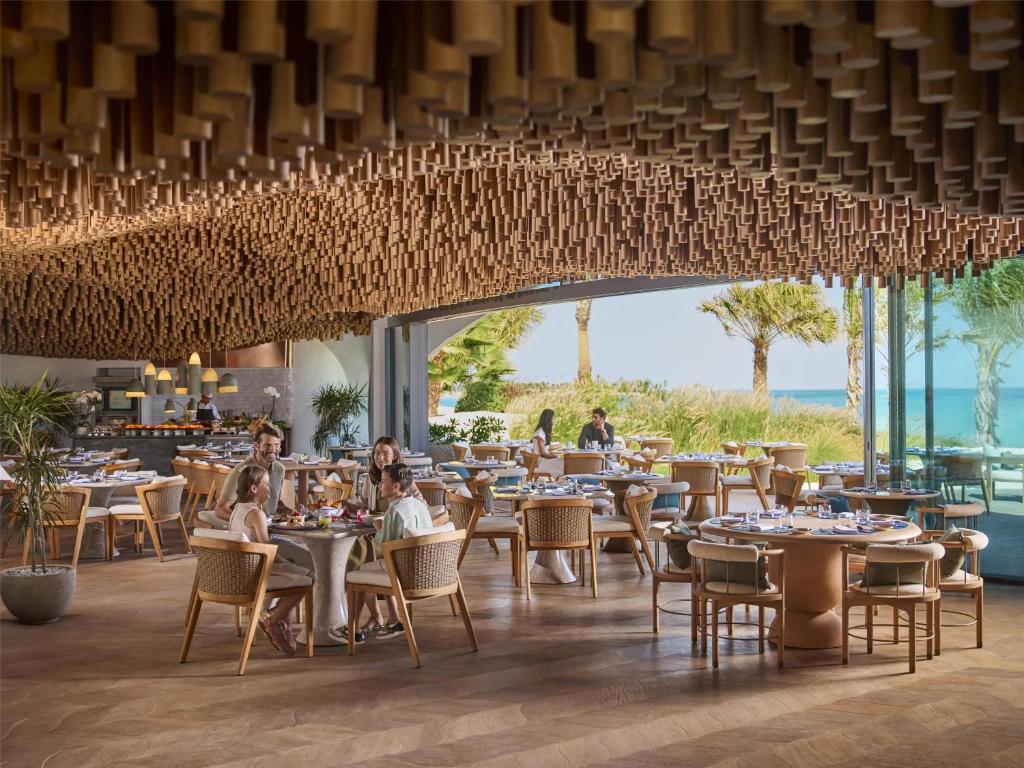
Saudi Arabia’s Vision 2030 strategy is betting heavily on attracting global elites, influencers, and high-net-worth travelers to reshape its image through tourism. The celebrity pipeline will follow if they get paid well enough.
Are prices to Saudi Arabia and Dubai dropping because of Middle East conflict?
There’s a persistent rumor that regional instability is pushing luxury travel prices down. But the reality is more nuanced. There’s no strong evidence that Shebara itself is discounting heavily. Some reports suggest nightly rates in the luxury tier (well over $2,000+ per night).
However, broader travel demand in the Middle East can fluctuate with geopolitical tensions. When travelers hesitate, resorts sometimes adjust pricing quietly. So yes — in some cases prices soften.
But Shebara is positioned at the very top of the market, where exclusivity often matters more than occupancy. For Green Prophet readers, the question isn’t whether Shebara is beautiful. It’s whether it represents the future we actually want.