
Somewhere over Europe, on a flight from Tel Aviv to Berlin, a rumor began circulating among the flight attendants. The mayor of Berlin was on board. One of passengers heard that he was there and asked the steward. I overheard and decided I wanted to help. I was on my way to Berlin for the PEOPLE Festival at Funkhaus, and although I’d been to the German capital before, I still had plenty to learn about it. I’d also been in touch with Berlin’s press office, hoping to explore more of the city’s sustainability, architecture and cultural projects.
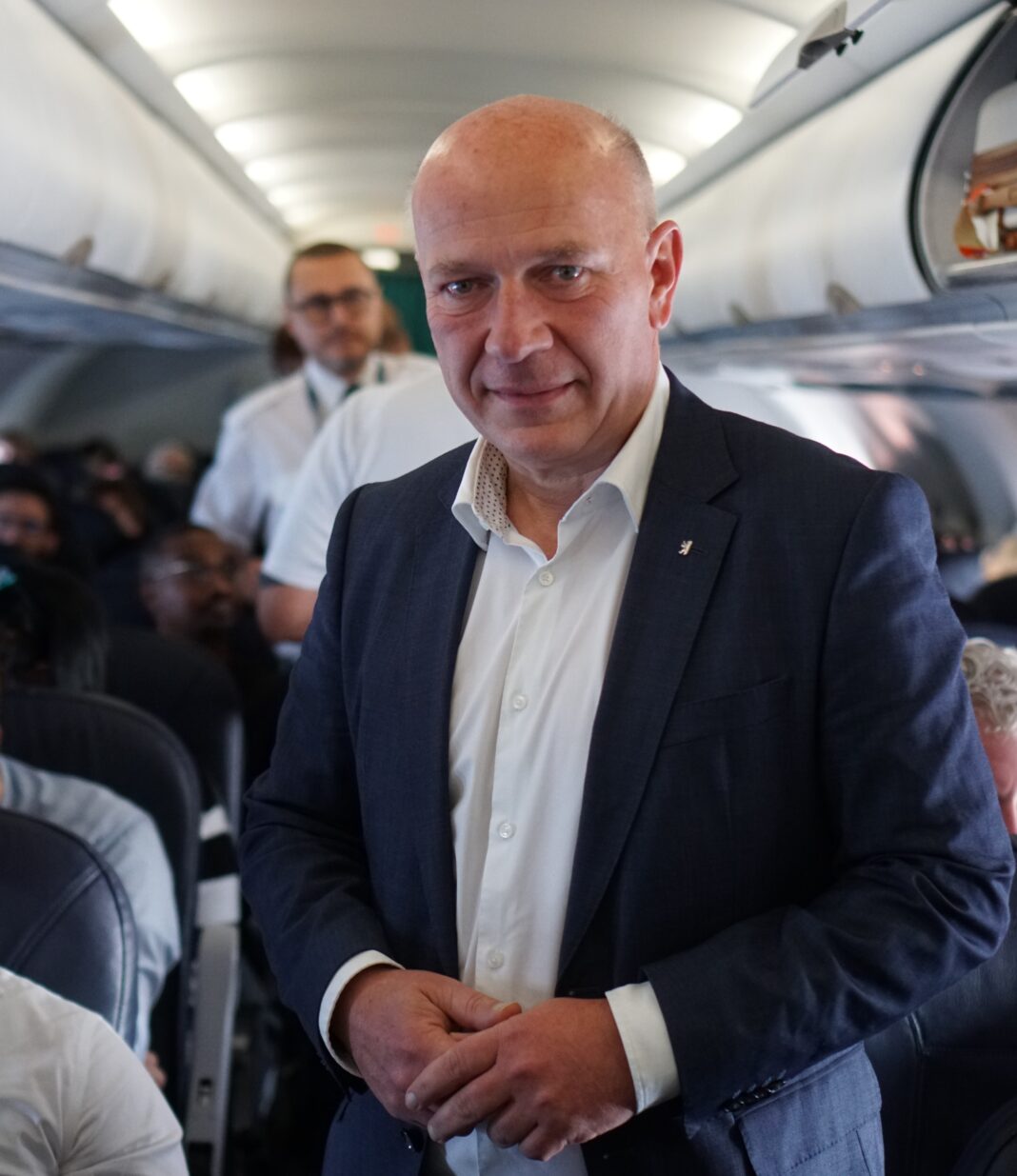
So I helped the crew work out which passenger was the mayor. Soon enough, I found myself meeting Kai Wegner, Berlin’s governing mayor, along with members of his delegation. Among them was Georg Klußmann, Berlin’s Chief of Protocol and head of its Directorate for International Relations and Protocol. There were several others travelling with them. What struck me was their sincerity.
Wegner and his team had been in Israel ahead of the third anniversary of the Hamas attacks of October 7, 2023. Their visit was intended to show solidarity, commemorate the victims and strengthen the relationship between Berlin and Israel. Wegner told me about visiting communities around Gaza and meeting Israelis in Tel Aviv.
But one observation seemed to have stayed with him. He said he had met so many young Israelis who were excited to meet him. They told him they loved Berlin. He seemed genuinely touched by their enthusiasm, particularly given the extraordinary history between Germany and the Jewish people.
There was no sense, in those encounters as he described them, of young Israelis holding today’s Germans responsible for the crimes of the Nazi regime. That openness is something I recognize in Israeli society, even if it cannot describe every person’s experience or opinion. Israelis travel to Berlin for music, art, food, nightlife, education and work. Many have made the city their home. Berlin, once the capital of Nazi Germany, has become a place where a new generation of Israelis has built cultural and personal relationships. There is something remarkable about that.
Berlin and Tel Aviv are now sister cities
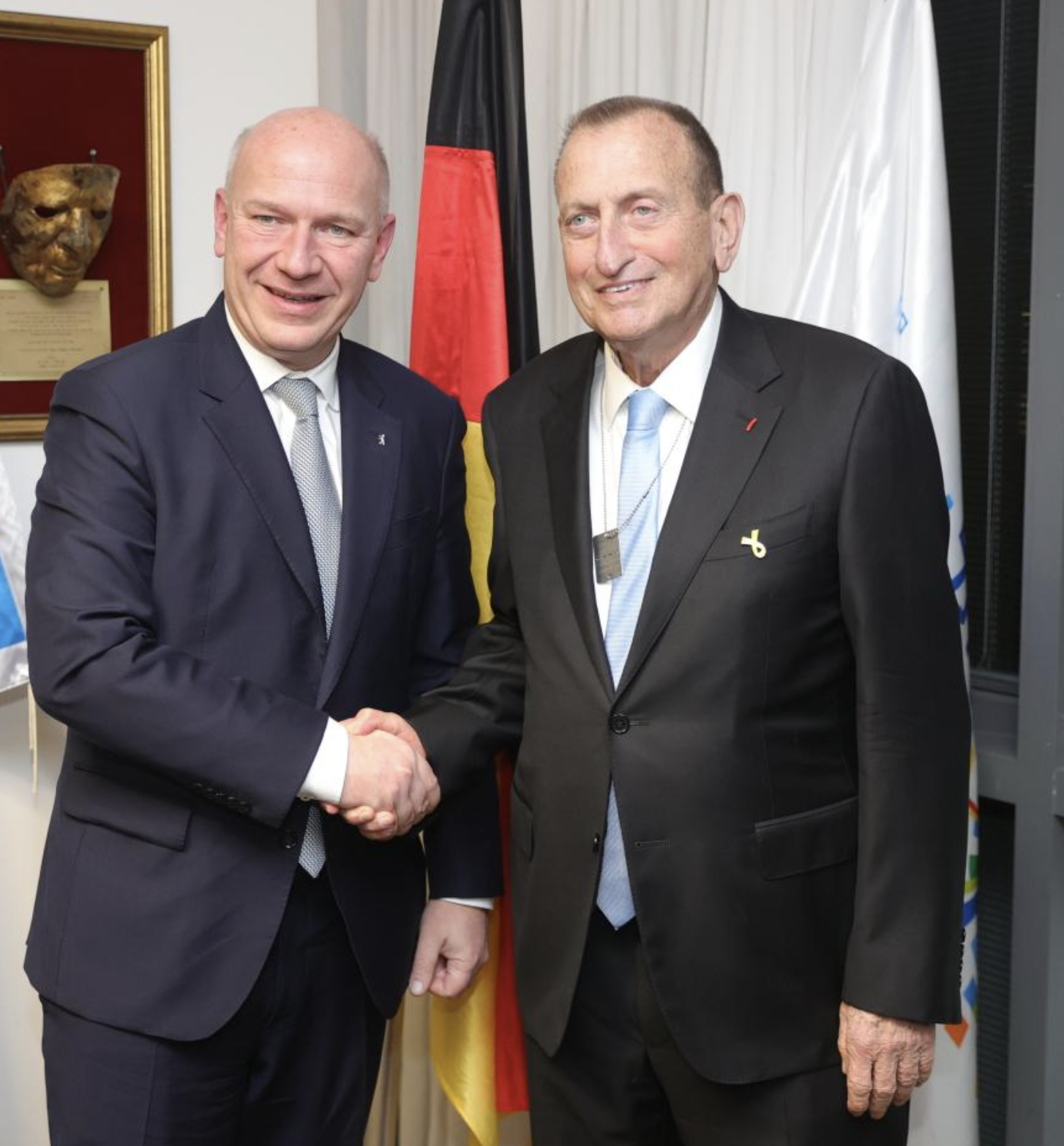
Wegner also had another reason to be enthusiastic, he told me. Berlin and Tel Aviv-Yafo officially became partner cities on May 5, 2025, when Wegner and Tel Aviv Mayor Ron Huldai signed an agreement at Berlin’s Red Town Hall.
The agreement came during the 60th anniversary year of diplomatic relations between Germany and Israel. It’s more than a symbolic exchange of handshakes and municipal gifts. The partnership is intended to encourage cooperation in culture, innovation, technology, transportation, housing, sustainability and urban resilience.
And this is where things become especially interesting for Green Prophet. Both Berlin and Tel Aviv are creative cities with young entrepreneurs, artists, designers and environmental thinkers. Both also face urban challenges, from housing pressures and transportation to the need for more public green space. What could they learn from one another?
Three green ideas from Berlin
Berlin has a remarkable history of turning neglected urban spaces into places for community experimentation.
1. Urban gardens that bring communities together
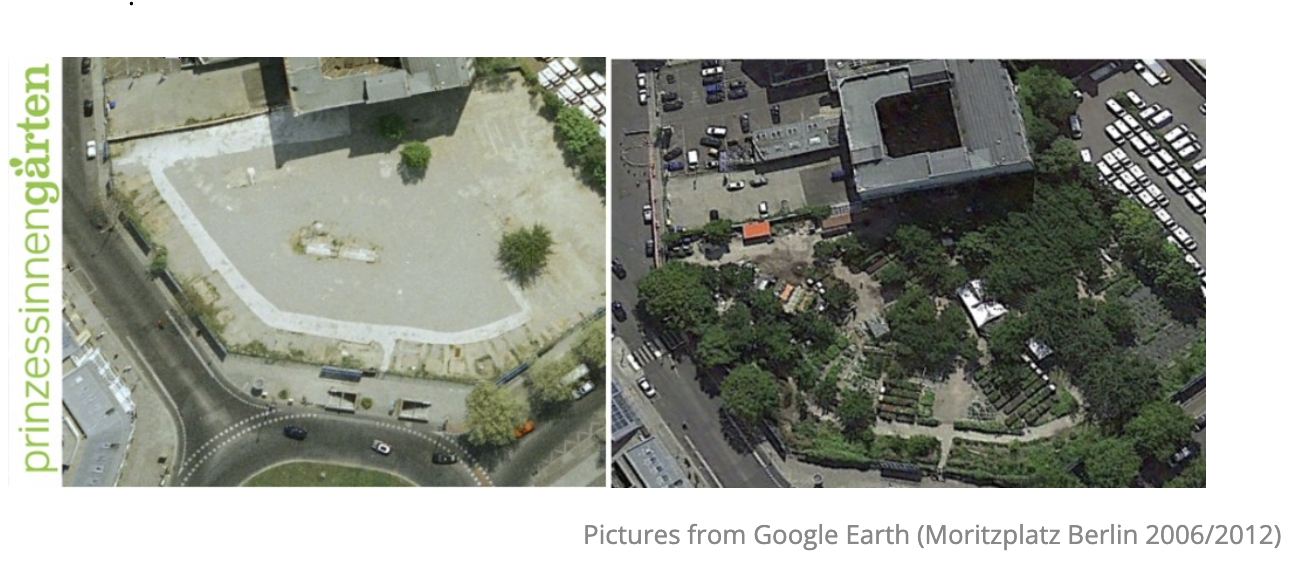
The Prinzessinnengarten project began in 2009 on a vacant lot at Moritzplatz in Kreuzberg, where residents grew vegetables and herbs in movable planting beds. It eventually relocated to the New St. Jacobi Cemetery in Neukölln, where the collective continues its community-gardening work. I’d hoped to explore Berlin’s urban gardens during my visit but never managed to get there. They’re high on my list for next time.
2. An abandoned airport basin becomes a living laboratory
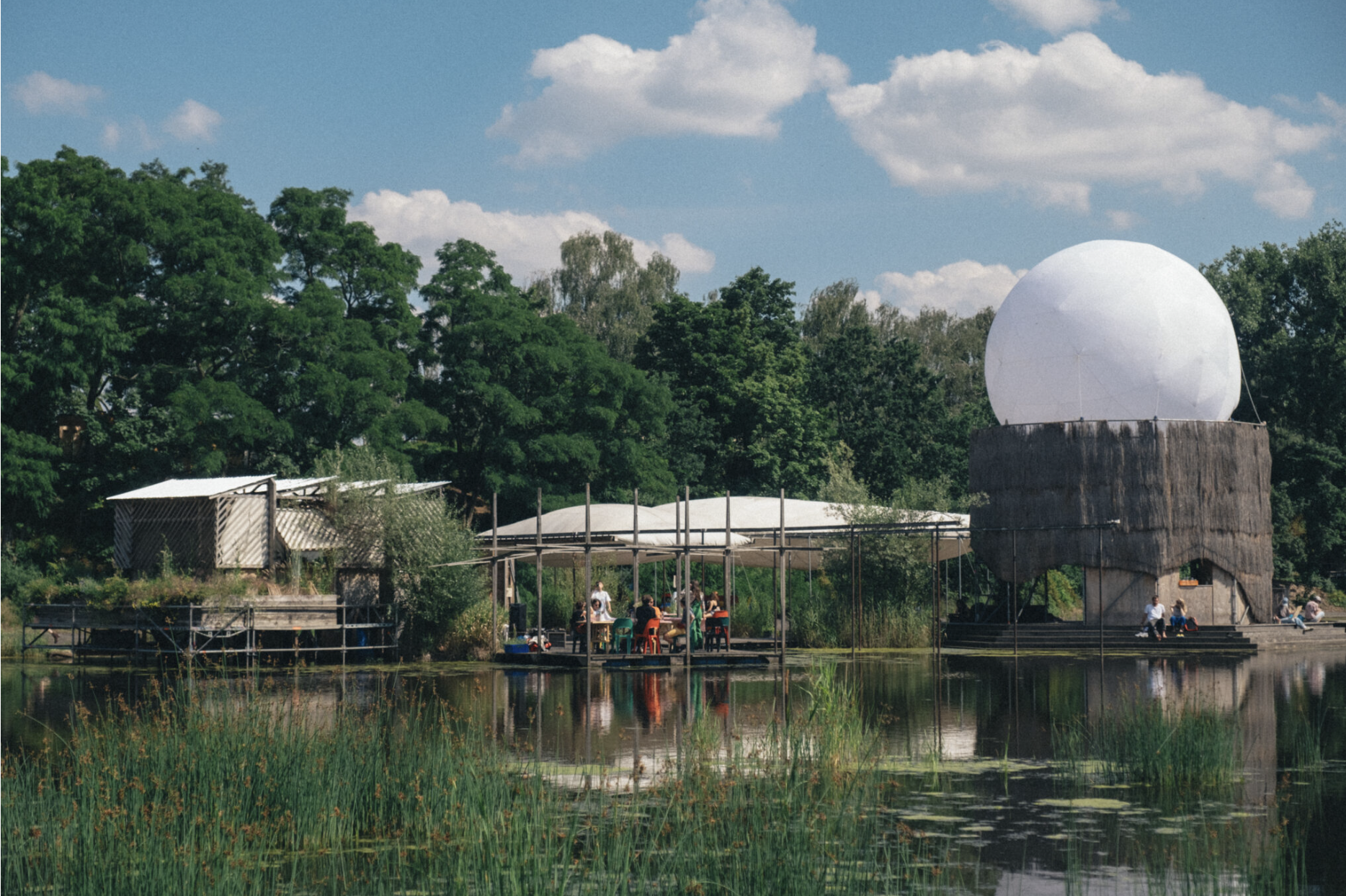
At the former Tempelhof Airport, Floating University Berlin has transformed a rainwater retention basin into an experimental space where artists, architects, ecologists and residents investigate urban nature, water and climate adaptation. It’s an extraordinary example of how ecological restoration and cultural experimentation can occupy the same space.
3. A circular economy for artists and makers
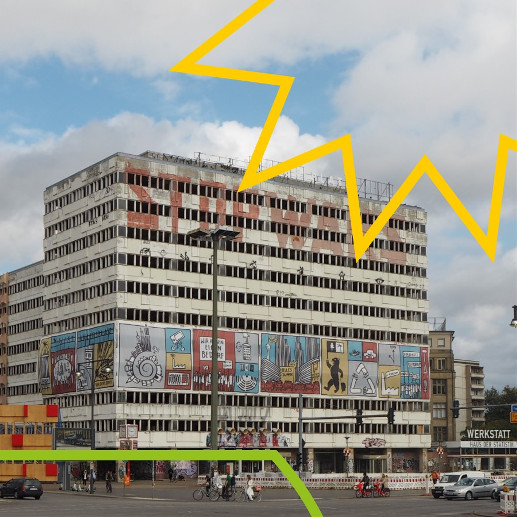
Near Alexanderplatz, the Haus der Materialisierung brings together workshops dedicated to repairing, reusing and repurposing materials. Textiles, bicycles, wood and discarded objects become opportunities for new design rather than landfill. For sustainable fashion designers and artists, such spaces offer an alternative to the constant production of new things.
Three green ideas from Tel Aviv
Tel Aviv has its own experiments in making a dense Mediterranean city healthier and more resilient.
1. Planting 100,000 urban trees

Tel Aviv-Yafo has set a goal of planting 100,000 trees over a decade. In a city facing increasingly punishing summer temperatures, trees are essential infrastructure, providing shade and reducing urban heat. I’d love to see more edible landscapes too, with fruit trees and community orchards incorporated wherever conditions make sense. You can currently find citrus trees all over the city and you can collect olives, ready for the harvest.
2. The light rail is changing how people move

After years of construction, and with the help of Green Prophet saving the trees! the Tel Aviv metropolitan area’s Red Line opened in August 2023. Its 24-kilometre route connects five municipalities, offering an alternative to car travel. Further lines are being developed, although construction disruption and the need for better connections remain challenges. It’s turned what was the worst parts of the iconic city Jaffa into a pedestrian paradise. Just don’t get hit by an electric bike.
3. Bringing back urban biodiversity
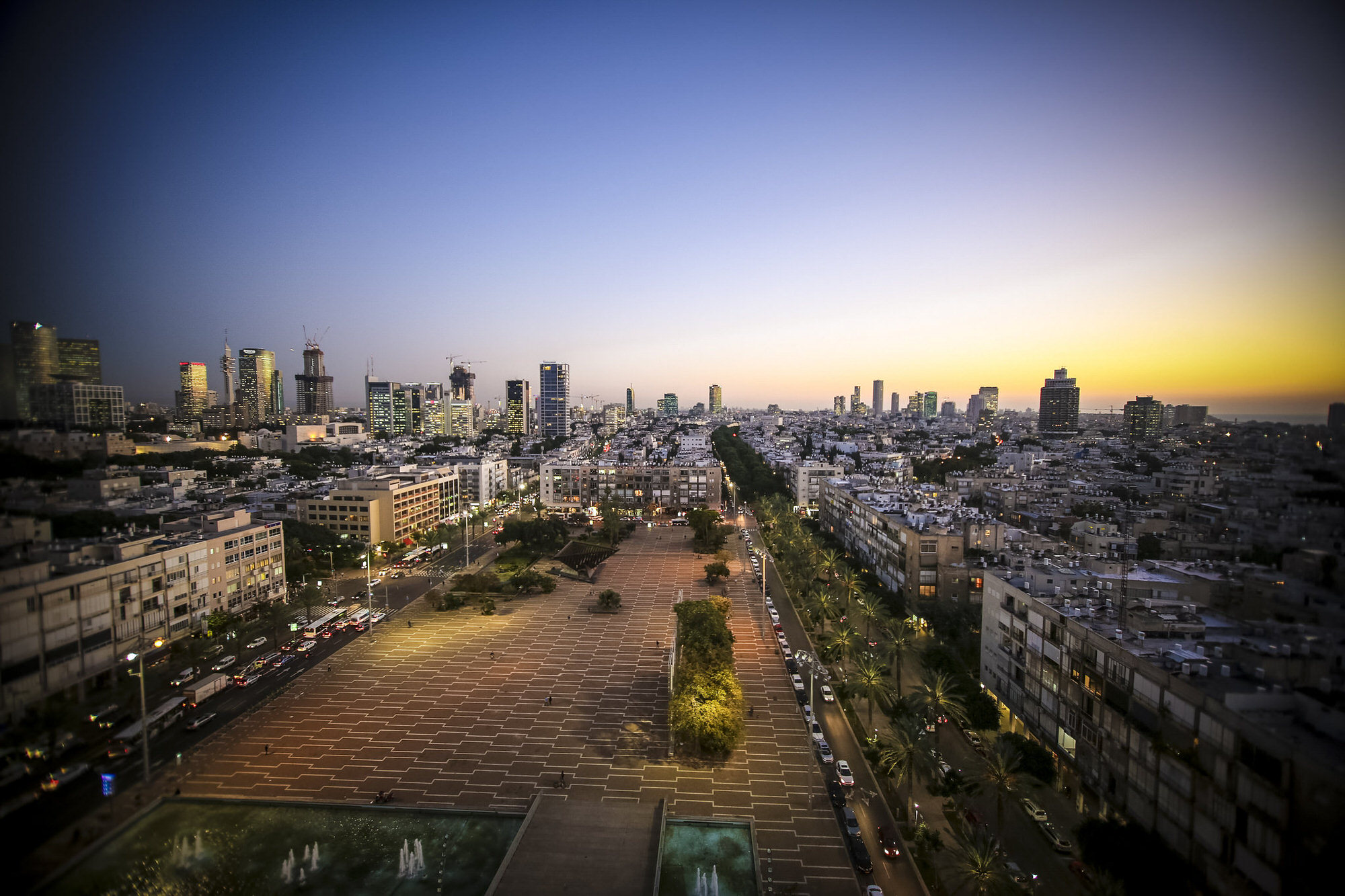
Tel Aviv is also developing urban nature through wildflower planting, community gardens and habitat improvements for bees, butterflies and other pollinators. The municipality participates in the C40 Urban Nature Accelerator, which aims to make cities greener and more resilient. These initiatives could offer useful lessons for Berlin, just as Berlin’s experiments in community participation and material reuse might inspire Tel Aviv.
A friendship with an unusual history
The friendship between Berlin and Tel Aviv carries a historical weight that few sister-city relationships can match. Berlin was the administrative centre of the Nazi regime that orchestrated the Holocaust. Today, the German capital is home to an Israeli community and attracts Jewish artists, musicians and entrepreneurs. None of this erases history. Nor does friendship mean forgetting. But the relationship demonstrates that historical responsibility and contemporary cooperation can exist together.
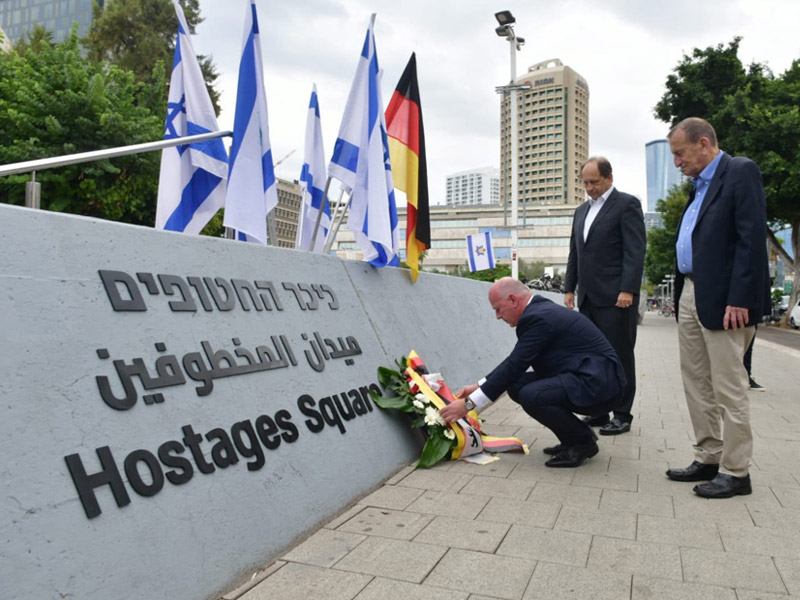
During his October visit, Wegner and Huldai laid a wreath at Hostages Square in Tel Aviv; he told me they visited communities in the south as well. Huldai also honoured Wegner for his support for Israel and his efforts to strengthen the relationship between the two cities.
Berlin held elections in September 2026, and Wegner had already announced he would not seek another term. Whatever happens next in Berlin’s political leadership, the partnership has a life beyond any one mayor. For me, the chance encounter on the plane was a reminder that international relationships aren’t only built through formal agreements. Sometimes they begin with a conversation between people who are genuinely curious about each other’s cities.
I’d love to return to Berlin, meet its sustainable fashion designers, explore its urban gardens and see what else its creative communities are doing. And learn more about similar projects in Tel Aviv. Thank you, Kai Wegner, for the conversation on that flight to Berlin. It was a pleasure meeting you, and I wish you well in whatever comes next.