What is climateflation and how it impacts Middle East nations

The term “climateflation” means the intertwined challenges of climate change and inflation. This phenomenon poses significant threats to economies worldwide, and the countries of the Middle East are no exception. From resource depletion to extreme weather events, the region faces unique risks exacerbated by the dual forces of climate change and inflation. In this article, we look at the impact of climateflation on Middle Eastern nations, highlighting key risks and proposing potential solutions.

Saudi Arabia: Oil Dependency Under Threat

RedSea farms tomatoes growing
Tomatoes growing at RedSea farms, Saudi Arabia. The country is investing in low-energy crop production.

Biggest Risks and Problems: Saudi Arabia, heavily reliant on oil revenues, faces the dual challenge of declining oil prices due to shifts towards renewable energy and the inflationary pressures driving up costs domestically. The country’s economy is vulnerable to the volatility of global oil markets and the increasing frequency of extreme weather events, such as heatwaves and dust storms.

Possible Solutions: Diversification of the economy away from oil, investment in renewable energy sources like solar power, and implementing sustainable water management strategies to mitigate the impacts of climate change. It is trying through its investment in alternative areas of energy (hydrogen – see ACWA) and tourism (Neom) to bring Saudi into the 21st century.

United Arab Emirates: Vulnerability of Coastal Infrastructure
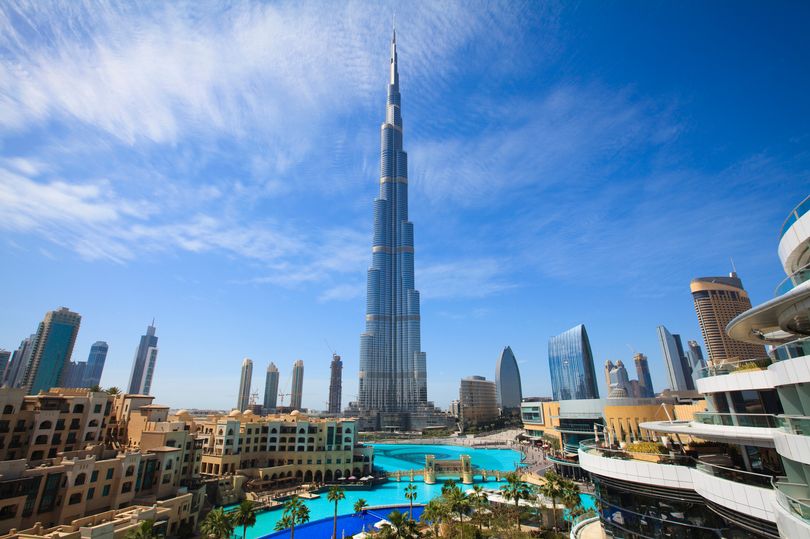
Burj poop problem, tallest building in the world
The Burj Khalifa is the tallest building in the world and cost $130 billion to make but it is not connected to Dubai’s sewage system and so every day a platoon of trucks queue up to remove its poo

Biggest Risks and Problems: As a nation with a significant portion of its population and infrastructure located along the coast, the UAE is particularly susceptible to rising sea levels and extreme weather events. Inflationary pressures further strain the government’s ability to invest in climate adaptation measures and infrastructure resilience.

Possible Solutions: Investment in coastal protection measures, sustainable urban planning to mitigate flooding risks, and incentivizing businesses to adopt eco-friendly practices. Invest in ecological waste removal for building projects – see Burj. See: Burj built without thinking where the poop will go. The UAE has also been investing in sustainable aviation fuels (SAF).

Qatar: Water Scarcity and Agricultural Challenges

Water availability, urban heat island effect, and energy use are major concerns shared by desert cities around the world. Taking place on 5th and 6th March 2024 at Expo 2023 Doha Qatar, the AIPH Green City Conference will showcase urban greening strategies that cities in arid zones can adopt to create liveable environments.
Water availability, urban heat island effect, and energy use are major concerns shared by desert cities around the world.

Biggest Risks and Problems: Qatar’s arid climate and limited freshwater resources make it highly vulnerable to water scarcity, exacerbated by climate change. Inflation compounds the challenges faced by the agricultural sector, which relies heavily on imported food due to limited domestic production capacity.

Possible Solutions: Implementation of water conservation measures, investment in desalination technology, and promotion of drought-resistant crops to enhance food security. See Doha’s agriculture convention.

Kuwait: Energy Intensive Economy at Risk

MIDDLE EAST CLIMATE CHANGE
A cars diving in a main street in Kuwait city as a sandstorm hits Kuwait.

Biggest Risks and Problems: Kuwait’s energy-intensive industries, including oil refining and petrochemicals, contribute significantly to greenhouse gas emissions and environmental degradation. Inflationary pressures drive up production costs, posing challenges to the country’s economic competitiveness in the global market.

Possible Solutions: Transitioning towards renewable energy sources, improving energy efficiency in industrial processes, and diversifying the economy to reduce dependence on oil revenues.

Iran: Environmental Degradation and Socioeconomic Impacts

Biggest Risks and Problems: Iran faces a multitude of environmental challenges, including air and water pollution, deforestation, and soil degradation. Climate change exacerbates these issues, leading to adverse effects on public health and exacerbating social inequalities. Inflation further strains government resources, hindering efforts to address environmental degradation. Women’s rights and an Islamic regime makes it impossible for environmental voices to speak. Those that try are killed or put in jail.

Possible Solutions: Strengthening environmental regulations and enforcement, investing in clean energy technologies, and promoting sustainable agriculture practices to mitigate the impacts of climate change and inflation. Strenthening women’s rights and freedom of expression.

Climateflation presents a complex and multifaceted challenge for Middle Eastern economies, requiring concerted efforts from governments, businesses, and civil society to address effectively. By prioritizing sustainable development, investing in climate adaptation measures, and diversifying their economies, countries in the region can navigate the dual threats of climate change and inflation while ensuring long-term prosperity and resilience.

Read More

TRENDING

Tigris River oil spill highlights Iraq’s environmental oversight and our addiction to oil

A fresh oil spill in the Tigris River, filmed by an Iraqi university student, has reignited concern over Iraq's polluted waterways. From ancient Mesopotamia to modern Basra, the country's dependence on oil has come at a steep environmental and human cost, with activists warning that unchecked contamination is putting ecosystems and public health at risk.

Wave wind energy for Nvidia’s next AI energy boom?

As AI factories consume unprecedented amounts of electricity, NVIDIA is looking beyond chips and data centers to the ocean. The company recently spotlighted Israel's Eco Wave Power and its wave energy projects in Jaffa and Los Angeles, highlighting how AI, digital twins and renewable energy can work together to meet future power demands. The collaboration reflects a growing realization that the future of artificial intelligence may depend as much on clean energy infrastructure as it does on computing power.

Dan Zaslavsky’s energy tower dream is rising again in Iran and China

The Energy Tower idea never made the leap from drawings and engineering studies to full-scale construction. But nearly two decades after most people stopped talking about it, the concept is quietly evolving in two unexpected places: China and Iran. The concept let dreamers dream and doers do - figuring out more pleasing designs and engineering.

Israeli Hydrogen Startup H2Pro Are Trying to Solve Clean Energy’s Hardest Problem

The company has attracted backing from major investors including Breakthrough Energy Ventures, the climate fund founded by Bill Gates, along with industrial partners such as Sumitomo, ArcelorMittal, and Temasek, a multi-billion dollar company that owns Singapore airlines. H2Pro has raised more than $100 million USD and is moving from pilot projects toward commercial-scale deployments.

Hormuz 2026 Conflict Poses an Energy and Food Security Dilemma in a Warming World

As tensions rise in one of the world’s most critical maritime chokepoints, the ripple effects go far beyond oil—touching food systems, climate pressures, and regional stability

The Essential Guide To Sustainability in Project Management

Sustainability is an approach where businesses and individuals balance the environmental, social, and economic aspects of a project such that current and future stakeholders are not overburdened with the impacts of the project in future.

Yerukim Forms a New Green Economy Where the Money is Really Green

The Yerukim members who pick up the recyclables get to keep the monetary reward, the public earns "green" bills that can be used in shops, and business owners get to be associated with environmentalism.

Choosing Riyadh over Dubai? What Investors Should Know

Saudi Arabia is deploying capital at unmatched scale to catalyze tourism and advanced industry while rewiring its power-and-water backbone. The investable frontier is widening—especially in renewables, grid storage, water efficiency/desal retrofits, and hospitality operating platforms. Prudent investors will insist on phased delivery, enforceable KPIs (energy, water, biodiversity), and RHQ/zone compliance—while pricing political-economy and reputational risks alongside growth upside.

Sell your cooking oil for biodiesel money

Want to make money on old french fry oil? Sell it.

Qatar Alternative Energy Summit Pairs Investors And Innovators

Alternative energy investors and innovators can meet n' greet in Doha, Qatar March 16 and 17.

Here’s How To Implement The Four Pillars Of Employee Engagement

If you throw a party for your work team and they are vegans, don't make it a barbecue. Know the sustainability values of your team to boost moral and retain good people.

Locals From Rishon Fight IKEA

Big Box stores are a pretty new concept in Israel, and thank God that not every Israeli city wants them in their backyard. A word from someone who has see the beautiful farmland around her hometown Newmarket, Ontario stripped and converted into vulgar strip malls of big box shops: they have no place in a healthy and sustainable town or city.

The Jewish National Fund Meets An Inconvenient Truth

According to the JNF, it has transformed thousands of acres of barren land into green forests in Israel. They state that each person emits about 23 tons of carbon per year, estimating that each tree planted can absorb one ton of carbon in its lifetime. That's a whole lot of trees you'd need to be planting. Could so many fit in Israel?

Popular Categories