

While the Middle East remains consumed by conflict, the United Arab Emirates is bringing countries together to use AI to protect farmers, predict extreme weather and adapt to climate change. This is PeaceTech at its finest.
What if the Middle East spent as much energy predicting droughts from climate change as it does anticipating its next war? Perhaps we could have avoided a civil war in Syria or the Arab Spring. What if our region’s technological ambitions were measured not by the enemies we could defeat, but by the people we could help? The United Arab Emirates is offering a glimpse of what that future might look like. PeaceTech shouldn’t be solutions to track bombs before they drop. It should lay the foundations for peace and prosperity to flourish.
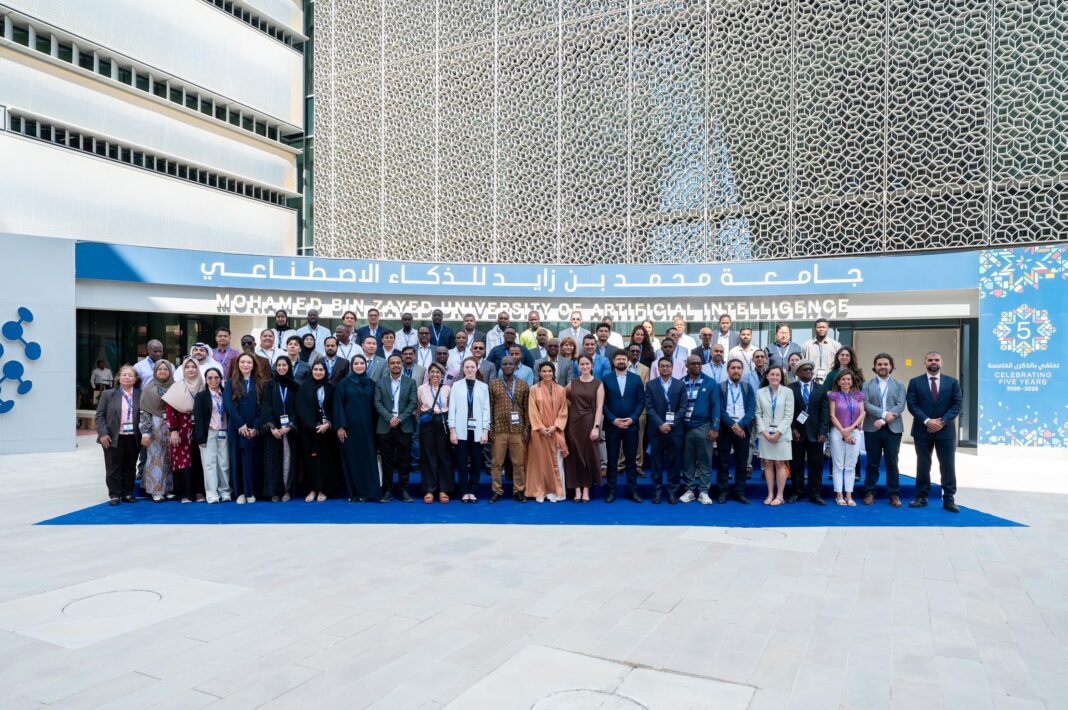
From November 9 to 13, Abu Dhabi hosted government officials from 15 countries for a training program on artificial intelligence and weather forecasting. The goal was refreshingly practical: help countries use AI to deliver better weather information to farmers so they can prepare for droughts, floods and other consequences of climate change.
To me, this is an example of PeaceTech at its finest. The UAE is taking its powerhouse ambitions in AI and transforming them into the kind of international cooperation that connects people through common problems and dreams rather than endlessly pitting them against one another as enemies.
The initiative was convened by the International Affairs Office at the UAE Presidential Court and jointly organized by the Mohamed bin Zayed University of Artificial Intelligence (MBZUAI) and the University of Chicago, working with AIM for Scale and the UAE’s National Center of Meteorology.
Representatives came from Bangladesh, Bolivia, Chile, Colombia, Ethiopia, Indonesia, Kenya, Nigeria, Pakistan, Peru, the Philippines, Rwanda, Senegal, Sierra Leone and the UAE. These are countries with different cultures, religions and political interests, but they have something important in common. Their farmers need to know when the rain is coming.
Fatema AlMulla, Head of International Relations at the UAE Presidential Court’s International Affairs Office, explained the larger ambition: “The true value of artificial intelligence lies in our ability to turn scientific innovations into practical solutions that make a tangible difference in farmers’ lives.”
Green Prophet has been watching the UAE’s green ambitions for almost 20 years
I have been reporting on the United Arab Emirates’ environmental ambitions since the earliest days of Green Prophet. We were the first environmental publication covering sustainability across the Middle East, long before the Gulf became an international destination for climate conferences and clean technology investment.
In 2010, we interviewed the Green Sheikh, Sheikh Abdul Aziz bin Ali Al-Nuaimi, about his determination to bring environmental responsibility into Arab leadership and everyday life. He understood something important about environmentalism: it is inseparable from the wellbeing of communities.
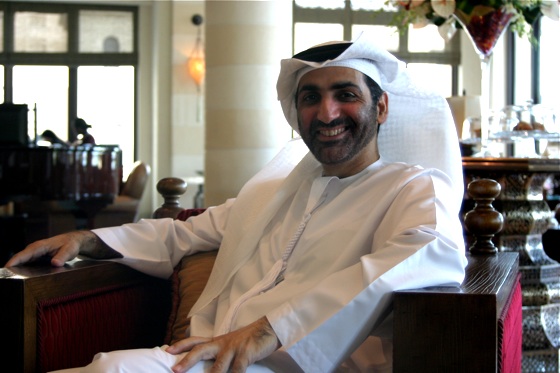
In 2012, I interviewed Ziad Tassabehji, one of the original visionaries behind Masdar, about his ambition to use the UAE’s oil wealth to create a new economy built around renewable energy and innovation.
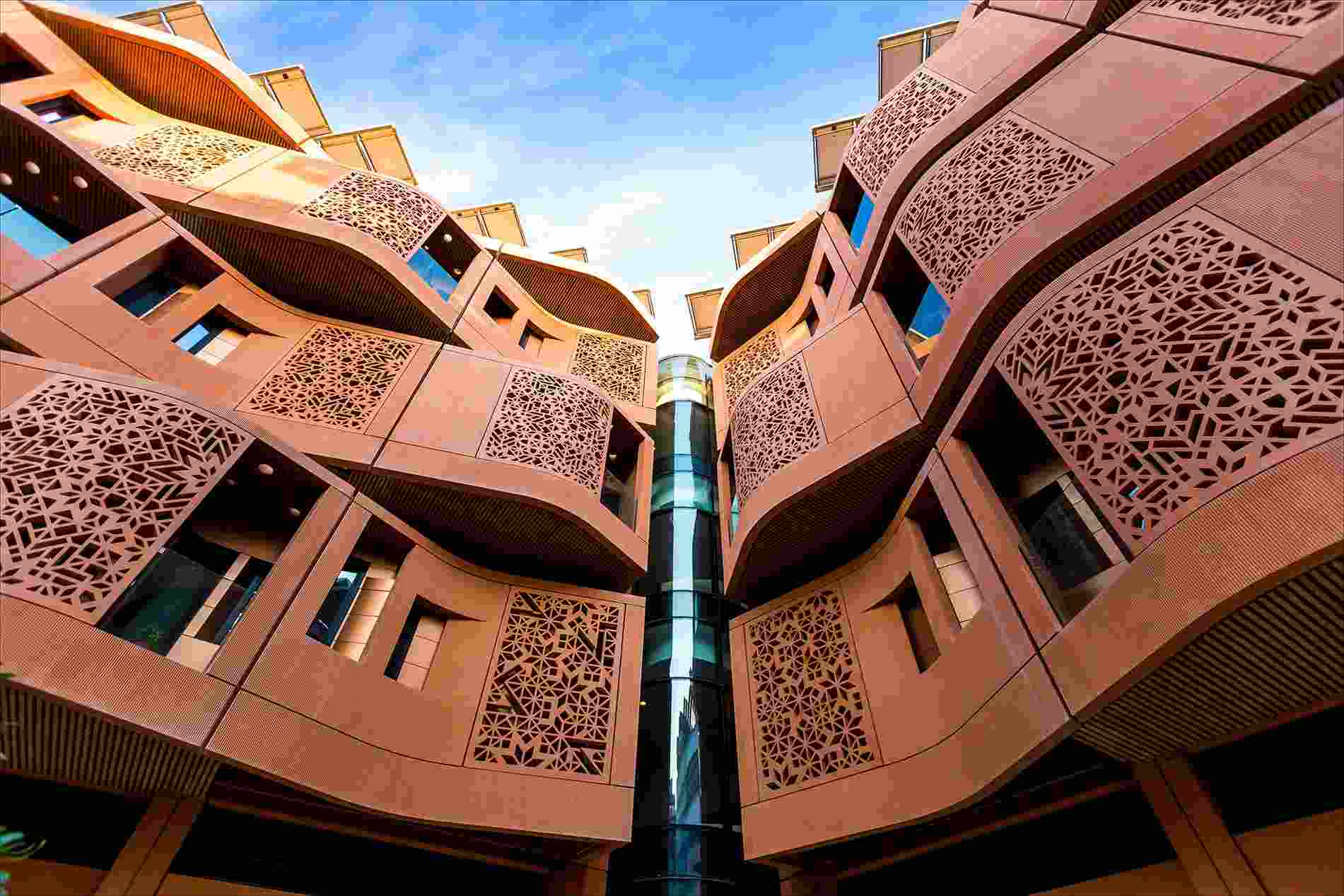
We visited Masdar City, rode its futuristic electric pods and watched an extraordinary experiment in sustainable desert living unfold. Not everything worked. Some ideas were far too ambitious, and others were eventually abandoned.
But the bigger ambition survived. Earlier this year, I wrote about Masdar’s transformation into a global renewable energy powerhouse, financing solar, wind and energy storage projects around the world. We also covered how Emirati renewable energy investment reached Caribbean islands, helping vulnerable communities become more resilient to hurricanes and dependence on imported diesel.
And we have followed the country’s efforts to make its own cities more livable, including Dubai’s 20-minute city ambitions, which envision neighborhoods where daily necessities become accessible without relying entirely on cars.
The UAE is far from perfect. Its fossil fuel economy and ambitious development projects raise legitimate environmental questions. But it has repeatedly demonstrated a willingness to experiment, invest and collaborate internationally. Now even as Iranian missiles drop and stop it’s peace efforts and stability the UAE is peacetech thinking to AI, agriculture and diplomacy.
From artificial intelligence to agricultural diplomacy

The new training initiative is not simply a conference where experts exchange business cards and discuss the future of AI. Participants were learning to run weather forecasting models, evaluate their accuracy and turn the results into agricultural advice that farmers can actually use. Each country team was expected to develop a preliminary roadmap for bringing AI-powered forecasting into its national services.
NVIDIA has also donated 14 Dell Pro Max GB10 workstations to participating institutions, giving them computing resources to continue testing the technology at home. The program builds on an initial five-country cohort in 2025, with plans to develop capacity across 30 countries by 2028.
It is part of the Abu Dhabi AI Ecosystem for Global Agricultural Development, launched in December 2025 and built upon a $200 million partnership between the UAE and the Gates Foundation announced at COP28. The broader AIM for Scale partnership has an extraordinary ambition: to reach 100 million smallholder farmers with AI-powered weather information by 2030.

Katie Kowal, director of AI for Weather at the University of Chicago’s Data Science Institute, said: “But accurate forecasts alone are not enough. They need to provide timely and useful information to the people who can act on them.”
This is where technology becomes diplomacy. It is one thing to invent a powerful forecasting system. It is another to teach governments how to use it, build their own expertise and ultimately deliver the benefits to people who may never have heard of artificial intelligence.
Think about the environmental problems unfolding across our region. Iran is facing devastating water shortages and Lake Urmia is dead. Iraq has suffered from falling river levels and damaged agricultural systems. International oil companies are literally killing children there from pollution. Jordan is among the world’s most water-stressed countries, and so is Yemen, overthrown by warlords – the Houthis. Across the Middle East, farmers are struggling with heat, groundwater depletion, unreliable rainfall and the rising cost of growing food.
Yet we continue to organize so much of our regional identity around conflict and Israel. Governments define themselves by their enemies, while ordinary people struggle with many of the same problems on opposite sides of a border.
Whether we live in Tehran, Dubai, Tel Aviv, Beirut, Amman or Gaza, most of us want remarkably similar things. Clean water. Reliable electricity. Healthy children. Meaningful work. A future worth planning for. Travel to the Middle East and for the most of the people not filled with hate, ambitions are pretty straightforward.
From Bangladesh to Ethiopia, what PeaceTech could look like in practice
The most compelling evidence for the UAE’s initiative comes from the countries themselves. Behind every weather model is a farmer deciding when to plant, a family worried about the next flood or a community trying to survive another failed rainy season. Here are four examples of how AI forecasting could make a difference.
Bangladesh: When the monsoon destroys a harvest
In August 2024, catastrophic flooding across 11 eastern districts of Bangladesh affected approximately 5.8 million people and displaced more than half a million. Farmland and fishponds disappeared underwater. In coastal areas, saltwater intrusion is also damaging agricultural land and freshwater supplies.
Bangladesh already has experience showing how early warning systems save lives. Now the challenge is making weather information more useful to individual farmers, helping them decide when to plant, harvest and protect their resources.
Tausif Ahmed Qurashi, Senior Programme Manager at BRAC’s Climate and Environmental Innovation Programme, attended the UAE initiative with precisely that goal. “Better forecasting and advisories mean fewer lost crops and more efficient use of water, seed and labour,” he said.
Ethiopia: A few days can decide an entire growing season
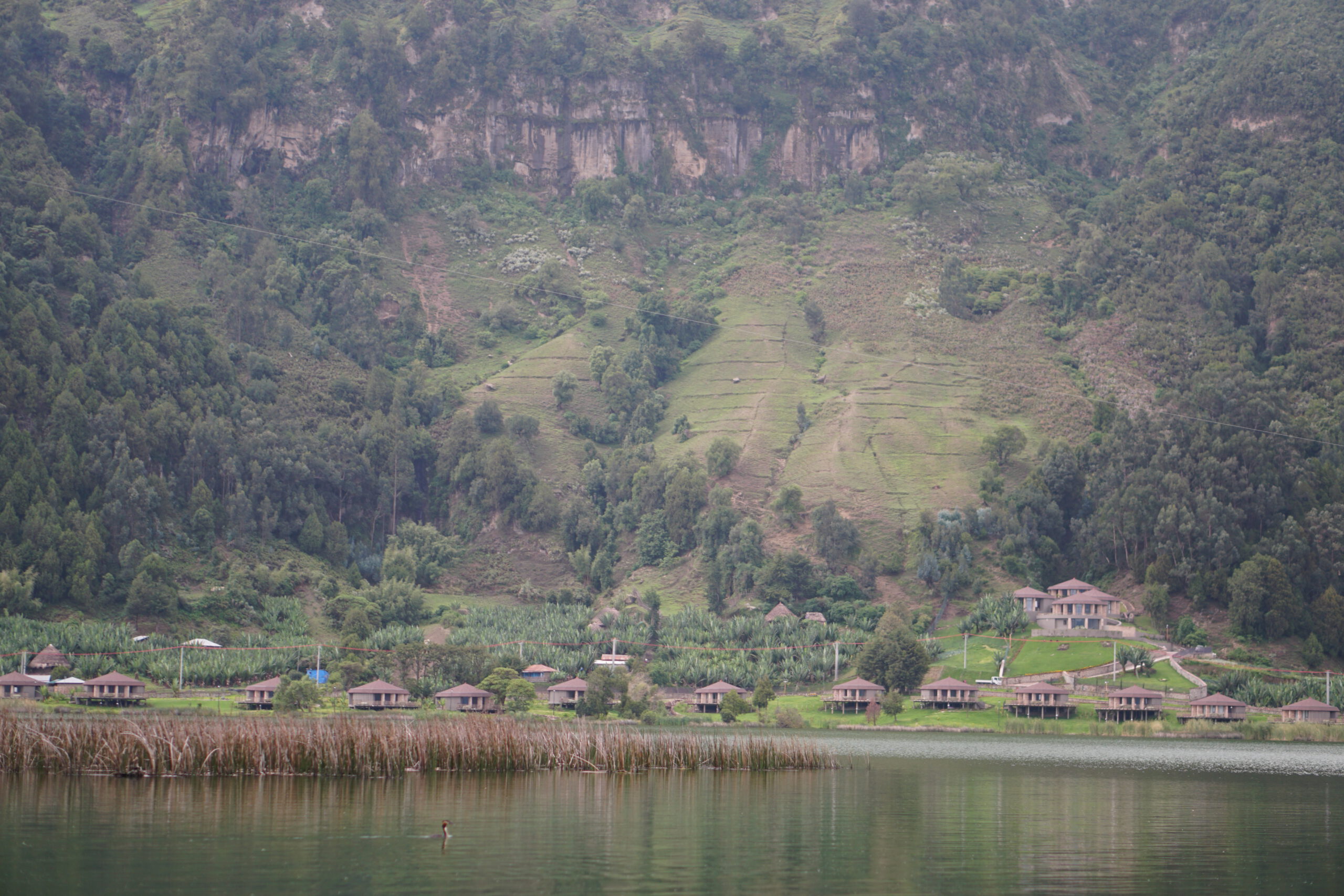
Agriculture, forestry and fishing account for approximately a third of Ethiopia’s GDP. Much of the country’s farming depends directly on rainfall, making the timing of the rainy season critically important.
Between 2020 and 2023, five consecutive failed rainy seasons devastated communities in parts of the country, contributing to food insecurity and livestock losses.
Fitsum Mesfin, a researcher at the Ethiopian Artificial Intelligence Institute, explained why improved forecasting matters. “Ethiopian agriculture is overwhelmingly rainfed, so a few days of forecast accuracy can decide whether a planting season succeeds or fails.”
Mesfin hopes to adapt AI weather models to Ethiopian conditions and develop forecasting tools that can reach smallholder farmers in the languages they actually speak.
Colombia: Protecting coffee from an unpredictable climate

In Colombia, coffee growers face highly varied microclimates across mountainous growing regions. Heavy rains, droughts and shifts between El Niño and La Niña can disrupt production and threaten rural livelihoods.
Carolina Ramírez Carabalí, an agroclimatology researcher at Colombia’s National Coffee Research Center, Cenicafé, wants to connect AI weather predictions directly to the development stages of coffee crops. “By transforming complex data into actionable alerts, we can significantly enhance agricultural resilience and secure our coffee growers’ livelihoods,” she said.
For a coffee farmer, the difference between a general weather report and a localized agricultural warning could determine when to fertilize, manage crops or prepare for heavy rainfall.
Kenya: Climate intelligence that reaches the last farmer

Kenya has experienced both devastating droughts and deadly floods in recent years. Five failed rainy seasons between 2020 and 2023 severely affected pastoral communities, while flooding in 2024 killed more than 300 people.
Simon M. Mulwa, Director of ICT and Digital Agriculture at the Kenya Agricultural and Livestock Research Organization, sees AI as a way to deliver more precise climate advice to farmers.
His goal is to turn weather information into “trusted, co-produced advisories that build resilience and reach millions of smallholder farmers, including women and youth, at scale.”
These are not yet documented success stories from the UAE training program. They are examples of the problems participating countries hope to solve and the practical benefits their officials are working toward.
And this is where PeaceTech becomes more than an attractive idea. A drought warning delivered in time, a crop protected from flooding or a farmer given enough information to make a better decision may seem like small achievements compared with the enormous geopolitical ambitions of the Middle East.
But food security, economic stability and trust in public institutions are among the foundations on which peaceful societies depend.
The UAE is helping countries develop the tools to strengthen those foundations. Imagine what could happen if this kind of cooperation became the norm rather than the exception.