
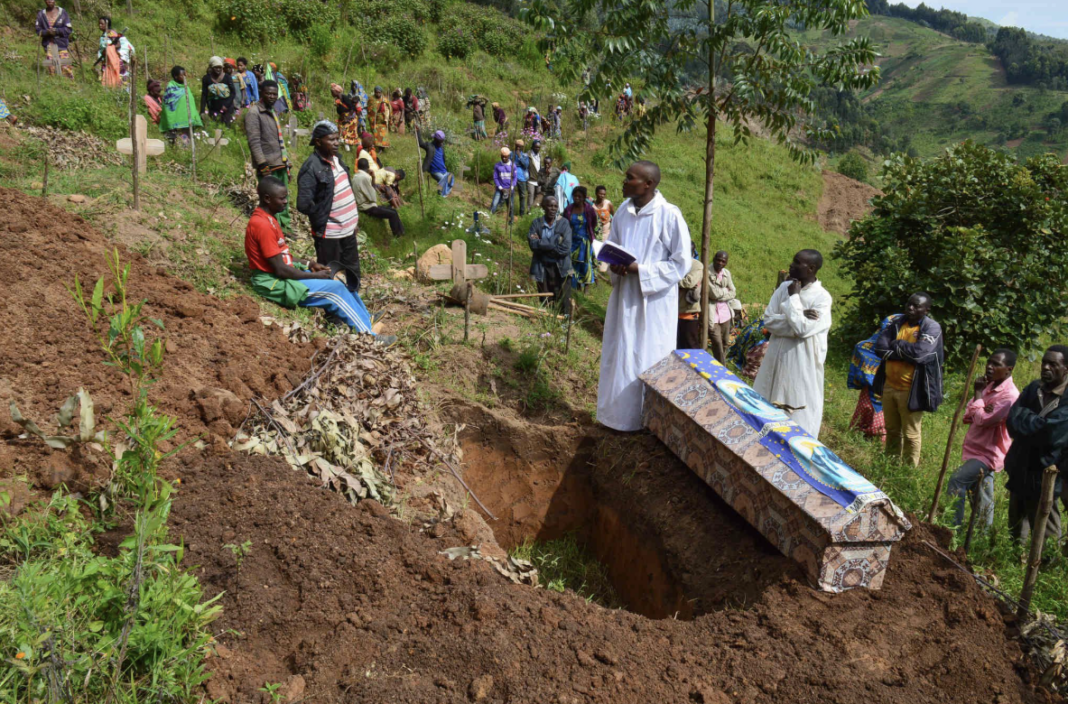

Researchers have reconstructed the early spread of Ebola in the Democratic Republic of the Congo, showing how mobile phone data could help detect future epidemics before they spiral out of control.
Scientists have used anonymized mobile phone data and medical testing records to reconstruct the early spread of a deadly Ebola outbreak in the Democratic Republic of the Congo (DRC). Their findings reveal that the virus was circulating weeks before authorities officially declared an outbreak on May 15, 2026.

The research, published in the journal Science examined the Bundibugyo strain of Ebola, which has caused more than 10,000 confirmed infections and 5,198 deaths since May this year. The first confirmed patient had reportedly developed symptoms as early as April 25, nearly three weeks before the outbreak was officially recognized.
By analyzing anonymized mobile phone records, researchers traced population movements from early outbreak centers in Mongbwalu, Bunia and Rwampara. Travel patterns between April 24 and May 24 helped predict which health zones would report Ebola infections by June 1.
“The mobility data really tells us how many people are going between the different health zones,” said Samuel Scarpino, a Northeastern University professor of public health and health sciences who contributed to the research.
The data, supplied by Flowminder, represented aggregated movements between geographical areas rather than individual travel histories, helping researchers study population mobility while limiting privacy risks.
The researchers found that infection risks increased not only in communities near the initial outbreak centers but also in towns 100 to 150 miles away, connected through established travel routes.
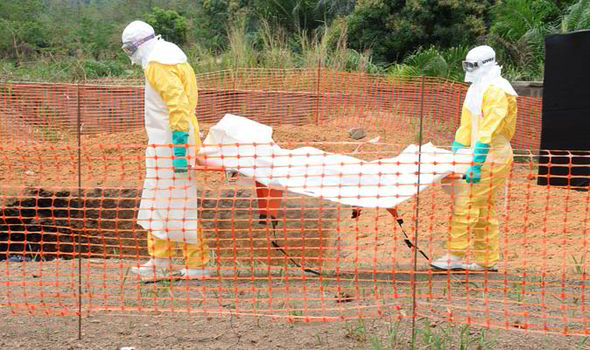
The findings expose weaknesses in conventional disease surveillance, particularly in regions where laboratories, healthcare infrastructure and early-warning systems are underfunded.
They also highlight an emerging application for telecommunications technology, healthtech solutions. Aggregated mobile network data could help public health agencies identify vulnerable communities, anticipate the geographical spread of infectious diseases and direct medical resources where they are needed most.
Unlike conventional contact tracing, which investigates individual interactions after infections are identified, population mobility analysis examines broader travel patterns. This information can help researchers anticipate where an outbreak might spread without revealing individual identities.
For countries facing recurring epidemics, the technology offers a potentially valuable complement to traditional disease surveillance. But it cannot replace accessible testing, functioning laboratories and rapid public health responses. And there is also the privacy issues of how much people want their government or anyone tracking them.
We’ve learned from researchers in Israel that seismic data collected from earthquake trackers can detect terror attacks, and healthtech has a lot to learn from people’s patterns and cell phone use.