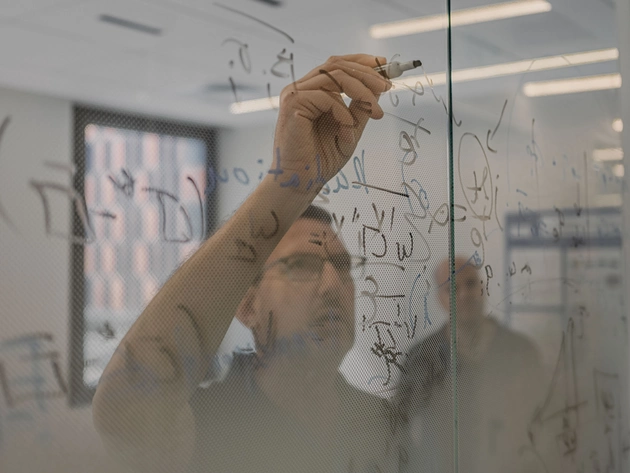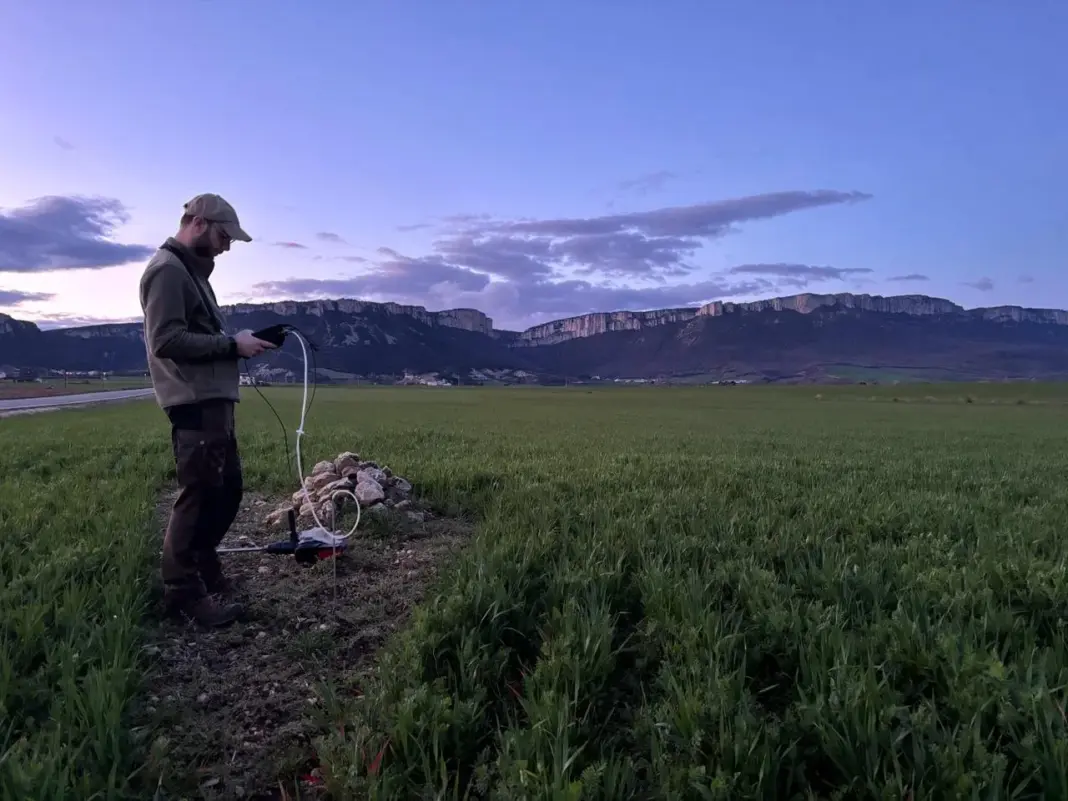

When Green Prophet first wrote about Mantle8 in 2025, the French startup was using AI and searching beneath the Pyrenees for something that sounds almost too convenient to be true: naturally occurring hydrogen underground. Now the company is taking that hunt to the Middle East.
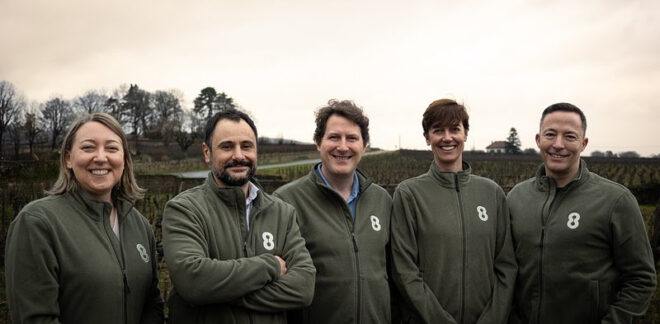
Mantle8 has established a regional headquarters in Dubai and appointed Jean-Valery Garcia as Regional Director for the Middle East. Garcia has more than 25 years of experience in subsurface exploration, geoscience technology and oilfield services across the region.
The expansion follows a €31 million Series A financing round and represents Mantle8’s first permanent presence outside Europe.
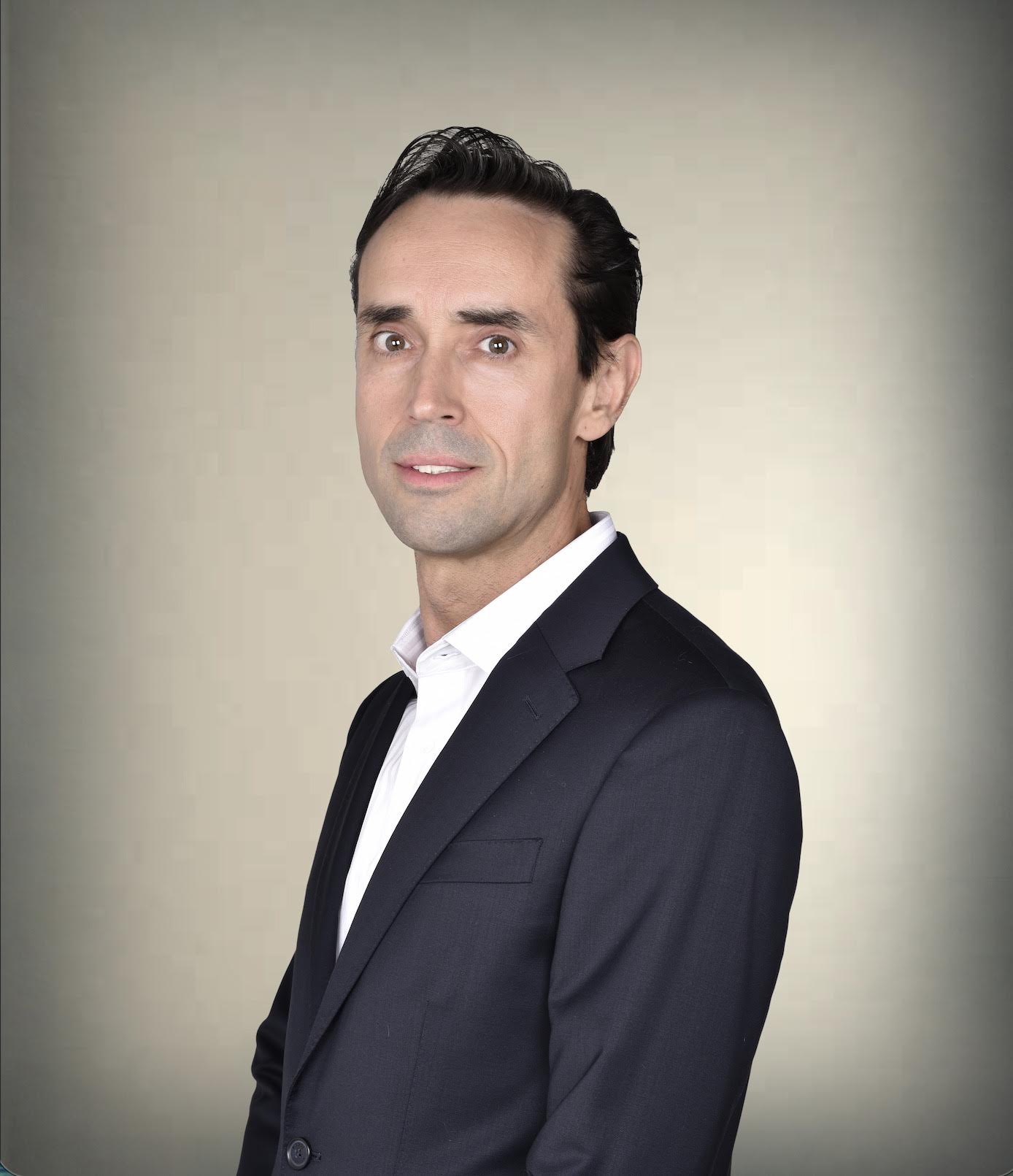
“Natural hydrogen exploration is one of the most compelling frontiers in the energy sector today,” Garcia says. “When I saw the technology Mantle8 had built and the alignment with natural hydrogen initiatives in the Middle East, I knew this was the right opportunity. I’m looking forward to building the team and partnerships on the ground here to turn that opportunity into a leading position for Mantle8 in the region.”
We first covered Mantle8’s search for natural hydrogen in the French mountains, where the company was exploring the Comminges area of the Pyrenees. Mantle8 reported soil-gas hydrogen readings reaching 2,500 ppm and was working to understand where hydrogen was being generated and where it might accumulate underground.
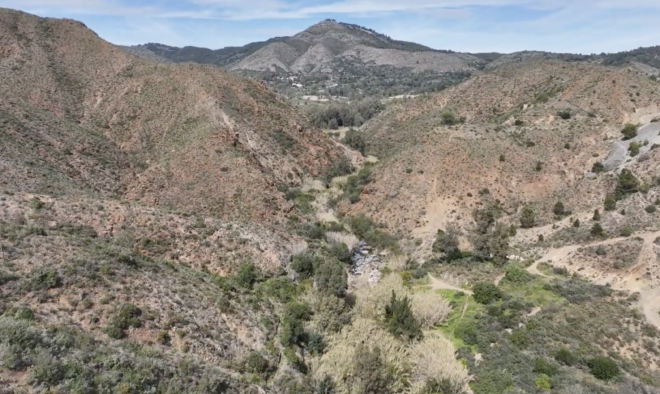
The idea behind natural hydrogen is seductively simple: instead of spending energy making hydrogen, find places where the Earth is already making it. That’s important because hydrogen remains one of the hardest areas of the energy transition to crack.
News: Stardust’s $10 billion plan to blot out the sun
Most hydrogen today is manufactured from fossil fuels. Green hydrogen attempts to change that by using renewable electricity to split water through electrolysis. As we reported in our story on Israeli hydrogen startup H2Pro, making hydrogen isn’t the fundamental problem. Making clean hydrogen cheaply enough to compete is. It’s like EVs. Great idea, but where does the power come from to run your electric car?
Hydrogen is also difficult to store and transport. Compressing it requires energy and infrastructure, while liquefying hydrogen requires extremely low temperatures. These problems matter enormously when hydrogen is proposed for steel, fertilizer, shipping and other industries that need enormous quantities of energy.
We have been following these attempts for years, including new technologies and breakthroughs around hydrogen production and storage.
Natural hydrogen potentially changes the equation, but it introduces another enormous unknown: geology. Finding hydrogen in the ground isn’t the same as finding a hydrogen field that can make money. Explorers need to understand where hydrogen is generated, how it migrates through rock, whether it becomes trapped, how concentrated it is and whether a well can deliver useful quantities over time.
Mantle8 is developing subsurface exploration and imaging technologies designed to answer those questions before expensive drilling begins. And Dubai makes sense. The Middle East has generations of expertise in geology, drilling and understanding what lies miles beneath the surface. If natural hydrogen is going to become an industry rather than an interesting geological phenomenon, those skills will matter.
But the real test isn’t a €31 million financing round or a new office in Dubai. It’s what comes out of the ground: If Mantle8 can repeatedly find reservoirs that produce hydrogen cheaply and at commercial scale, the implications could be enormous. Until then, the hunt continues.